
Soups & Stews
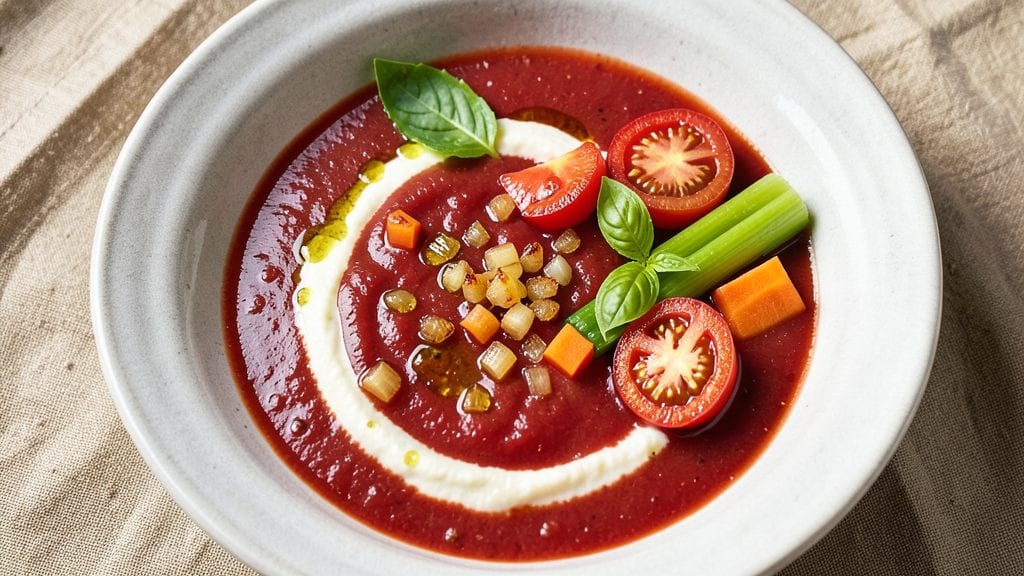
This better than Campbell’s tomato soup recipe delivers restaurant-quality depth that canned versions simply can’t match—no artificial aftertaste, just rich, velvety layers of flavor built from scratch.
The secret lies in slow-cooked aromatics and a blend of fresh and canned tomatoes that create complexity you won't find in any store-bought carton.
I developed this version after years of testing, determined to recreate that perfect balance of sweetness, acidity, and umami that makes tomato soup feel like a warm hug in a bowl.
What sets this recipe apart is the technique: roasting tomatoes until caramelized intensifies their natural sweetness, while simmering with herbs and broth builds depth you'd never expect from basic ingredients.
The result is a soup that's velvety smooth yet still vibrant, with just the right amount of body to coat a spoon. Best of all, it comes together in under 45 minutes using pantry staples you likely already have on hand.
By the time you're done, you'll have a bowl of tomato soup so rich and satisfying it'll make you question why you ever bought canned. The texture is perfectly balanced—smooth enough to sip but substantial enough to stand up to grilled cheese or crusty bread.
Every spoonful delivers layers of flavor that evolve with each bite, from the initial sweetness of the tomatoes to the lingering warmth of the herbs.
This recipe works equally well as a comforting weeknight meal or a showstopper for dinner guests. For extra richness, stir in a splash of heavy cream at the end, or keep it classic with a sprinkle of fresh basil.
The possibilities are endless, but the foundation remains the same: better-than-canned tomato soup that tastes like it was simmered all day in a professional kitchen.
Ingredients for better than campbell's tomato soup
Pantry staples plus a few fresh touches—this soup tastes nothing like canned.
| Ingredient | Amount | Notes |
|---|---|---|
| Extra-Virgin Olive Oil 🫒 | ½ cup | High quality, fruity preferred |
| Yellow Onion 🧅 | 1 whole | Medium size, diced small |
| Garlic Cloves 🧄 | 4 cloves | Peeled, minced fine |
| Carrots 🥕 | 2 medium | Peeled, diced small |
| Celery Stalks 🥬 | 2 stems | Trimmed, diced small |
| Fresh Roma Tomatoes 🍅 | 1 lb | Halved, seeds removed |
| Canned San Marzano Tomatoes 🍅 | 1 can | 28 oz, crushed by hand |
| Vegetable Broth 💧 | 4 cups | Low-sodium preferred |
| Fresh Basil Leaves 🌿 | ½ cup | Packed, chopped fine |
| Dried Thyme 🌿 | 1 tsp | Or 1 tbsp fresh thyme |
| Heavy Cream 🥛 | ½ cup | Full-fat for richness |
| Salt 🧂 | 1 ½ tsp | Kosher or sea salt |
| Black Pepper 🌶️ | ½ tsp | Freshly ground preferred |
| Sugar 🍚 | 1 tbsp | Balances acidity |
The tomatoes are the heart of this soup. San Marzano cans give the best flavor, but any good-quality crushed tomatoes work. For the fresh ones, grab the plum/roma variety—they're meatier and sweeter. If you can't find them, regular vine-ripened tomatoes work in a pinch. The Costco or Trader Joe's sections always have great prices. And trust me on the heavy cream—it's worth the extra minute to stir it in at the end for that restaurant-quality finish. The broth? Low-sodium is key here, so you can control the seasoning.
No fresh basil? Dried oregano at half the amount works in a squeeze, but fresh is ideal. Short on carrots? Substitute with an extra cup of celery—they're basically cousins in flavor. Want more umami? Add a dash of soy sauce or Worcestershire to the broth. The sugar might seem odd, but it's there to balance the acidity—brown sugar works too if you're out of white. And if you're watching calories, use half-and-half instead of heavy cream—it's still rich but lighter.
This soup tastes even better the next day—4-5 days in the fridge, no problem. Freezes beautifully for up to 3 months if you make a double batch. I like to portion it into mason jars for easy lunches. The leftovers reheat like a dream—just warm gently on the stove with a splash of broth if it gets too thick. And if you're serving it to guests? Fresh basil garnish makes it look (and taste) extra special.
Why You'll Love This Recipe
- Pantry-Friendly Start: I swear by this—no fresh tomatoes needed. The base builds from onions, carrots, and celery (the holy trinity) softened in olive oil until they practically melt into the pot. You’re not hunting for special ingredients; just what’s already there.
- Garlic Bomb Depth: That first hit of raw garlic sizzling in olive oil? It’s the secret weapon. I don’t skimp—three cloves, minced and toasted until the kitchen smells like Sunday dinner. The slow simmer lets it mellow into rich, layered flavor that Campbell’s can’t touch.
- Leftovers That Shine: This soup tastes better the next day. Honestly, I make a double batch on Sundays because it’s the perfect lunch for busy weeks—just reheat and add a splash of water if it thickens. My kids beg for it even after school lunches.
- Budget Meal Magic: For under $5, you feed four. Carrots and celery stretch the pot, while olive oil adds luxury without breaking the bank. It’s the kind of recipe that makes you feel like you’re cooking gourmet, but your wallet stays happy.
Step-by-step instructions for rich homemade tomato soup
Here's how to build flavor layer by layer for soup that tastes nothing like canned.
Sauté the Vegetable Base
Heat the 0.5 cup extra-virgin olive oil in a large pot over medium heat. Add the 1 whole yellow onion, 2 medium carrots, and 2 stems celery stalks, all diced small. Cook for 8-10 minutes until the vegetables soften and begin to caramelize at the edges—this builds deep, sweet foundation flavors.
Add the 4 cloves minced garlic and cook for 30 seconds until fragrant. Be careful not to let the garlic burn, as it turns bitter quickly. The vegetables should be tender but not mushy, with some color development. This step is where the soup's complexity begins, so don't rush it.
Build the Tomato Foundation
Add the 1 lb halved fresh Roma tomatoes (seeds removed) and 1 can crushed San Marzano tomatoes to the pot. Stir well to combine with the sautéed vegetables. Cook for 5 minutes until the tomatoes begin to break down and release their juices.
Add the 4 cups vegetable broth, 1 tbsp sugar, 1.5 tsp salt, and 1 tsp dried thyme. Bring to a gentle boil, then reduce heat to medium-low and let it simmer uncovered for 20 minutes. This allows the flavors to meld together while the tomatoes soften completely. You'll notice the soup developing a rich, vibrant color and deep tomato aroma.
Finish with Cream and Fresh Herbs
Stir in the 0.5 cup heavy cream and 0.5 cup chopped fresh basil leaves. Simmer for an additional 5 minutes on low heat, being careful not to let it boil vigorously after adding the cream. The cream should blend smoothly into the soup, creating a velvety texture while adding richness.
Season with 0.5 tsp black pepper and taste. Adjust the seasoning if needed—you might need a bit more salt to balance the acidity from the tomatoes. The soup should be perfectly balanced between sweet, acidic, and savory notes. Remove from heat immediately to prevent the cream from curdling.
Blend for Silky Smoothness
Using an immersion blender, carefully blend the soup directly in the pot until completely smooth. If you prefer a slightly chunkier texture, blend for 10-15 seconds instead of until fully smooth. The blending step creates that luxurious, restaurant-quality texture that canned soups simply can't match.
Return the soup to low heat for just 2-3 minutes to warm through completely. Serve immediately in warm bowls, garnished with additional fresh basil if desired. The contrast between the warm soup and cool cream on top makes each spoonful even more satisfying.
Pro Tips For Making Better Than Campbell'S Tomato Soup
- SWEAT THE VEGETABLES LOW: DESCRIPTION: After burning three batches of onions, I finally learned—cook them on medium-low heat until they’re translucent but not brown. This isn’t about color; it’s about flavor extraction. If you rush it, you’ll taste raw onion in every spoonful, and no amount of tomatoes will fix that.
- USE GARLIC PASTE, NOT MINCED: DESCRIPTION: Fresh garlic burns faster than you think. For this soup, blend 4 cloves with a splash of olive oil into a paste before adding it to the pot. It distributes evenly, toasts gently, and won’t turn bitter—no more picking out charred bits later.
- SKIP THE CELERY STALKS: DESCRIPTION: Celery stalks add bulk, not flavor. Use the leafy green parts instead—they’re sweeter, softer, and cook down faster. If you’re set on stalks, chop them small (1/4-inch dice) so they blend into the soup rather than turn to mush.
- DEGLAZE WITH WHITE WINE: DESCRIPTION: After browning your onions, hit the pot with 1/4 cup dry white wine (or broth) and let it simmer for 2 minutes. The alcohol burns off, leaving behind a bright, complex base that cuts through the richness of the olive oil. It’s the difference between canned soup and something homemade.
Make-ahead tips for this recipe
Freezer-Friendly Prep
Make a double batch and freeze portions in quart-sized mason jars or heavy-duty freezer bags. Leave 1-inch headspace to prevent expansion cracks—this is critical! Label with the date, as it keeps its peak flavor for up to 3 months.
When ready to eat, thaw overnight in the fridge, then reheat gently on the stove with a splash of broth to restore that velvety texture. 🥫
Fridge Storage Tips
This soup tastes even better the next day as flavors meld beautifully. Store in an airtight container for 4-5 days in the fridge. Before serving, give it a quick stir and adjust seasoning—it often needs a pinch more salt after resting.
For extra richness, add a dollop of cream when reheating. I keep a jar in my fridge for those days when I need comfort food fast. ❄️
Weeknight Shortcuts
Rush weeknights? Prep the vegetable base ahead and store it in the fridge for up to 3 days. When ready to cook, simply add the tomatoes, broth, and remaining ingredients, then simmer.
This cuts active cooking time to 20 minutes while keeping all that homemade flavor. I do this when I'm short on time but still want that restaurant-quality taste. 💡
Portion Control
Divide into single-serving mason jars for easy lunches. The soup reheats beautifully—just warm on the stove with a splash of water or broth if it thickens. I like to pack these for work because they're filling, flavorful, and way better than any canned soup you can buy.
The glass jars also make it easy to see the vibrant color. 🍽️
Cream Variations
Want to make it ahead but avoid cream separation? Stir in the heavy cream just before serving instead of during cooking. For a lighter option, use Greek yogurt or coconut milk—both add creaminess without the same richness. I've also seen great results with half-and-half for a middle-ground option. 🥛
Herb Freshness
Fresh basil is ideal, but don't let dried basil hold you back. Use 1 tbsp dried basil instead of fresh, but add it earlier in the cooking process. For extra depth, add a few thyme sprigs during simmering and remove them before blending.
The herbs develop more flavor when cooked gently, so don't skip this step even when making ahead. 🌿
Nutrition facts
Frequently asked questions
Why does this homemade tomato soup taste richer than canned?
The secret lies in slow-cooked aromatics and blending techniques. Sautéing onions, carrots, and celery until caramelized builds deep sweetness, while simmering with fresh herbs and high-quality tomatoes creates complexity canned versions lack. Blending transforms the texture from chunky to velvety, making each spoonful feel luxurious.
Can I make this soup without an immersion blender?
Transfer the soup to a countertop blender in batches and blend until smooth. Just be careful—hot liquids can cause splattering. For a slightly rustic texture, skip blending entirely and use a potato masher to break up the tomatoes while keeping some chunks for visual appeal and texture.
What if my soup tastes too acidic?
Add a pinch of sugar or a splash of broth to balance the acidity. For extra depth, stir in a small piece of toasted bread or a spoonful of tomato paste. The recipe includes sugar to prevent this, but if you skipped it, these adjustments will help restore harmony between sweet, sour, and savory notes.
Is there a way to make this soup vegan?
Swap the heavy cream for 1/2 cup coconut milk or cashew cream (blend soaked cashews with water). Use vegetable broth instead of chicken broth, and ensure your canned tomatoes are vegan-certified. The flavor will be just as rich—just slightly lighter in texture.
How do I know when the vegetables are caramelized enough?
Look for edges that are golden-brown and slightly crispy. They should be soft but still hold their shape. If they're mushy, they've overcooked. The caramelization adds sweetness that balances the tomatoes' acidity—don't rush this step, even if it takes an extra 5 minutes.