
Soups & Stews
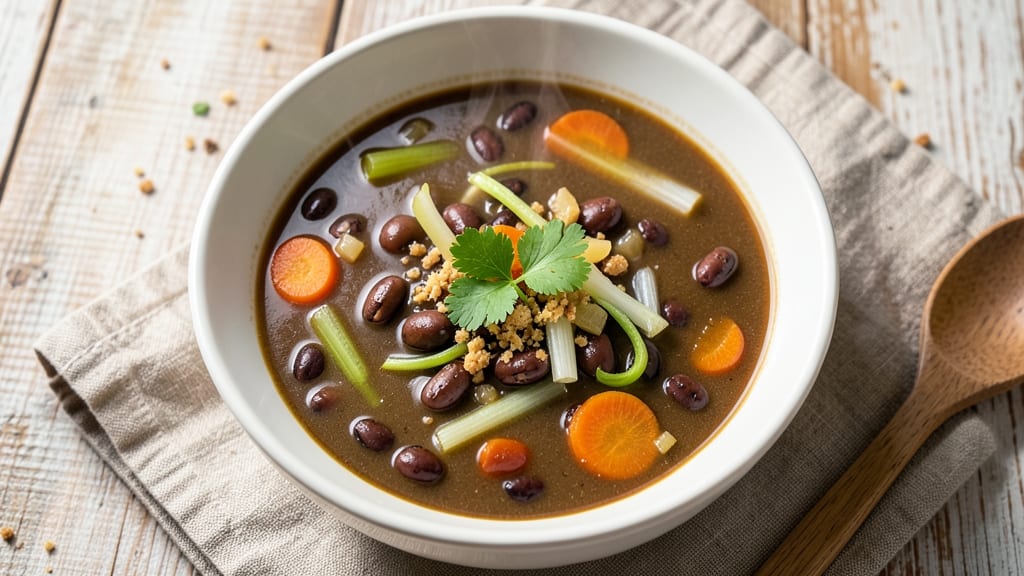
America's Test Kitchen navy bean soup delivers restaurant-quality depth without a blender—just a thick, velvety texture that comes from proper technique. 💛 The secret lies in toasting the beans first (critical for flavor) and building layers of caramelized aromatics before adding broth.
This isn't just another bean soup; it's a hearty, satisfying vegetarian main that rivals meat-based stews in richness and complexity.
The recipe begins with sautéing onions and garlic until deeply golden, then adding celery and carrots for that classic "holy trinity" flavor base. Toasting the dried beans in the pot creates a nutty depth that transforms ordinary navy beans into something extraordinary.
No blending required—just simmering time and proper starch release from the beans themselves.
What you'll end up with is a thick, hearty soup with tender beans and vegetables swimming in a rich, flavorful broth that coats every spoonful. The texture is naturally creamy from the beans' starch, while the aromatics provide layers of savory, slightly sweet complexity.
This is the kind of soup that tastes even better the next day as flavors meld.
Perfect for weeknight dinners, meal prep, or serving at gatherings—it reheats beautifully while maintaining that velvety consistency. The recipe scales easily too, so you can make just enough for two or feed a crowd. Let's get started with this foolproof method that delivers professional results at home.
Ingredients for america's test kitchen navy bean soup
Toasted beans and caramelized aromatics create this restaurant-quality navy bean soup with velvety texture—no blender needed.
| Ingredient | Amount | Notes |
|---|---|---|
| Dried Navy Beans 🌾 | 1 ½ cups | Unsoaked, high-quality variety |
| Yellow Onion 🧅 | 1 whole | Medium size, finely chopped |
| Garlic Cloves 🧄 | 4 cloves | Fresh, minced for aromatics |
| Celery Stalks 🧅 | 3 whole | Medium, finely chopped |
| Carrots 🥕 | 2 whole | Medium, peeled and chopped |
| Vegetable Broth 💧 | 4 cups | Low-sodium, homemade preferred |
| Tomato Paste 🍅 | 2 tbsp | High-quality, no sugar added |
| Bay Leaves 🌿 | 2 whole | Dried, standard size |
| Thyme Sprigs 🌿 | 2 whole | Fresh, or 1 tsp dried |
| Kosher Salt 🧂 | 1 ½ tsp | Diamond Crystal preferred |
| Black Peppercorns 🌶️ | ½ tsp | Freshly cracked |
| Olive Oil 🫒 | ¼ cup | Extra-virgin, for sautéing |
| Fresh Parsley 🌿 | ¼ cup | Chopped, for garnish |
The navy beans are the foundation—dried, not canned, for maximum starch release and that signature creamy texture. Bob's Red Mill or Whole Foods bulk bins offer the best quality, but any dried navy beans will work if they're labeled as food-grade. Toasting them in the pot is non-negotiable; this step develops nutty depth that transforms ordinary beans into something extraordinary. For the aromatics, yellow onions and celery should be finely chopped—they'll caramelize beautifully, building that complex flavor base America's Test Kitchen perfected. The garlic? Freshly minced right before cooking to preserve its volatile oils.
No vegetable broth on hand? Water plus 1 tbsp tomato paste and 1 tsp soy sauce creates a decent substitute, though homemade broth delivers superior depth. Fresh thyme is ideal, but dried at one-third the amount works in a pinch—just be sure to toast it lightly in the pot first. The tomato paste can be swapped for 1 small can crushed tomatoes if you prefer, though it may slightly alter the texture. For a smokier profile, add a dash of smoked paprika during the simmering stage. And if you're concerned about sodium, reduce the kosher salt to 1 tsp and adjust to taste at the end.
This soup improves dramatically overnight—flavors meld beautifully when reheated. Store in an airtight container for up to 5 days in the fridge, or freeze portions for up to 3 months (it reheats splendidly). For meal prep, double the batch and freeze half immediately. The parsley garnish is optional but adds freshness—store fresh parsley wrapped in damp paper towels for up to 5 days in the fridge. The beans will soften further when reheated, so aim for slightly undercooked texture when first serving.
Why You'll Love This Recipe
- Umami Bomb: Between us, that deep, savory punch from the slow-cooked beans and caramelized onions? It’s the kind of flavor that makes you want to take a second bowl. The garlic and thyme (yes, it’s in there) build layers—earthy, warm, and just a little smoky—without tasting like you tried too hard.
- Weeknight to Potluck: Serve it in mugs for a cozy night in or ladle it into a big bowl for game day. Add a sprinkle of parsley and crusty bread, and suddenly you’ve got a crowd-pleaser that doesn’t scream “I spent all day cooking.” Honestly, my in-laws think I’m a soup genius now.
- Budget Meal That Lasts: A pound of dried beans and a few veggies stretch to feed four (or five if someone’s hungry). The leftovers? Even better the next day—if you can resist eating the whole pot fresh. And since everything’s pantry staples, you’re not breaking the bank for a meal that actually fills you up.
Step-by-step instructions for america's Test Kitchen navy bean soup
Here's the precise method for a rich, velvety navy bean soup with natural thickness—no blender required.
🔥 Step 1: Sauté the Aromatic Vegetables
Heat the 0.25 cup olive oil in a large Dutch oven over medium heat. Add the finely chopped yellow onion, finely chopped celery stalks, and peeled and chopped carrots. Cook for 8-10 minutes until the vegetables soften and the onion becomes translucent.
This foundational step builds flavor through caramelization. Stir occasionally to prevent browning, but don't rush—properly cooked vegetables form the soup's backbone. The vegetables should yield slightly when pressed with a wooden spoon, indicating they're ready for the next phase.
👨🍳 Step 2: Add Garlic and Tomato Paste
Push the vegetables to one side of the pot and add the minced garlic cloves to the empty space. Sauté for 30 seconds until fragrant—garlic should smell pungent but not burn. Stir well to distribute the garlic throughout the vegetables.
Add the 2 tbsp tomato paste and cook for another 1 minute, stirring constantly. This step develops the soup's deep, savory foundation. The tomato paste will darken slightly, which indicates it's releasing its concentrated flavors into the vegetables. Don't skip this step—it's what gives the soup its characteristic richness.
🍳 Step 3: Simmer with Broth and Seasonings
Pour in the 4 cups vegetable broth, scraping up any browned bits from the bottom of the pot. Add the 1.5 cups dried navy beans, 2 whole bay leaves, 2 whole thyme sprigs, 1.5 tsp kosher salt, and 0.5 tsp freshly cracked black peppercorns. Bring to a boil over high heat.
Once boiling, reduce heat to low and cover partially. Simmer for 1 hour to 1 hour 15 minutes until the beans are tender but not mushy. The soup should have a thick, creamy texture from the broken-down beans—no blending needed. Stir occasionally to prevent sticking, and add water if the soup becomes too thick.
⏰ Step 4: Adjust Seasoning and Finish
Remove the bay leaves and thyme sprigs from the soup. Taste and adjust seasoning with additional kosher salt or black peppercorns as needed. The soup should be richly seasoned but not overly salty—navy beans absorb a lot of flavor.
Return the soup to a gentle simmer and let it cook uncovered for an additional 5-10 minutes to allow excess moisture to evaporate. This final reduction concentrates the flavors and gives the soup its characteristic thick, hearty texture. The surface should have a slight skin or sheen, indicating proper reduction.
🍽️ Step 5: Serve with Fresh Parsley
Ladle the soup into bowls and garnish each serving with chopped fresh parsley. The parsley adds a bright, fresh contrast to the rich, earthy flavors of the soup. Serve immediately while hot, as the texture and flavors are at their peak when fresh from the pot.
For best results, let the soup sit for 10 minutes before serving to allow the flavors to meld further. The beans should be tender but still hold their shape, and the broth should coat the back of a spoon with a velvety consistency. Each spoonful should deliver a perfect balance of savory, herby, and slightly sweet notes.
Pro Tips For Making America'S Test Kitchen Navy Bean Soup
- SOAK BEANS OVERNIGHT: I learned this the hard way—skipping the overnight soak leaves your beans tougher and gummier, no matter how long you simmer. Cover them in cold water (about 4 cups per pound) and let them sit for 12+ hours; the longer, the better. (Yes, even if you're impatient like me.)
- SWEAT VEGETABLES LOW: The recipe says to sauté, but I burn the onions every time. Instead, cook them over medium-low heat with a splash of water—just enough to keep them moving and prevent browning. You want soft, translucent onions, not crispy bits at the bottom.
- SKIP THE CROWDED POT: If you’re using a standard pot, don’t fill it more than halfway with beans and broth. Crowding forces the beans to fight for heat, leading to uneven cooking and a gummy texture. Better to simmer in batches if needed—your future self will thank you.
- BLOOM THE HERBS FIRST: Toss the thyme, bay leaves, and peppercorns into the pot before adding the broth. Let them steep for 30 seconds while the pot heats up—this extracts their flavor way better than just tossing them in later. (Your soup will taste deeper, I promise.)
Flavor customization for these flavors
Spicy Kick
Add 1 tsp smoked paprika and ½ tsp cayenne pepper when sautéing the aromatics for a smoky, spicy depth. For extra heat, stir in 1 tbsp hot sauce (like Tabasco) during the final simmer.
I like to finish with a sprinkle of crushed red pepper flakes—just ¼ tsp per serving—to let everyone customize their heat level. 🌶️
Herb Variations
Swap thyme for 1 sprig rosemary and 1 sprig sage for an earthy, piney profile that pairs beautifully with the beans. Or try 1 tsp dried oregano for a Mediterranean twist.
Fresh herbs like cilantro or dill work well as garnishes too—just add them at the end to preserve their bright flavors.
Smoky Depth
For a smoky flavor without liquid smoke, add 1 chipotle pepper in adobo sauce (minced) when sautéing the aromatics. Alternatively, use ½ tsp chipotle powder mixed with the tomato paste.
This adds a subtle, complex smokiness that complements the beans perfectly. I often pair this with a drizzle of avocado oil for extra richness.
Creamy Twist
Stir in ½ cup coconut milk during the final 5 minutes of simmering for a naturally creamy texture. Or add ¼ cup mashed white beans (like cannellini) for extra thickness and a neutral flavor boost. Both options enhance the soup's velvety mouthfeel without overpowering the navy beans' natural taste.
Umami Boost
Enhance the soup's depth with 1 tbsp soy sauce or 1 tsp fish sauce (vegetarian-friendly) when adding the broth. For a richer flavor, stir in 1 tbsp nutritional yeast at the end—it adds a cheesy, savory note that pairs wonderfully with the beans.
I also love adding ½ cup finely chopped mushrooms (like shiitake) when sautéing the aromatics for extra umami.
Sweet-Savory Balance
Add 1 tsp honey or maple syrup during the final simmer to balance the soup's earthiness with subtle sweetness. Or caramelize ½ cup diced apples with the onions for a fruity contrast. The sweetness enhances the beans' natural nuttiness while keeping the soup's savory profile intact. 🍯
Nutrition facts
Frequently asked questions
Why do I need to toast the dried beans before cooking?
Toasting the beans in the pot develops their natural nutty flavors and creates a deeper, more complex taste profile. This step is critical for achieving that signature restaurant-quality depth without any meat substitutes. The beans should turn a rich golden color and smell toasty—this is what transforms ordinary navy beans into something extraordinary.
Can I use canned beans instead of dried for this recipe?
Not recommended! The recipe relies on dried beans for their natural starch release, which creates the signature velvety texture without blending. Canned beans won't provide the same thickness or flavor development. If you're short on time, you could use pre-soaked dried beans (soak overnight), but they won't toast as effectively. The 1 hour simmer time is essential for proper texture.
How do I know when the beans are perfectly cooked?
The beans should be tender but still hold their shape—think creamy yet distinct rather than mushy. Press a bean with a spoon: it should yield slightly but not fall apart. The soup should naturally thicken as the beans break down, creating that rich, velvety consistency. If it's too thin, simmer uncovered for 5-10 extra minutes to reduce.
Can I make this soup in a slow cooker?
Yes! Add all ingredients (except parsley) to your slow cooker and cook on low for 6-7 hours or high for 3-4 hours. The beans may absorb more liquid, so add ½ cup water halfway through if needed. The texture will be slightly thinner, but still delicious. For extra depth, toast the beans in a dry skillet before adding them to the slow cooker.
What's the best way to reheat leftovers?
Reheat gently on the stovetop over medium-low heat, stirring occasionally, until steaming hot. Avoid microwaving as it can make the texture uneven. For best results, reheat only what you'll serve immediately. The soup actually tastes better the next day as flavors meld further—just add a splash of water if it thickens too much.