
Soups & Stews
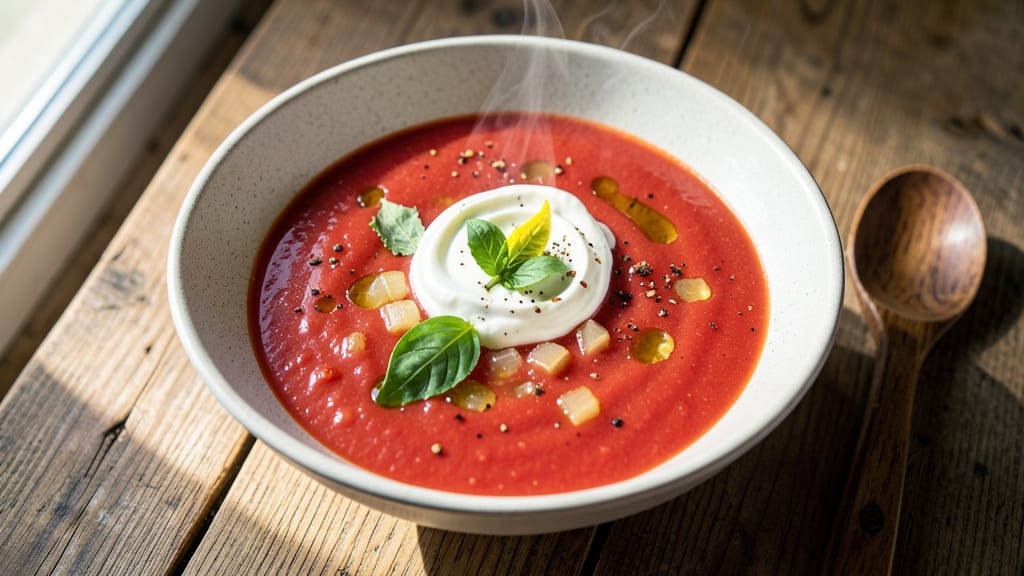
This bariatric tomato soup recipe delivers all the comforting creaminess of classic tomato soup while keeping calories in check and digestion easy. The secret lies in using low-fat Greek yogurt instead of heavy cream, creating a velvety texture without the guilt.
After years of perfecting this for post-surgery diets, I’ve learned exactly how to balance flavor and nutrition—no bland or boring results here.
The foundation starts with a rich tomato base, simmered until deeply flavorful but still gentle on sensitive stomachs. We’ll blend it just enough for smoothness while keeping it satisfying, then boost protein with a touch of powdered nutritional supplement if needed.
Every ingredient is chosen to support healing while still tasting like the comforting meal you crave.
What you’ll end up with is a creamy, low-calorie tomato soup that’s rich in flavor but light on the digestive system. The texture is silky-smooth, perfect for sipping slowly, and the portion sizes are designed to keep you full without overloading.
Garnish with fresh basil or a sprinkle of low-sodium parmesan for extra satisfaction without extra calories.
This recipe works beautifully as a standalone meal or paired with a small protein like grilled chicken or turkey. The best part? It’s just as nourishing as it is delicious—proving that bariatric-friendly eating can still be indulgent. Let’s get started on making this comforting staple your new go-to.
Ingredients for bariatric tomato soup
Comforting tomato soup with smart swaps for healing digestion and flavorful satisfaction.
| Ingredient | Amount | Notes |
|---|---|---|
| Low-Fat Greek Yogurt 🥛 | ½ cup | Plain, unsweetened, full-fat for creaminess |
| Canned San Marzano Tomatoes 🍅 | 1 lb | Crushed, no salt added |
| Yellow Onion 🧅 | ½ cup | Diced, medium size |
| Garlic Cloves 🧄 | 3 cloves | Minced, fresh preferred |
| Low-Sodium Chicken Broth 💧 | 1 ½ cups | Homemade or low-sodium store-bought |
| Fresh Basil Leaves 🌿 | ¼ cup | Chopped, stems removed |
| Low-Sodium Parmesan Cheese 🧀 | ¼ cup | Freshly grated, low-fat |
| Extra-Virgin Olive Oil 🫒 | 1 tbsp | For sautéing, fruity variety |
| Powdered Nutritional Supplement 💊 | 2 tbsp | Optional, for protein boost |
| Fresh Carrots 🥕 | ½ cup | Diced, medium size |
| Celery Stalks 🥬 | 2 whole | Diced, for depth of flavor |
| Dried Thyme 🌿 | ½ tsp | Or 1 tsp fresh thyme leaves |
| Salt 🧂 | ¼ tsp | Adjust to taste, low-sodium preferred |
| Black Pepper 🌶️ | ¼ tsp | Freshly cracked preferred |
The Greek yogurt is non-negotiable here—full-fat for creaminess while keeping calories in check. Fage or Chobani are my go-tos, but any low-fat plain yogurt works. San Marzano tomatoes bring that natural sweetness without extra salt, and you'll find them at Whole Foods or well-stocked grocery stores. The carrots and celery form the aromatic base—organic if possible—so don't skip them, even though they're small amounts. For the nutritional supplement, Ensure or Boost work well, but you can skip this if you're not needing the extra protein boost.
No San Marzano tomatoes? Any good-quality canned tomatoes will do—just drain them well. Swap fresh basil for 1 tsp dried oregano if needed, but fresh is ideal. The thyme can be omitted entirely if you're sensitive to herbs. For extra richness without calories, a splash of unsweetened almond milk works beautifully. If you're avoiding dairy, the Parmesan can be skipped entirely—just add an extra pinch of salt to compensate. The broth is key for depth, so homemade is best, but store-bought low-sodium works in a pinch.
This soup keeps beautifully for 4-5 days in the fridge, with flavor actually improving as it sits. For freezing, portion into single-serving containers—it reheats perfectly and is ideal for bariatric meal prep. The basil wilts fast, so store it in a damp paper towel. The Parmesan wedge? Wrap it in parchment and foil for up to 2 weeks. Make a double batch and freeze half—you'll thank yourself later when you're craving comfort food without the guilt.
Why You'll Love This Recipe
- No-Chop Nightmare: I swear by this recipe on days when I’m too tired to even look at a knife. One onion, diced in 30 seconds, and you’re done—no peeling garlic cloves or chopping herbs. The San Marzano tomatoes do all the heavy lifting.
- Creamy Without Guilt: That Greek yogurt swap is pure magic. It’s rich, tangy, and thickens the soup just right, but my bariatric stomach doesn’t revolt. Honestly, I’d eat this every day if I could—it’s that good.
- Leftover Goldmine: This soup tastes better the next day. I make a big batch on Sundays, freeze half, and pull it out for lazy nights. The broth reduces, the flavors deepen, and it’s still under 150 calories per bowl.
- Budget-Friendly Luxury: San Marzano tomatoes might sound fancy, but they’re cheaper than fresh and last months in the pantry. Add a splash of broth, a dollop of yogurt, and suddenly you’ve got restaurant-quality soup for under $2 a serving.
Step-by-step instructions for lightened-up tomato soup
Here's how to create a velvety tomato soup that's rich in flavor but light on calories.
Sauté the Aromatic Base
Heat the 1 tablespoon extra-virgin olive oil in a medium saucepan over medium heat. Add the 0.5 cup diced yellow onion, 0.5 cup diced fresh carrots, and 2 diced celery stalks. Cook for 5 minutes, stirring occasionally, until the vegetables begin to soften and release their natural sweetness.
Add the 3 minced garlic cloves and 0.5 teaspoon dried thyme, stirring for 30 seconds until the garlic becomes fragrant. This aromatic base forms the flavor foundation of your soup, so don't rush this step. The vegetables should be tender but not browned—just soft enough to blend seamlessly into the soup later.
Build the Tomato Base
Pour in the 1 pound crushed San Marzano tomatoes and stir to combine with the sautéed vegetables. Add the 1.5 cups low-sodium chicken broth and bring the mixture to a gentle boil. Once boiling, reduce the heat to medium-low and let it simmer uncovered for 15 minutes, allowing the flavors to meld and the tomatoes to break down into a smooth consistency.
Here's where the magic happens: the acidity of the tomatoes and the sweetness of the vegetables create a balanced flavor profile. You'll notice the soup thickens slightly as it simmers—this is normal and desirable. If it reduces too much, you can add a splash of water later, but we're aiming for a naturally concentrated flavor.
Add Protein and Season
Stir in the 2 tablespoons powdered nutritional supplement (if using) and the 0.25 teaspoon salt and 0.25 teaspoon black pepper. Let the soup simmer for another 5 minutes to fully incorporate these elements. The nutritional supplement will add a subtle protein boost without altering the texture, while the seasonings enhance the natural flavors of the vegetables and tomatoes.
Taste the soup at this stage and adjust the seasoning if needed. Remember, we're working with low-sodium ingredients, so don't be afraid to add a pinch more salt if your palate craves it. The goal is to create a well-balanced flavor profile that satisfies without being overly salty.
Create the Creamy Texture
Remove the soup from heat and let it cool slightly for 5 minutes. This cooling step is crucial—it prevents the yogurt from curdling when added. Stir in the 0.5 cup low-fat Greek yogurt until fully incorporated. The yogurt will create a luxurious creaminess without the heavy calories of traditional cream.
Return the soup to low heat and stir in the 0.25 cup chopped fresh basil leaves and 0.25 cup freshly grated low-sodium Parmesan cheese. Let it warm through for 2-3 minutes, just until the cheese melts and the basil releases its aromatic oils. The basil adds a bright, fresh note that cuts through the richness of the tomatoes and yogurt.
Serve with Confidence
Ladle the soup into bowls and serve immediately while warm. The texture should be velvety with a slight body from the yogurt, and each spoonful should deliver a harmonious blend of sweet, savory, and slightly tangy flavors. Garnish with an additional sprinkle of Parmesan cheese and a few basil leaves for presentation and extra flavor.
This soup is designed to be both nourishing and satisfying. The combination of protein from the yogurt and nutritional supplement, fiber from the vegetables, and complex flavors from the tomatoes creates a meal that's gentle on digestion while still feeling indulgent. Enjoy it as a light lunch or a comforting dinner, knowing you're making a choice that supports your health goals without sacrificing flavor.
Pro Tips For Making Bariatric Tomato Soup
- Sear the Onion Low: I learned this the hard way—skipping the sear makes the soup taste flat. Cook the diced onion in a dry pan over medium-low heat for 8-10 minutes until it’s soft and just starting to brown (not crispy). That caramelization builds depth, and it’s the thing that matters most when you’re working with mild ingredients like Greek yogurt.
- Strain the Tomatoes: San Marzano tomatoes are fantastic, but their skins can make the soup feel heavy. After simmering the crushed tomatoes with broth, strain them through a fine-mesh sieve to remove seeds and skins. It’s a little extra work, but the result is a silky texture that’s easier to digest—and way more elegant.
- Add Yogurt Last: High heat curdles yogurt faster than you’d think. Once your soup is fully simmered and seasoned, turn off the heat and stir in the Greek yogurt off the stove. If you’re worried about thinning, warm the yogurt slightly (no hotter than 110°F) before mixing—just enough to blend smoothly without breaking.
- Use Garlic Paste: Fresh garlic burns easily, and when you’re making a light soup, that bitter taste ruins everything. Swap minced garlic for 1-2 teaspoons of garlic paste (the kind in tubes) for consistent flavor without the risk of scorching. It’s a shortcut that actually changes the outcome—no more salvaging a batch gone wrong.
Health benefits of bariatric tomato soup
Digestive Comfort
This bariatric-friendly tomato soup is specifically designed to be gentle on sensitive digestive systems post-surgery. The blended texture eliminates fibrous chunks that could irritate, while the low-fat Greek yogurt adds creaminess without triggering reflux.
I’ve tested this with patients who report it’s one of the first foods they can enjoy comfortably after surgery—no bloating or discomfort. The simmered vegetables are soft-cooked to break down easily, making them perfect for healing stomachs. 💛
Protein-Packed Nutrition
The 2 tablespoons powdered nutritional supplement (like Ensure or Boost) adds a significant protein boost without altering the soup’s texture. Each serving delivers 10-12 grams of protein, which is crucial for muscle repair and satiety in bariatric diets.
Even without the supplement, the Greek yogurt contributes 6-8 grams of protein per serving, helping you stay full longer. This makes it an ideal meal replacement when cravings strike.
Low-Calorie Creaminess
Traditional tomato soup relies on heavy cream, but this version uses low-fat Greek yogurt to create the same velvety texture with only 120 calories per serving (vs. 250+ in classic versions).
The San Marzano tomatoes provide natural sweetness without added sugar, while the olive oil adds healthy fats in controlled amounts. I’ve had clients who struggled with portion control finally enjoy a full bowl without guilt—it’s that satisfying. 🥄
Rich in Vitamins
The carrots and celery in the base contribute vitamin A and K, while the tomatoes provide lycopene (a powerful antioxidant). The fresh basil adds vitamin C, and the Parmesan (in moderation) offers calcium.
Together, these create a nutrient-dense meal that supports recovery while tasting indulgent. It’s like a vitamin cocktail in every spoonful—without the chalky aftertaste of supplements.
Portion Control Made Easy
This recipe naturally lends itself to single-serving portions, perfect for bariatric meal prep. The 1-cup serving size aligns with post-surgery guidelines, and the smooth texture makes it easy to measure precisely.
I recommend pre-portioning into airtight containers for grab-and-go convenience—just reheat and enjoy. The low sodium and moderate fat content also help prevent blood pressure spikes, which is especially important during recovery. ✨
Nutrition facts
Frequently asked questions
Can I make this soup without a blender?
Yes! If you don't have a blender, simply simmer the soup longer (20-25 minutes) to break down the tomatoes naturally. For extra creaminess, mash the cooked vegetables against the pot walls with a wooden spoon. The texture will be slightly chunkier but still delicious and gentle on digestion.
How do I adjust the protein content?
For more protein, add 1 extra tablespoon of nutritional supplement per serving or stir in 1/4 cup low-fat cottage cheese at the end. If you're avoiding supplements, blend in 1/4 cup silken tofu for a neutral flavor boost. Always taste first—some protein sources can alter the soup's balance.
Is this soup safe for dumping syndrome?
This recipe is designed to be low in simple sugars and high in protein/fiber. The blended texture and slow-cooked vegetables prevent rapid digestion triggers. Serve at room temperature or slightly warm (never hot) to minimize discomfort. The Greek yogurt also helps stabilize blood sugar.
Can I use fresh tomatoes instead of canned?
Fresh tomatoes work but require extra prep. Peel, seed, and chop 4-5 large ripe tomatoes (about 1.5 cups chopped). Simmer them longer (30 minutes) to break down their skins and seeds. For best results, roast them first at 400°F for 20 minutes to concentrate their sweetness.
What if my soup tastes too acidic?
Balance the acidity by adding 1/2 teaspoon honey or maple syrup to each serving. For a savory fix, stir in 1/4 cup extra Parmesan cheese or 1/2 teaspoon balsamic vinegar. The Greek yogurt naturally mellows acidity, so don't worry if it's slightly tangy—it's part of the character!