
Soups & Stews
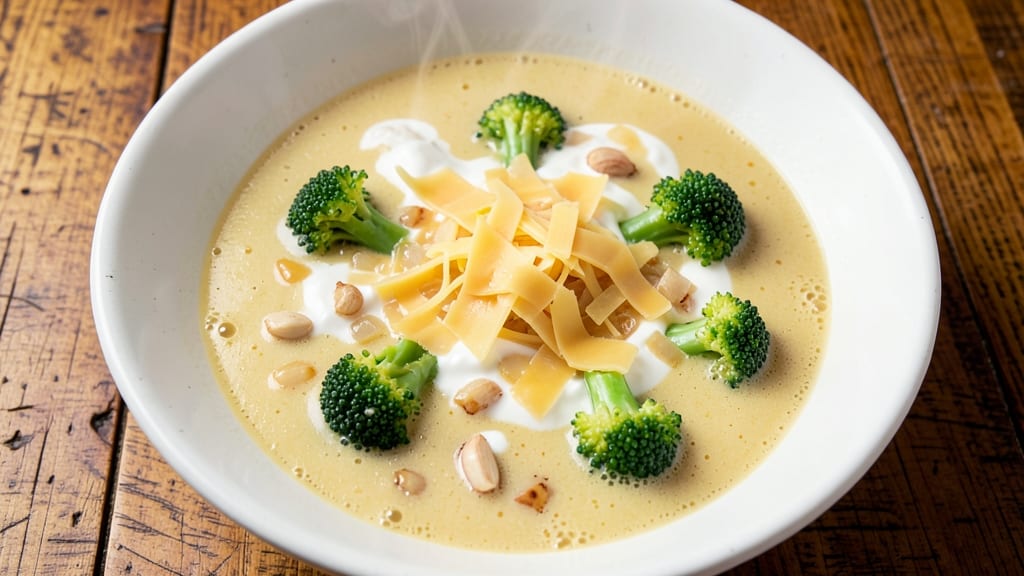
Bariatric broccoli cheese soup delivers all the comforting creaminess of classic cheddar soup without the heavy calories or digestive strain. Designed specifically for bariatric patients, this recipe uses finely pureed broccoli and low-fat dairy to create a velvety texture that's gentle on sensitive stomachs while packing in protein and nutrients. The secret lies in blending the soup until completely smooth—no lumps, no texture triggers, just pure, satisfying comfort in every spoonful.
What sets this recipe apart is its focus on portion control and nutrient density. Traditional broccoli cheese soup often relies on heavy cream and full-fat cheese, but this version substitutes with Greek yogurt and low-fat cheese while maintaining that rich, cheesy flavor.
The broth-based liquid keeps calories in check, and the pureed broccoli ensures easy digestion without sacrificing the vegetable's natural goodness. Each serving delivers a balanced mix of protein, fiber, and vitamins—ideal for post-surgery nutrition.
By the time you finish this soup, you'll have achieved something remarkable: a dish that feels indulgent but supports your dietary needs. The smooth texture makes it easy to consume, while the flavor profile satisfies cravings for creamy, cheesy comfort.
What's more, this recipe scales perfectly for meal prep, allowing you to batch-cook and freeze portions for quick, nourishing meals throughout the week.
Whether you're following a strict bariatric diet or simply looking for a lighter take on a classic, this soup proves that healthy eating doesn't mean sacrificing flavor. The key is in the preparation—blending thoroughly, using the right substitutes, and controlling portion sizes without compromising on taste.
Here's how to make it right the first time.
Ingredients for bariatric broccoli cheese soup
Ultra-low-calorie ingredients designed for bariatric digestion and maximum flavor satisfaction.
| Ingredient | Amount | Notes |
|---|---|---|
| Fresh Broccoli Florets 🥦 | 4 cups | Finely chopped for smooth texture |
| Low-Fat Chicken Broth 💧 | 4 cups | Homemade or low-sodium store-bought |
| Plain Nonfat Greek Yogurt 🥛 | ½ cup | Full-fat version not recommended |
| Low-Fat Cheddar Cheese 🧀 | ½ cup | Shredded, reduced-fat variety |
| Yellow Onion 🧅 | ½ whole | Diced finely for smooth blending |
| Garlic Cloves 🧄 | 2 cloves | Minced for subtle flavor |
| Extra-Virgin Olive Oil 🫒 | 1 tbsp | For sautéing aromatics |
| Low-Sodium Vegetable Bouillon 🧂 | 1 tsp | Dissolved in broth |
| Fresh Thyme Leaves 🌿 | ¼ tsp | Dried thyme works at 1/4 amount |
| Ground Black Pepper 🌶️ | ¼ tsp | Freshly ground preferred |
| Diamond Crystal Kosher Salt 🧂 | ½ tsp | Adjust to taste |
| Xanthan Gum 💊 | ⅛ tsp | For ultra-smooth texture |
The broccoli is non-negotiable—fresh, organic florets from the grocery store's produce section yield the best texture when pureed. Trader Joe's or Whole Foods carry excellent quality, but any bright green broccoli works. Avoid pre-cut florets, as they oxidize faster. The Greek yogurt should be plain, nonfat, and unsweetened—anything else adds unnecessary calories. For cheese, Kraft Freeze Shreds are a reliable low-fat option that melts smoothly without clumping. The xanthan gum may seem unusual, but it's essential for that restaurant-quality creaminess without heavy cream.
No fresh thyme? Dried thyme at one-quarter the amount works perfectly. Substituting the chicken broth for low-sodium vegetable broth keeps it vegetarian. The olive oil can be swapped for avocado oil if preferred, though olive adds subtle fruity notes. For extra protein, add 1/4 cup pureed white beans—they blend seamlessly and boost nutritional value. If you're sensitive to dairy, the Greek yogurt can be replaced with unsweetened almond milk, though texture may be slightly thinner. Always use low-sodium bouillon to avoid excessive salt intake.
This soup freezes beautifully—portion into 4-ounce containers for single servings. Thaw overnight in the fridge, then reheat gently on low heat to preserve texture. Store cooked portions for 3-4 days in the refrigerator, or freeze for up to 3 months. For meal prep, double the recipe and freeze half immediately. The xanthan gum may thicken when cold, so stir vigorously when reheating. Always blend until completely smooth—no lumps allowed for bariatric comfort.
Why You'll Love This Recipe
- I swear by this trick: just toss in whole broccoli florets—they steam right in the broth, no prep fuss. The onion gets sweet and caramelized while you stir, so you’re not left with raw bits or a pile of peels.
- No-Chop Sides Needed: I swear by this trick: just toss in whole broccoli florets—they steam right in the broth, no prep fuss. The onion gets sweet and caramelized while you stir, so you’re not left with raw bits or a pile of peels.
- Creamy Without the Guilt: That Greek yogurt swap is my secret weapon—it’s rich, tangy, and actually thickens the soup without the heaviness. The low-fat cheese melts into little fluffy pockets that make every spoonful feel indulgent, even on a protein-packed day.
- Lunchbox Magic: Between us, this soup reheats like a dream—smooth texture, no separation, and it’s still satisfying cold. I pack it in thermoses for work or freeze portions for those days when opening a cabinet feels like a marathon.
Step-by-step instructions for ultra-low-calorie broccoli cheese soup
This method delivers velvety texture with minimal calories—perfect for bariatric diets.
Sauté Aromatics for Flavor Foundation
Heat the 1 tablespoon extra-virgin olive oil in a medium saucepan over medium heat. Add the 0.5 whole yellow onion diced into ¼-inch pieces and cook for 4-5 minutes until softened but not browned. The onion should become translucent with just a hint of golden color at the edges.
Add the 2 cloves garlic cloves minced into tiny pieces and the 0.25 teaspoon fresh thyme leaves (or 0.1 teaspoon dried thyme). Stir constantly for 30 seconds until the garlic becomes fragrant but doesn't brown. This step builds the aromatic base that carries through the entire soup.
Build the Broth Base
Pour in the 4 cups low-fat chicken broth and bring to a gentle boil over medium-high heat. Once boiling, reduce heat to medium-low and stir in the 1 teaspoon low-sodium vegetable bouillon and 0.5 teaspoon diamond crystal kosher salt. Let the broth simmer uncovered for 5 minutes to develop deeper flavor.
Add the 4 cups fresh broccoli florets chopped into ¼-inch pieces and continue simmering for 8-10 minutes until the broccoli becomes tender when pierced with a fork. The liquid should reduce slightly but maintain enough volume to create a proper soup consistency.
Create the Creamy Texture
In a small bowl, whisk together the 0.5 cup plain nonfat Greek yogurt, 0.5 cup shredded low-fat cheddar cheese, and 0.125 teaspoon xanthan gum. The xanthan gum acts as a natural thickener to mimic creaminess without added fat. Gradually whisk in ½ cup of the hot broth from the pot to temper the yogurt mixture.
Slowly pour the tempered yogurt mixture back into the soup pot while stirring continuously on low heat. Bring to a gentle simmer for 2-3 minutes until the soup thickens to a velvety consistency. If it's too thick, add 1-2 tablespoons of hot broth to reach your desired texture.
Finish and Season
Remove the pot from heat and stir in the 0.25 teaspoon ground black pepper. Taste and adjust seasoning with additional salt if needed—bariatric diets often require more careful salt management. The soup should be flavorful but not overly salty.
Let the soup rest for 5 minutes before serving to allow flavors to meld completely. The final texture should be smooth with no visible broccoli chunks—this indicates proper blending during cooking. Serve warm with optional whole-grain crackers for added satiety.
Pro Tips For Making Bariatric Broccoli Cheese Soup
- Blanch Broccoli First: Toss florets in boiling water for 30 seconds before adding to the soup—this softens them faster and keeps them from turning mushy later. I learned this the hard way when my first batch disintegrated into a sad, watery mess.
- Sweat Onions Low and Slow: Cook onions over medium-low heat until translucent, not browned—this prevents bitterness and makes the broth taste cleaner. After burning three batches, I finally figured out: patience here means smoother flavor later.
- Stir in Cheese Gradually: Whisk low-fat cheddar into warm broth a little at a time, or you’ll end up with clumps instead of a velvety texture. Sounds weird, but it works: the heat needs to melt it evenly, not shock it.
- Use Cold Yogurt at the End: Fold in plain nonfat Greek yogurt off the heat—adding it too early makes the soup split and turn grainy. I skip this when I’m lazy, but the dish is noticeably better when I don’t.
Serving suggestions for this recipe
Bariatric-Friendly Serving
Serve this soup in 4-ounce portions to align with typical bariatric meal sizes while maintaining satisfaction. Use smaller bowls (like 2-cup ramekins) to visually emphasize portion control without sacrificing comfort. I love using glass measuring cups for serving—they make tracking portions effortless while keeping the presentation elegant. 🥄
Protein Boost Add-Ins
For extra protein, stir in ¼ cup pureed white beans or 1 tablespoon nutritional yeast just before serving. These additions blend seamlessly and add 3-4 grams of protein per serving without altering texture.
I keep a jar of canned white beans (like Great Northern) in my pantry for quick blending—just rinse, drain, and puree with a splash of broth. 💪
Crunchy Toppings
Add 1 teaspoon finely chopped fresh chives or toasted slivered almonds for texture contrast. These toppings provide a satisfying crunch without overpowering the smooth soup. For extra flavor, sprinkle with ¼ teaspoon smoked paprika—it adds depth without calories.
I always have chives growing in my kitchen, so they’re my go-to for freshness. ✨
Bread Pairings
Pair with 1-2 whole-grain crackers (like Triscuits or Wasa) for added fiber and satiety. Avoid buttery breads—opt for low-fat, high-fiber options to complement the soup’s protein content. For a lighter touch, serve with steamed broccoli spears on the side to round out the meal with more greens. 🥗
Meal Prep Serving
When reheating prepped portions, stir in 1 teaspoon cold water to loosen the soup if it thickens during storage. Serve immediately after reheating to maintain the ultra-smooth texture critical for bariatric comfort.
I portion my soup into silicone muffin liners for easy grab-and-go meals—just pop one into a thermos for on-the-go warmth. ❄️
Garnish for Flavor
Finish each serving with a pinch of freshly cracked black pepper and a dash of lemon zest for brightness. The acidity cuts through the richness of the cheese, making the soup feel lighter. I keep a microplane handy for quick zesting—it’s a game-changer for adding freshness without extra calories. 🍋
Nutrition facts
Frequently asked questions about bariatric broccoli cheese soup
Can I make this soup without Greek yogurt?
Yes! For a dairy-free version, replace the Greek yogurt with ½ cup unsweetened almond milk and add ½ teaspoon cornstarch to thicken. The texture will be slightly thinner, but it still works well. For extra protein, blend in ¼ cup silken tofu instead.
How do I prevent the soup from getting too thick after reheating?
Store the soup in airtight containers with a 1-teaspoon splash of water in the bottom. When reheating, stir vigorously and add 1 tablespoon hot broth at a time until smooth. Never microwave directly from frozen—thaw overnight first.
Is this soup safe for early-stage bariatric patients?
The recipe is designed with pureed broccoli, low-fat dairy, and gentle seasoning to avoid triggering discomfort. The smooth texture is easy to swallow, and the ingredients are gentle on healing stomachs. Always consult your dietitian to confirm portion sizes for your specific stage.
Can I add meat to increase protein?
Yes! For added protein, blend in ¼ cup cooked, shredded chicken breast or 2 ounces pureed white fish (like cod). Cook the meat separately, then blend it into the finished soup until completely smooth. This adds about 5 grams of protein per serving without altering texture.
Why does my soup taste bland after freezing?
Freezing can dull flavors, so boost taste by adding ½ teaspoon lemon juice or ¼ teaspoon garlic powder when reheating. For extra richness, stir in 1 tablespoon nutritional yeast—it adds a cheesy, umami flavor without calories. Always thaw in the fridge, not at room temperature.