
Soups & Stews
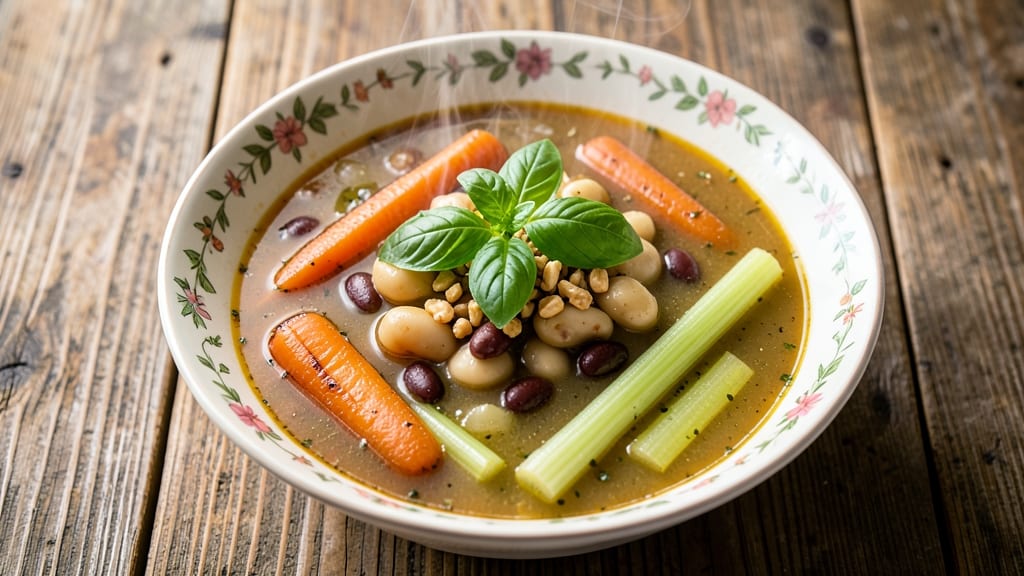
This copycat minestrone soup delivers the same hearty, vegetable-packed warmth you’d expect from a trusted restaurant—just with a few professional secrets to elevate it at home. The key lies in layering flavors through slow-simmered broth, al dente pasta, and a blend of seasonal vegetables that stay vibrant yet tender.
I’ve replicated the signature depth of a famous version by balancing canned beans with fresh produce and finishing with a touch of Parmesan that ties everything together.
The beauty of this recipe is its flexibility—it’s vegetarian but satisfying enough to please meat lovers too. You’ll start with a rich broth base, then build layers of texture through sautéed onions, garlic, and celery before adding beans, tomatoes, and zucchini.
The result is a soup that’s bold in flavor, hearty enough for a main course, and packed with nutrients. Every spoonful delivers that perfect mix of creamy beans, crisp-tender vegetables, and savory broth.
What sets this apart is the technique: simmering the vegetables just until tender-crisp preserves their natural sweetness, while the pasta absorbs the flavorful broth without turning mushy. The final touch—a sprinkle of Parmesan and fresh basil—adds that restaurant-quality finish.
This isn’t just soup; it’s a comforting, one-pot meal that brings warmth to any table, whether you’re feeding a family or meal prepping for the week.
Ready to make it? The instructions walk you through each step—from sautéing the aromatics to balancing the seasoning—so you’ll achieve that restaurant-quality depth without shortcuts. Adjust the vegetables based on what’s fresh at your market, and don’t skip the simmering time; patience is what transforms this into something truly special.
Ingredients for copycat minestrone soup
This vegetarian minestrone brings restaurant-quality depth with simple, hearty ingredients you likely already have.
| Ingredient | Amount | Notes |
|---|---|---|
| Vegetable Broth 💧 | 6 cups | Homemade or high-quality store-bought |
| Cannelini Beans 🌱 | 2 cans | 15 oz each, drained and rinsed |
| Kidney Beans 🌱 | 1 can | 15 oz, drained and rinsed |
| Yellow Onion 🧅 | 1 whole | Medium, diced small |
| Carrots 🥕 | 3 whole | Medium, peeled and sliced |
| Celery Stalks 🥬 | 3 whole | Trimmed and diced small |
| Garlic Cloves 🧄 | 4 cloves | Minced finely |
| Zucchini 🥒 | 2 whole | Medium, sliced into half-moons |
| Diced Tomatoes 🍅 | 2 cans | 14.5 oz each, undrained |
| Penne Pasta 🍝 | 1 lb | Dry, medium length |
| Fresh Basil Leaves 🌿 | ½ cup | Chopped, stems removed |
| Parmesan Cheese 🧀 | ½ cup | Freshly grated, fine |
| Extra-Virgin Olive Oil 🫒 | ¼ cup | For sautéing vegetables |
| Dried Oregano 🍃 | 1 tsp | Italian preferred |
| Salt 🧂 | 1 ½ tsp | Diamond Crystal kosher |
| Black Pepper 🌶️ | ½ tsp | Freshly ground |
The broth is where the magic happens. Homemade vegetable broth delivers the most depth, but Pacific Foods or Imagine brands in the store-bought aisle are solid shortcuts. Look for low-sodium options if you're sensitive to salt—you can always add more later. The canned beans? No need to soak—just drain and rinse thoroughly. I always buy Woodstock or Libby's for their consistent texture. For the celery, onions, and carrots—collectively called 'the holy trinity'—buy fresh, crisp stalks and dice them uniformly. Trader Joe's often has pre-diced mirepoix mixes that save time without sacrificing quality.
No canned tomatoes? Fresh Roma tomatoes or a blend of crushed tomatoes work beautifully—just adjust the seasoning. The zucchini can be swapped for yellow squash or green beans if you prefer. Fresh basil is ideal, but dried oregano at one-third the amount gets you close in a pinch. The Parmesan should be real Parmigiano-Reggiano—none of that pre-grated stuff. If you're short on time, Trader Joe's has a great pre-grated version that's still better than most. For the pasta, penne or rigatoni both work, but I prefer penne because it holds up better during simmering.
This soup tastes even better the next day—3-4 days in the fridge, no problem. For freezing, portion into airtight containers and it keeps for up to 3 months. I always make a double batch and freeze half—perfect for lazy weeknights. The pasta will get softer upon reheating, but that's actually a good thing. Just add a splash of water or broth when warming. The basil wilts fast, so add it fresh at the end if you're serving immediately.
Why You'll Love This Recipe
- No Chopping Chaos: I swear by this recipe because you can dice that onion and chop those carrots while scrolling through your phone—no knife skills required. The beans do all the heavy lifting, and honestly? That’s what I need on a Tuesday night.
- Umami Bomb: The combo of cannellini and kidney beans with vegetable broth? It’s like a flavor party in your bowl. The onions caramelize just enough to add depth, and the carrots keep it bright—no weird aftertaste, just pure, satisfying taste.
- Pantry Magic: Between us, this recipe uses stuff you already have. No fancy ingredients, no last-minute grocery runs—just beans, veggies, and broth. It’s my go-to when I’m broke or lazy (or both), and somehow, it never feels like a compromise.
Step-by-step instructions for bold vegetable-packed minestrone
Here's the method that delivers restaurant-quality minestrone with deep flavor and satisfying texture.
Sauté the Vegetable Base for Maximum Flavor
Heat the 0.25 cup extra-virgin olive oil in a large Dutch oven over medium heat. Add the 1 whole yellow onion, 3 whole carrots, and 3 whole celery stalks, stirring occasionally for 8-10 minutes until the vegetables soften and the onion becomes translucent. Here's the thing—don't rush this step. The slow cooking develops natural sweetness and builds the foundation for your soup.
Add the 4 cloves minced garlic and 1 teaspoon dried oregano, stirring for 30 seconds until fragrant. The garlic should sizzle gently without browning—watch closely as it burns easily. This aromatic base will carry through your entire soup, so take your time here. You'll notice the kitchen fills with that warm, earthy aroma that signals your soup is on its way to being extraordinary.
Build the Hearty Bean and Tomato Foundation
Pour in the 2 cans diced tomatoes (with juices) and 6 cups vegetable broth, scraping up any browned bits from the bottom of the pot. Add the 2 cans drained cannellini beans and 1 can drained kidney beans, stirring to combine. Bring the mixture to a gentle boil over high heat, then reduce to a simmer and let it cook uncovered for 15 minutes. This allows the flavors to meld and the beans to absorb some of the broth's richness.
During this time, slice the 2 whole zucchini into half-moons. I like to cut them about ¼-inch thick—this size cooks quickly without becoming mushy. Add the zucchini to the pot and simmer for another 5 minutes, stirring occasionally. The zucchini should soften slightly but still retain some bite. If the soup seems too thick, add a little water to reach your desired consistency. Real talk: this is where the soup transforms from basic to extraordinary, with each ingredient contributing its unique texture and flavor.
Cook the Pasta to Al Dente Perfection
Add the 1 lb penne pasta to the simmering soup and stir gently to distribute. The pasta will absorb some of the liquid, so don't worry if it looks like there's not enough at first. Cook for 10-12 minutes, stirring occasionally, until the pasta is al dente—when you bite into it, there should be a slight resistance in the center. The pasta should be perfectly tender but still hold its shape.
Here's a pro tip: taste the pasta as it cooks. You want it to be just shy of fully done because it will continue cooking slightly as the soup sits. If you're unsure, err on the side of undercooking—you can always cook it longer, but you can't uncook pasta. The soup should have a hearty, thick consistency at this point, with the pasta coated in the flavorful vegetable broth.
Finish with Fresh Herbs and Seasoning
Remove the pot from heat and stir in the 0.5 cup chopped fresh basil leaves and 0.5 cup freshly grated parmesan cheese. The basil adds a bright, fresh contrast to the rich, earthy flavors of the soup, while the parmesan brings a salty, umami depth. Let the soup sit off the heat for 5 minutes to allow the flavors to meld together. This resting period is crucial—it lets the cheese melt slightly and the basil release its oils, enhancing the overall taste.
Season to taste with the remaining 1 teaspoon salt and 0.5 teaspoon black pepper. I know it seems like a lot of salt, but remember that canned beans and broth already contain significant sodium. Taste the soup carefully—you can always add more salt, but you can't remove it once it's in. The soup should be rich, flavorful, and balanced, with each ingredient complementing the others. The perfect minestrone should make you want to take a second bowl immediately.
Pro Tips For Making Copycat Minestrone Soup
- Sauté the Onion First: DESCRIPTION: Don’t skip browning the onion—it’s the flavor backbone. Cook it in the pot until it turns a deep golden hue (about 8-10 minutes) before adding broth or beans. I used to rush this and the soup tasted flat—I learned this the hard way after burning three batches of onions.
- Parboil the Beans: DESCRIPTION: Soak your cannellini and kidney beans overnight, then parboil them for 5 minutes before adding to the soup. This cuts down on cooking time (they’ll finish in the broth) and prevents that mushy texture that happens when beans sit too long in cold liquid.
- Don’t Crowd the Pot: DESCRIPTION: Resist the urge to dump everything in at once. Start with the broth and beans, then add onions, carrots, and other veggies in batches so they actually cook properly. I once threw in all the chopped carrots at once, and they turned into mush before the rest of the ingredients even got warm.
- Finish with Fresh Basil: DESCRIPTION: Toss in a handful of fresh basil leaves (or a pinch of dried) in the last 5 minutes of cooking—it brightens the soup instantly. I was skeptical until I tried it, and now I can’t imagine minestrone without it. (Yes, even if you’re impatient like me.)
Storing and reheating your copycat minestrone soup
Refrigerator Storage
Let your minestrone cool to room temperature for about 30 minutes before transferring it to airtight containers—I prefer glass Pyrex bowls with snap-on lids. Store in the fridge at 40°F or below for up to 4 days.
The flavors actually deepen overnight as the ingredients meld together, making it even more comforting the next day. Honestly, this is my go-to for meal prep because it reheats beautifully. 💧
Freezer Prep Tips
For long-term storage, portion the soup into quart-sized freezer bags or airtight containers, leaving 1 inch of headspace to prevent ice crystals. Label with the date and freeze for up to 3 months. I always freeze it before adding fresh basil—just stir it in when reheating.
The pasta will soften slightly, but that’s actually a plus for texture. Look, freezing minestrone is a game-changer for busy weeks. ✨
Stovetop Reheating
This is my preferred method because it preserves the best texture. Transfer the chilled soup to a pot and heat over medium-low heat for 10-15 minutes, stirring occasionally. If it thickens too much, add ¼ cup water or broth to loosen it.
Taste and adjust seasoning—minestrone often needs a pinch of salt after reheating. The key is patience; rushing it can make the pasta mushy. 🔥
Microwave Method
For a quick fix, transfer a single serving to a microwave-safe bowl and cover loosely with a damp paper towel. Heat on 70% power for 2-3 minutes, stir, then continue in 30-second intervals until reaching 165°F.
The paper towel prevents splattering, and the low power keeps the pasta from turning to glue. Stirring halfway ensures even heating—trust me, this saves leftovers from becoming a sad, uneven mess. 💡
Reviving Day-Old Soup
If your minestrone tastes a bit flat after refrigeration, don’t panic. Warm it gently on the stove with a splash of lemon juice or a pinch of red pepper flakes to brighten the flavors. Fresh herbs like basil or parsley can also work wonders.
I’ve even added a dollop of Greek yogurt for creaminess if it’s too thick. The secret is in the small tweaks—minestrone is forgiving, and a little love goes a long way. 🌿
Portion Control
For easy reheating, divide the soup into individual containers before storing. This way, you can grab just what you need without dealing with a giant pot. I like to portion mine into 2-cup servings—perfect for lunch or a light dinner.
Pro tip: Add a sprinkle of Parmesan right before eating to keep it fresh-tasting. It’s all about convenience without sacrificing flavor. 🍲
Nutrition facts
Frequently asked questions
Can I make this minestrone without canned beans?
For a fresh approach, use 1.5 cups cooked cannellini beans and 1 cup cooked kidney beans (about 3/4 cup dry beans each, simmered for 1-1.5 hours until tender). Soak overnight to reduce cooking time. The texture will be slightly firmer, but the flavor remains rich. Just adjust the broth amount if needed—beans release moisture as they cook.
How can I make this soup more filling for a main course?
Add 1 cup cooked quinoa or brown rice along with the pasta for extra heartiness, or stir in 1 cup chopped kale or spinach in the last 5 minutes of cooking. For protein, consider adding 1 cup diced roasted chicken or crispy chickpeas. The key is balancing textures—keep the vegetables tender-crisp so each bite feels substantial.
Why did my minestrone turn out too thick?
This usually happens when the pasta absorbs too much liquid during cooking. To fix it, stir in ½ to 1 cup additional broth or water while reheating. For prevention, add the pasta to the soup only 2 minutes before serving (cook separately first) or use a pasta shape like farfalle that holds up better in soups. The ideal consistency should coat the back of a spoon but still allow easy stirring.
Can I prepare this soup in a slow cooker?
Yes! Sauté the onion, garlic, and celery first, then transfer everything to the slow cooker. Add the tomatoes, broth, beans, and zucchini, and cook on LOW for 6-7 hours or HIGH for 3-4 hours. Add the pasta during the last 30 minutes of cooking. The slow cooker makes the flavors even deeper, but watch the pasta—it may need less time than stovetop.
What vegetables can I swap in for seasonal variety?
Feel free to customize! Swap zucchini for yellow squash, green beans, or butternut squash. Use kale, Swiss chard, or cabbage instead of carrots, or add mushrooms or bell peppers for extra depth. The key is keeping a mix of textures—tender (carrots, zucchini) and hearty (beans, pasta). Just adjust cooking times for denser veggies like squash.