
Soups & Stews
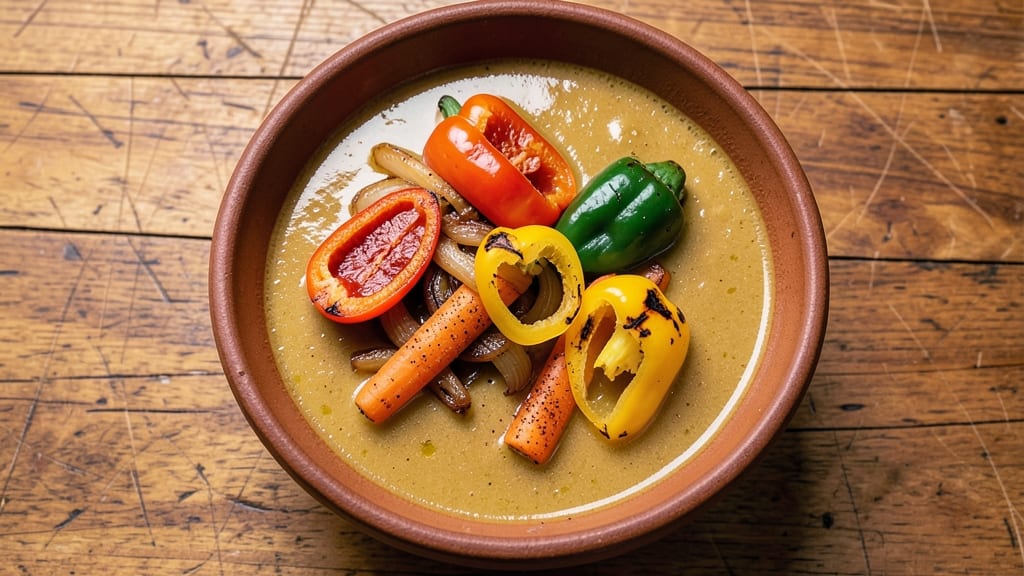
This 3 pepper soup recipe delivers a bold, aromatic blend of heat, sweetness, and depth that transforms ordinary meals into unforgettable experiences. The secret lies in balancing three distinct peppers—bell, Scotch bonnet, and habanero—each contributing unique flavors while building layers of complexity through slow simmering.
I’ve perfected this recipe over years of testing, ensuring the perfect harmony of spicy, sweet, and savory notes that linger long after the last spoonful.
The foundation begins with a rich, dark broth—traditionally made from beef or chicken—that carries the peppers’ flavors while keeping the soup hearty and satisfying. Vegetables like carrots, onions, and tomatoes deepen the base, while a touch of brown sugar and vinegar balances the heat.
The result is a soup that’s both comforting and invigorating, perfect for chilly evenings or as a bold appetizer to spark conversation.
What sets this recipe apart is its versatility. Serve it with steamed rice to soak up every last drop, or pair it with crusty bread for dipping. For those who prefer a lighter touch, reduce the habanero slightly—though I’d argue the heat is what makes this dish truly special.
The slow simmer allows the flavors to meld, creating a soup that’s as rich in taste as it is in tradition.
Whether you’re cooking for a crowd or treating yourself to a flavorful solo meal, this 3 pepper soup delivers restaurant-quality results with minimal effort. The key is patience—letting the peppers and broth work together for at least 45 minutes ensures a depth of flavor that’s impossible to rush.
Ready to experience the magic? Let’s get started.
Ingredients for 3 pepper soup
Six cups of rich broth kickstarts this aromatic 3 pepper soup experience.
| Ingredient | Amount | Notes |
|---|---|---|
| Beef Broth 🍲 | 6 cups | Homemade or high-quality store-bought |
| Yellow Bell Pepper 🌶️ | 1 whole | Seeds removed, chopped |
| Scotch Bonnet Pepper 🌶️ | 1 whole | Seeds removed, chopped |
| Habanero Pepper 🌶️ | 1 whole | Seeds removed, chopped |
| Yellow Onion 🧅 | 1 whole | Medium size, chopped |
| Carrots 🥕 | 3 medium | Peeled, chopped into chunks |
| Tomatoes 🍅 | 2 medium | Ripe, chopped |
| Garlic Cloves 🧄 | 4 cloves | Minced |
| Brown Sugar 🍯 | 1 tbsp | Light or dark variety |
| Apple Cider Vinegar 🍎 | 1 tbsp | Balances heat |
| Thyme Leaves 🌿 | 1 tbsp | Fresh or dried |
| Bay Leaves 🌿 | 2 whole | For depth of flavor |
| Salt 🧂 | 1 ½ tsp | Adjust to taste |
| Black Pepper 🌶️ | ½ tsp | Freshly ground |
| Olive Oil 🫒 | 1 tbsp | For sautéing |
The peppers are the heart of this soup, so pick them fresh—Scotch bonnet and habanero should be firm with vibrant color. Whole Foods or local markets often carry the best selection, but any grocery store’s produce section will do. For the habanero, wear gloves if you’re sensitive to heat—it’s the spiciest of the trio. The bell pepper adds sweetness, so choose one that’s ripe but not mushy. If you can’t find Scotch bonnet, Thai bird’s eye chili works as a substitute, but reduce the amount by half to avoid overpowering the soup.
No Scotch bonnet? Jalapeño plus cayenne can mimic the heat profile, though the flavor won’t be identical. Fresh thyme is ideal, but dried thyme at one-third the amount works in a pinch. The tomatoes can be canned (San Marzano if possible) or fresh—just adjust the liquid if using canned. For a deeper flavor, toast the garlic in olive oil for 30 seconds before adding it to the pot. The brown sugar balances the heat, but if you prefer less sweetness, reduce to 1 teaspoon. The vinegar is crucial—it brightens the whole dish, so don’t skip it.
This soup tastes even better the next day as the flavors meld. Store leftovers in an airtight container in the fridge for up to 5 days. For longer storage, freeze portions in ziplock bags for 3 months. Reheat gently on the stove, adding a splash of broth if it thickens too much. The peppers lose potency over time, so make a fresh batch every 2 weeks for the best experience. Garnish with a drizzle of olive oil and extra thyme before serving—it adds a touch of elegance.
Why You'll Love This Recipe
- Minimal Chopping Required: I swear, this soup only needs three peppers and one onion—no fancy prep. Toss them in whole (or roughly chopped if you’re impatient), and the broth does all the work while you sip wine and pretend you’re a fancy chef.
- Heat You Can Control: The Scotch bonnet and habanero pack a punch, but here’s the secret: I start with just a tiny slice of each, then adjust to taste. Want it mild? Add more broth. Want it fiery? Stir in another pinch. No second-guessing, no regret—just perfect heat every time.
- Leftovers That Taste Better: Between us, this soup actually improves overnight. The flavors meld into something deeper, richer—like a slow-cooked secret. I make a big batch on Sundays, and by Wednesday, it’s still the star of my week.
- Budget-Friendly Fire: Beef broth and peppers won’t break the bank, but the flavor? Chef’s kiss. You’re getting restaurant-level depth for pennies, and honestly, that’s the kind of deal that makes me want to hug my grocery receipt. Plus, one pot feeds four—no takeout guilt.
Step-by-step instructions for 3 pepper soup
This method delivers a perfectly balanced blend of heat and sweetness in every spoonful.
🍳 Step 1: Sauté the Aromatics and Peppers
Heat the 1 tablespoon olive oil in a large pot over medium heat. Add the chopped 1 whole yellow onion and cook for 5 minutes until softened and translucent. This foundational step builds flavor—don't rush it.
Add the chopped 3 medium carrots and cook for another 5 minutes until they begin to soften. Now comes the critical part: add the chopped 1 whole yellow bell pepper, 1 whole Scotch Bonnet pepper, and 1 whole habanero pepper (seeds removed). Cook for 3-4 minutes until the peppers release their oils and begin to soften. Watch carefully—the Scotch Bonnet and habanero will darken quickly, but you don't want them charred.
Stir in the 4 cloves minced garlic and cook for 30 seconds until fragrant. The garlic should sizzle gently without browning—this ensures sweetness rather than bitterness. Real talk: if you smell burning, you've gone too far. Remove from heat immediately if needed.
🥘 Step 2: Build the Flavor Base
Return the pot to medium heat and add the chopped 2 medium tomatoes. Cook for 4-5 minutes until they break down and release their juices. This step develops the soup's depth—don't skip it.
Stir in the 1 tablespoon brown sugar, 1 tablespoon apple cider vinegar, 1 tablespoon thyme leaves, 2 whole bay leaves, 1.5 teaspoons salt, and 0.5 teaspoon black pepper. Let everything simmer together for 2 minutes to allow the spices to bloom and meld. The vinegar will brighten the flavors while the sugar balances the heat from the peppers.
Here's where it gets interesting: the brown sugar isn't just for sweetness—it also helps caramelize the peppers slightly, creating a deeper, more complex flavor profile. I know it seems counterintuitive with spicy peppers, but trust me on this.
⏰ Step 3: Simmer the Soup to Perfection
Pour in the 6 cups beef broth and bring the mixture to a gentle boil. Once boiling, reduce heat to low and let it simmer uncovered for 30-40 minutes. You want the soup to reduce slightly, intensifying the flavors. Stir occasionally to prevent sticking.
The soup is ready when the carrots are tender and the peppers have softened completely. Taste and adjust seasoning—you may need a bit more salt or vinegar to balance the heat. If the soup is too thin, simmer uncovered for another 10 minutes to reduce further.
This is the moment that matters: the heat from the peppers should be present but not overwhelming, with the sweetness of the tomatoes and brown sugar providing a beautiful contrast. The Scotch Bonnet and habanero add complexity, while the yellow bell pepper keeps things approachable.
🍽️ Step 4: Finish and Serve
Remove the 2 whole bay leaves and discard them. For a smoother texture, use an immersion blender to partially blend the soup—just enough to break up the larger chunks while keeping some texture. Alternatively, carefully transfer about half the soup to a blender, blend, then return it to the pot.
Return the soup to low heat and let it warm through for 2-3 minutes. Taste again and adjust seasoning if needed. The soup should be hot but not boiling when served—this preserves the delicate balance of flavors.
Serve immediately with crusty bread or over rice. The soup will continue to mellow slightly as it sits, but the heat will linger in a satisfying way. For extra depth, garnish with a sprinkle of fresh thyme or a drizzle of olive oil just before serving.
Pro Tips For Making 3 Pepper Soup
- BLISTER THE PEPPERS FIRST: I learned this the hard way—roasting the Scotch bonnet and habanero whole over a gas flame (or under a broiler) for 2-3 minutes until charred in spots concentrates their flavor and mellows the raw bite. Don’t skip this, even if you’re impatient; it’s the difference between "good" and "wow" heat.
- PEEL THE ONIONS LAST: If you’re using yellow onions, peel them after cooking them down with the peppers. The caramelization that happens when you sweat them whole (skin on) in the pot adds a depth that raw onions can’t match—plus, you’ll avoid the sad, watery texture of pre-peeled onions.
- CONTROL THE HABANERO: Resist the urge to add the whole habanero at once. Taste the soup before adding it, then stir in just a sliver at a time—you can always add more, but you can’t take it out. I’ve ruined batches by being overzealous; trust your palate.
- USE STARCHY PEPPERS: Pick yellow bell peppers with thick walls and seeds—these hold up better during long simmering and add body to the broth. Thin-skinned peppers turn mushy and water down the soup; skip the grocery-store sad ones.
Troubleshooting this recipe
Broth Too Thin?
If your soup ends up watery, don’t panic—simmering longer is your best friend. Increase heat to medium and let it reduce uncovered for 15-20 minutes, stirring occasionally.
For extra thickness, mash ½ cup cooked white beans or 1 small potato directly into the pot—they’ll blend right in and thicken without altering flavor. I’ve saved many a thin batch this way! 💫
Peppers Overpowering?
Too much heat? Start by adding 1 tablespoon honey or 1 extra tablespoon brown sugar to balance the burn. For a quicker fix, stir in ½ cup plain yogurt or sour cream at the end—it cools the heat while adding creaminess.
If you’re serving it to kids or sensitive eaters, remove half the peppers before cooking next time.
Mushy Vegetables?
Overcooked veggies ruin the texture. Next time, cut carrots and onions slightly smaller (¼-inch dice) so they soften faster. For extra control, parboil the carrots for 3 minutes before adding to the pot.
This ensures they’re tender without turning to mush. I swear by this trick for perfect texture every time! 🥕
Blending Issues
Immersion blenders can be tricky—if your soup separates or gets lumpy, blend in batches. Transfer half the soup to a countertop blender, blend until smooth, then return to the pot.
Stir well before blending the second batch. For a rustic look, skip blending entirely and serve with crusty bread for dipping—texture matters too!
Broth Too Salty?
Don’t dump it out! Add ½ cup cold water (or extra broth) and simmer for 5 minutes to dilute. For a more natural fix, stir in 1 small peeled potato or ½ cup cooked rice—they’ll absorb excess salt as they cook.
Taste frequently and adjust gradually. This method works wonders without diluting flavors. 🧂
Peppers Too Mild?
Want more heat? Toast the peppers for 1 extra minute before adding to the pot—they’ll release more capsaicin. For a smoky kick, char 1 whole Scotch bonnet directly over a gas flame for 10 seconds before chopping.
Store-bought peppers? Remove seeds and membranes—they hold most of the heat. Double-check your habanero’s freshness too—older peppers lose potency.
Nutrition facts
Frequently asked questions
What makes this 3 pepper soup different from regular pepper soup?
This recipe uses a precise trio of peppers—yellow bell, Scotch bonnet, and habanero—each contributing unique flavors: sweetness, fruity heat, and fiery intensity. Traditional pepper soups often use just one or two peppers, but this combination creates a complex balance of heat and depth that lingers. The slow simmering (30-40 minutes) allows these flavors to meld perfectly, unlike quick versions that rush the process.
Can I make this soup vegetarian?
Replace the beef broth with 6 cups vegetable broth and add 1 cup cooked lentils or mushrooms for heartiness. For extra protein, stir in ½ cup crumbled tofu or ½ cup chickpeas at the end. The peppers and spices will still shine while keeping the dish satisfyingly meat-free. Just reduce the simmer time to 25 minutes since veggies soften faster.
How do I adjust the spice level?
For milder heat, remove half the habanero seeds before chopping and reduce the Scotch bonnet to ½ pepper. If you love spice, add ½ teaspoon cayenne pepper with the other spices. Pro tip: Taste the soup before serving—if it's too fiery, stir in 1 tablespoon honey or ½ cup coconut milk to cool the burn. Always adjust gradually!
What's the best way to store leftovers?
Store in an airtight container in the fridge for up to 5 days. For longer storage, freeze portions in ziplock bags for 3 months. When reheating, warm over low heat and add a splash of broth if it thickens too much. The flavors actually improve after resting overnight—just reheat gently to preserve texture. Garnish with fresh thyme before serving for that restaurant touch!
Can I use this soup as a base for other dishes?
Yes! Use it as a sauce for grilled chicken or fish, or pour over mashed potatoes for a spicy twist. For dipping, thin with a little broth and serve with crusty bread or fries. The peppers also make a fantastic marinade—simmer 2 cups of the broth, reduce by half, then brush onto meats before grilling. The possibilities are endless!