
Soups & Stews
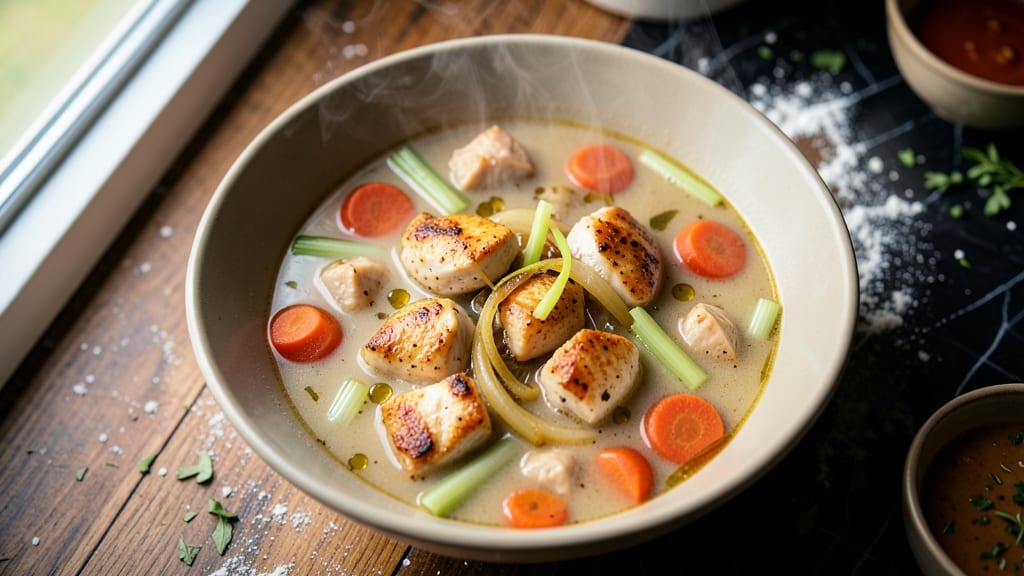
This 8-can chicken soup recipe transforms pantry staples into hearty, restaurant-quality comfort in under an hour—no fancy ingredients required. The secret lies in layering flavors through slow simmering, where tender chicken, rich broth, and vegetables meld into a deeply satisfying meal.
Perfect for batch cooking, this one-pot method minimizes cleanup while maximizing flavor, making it ideal for meal prep or feeding a crowd.
What sets this recipe apart is its versatility—adapt it to your preferences with herbs, aromatics, or protein additions like dumplings or noodles. The broth builds depth as it simmers, absorbing the savory essence of the chicken and vegetables, while the one-pot approach ensures simplicity without sacrificing richness.
Whether you're using a stovetop, pressure cooker, or slow cooker, the technique remains foolproof for consistent results every time.
By the time you’re done, you’ll have a steaming bowl of comfort food that’s tender, aromatic, and packed with homey flavors. The soup’s texture is velvety yet substantial, with each spoonful delivering a perfect balance of savory, herby notes.
Leftovers keep beautifully in the fridge for up to 5 days, or freeze for later—meaning fewer dinners to plan and more time to enjoy.
For extra depth, consider adding a splash of lemon juice or fresh herbs before serving, or stir in cooked rice for a heartier texture. This recipe isn’t just efficient; it’s a blank canvas for customization, ensuring every bowl tastes like a warm hug on a chilly day.
Ready to make it?
Ingredients for 8 can chicken soup
Pantry staples and minimal prep transform into restaurant-quality comfort for eight servings.
| Ingredient | Amount | Notes |
|---|---|---|
| Chicken Breast 🍗 | 4 lb | Boneless, skinless, cut into bite-sized pieces |
| Chicken Broth 💧 | 6 cups | Low-sodium preferred, or homemade |
| Canned Chicken 🍗 | 2 cans | 14.5 oz each, drained |
| Carrots 🥕 | 3 cups | Chopped, medium dice |
| Celery Stalk 🧅 | 3 whole | Chopped, medium dice |
| Yellow Onion 🧅 | 2 whole | Chopped, medium dice |
| Garlic Cloves 🧄 | 6 cloves | Minced, for depth of flavor |
| Dried Thyme 🌿 | 1 tsp | Or 1 tbsp fresh thyme |
| Bay Leaves 🍃 | 2 whole | For aromatic complexity |
| Salt 🧂 | 1 ½ tsp | Diamond Crystal preferred |
| Black Peppercorns 🌶️ | ½ tsp | Freshly cracked |
| Dried Parsley 🌿 | 1 tbsp | For garnish, optional |
| Olive Oil 🫒 | 2 tbsp | Extra-virgin for richness |
| All-Purpose Flour 🌾 | ¼ cup | For thickening (optional) |
| Lemon Juice 🍋 | 1 tbsp | Freshly squeezed, for brightness |
The chicken is the foundation—bone-in, skin-on pieces yield richer broth, but boneless works in a pinch. Costco or Trader Joe's often have pre-cut chicken at better prices, but whole breasts let you control the size. For the broth, low-sodium is critical—you'll be adding salt later, and you don't want to overdo it. The canned chicken adds convenience without sacrificing texture, though homemade shredded chicken elevates the dish further. Look for organic or free-range options if budget allows, as the flavor difference is noticeable in slow-cooked dishes like this.
Vegetables can be swapped freely—sweet potatoes or butternut squash add heartiness, while mushrooms bring umami depth. The celery and onion form the aromatic base, so don't skimp: chop them uniformly for even cooking. Garlic should be minced, not powdered—the difference in flavor is substantial. For herbs, fresh thyme and parsley are ideal, but dried works at one-third the amount. The flour is optional but creates a silky texture if you prefer a thicker soup. If using, mix it with 2 tbsp cold water first to avoid lumps.
This soup reheats beautifully—simmer gently for 5-10 minutes to restore its velvety texture. Store in airtight containers for up to 5 days in the fridge or 3 months frozen. For batch cooking, double the recipe and freeze portions in quart-sized containers. The lemon juice should be added last—a squeeze at the table brightens each bowl. Garnish with fresh parsley or a drizzle of olive oil for restaurant-quality presentation.
Why You'll Love This Recipe
- No-Chop Nightmare: I swear, this recipe is my lifeline when I’m too tired to dice carrots or cry over celery stalks. Toss in pre-chopped frozen veggies or even skip them—those canned chicken breasts and broth do all the heavy lifting while you stir for 10 minutes.
- Canned Chicken Magic: Between us, canned chicken is the unsung hero here. It melts into the broth like buttery shreds, while the fresh chicken breast keeps it hearty. That combo? Pure satisfaction—creamy, rich, and still light enough to eat for lunch the next day.
- Crowd-Pleaser Always: Honestly, this soup works everywhere. Pack it for tailgates (the canned chicken stays solid in cooler temps), freeze half for sick days, or serve it at potlucks—no one will guess it’s mostly pantry staples. Even my picky teenage nephew asks for seconds.
- Budget-Friendly Powerhouse: Eight cans of broth and chicken? That’s a week’s worth of lunches for under $15. The carrots and celery bulk it up without breaking the bank, and leftovers reheat like a dream—no soggy textures, just warm, comforting bowls every time.
Step-by-step instructions for one-pot chicken soup
This method delivers rich, hearty soup with minimal cleanup—just one pot and 30 minutes of active time.
Sear the Chicken Breast for Depth of Flavor
Heat the 2 tablespoons olive oil in a large Dutch oven or heavy pot over medium-high heat until shimmering. Pat the 4 pounds chicken breast dry with paper towels and cut into 1-inch bite-sized pieces. Working in batches, add the chicken to the pot without overcrowding—this ensures proper browning.
Sear for 3-4 minutes per batch until the chicken develops a deep golden-brown crust on all sides. The crust creates a flavor foundation called the fond, which dissolves into the broth later. Transfer the seared chicken to a plate and set aside. If the oil appears dark or smoky, drain half before continuing.
Build the Aromatic Base with Vegetables
In the same pot, add the 2 whole yellow onions, 3 whole celery stalks, and 3 cups carrots, all chopped into medium dice. Cook for 5-6 minutes until the vegetables soften slightly and begin to release their juices. Stir occasionally to prevent sticking.
Add the 6 cloves minced garlic, 1 teaspoon dried thyme, and 2 whole bay leaves, stirring for 30 seconds until fragrant. The garlic should sizzle but not burn—this releases its sweet, aromatic oils. If the vegetables begin to stick, add 1-2 tablespoons of the 6 cups chicken broth to deglaze.
Simmer the Broth and Chicken
Pour in the 6 cups chicken broth and bring the mixture to a gentle boil over medium-high heat. Once boiling, reduce the heat to low and add the seared chicken back to the pot. Stir gently to combine, then add the 2 cans drained canned chicken and 1.5 teaspoons salt. Simmer uncovered for 15-20 minutes until the chicken is fully cooked and tender.
Check for doneness by piercing the largest chicken piece with a fork—it should slide in easily with no resistance. The broth should now be infused with rich, savory flavors. If the soup appears too thin, sprinkle in the ¼ cup all-purpose flour and stir for 1-2 minutes to thicken slightly. This step is optional but enhances the soup's body.
Finish with Seasoning and Brightness
Remove the 2 whole bay leaves and adjust the seasoning with ½ teaspoon freshly cracked black peppercorns. Stir in the 1 tablespoon lemon juice and 1 tablespoon dried parsley, adding a final touch of brightness and freshness. Taste and adjust the salt if needed—low-sodium broth often requires extra seasoning.
Let the soup rest for 5 minutes off the heat before serving. This allows the flavors to meld and the chicken to reabsorb any juices. Ladle into bowls and garnish with additional parsley if desired. The result is a comforting, one-pot meal with layers of savory, herbal, and citrus notes—perfect for chilly days.
Pro Tips For Making 8 Can Chicken Soup
- SAUTE THE AROMA BASE: Cut your carrots and celery into even ¼-inch slices—no need for fancy dicing—and cook them in a cold pot with a splash of broth first. I learned this the hard way: skipping the sauté leaves your soup tasting like broth with vegetables floating in it. Let them soften for 3-4 minutes before adding anything else.
- SALT THE BROTH EARLY: Add half the salt to the broth before the cans go in—this seasons the liquid itself, not just the finished soup. I used to wait until the end, and the flavor always felt flat, like I’d forgotten something. Trust me, the broth absorbs it better this way.
- DON’T OVERCOOK THE CHICKEN BREAST: Slice the chicken breast into ½-inch strips before simmering, or you’ll end up with rubbery, dry meat. The canned chicken stays tender, but raw breast turns tough if left too long. Aim for 12-15 minutes max in the broth—pull it when it’s just opaque, not gray.
- SWAP THE STARCH GAME: Skip the noodles if you’re short on time, but if you’re adding them, cook them separately in a little broth and toss them in at the end. I used to dump them raw, and they’d turn mushy or steal all the flavor. A 2-minute boil in broth + a splash of lemon juice at the end makes all the difference.
Perfect pairings for this dish
Crusty Bread Pairing
Nothing complements this soup like a warm, crusty loaf of sourdough or baguette. I like to toast slices until golden and crisp, then rub them with a cut garlic clove for extra depth.
The chewy texture soaks up the savory broth beautifully. For a shortcut, grab a pre-baked French baguette from your local bakery—it’s ready in minutes. 🥖
Herbed Cheese Board
Serve alongside a simple cheese board featuring aged cheddar, brie, and goat cheese with crackers and sliced apples. The tangy, creamy, and sharp flavors contrast perfectly with the soup’s herbal notes.
I always include a small jar of honey for drizzling—it balances the soup’s richness while adding a touch of sweetness. 🧀
Wine Pairings
A medium-bodied Chardonnay with subtle oak notes enhances the soup’s creamy texture and herbal undertones. For something lighter, a crisp Sauvignon Blanc from New Zealand brings bright citrus notes that complement the lemon finish.
If you prefer red, a Pinot Noir with its earthy, red fruit flavors works surprisingly well. 🍷
Fresh Greens Salad
A simple arugula salad with a light lemon vinaigrette (just 2 tbsp olive oil, 1 tbsp lemon juice, and a pinch of salt) cuts through the soup’s heartiness.
Add thinly sliced radishes or shaved fennel for crunch and freshness. The peppery bite of arugula balances the soup’s savory depth. 🥗
Homemade Dumplings
For an interactive experience, serve with steamed chicken dumplings made from a simple dough of 1 cup flour, ½ tsp salt, and 2 tbsp cold butter.
Drop spoonfuls into simmering soup and cook for 8-10 minutes until golden. The dumplings soak up the broth while adding a comforting, pillowy texture. 🥟
Spiced Nuts Finish
Add a handful of toasted pecans or almonds tossed with ½ tsp cinnamon and a pinch of cayenne for a crunchy, slightly spicy contrast. The nuts add texture and warmth, making each spoonful of soup more satisfying.
Store-bought spiced nuts work in a pinch, but toasting your own (with 1 tbsp butter and 1 tsp brown sugar) elevates the flavor. 🌰
Nutrition facts
Frequently asked questions
Can I substitute canned chicken with fresh or rotisserie chicken?
The recipe works perfectly with either! For fresh chicken, use 4 cups shredded cooked chicken (about 2-3 chicken breasts) instead of the canned version. Rotisserie chicken is a great shortcut—just remove skin and bones, then shred 4 cups of meat. The canned chicken adds convenience, but fresh versions can feel more premium if you're serving guests.
How do I adjust this recipe for a slow cooker or Instant Pot? For a slow cooker, simply combine all ingredients (except lemon juice and parsley) and cook on low for 6-7 hours or high for 3-4 hours. For an Instant Pot, use the High Pressure setting for 10 minutes after searing the chicken and sautéing the vegetables. Both methods yield tender results with minimal effort—just
Why does my soup look too thin? How can I fix it?
Thin soup often results from overcooking or using too much broth. To thicken, mix 1 tbsp flour with 2 tbsp cold water to make a slurry, then stir it into the simmering soup. Let it cook for 2-3 minutes until thickened. For extra richness, stir in 2 tbsp heavy cream or Greek yogurt off the heat. The recipe includes flour as an optional thickener for this exact reason!
Can I make this soup ahead of time?
This soup tastes even better the next day as flavors meld. Store in an airtight container in the fridge for up to 5 days or freeze for 3 months. Reheat gently on the stove over medium-low heat, stirring occasionally, until warmed through. Avoid microwaving to prevent a rubbery texture. The broth will thicken slightly upon reheating—add a splash of water if needed.
What can I do with leftovers?
Leftover soup transforms beautifully into new meals! Use it as a base for chicken pot pie by adding a pie crust, or blend it into creamy chicken soup with a splash of milk. For a quick lunch, serve over mashed potatoes or rice. Freeze portions in ice cube trays for easy future additions to other dishes. The canned chicken and broth make it incredibly versatile!