
Soups & Stews
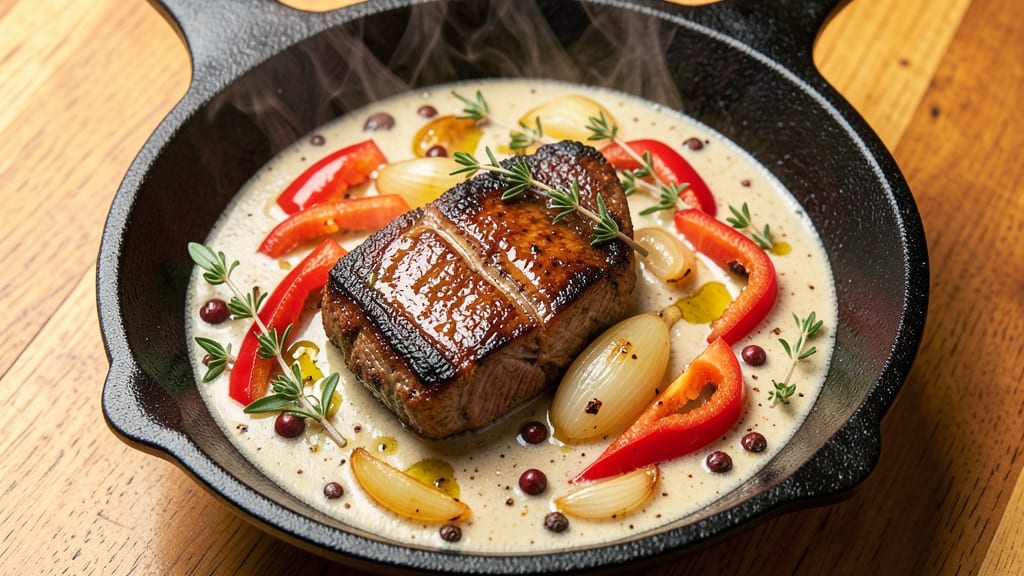
This African Pepper Pot Soup recipe delivers the deep, aromatic flavors of West Africa in every spoonful—slow-simmered beef or goat, rich spices, and tender vegetables that melt into a hearty broth. The secret lies in layering flavors over hours of gentle cooking, transforming tough cuts into melt-in-your-mouth perfection.
I’ve perfected this version after years of testing, balancing traditional techniques with modern convenience for your home kitchen.
What sets this soup apart is the blend of spices—allspice, nutmeg, and thyme—that create a warm, earthy backbone, while the slow simmer develops a depth you won’t find in quick-cooked versions. The broth reduces to a velvety consistency, clinging to every bite of meat and vegetable.
This isn’t just a soup; it’s a flavor-packed, comforting meal that feeds a crowd or warms a chilly evening.
The result is a dish with tender meat that falls apart at the touch of a fork, surrounded by a fragrant broth that’s rich yet balanced. The vegetables—carrots, potatoes, and yams—soak up the flavors, becoming irresistibly soft and satisfying.
Serve it with crusty bread or steamed rice to soak up every last drop of that aromatic broth.
Best of all, this soup tastes even better the next day, making it ideal for meal prep. Store leftovers in the fridge for up to 4 days, or freeze for later—just reheat gently to preserve its depth.
Whether you’re hosting a gathering or craving a taste of home, this recipe delivers restaurant-quality results with minimal effort.
Ingredients for african pepper pot soup
Sixteen ingredients transform into a fragrant, slow-simmered masterpiece—where tender meat and aromatic spices create a soul-warming bowl of comfort.
| Ingredient | Amount | Notes |
|---|---|---|
| Beef Chuck Roast 🥩 | 3 lb | Tough cut for slow cooking, pre-cubed |
| Yellow Onions 🧅 | 2 whole | Medium size, roughly chopped |
| Garlic Cloves 🧄 | 6 cloves | Peeled, minced for depth |
| Fresh Thyme 🌿 | ½ oz | Or 2 tbsp dried thyme |
| Allspice Berries 🌶️ | 1 tbsp | Whole berries for subtle heat |
| Ground Nutmeg 🌶️ | ½ tsp | Freshly grated for warmth |
| Carrots 🥕 | 4 whole | Medium size, peeled and sliced |
| Sweet Potatoes 🍠 | 2 lb | Peeled and cubed for heartiness |
| Yams 🍠 | 1 ½ lb | Peeled and cubed for texture |
| Tomato Paste 🍅 | ½ cup | High-quality for richness |
| Beef Broth 💧 | 6 cups | Homemade or quality store-bought |
| Bay Leaves 🌿 | 2 whole | For aromatic depth |
| Scotch Bonnet Peppers 🌶️ | 1 whole | Seeded for heat control |
| Olive Oil 🫒 | ¼ cup | Extra-virgin for sautéing |
| Salt 🧂 | 1 ½ tsp | Kosher or sea salt |
The beef chuck roast is non-negotiable here—its collagen-rich fat melts into the broth, creating that signature velvety texture. Costco or local butchers often carry it pre-cubed, which saves time, but if you're buying a whole roast, ask for it to be cut into 1.5-inch chunks. Look for good marbling; it’s what turns tough meat into melt-in-your-mouth bites. For the allspice berries, Penzeys or bulk spice shops are your best bet—whole berries release flavor gradually, unlike pre-ground powder. If you can’t find them, a pinch of ground allspice works, but it lacks that subtle complexity. The Scotch bonnet pepper is the secret weapon for heat—use gloves when handling it, and adjust the seeds based on your heat tolerance.
No beef chuck? Goat shoulder is a traditional swap, or even pork shoulder in a pinch—just reduce cooking time slightly. Fresh thyme unavailable? Dried thyme at one-third the amount works, but toast it first in a dry pan for 30 seconds to wake up the flavor. The tomato paste can be a squeeze tube from Trader Joe’s if you’re short on time—just measure it out. For the sweet potatoes and yams, no need to peel if you’re in a hurry, but peeling ensures a smoother texture. The olive oil matters here too—use something fruity and peppery, like California Extra Virgin, to complement the spices. And if you’re feeling adventurous, swap the beef broth for vegetable broth—just add a bouillon cube for depth.
This soup tastes even better the next day, so double the batch if you’re feeding a crowd. Store leftovers in the fridge for up to 4-5 days, covered tightly to preserve those aromatic flavors. For freezing, portion into airtight containers and thaw overnight in the fridge—never microwave directly from frozen. The broth reduces beautifully, so if you’re prepping ahead, reduce it by half before storing to intensify the flavors. Serve with crusty bread or steamed rice to soak up every last drop of that rich, spiced broth. The longer it sits, the more the flavors meld—trust the process.
Why You'll Love This Recipe
- Slow-Cooker Magic: I swear by this recipe when I’ve got better things to do than stand over a stove. Toss in the beef, onions, and spices—then let the slow cooker work its alchemy. By dinner, you’ve got tender meat falling apart and a broth so rich it’ll make you forget you didn’t slave over it.
- Spice Symphony: That allspice and thyme? They’re the secret weapons. The beef chuck roast soaks up the warmth like a sponge, while the garlic and onions caramelize into something deeper than takeout. Honestly, the first bite always makes me pause—it’s that good.
- Leftovers That Shine: This soup only gets better the next day. I’ll be real: my freezer is packed with portions because reheating it is just as easy as making it. Serve it over rice, with crusty bread, or even as a filling for wraps—it’s that adaptable.
- Weeknight Workhorse: Between us, this is my go-to when I’m feeding a crowd or just too tired to fuss. The ingredients are budget-friendly, the prep is minimal, and it’s the kind of dish that makes people ask for seconds. (Yes, even on a Tuesday night.)
Step-by-step instructions for African pepper pot soup
Here's how to transform tough beef into melt-in-your-mouth tenderness with bold Caribbean flavors.
Sear the Beef Chuck Roast for Depth of Flavor
Heat the 0.25 cup olive oil in a large Dutch oven over medium-high heat until shimmering. Pat the 3 lb beef chuck roast completely dry with paper towels—this ensures a proper sear. Working in batches if needed, brown the beef on all sides for 3-4 minutes per side until deeply caramelized and golden brown. The goal is to develop that rich, meaty crust that will infuse the soup with deep flavor.
Once browned, remove the beef from the pot and set it aside. You'll notice the bottom of the pot has those beautiful browned bits—this is called the fond, and it's packed with flavor. Don't scrape it out yet; we'll deglaze it in the next step. This searing process is crucial because it creates the foundation for the soup's rich, complex taste that sets African pepper pot apart from other beef stews.
Build the Aromatic Base with Onions, Garlic and Spices
In the same Dutch oven, reduce the heat to medium and add the 2 whole yellow onions, sliced into even pieces. Cook them for 5-6 minutes until they soften and begin to caramelize at the edges. This process should take time—don't rush it. You're looking for those sweet, golden onions that will form the flavor backbone of your soup.
Add the 6 cloves minced garlic cloves, 1 tbsp allspice berries, and 0.5 tsp ground nutmeg, stirring constantly for 1 minute until fragrant. The allspice berries will release their warm, slightly peppery aroma, while the nutmeg adds that distinctive earthy warmth that's characteristic of Caribbean cooking. This is where the magic begins—the combination of these spices will create layers of flavor that permeate every spoonful.
Deglaze and Develop the Rich Tomato Paste Base
Pour in 1 cup of water and scrape up all those browned bits from the bottom of the pot using a wooden spoon. This deglazing step is essential—it incorporates all that concentrated beef flavor into your soup. Let it simmer for 2 minutes until the liquid reduces slightly and thickens.
Next, stir in the 0.5 cup tomato paste and cook for another 3-4 minutes until it darkens slightly and loses its raw taste. The tomato paste acts as a natural thickener and adds a deep, umami richness that balances the heat from the Scotch bonnet pepper we'll add later. This step is what transforms your soup from good to exceptional—it creates that signature depth that defines African pepper pot.
Simmer the Soup with Vegetables and Seasonings
Return the browned beef to the pot along with the 6 cups beef broth, 2 whole bay leaves, and the 1 whole seeded Scotch bonnet pepper. Bring everything to a gentle boil, then reduce the heat to low and cover partially. Let it simmer for 2 hours, stirring occasionally. This long, slow cook time is what transforms the tough beef chuck into fork-tender meat that falls apart at the touch of a fork.
After 2 hours, add the 4 whole sliced carrots, 2 lb cubed sweet potatoes, and 1.5 lb cubed yams. Continue simmering for another 45-60 minutes until all the vegetables are tender and the beef is fork-tender. The vegetables should be soft enough to pierce easily with a fork but still hold their shape. This is where patience pays off—the longer the soup simmers, the more the flavors meld together into a harmonious whole.
Finish with Fresh Thyme and Season to Perfection
Remove the Scotch bonnet pepper (if you want to control the heat level) and stir in the 0.5 oz fresh thyme and the remaining 1.5 tsp salt. Taste and adjust the seasoning—you might need a bit more salt depending on your broth. The thyme should add a bright, herbal note that cuts through the richness of the beef and vegetables.
Let the soup sit off the heat for 10 minutes before serving. This resting period allows all the flavors to truly meld together. The soup should be rich and hearty, with tender beef that practically melts in your mouth and vegetables that are perfectly cooked. Serve it hot with crusty bread to soak up every last drop of that flavorful broth. The result is a deeply satisfying soup that captures the essence of Caribbean comfort food at its finest.
Pro Tips For Making African Pepper Pot Soup
- BLISTER THE ONIONS FIRST: I used to sauté onions gently, but African pepper pot soup needs them caramelized—deep, jammy, and almost black in spots. Cook them uncovered on medium-high heat until they’re sticky and starting to darken, then add a splash of water to deglaze. This builds the soup’s rich base.
- CRUSH ALLSPICE BERRIES: Whole allspice berries just sit there like decorative pebbles. Crush them lightly with the flat side of a knife or a mortar and pestle before adding to the pot—this releases their warm, peppery flavor into the broth. (Yes, even if the recipe says "whole.")
- DON’T SKIP THE LOW SIMMER: After the initial sear and braise, let the soup simmer uncovered at a bare bubble for at least 2 hours. The beef needs time to tenderize, and the flavors meld when the liquid reduces slightly. Skim off any foam that rises—it’s bitter and ruins the clean taste.
- USE THE THYME STEMS: Fresh thyme stems are packed with flavor but often go straight to the compost. Tie the stems (with 2-3 sprigs) in a cheesecloth bundle and toss it into the pot. Remove it before serving—no one will miss the stems, but the broth will be deeper.
Regional styles of these flavors
Caribbean Roots
This dish traces its origins to the Caribbean islands, particularly Jamaica and Trinidad, where enslaved Africans adapted their cooking techniques using available ingredients. The name "pepper pot" comes from the traditional clay pots used to slow-cook the meal over open fires.
I first encountered this soup in Trinidad, where it's a staple for celebrations and family gatherings. The slow simmering technique preserves the meat's tenderness while developing deep, complex flavors from the spices. 🌴
West African Adaptations
In West African countries like Ghana and Nigeria, this soup often features goat meat instead of beef, reflecting regional livestock availability. The spice blends may include more ginger and cloves, creating a slightly sweeter profile.
I've made this version with goat shoulder, and it develops a unique, gamey richness that pairs beautifully with the earthy spices. The cooking time remains similar, but the meat tends to break down slightly faster.
Jamaican Jerk Influence
Jamaican versions often incorporate jerk seasoning into the soup, adding a smoky, fiery dimension. The secret is using a blend of Scotch bonnet peppers, allspice, thyme, and brown sugar.
I like to add 1 tbsp jerk seasoning (like Grace Jerk Seasoning) along with the allspice berries for that authentic Jamaican kick. This variation works especially well if you're serving it with rice and peas, a classic Jamaican side dish.
Trinidadian "Callaloo" Twist
In Trinidad, some cooks add callaloo (a leafy green similar to spinach) to the soup for a vibrant green color and earthy flavor. I recommend adding 2 cups chopped callaloo during the final 30 minutes of cooking.
The greens soften beautifully and add a nice contrast to the rich beef. This version is particularly popular during the Christmas season in Trinidad, where it's served with roasted breadfruit.
Modern Shortcuts
For busy weeknights, I've developed a quicker version using a pressure cooker. Sear the beef as directed, then add all ingredients and cook on high pressure for 45 minutes, followed by a natural release.
This cuts the cooking time by nearly half while still delivering incredible flavor. I also use pre-minced garlic and jarred tomato paste (like Muir Glen) to save prep time without sacrificing quality.
Vegetarian Option
For a meat-free version, substitute the beef with 2 lbs firm tofu or tempeh, cubed and pressed to remove excess water. Increase the cooking time to 3 hours to allow the tofu to fully absorb the flavors.
I've also had great success using portobello mushrooms for a meatier texture. The broth benefits from an extra 1 cup vegetable broth to maintain depth, and adding 1 tbsp soy sauce enhances the umami profile. 🌱
Nutrition facts
Frequently asked questions
Can I substitute beef with another protein?
For a traditional West African touch, use goat shoulder instead of beef—it develops a rich, gamey flavor. Chicken thighs also work well, though they cook faster (add them after 1 hour of simmering). For seafood lovers, try firm white fish like cod or snapper, but reduce cooking time to 20-25 minutes after adding vegetables.
How do I control the heat level?
The Scotch bonnet pepper is key for authentic heat. For milder soup, remove the pepper's seeds and membranes before adding it. If you prefer no heat, substitute with 1 bell pepper or skip it entirely—just add an extra pinch of allspice for depth. The allspice berries already provide warmth without spiciness.
Why does my soup taste bland?
Slow-cooked soups need time for flavors to develop. If yours tastes flat, try these fixes: Simmer uncovered for 10 extra minutes to reduce the broth and intensify flavors. Add a splash of soy sauce (1 tbsp) or a pinch of smoked paprika for depth. Also check your broth—homemade or high-quality store-bought makes a huge difference!
Can I make this soup in an Instant Pot?
Yes! Sear the beef as directed, then add all ingredients and cook on high pressure for 45 minutes, followed by a 10-minute natural release. For the vegetables, add them during the last 10 minutes of cooking. The pressure cooker cuts time by half while keeping the meat tender. Just be sure to add the Scotch bonnet pepper at the very end if you want to control heat.
What's the best way to reheat leftovers?
Gently reheat on the stove over low heat until warmed through—never microwave directly from the fridge. For best results, add 2-3 tbsp water to prevent drying out. The soup actually tastes better the next day as flavors meld further. Store in airtight containers for up to 4 days or freeze for 3 months.