
Soups & Stews
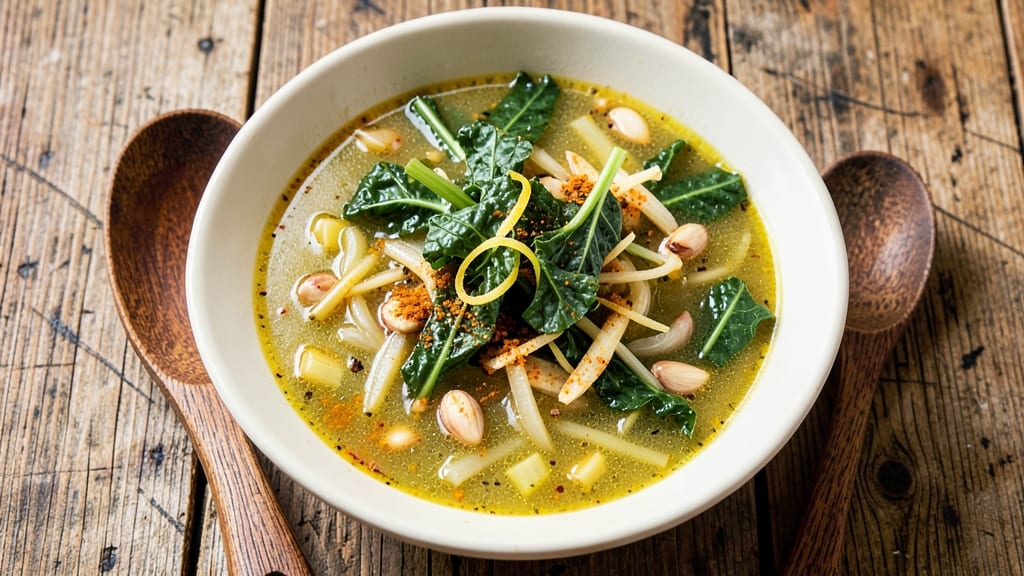
This alkaline vegetable soup recipe transforms simple greens and golden turmeric into a nutrient-packed elixir that soothes digestion and nourishes your body from the inside out. 🌿 The secret lies in balancing alkaline-rich ingredients like leafy greens, cruciferous vegetables, and mineral-packed turmeric with gentle herbs that support gut health without overpowering the natural flavors.
I developed this recipe after years of experimenting with alkaline diets, and it's become my go-to for quick, healing meals that feel like a warm hug for your system.
The beauty of this soup lies in its simplicity—just 10 ingredients that work together to create a harmonious blend of earthy, slightly sweet flavors. You'll start with a base of aromatic vegetables like onions, garlic, and ginger, which not only add depth but also support circulation and digestion.
The star of the show? A generous handful of leafy greens (kale, spinach, or Swiss chard) and cruciferous vegetables (broccoli or cauliflower), all chosen for their high mineral content and alkaline properties. Simmering everything together for 20 minutes allows the flavors to meld while preserving the nutrients.
What you'll end up with is a vibrant, golden-hued soup that's rich in antioxidants, fiber, and minerals—perfect for balancing your body's pH levels while satisfying your hunger. The turmeric doesn't just add color; it brings anti-inflammatory benefits that make this soup a powerhouse for recovery or daily wellness.
Each spoonful delivers a comforting warmth and a subtle earthy sweetness that makes it easy to enjoy a bowl—or two—without feeling heavy.
This recipe works beautifully as a standalone meal or as a starter for larger dishes. Store leftovers in the refrigerator for up to 4 days, or freeze for longer storage. The flavors only deepen over time, making it an ideal make-ahead option for busy weeks.
Whether you're following an alkaline diet or simply looking for a nourishing, plant-based soup, this recipe delivers on both taste and nutrition.
Ingredients for alkaline vegetable soup
Ten wholesome ingredients transform into a golden, gut-soothing elixir perfect for alkaline living.
| Ingredient | Amount | Notes |
|---|---|---|
| Extra-Virgin Olive Oil 🫒 | ½ cup | Cold-pressed, high-quality preferred |
| Yellow Onion 🧅 | 1 whole | Medium size, finely diced |
| Garlic Cloves 🧄 | 4 cloves | Freshly minced for aroma |
| Fresh Ginger 🌿 | ½ inch | Peeled, sliced thinly |
| Turmeric Powder 🌶️ | 1 tbsp | Organic, high-curcumin preferred |
| Kale Leaves 🌿 | 4 cups | Chopped, stems removed |
| Broccoli Florets 🥦 | 3 cups | Fresh or frozen, chopped |
| Sweet Potato 🍠 | 1 lb | Peeled, cubed small |
| Vegetable Broth 💧 | 4 cups | Low-sodium, homemade preferred |
| Fresh Cilantro 🌿 | ¼ cup | Chopped, for garnish |
| Lemon Juice 🍋 | 2 tbsp | Freshly squeezed, alkaline boost |
| Sea Salt 🧂 | 1 tsp | Fine grain, unrefined |
| Black Peppercorns 🌶️ | ½ tsp | Freshly ground, enhances flavor |
The turmeric and ginger are the superstars here—look for organic powder and fresh root respectively. Trader Joe's has great options for both, or check the bulk bins at Whole Foods for higher-quality spices. Sweet potatoes add natural sweetness while balancing the earthy flavors; orange-fleshed varieties have the most beta-carotene. Kale should be vibrant green—avoid any wilted or yellowing leaves. For the broth, homemade is ideal, but low-sodium store-bought works in a pinch. The cilantro adds freshness, but if you're sensitive to its flavor, parsley works just as well.
No fresh ginger? Ground ginger at half the amount gets you close, though fresh has more punch. Substitute broccoli for cauliflower or Brussels sprouts if needed—just adjust the quantity to keep the same volume. Sweet potatoes can be swapped for regular potatoes or butternut squash, but the color and flavor will differ slightly. For extra alkalinity, add 1 tbsp of apple cider vinegar at the end, though it's not traditional. The lemon juice is key—don't skip it, as it brightens the whole dish and supports digestion.
Broth and vegetables keep for 4-5 days in the fridge, but prepped ingredients like chopped sweet potatoes and kale should be used within 2 days for best texture. Freeze the soup in 1-cup portions for easy grab-and-go meals—it reheats beautifully. Store fresh ginger in a damp paper towel in the fridge to keep it fresh longer. The turmeric powder stays potent for 6-12 months in a cool, dark place, while lemon juice should be used within 1 week of squeezing.
Why You'll Love This Recipe
- Pantry Magic: I swear by this when I forget to grocery shop—just onion, garlic, and whatever veggies are lurking in the fridge. The turmeric and ginger turn even wilted greens into something vibrant, like a flavor rescue mission.
- Golden Umami Bomb: That first spoonful of soup—warm, slightly spicy from the ginger, with the rich depth of olive oil caramelizing the onions—makes me pause mid-sip. It’s the kind of flavor that lingers, not just in your mouth but in your memory.
- Lunchbox Hero: Between us, this is my secret weapon for packed lunches. The alkaline balance keeps it fresh for days, and I’ll add a sprinkle of chili flakes or a drizzle of tahini to customize it for work or picnics. No sad, soggy salads here.
- One-Pot, Zero Guilt: Leftovers? More like future me high-fiving present me. It’s cheap to make, reheats beautifully, and honestly? I’ve had it three nights in a row without tiring of it. The turmeric even makes it feel like a treat, not just dinner.
Step-by-step instructions for alkaline vegetable soup with golden turmeric
Here's how to create a vibrant, gut-friendly soup with anti-inflammatory turmeric and nutrient-packed greens.
🍳 Step 1: Sauté Aromatics Until Fragrant
Heat the 0.5 cup extra-virgin olive oil in a large pot over medium heat. Add the finely diced yellow onion and cook for 5 minutes until soft and translucent. You'll know it's ready when the edges start to turn golden—this builds flavor depth.
Add the minced garlic cloves and thinly sliced fresh ginger and cook for another 2 minutes until the garlic becomes aromatic and just begins to turn golden. Here's the thing—don't let it burn. Garlic turns bitter quickly, and you want that sweet, mellow flavor to shine through the entire soup.
🍳 Step 2: Toast the Turmeric and Add Sweet Potatoes
Stir in the 1 tablespoon turmeric powder and cook for 30 seconds until fragrant. This step unlocks the full anti-inflammatory benefits of the turmeric—you'll see those golden threads develop, giving your soup its signature glow. Add the cubed sweet potato and stir to coat in the turmeric-infused oil.
Pour in the 4 cups vegetable broth and bring to a gentle boil. Once boiling, reduce heat to medium-low and let it simmer for 15 minutes until the sweet potatoes begin to soften. This initial cooking time ensures the sweet potatoes develop a tender texture without turning mushy.
🥘 Step 3: Add Greens and Broccoli for Nutrient Boost
Add the chopped kale leaves and broccoli florets to the simmering broth. Stir gently to distribute the greens evenly. Let the soup cook for another 8-10 minutes until the broccoli is bright green and tender-crisp, and the kale wilts but still maintains some texture. You'll see the vibrant green color intensify as the vegetables release their nutrients into the broth.
I know it seems weird, but trust me—adding the greens last preserves their vibrant color and nutrient content. If you add them too early, the kale can turn mushy and lose its beautiful green hue.
🍋 Step 4: Finish with Lemon and Seasonings
Remove the pot from heat and stir in the 2 tablespoons lemon juice, 1 teaspoon sea salt, and 0.5 teaspoon freshly ground black peppercorns. The lemon juice adds a bright, alkaline kick that balances the earthy flavors. Let the soup sit off heat for 5 minutes to allow the flavors to meld together.
Taste and adjust seasoning if needed. The lemon juice should brighten the soup, the turmeric should give it a warm glow, and the greens should add a fresh, earthy note. If it needs more acidity, add a bit more lemon juice. If it needs more salt, add it gradually—you can always add more, but you can't take it out.
🌿 Step 5: Garnish and Serve Warm
Ladle the soup into bowls and garnish each serving with chopped fresh cilantro. The cilantro adds a fresh, bright finish that complements the earthy flavors of the turmeric and greens. Serve immediately while still warm to enjoy the full benefits of the alkaline ingredients.
This soup is packed with nutrients and designed to support gut health. The turmeric provides anti-inflammatory benefits, the greens offer fiber and vitamins, and the lemon juice adds an alkaline boost. Enjoy it as a light lunch or a comforting dinner—your body will thank you!
Pro Tips For Making Alkaline Vegetable Soup
- Sweat the Onion Low: Start with a slow simmer over medium-low heat—no rushing. I learned this the hard way when I charred the onions in my first attempt, turning the soup bitter. Two minutes of gentle cooking until translucent, then add the garlic and ginger. Trust me, your soup will taste deeper.
- Grind the Ginger Fine: Skip the peeler and knife—use a microplane or fine grater for the ginger. This ensures even distribution and avoids clumps that can make the soup taste uneven. (Yes, even if you’re impatient like me, resist the urge to chop it roughly.)
- Toast the Turmeric: Heat the turmeric powder in the olive oil for 30 seconds before adding liquids. This blooms the flavor and prevents that chalky aftertaste some people hate. Just enough to warm it—no need to burn it.
- Simmer, Don’t Boil: Keep the soup at a gentle bubble, not a rolling boil. Overheating destroys the alkaline benefits of the ingredients and can make the broth turn cloudy. A steady simmer for 20-25 minutes after adding veggies is all it needs.
Flavor customization for these flavors
Citrus Brightness
Swap the lemon juice for 1 tbsp orange juice and 1 tsp orange zest to add a subtly sweet, citrusy depth that pairs beautifully with turmeric. The orange juice also provides extra alkalinity through its natural mineral content.
For a stronger citrus kick, add ½ tsp grated lime zest alongside the orange. This variation works especially well if you prefer a slightly sweeter soup without sacrificing the alkaline benefits. 🍊
Spicy Kick
Boost the anti-inflammatory properties by adding ½ tsp cayenne pepper or 1 tsp fresh chili flakes while sautéing the aromatics. For a smoky twist, incorporate ½ tsp smoked paprika with the turmeric.
This variation is perfect if you love heat but still want to maintain the soup's alkaline focus—just ensure you're using high-quality, minimally processed spices. 🌶️
Creamy Texture
For a velvety texture without dairy, blend ½ cup of the soup with ¼ cup unsweetened almond milk until smooth, then stir it back in. Alternatively, add 2 tbsp coconut milk directly to the pot during the final 5 minutes of simmering.
Both methods add creaminess while keeping the dish vegan and alkaline-friendly. The coconut milk also introduces a subtle tropical note that complements the turmeric beautifully. 🥥
Herb Variations
Swap the cilantro for fresh parsley or thyme sprigs to change the flavor profile entirely. Parsley adds a bright, slightly peppery note, while thyme brings earthy warmth. For a more robust herbal experience, add 1 tsp dried basil or ½ tsp dried oregano during the simmering phase.
These herbs pair wonderfully with the turmeric and enhance the soup's natural alkalinity. 🌿
Protein Boost
Add ½ cup cooked lentils or ½ cup crumbled tempeh during the final 5 minutes of cooking to increase protein content without altering the alkaline balance. Lentils provide a mild, earthy flavor, while tempeh adds a nutty depth.
Both options are plant-based and support the soup's gut-friendly properties. For extra texture, top with toasted pumpkin seeds or hemp seeds. 💪
Seasonal Swaps
In summer, replace sweet potatoes with zucchini or yellow squash for a lighter texture. In winter, swap broccoli for Brussels sprouts or cabbage to add heartier, more robust flavors.
For a fall variation, incorporate roasted butternut squash cubes instead of sweet potatoes. Each seasonal swap keeps the soup alkaline while adapting to what’s freshest and most flavorful. 🍂
Nutrition facts
Frequently asked questions
What makes this alkaline vegetable soup different from regular vegetable soup?
This recipe focuses on ingredients with high mineral content and low acidity—like leafy greens, turmeric, and lemon—to support an alkaline diet. Regular soups often use acidic ingredients (like tomatoes) or animal-based broths, which can affect pH balance. The turmeric and ginger here provide anti-inflammatory benefits that go beyond basic vegetable soups.
Can I make this soup without sweet potatoes?
Swap sweet potatoes for 1 lb of cubed butternut squash, 2 medium regular potatoes, or even 1 lb of zucchini for a lighter version. Each option changes the flavor slightly but maintains the alkaline properties. Zucchini will make it more summery, while squash adds deeper sweetness.
How can I make this soup more protein-rich?
Add ½ cup cooked lentils or ½ cup crumbled tempeh during the last 5 minutes of cooking. Both options are plant-based and won't disrupt the alkaline balance. For extra texture, top with toasted pumpkin seeds or hemp seeds. These additions make it a complete meal while keeping it vegan.
Will this soup taste bitter if I use frozen vegetables?
Not at all! Frozen broccoli and kale work perfectly—just ensure they're thawed before adding to preserve texture. The flavor difference is minimal, and frozen veggies often have higher nutrient retention. For best results, add frozen greens 2 minutes before the end of cooking to prevent mushiness.
Can I prepare this soup ahead of time?
Yes, this soup actually tastes better the next day! Store in an airtight container in the fridge for up to 4 days. The flavors deepen as the ingredients meld. For longer storage, freeze in 1-cup portions for up to 3 months. Reheat gently on the stove with a splash of water or broth.