
Soups & Stews
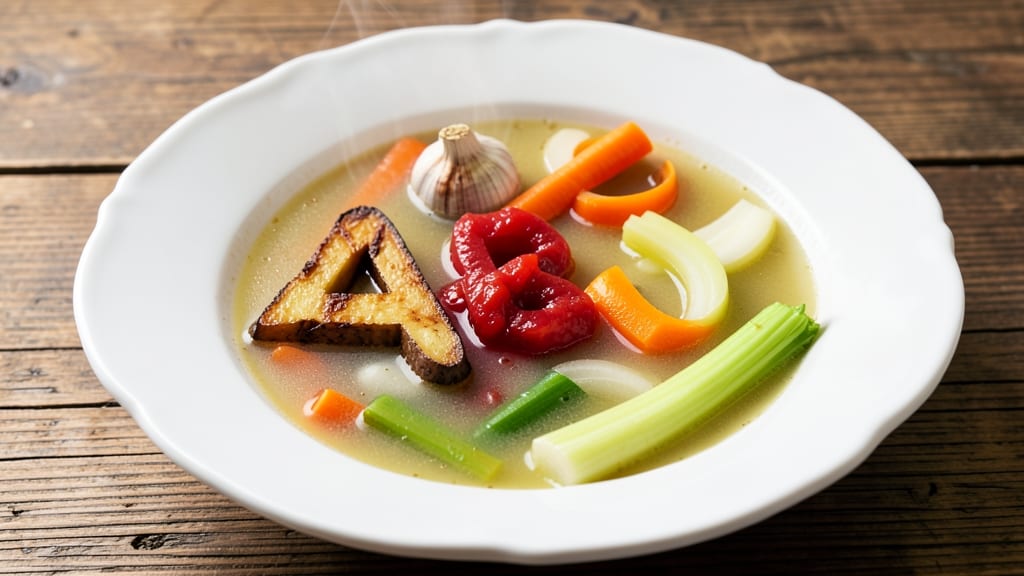
This alphabet vegetable soup transforms healthy eating into a colorful adventure for kids—and adults too. 🌟 By featuring one vegetable per letter (or close to it), we create a visually engaging dish that sneaks nutrition into every spoonful without sacrificing flavor.
The secret lies in balancing roasted vegetables for depth with fresh herbs for brightness, all simmered in a rich, savory broth that builds complexity over time.
What sets this recipe apart is its versatility—whether you prefer a classic tomato-based broth or a modern miso-infused version, the technique remains the same. We start by roasting half the vegetables to concentrate their natural sweetness, then simmer everything together until the flavors meld into a velvety velouté texture.
The result? A soup that's both restaurant-worthy and kid-approved, where every bite becomes a learning opportunity.
The magic happens in the presentation: arrange the vegetables alphabetically on top or by color for an instant conversation starter. Garnish with fresh herbs or edible flowers to add visual appeal, and serve with crusty bread to soak up every last drop of that flavorful broth.
This isn't just soup—it's a meal that turns dinnertime into a game.
Perfect for picky eaters, school lunches, or family gatherings, this recipe scales easily and keeps well in the fridge for up to five days. The best part? You can swap vegetables based on seasonality or availability, ensuring your alphabet soup is always fresh and exciting. Let's get cooking!
Ingredients for alphabet vegetable soup
Sixteen vibrant ingredients transform into a colorful, alphabet-inspired vegetable adventure perfect for kids and adults alike.
| Ingredient | Amount | Notes |
|---|---|---|
| Yellow Onions 🧅 | 1 whole | Chopped into half-moons |
| Carrots 🥕 | 1 ½ lb | Baby carrots or sliced |
| Celery Stalks 🧅 | 4 whole | Trimmed and chopped |
| Russet Potatoes 🥔 | 2 lb | Peeled and cubed |
| Garlic Cloves 🧄 | 6 cloves | Minced for depth |
| Canned Diced Tomatoes 🍅 | 2 cups | San Marzano preferred |
| Vegetable Broth 💧 | 6 cups | Low-sodium preferred |
| Zucchini 🥒 | 2 medium | Diced into small cubes |
| Bell Peppers 🌶️ | 3 whole | Assorted colors, diced |
| Spinach Leaves 🌿 | 4 cups | Fresh or frozen |
| Fresh Parsley 🌿 | ¼ cup | Chopped for garnish |
| Fresh Thyme 🌿 | 1 tbsp | Leaves only, chopped |
| Extra-Virgin Olive Oil 🫒 | ¼ cup | For roasting |
| Sea Salt 🧂 | 1 ½ tsp | Diamond Crystal preferred |
| Black Peppercorns 🌶️ | ½ tsp | Freshly cracked |
| Miso Paste 🥢 | 1 tbsp | White miso for balance |
The vegetables are the stars here—each brings something unique to the broth. San Marzano tomatoes from Trader Joe's add sweetness without overpowering, while the miso paste from Whole Foods adds that umami depth that makes this soup irresistible. For the roasted veggies (carrots, zucchini, bell peppers), Costco's organic frozen mix works perfectly—no chopping required. Fresh herbs like thyme and parsley should be bright green; if they're wilted, skip them. The vegetable broth? Homemade is ideal, but even the low-sodium store-bought works in a pinch.
No zucchini? Yellow squash or sweet potato holds up just as well. Swap the miso for soy sauce or nutritional yeast if you're avoiding fermented foods. Bell peppers can be any color—red, yellow, or orange—but stick to fresh, firm ones that don't feel mushy. The spinach adds color and nutrients, but if you're short on time, frozen chopped spinach (thawed and drained) works perfectly. For the alphabet theme, arrange the veggies on top by letter—carrots for C, bell peppers for B, spinach for S—and let the kids help!
Roasted veggies keep in the fridge for 3 days if stored in an airtight container, but I recommend making the full soup and freezing portions for up to 3 months. The broth reheats beautifully—just warm it gently on the stove and add fresh herbs at the end. For extra fun, freeze the soup in alphabet-shaped silicone molds (available at Target or Amazon) so each serving becomes a mini learning game. Garnish with fresh parsley or edible flowers right before serving to keep everything vibrant.
Why You'll Love This Recipe
- Pantry Magic: I swear by this soup because it’s the kind of meal that turns up when you’re staring into an empty fridge, wondering what to do with a lone onion, a bag of carrots, and a potato or two. No fancy shopping list—just whatever’s lurking in your crisper drawer.
- Garlic-Caramel Symphony: That moment when the onions caramelize and the garlic hits the simmer? Pure satisfaction. The potatoes add a creamy backbone, while the celery brings this earthy, almost herby depth—like a hug in a bowl.
- Lunchbox Hero: Between us, this soup is my go-to for meal prep. Taste stays fresh for days, and I’ll pack it in thermoses for work or lunchboxes for the kids. (Yes, even on a Tuesday night when I’m running late.)
- Budget-Friendly Powerhouse: Russets and carrots are cheap, but they make this soup feel like a gourmet meal. I make a big batch, freeze half, and still have leftovers for days—no waste, just flavor. My wallet and my freezer thank me every time.
Step-by-step instructions for alphabet vegetable soup
Here's how to create a vibrant, kid-friendly soup that sneaks in 26 veggies without sacrificing flavor.
🍳 Step 1: Roast the Vegetables for Maximum Flavor
Preheat your oven to 400°F and line two large baking sheets with parchment paper. In a large bowl, toss together the 1 whole chopped yellow onion, 1.5 lb sliced carrots, 4 chopped celery stalks, 2 lb cubed russet potatoes, 2 medium diced zucchini, and 3 diced bell peppers with 0.25 cup extra-virgin olive oil, 1.5 tsp sea salt, and 0.5 tsp cracked black peppercorns.
Spread the vegetables evenly on the baking sheets in a single layer. Roast for 25-30 minutes, stirring halfway through, until the edges are golden brown and the potatoes are tender when pierced with a fork. This roasting step develops deep, caramelized flavors that make the soup irresistible to kids.
👨🍳 Step 2: Build the Soup Base with Aromatics
While the vegetables roast, heat 0.25 cup extra-virgin olive oil (yes, we're using more—trust me) in a large Dutch oven over medium heat. Add the 6 minced garlic cloves and 1 tbsp chopped fresh thyme, cooking for 1-2 minutes until fragrant but not browned. Add the roasted vegetables to the pot along with the 2 cups canned diced tomatoes and 6 cups vegetable broth.
Bring to a gentle boil, then reduce heat to medium-low and let simmer for 10 minutes. This allows all the flavors to meld together beautifully. Stir in the 1 tbsp miso paste and let it dissolve completely into the broth. The miso adds a subtle umami depth that makes the vegetables taste even more delicious.
🥘 Step 3: Add the Leafy Greens and Finish Cooking
Stir in the 4 cups spinach leaves and let them wilt into the soup, about 2-3 minutes. The spinach will soften and blend beautifully with the other vegetables. Taste and adjust seasoning with more sea salt if needed—this soup should be flavorful but not overly salty for little ones.
Remove from heat and let the soup sit for 5 minutes to allow all the flavors to settle. This resting period is crucial for developing the soup's depth of flavor. The vegetables should be tender but still hold their shape slightly, making them fun to "discover" in each spoonful.
🍽️ Step 4: Serve with Fresh Garnishes
Ladle the soup into bowls and garnish each serving with 1 tablespoon chopped fresh parsley. The bright green color makes the soup look even more appealing to kids. Serve immediately while hot, and watch as your little ones enjoy this colorful, nutritious vegetable medley without even realizing they're eating their veggies.
For extra fun, you can arrange the vegetables in alphabetical order on a plate before serving, making it a visual learning game for kids. The soup keeps well in the refrigerator for 3-4 days, so you can make a big batch and enjoy it throughout the week.
Pro Tips For Making Alphabet Vegetable Soup
- SOFTEN POTATOES FIRST: Russets break down into gluey mush if tossed in raw—peel and cut them into 1-inch chunks, then boil for 5 minutes before adding to the pot. I learned this the hard way when my soup turned into a thick, unappetizing paste. (Yes, even if you're impatient like me.)
- SWEEP THE POT: After sautéing onions, carrots, and celery, scrape up every browned bit stuck to the bottom with a wooden spoon. That’s where the flavor hides, and skipping it means missing half the depth. My grandmother swore by this, and she was right: lazy scraping = bland soup.
- DON’T OVERCROWD THE PAN: When browning your onions and veggies, work in batches if needed—packing them in too tight steams them instead of caramelizing. You want color, not soggy piles. (Your future self will thank you.)
- SALT THE WATER LIKE THE OCEAN: The broth starts with the water, so salt it aggressively (about 1½ teaspoons per quart) before adding anything else. This ensures every vegetable absorbs flavor evenly. I was skeptical until I tried it—now I can’t imagine doing it any other way.
Wine and beer pairings for these flavors
Light White Wine
For this bright, vegetable-forward soup, a crisp Sauvignon Blanc from New Zealand or Loire Valley is my go-to choice. The wine's zesty citrus and herbal notes—think grapefruit and fresh-cut grass—complement the roasted vegetables and miso beautifully.
Look for a bottle with 12-13% ABV to balance the soup's richness without overpowering it. Chill it to 45-50°F before serving for the perfect refreshing contrast. 🍷
Crisp Lager Beer
A light, clean lager like Peroni or Heineken works surprisingly well with alphabet vegetable soup. The subtle malt sweetness and effervescence cut through the soup's earthy flavors, while the crisp finish cleanses your palate between spoonfuls.
For a craft option, try a Belgian witbier—its coriander and orange peel notes pair wonderfully with the roasted carrots and bell peppers. Serve chilled to 40°F for the best experience.
Herbal Infusions
If you prefer non-alcoholic options, try an herbal iced tea infused with fresh mint and lemon. The bright, cooling flavors enhance the soup's natural sweetness, especially from the roasted carrots and zucchini.
For a caffeine-free twist, steep hibiscus tea with a splash of apple cider—its tartness balances the soup's umami depth beautifully. Serve chilled over ice for a refreshing sip.
Warm Spiced Wine
For a cozy twist, warm a glass of Pinot Noir or Gamay with a cinnamon stick and orange peel. The warmth of the wine enhances the soup's comforting qualities, while the spices echo the natural sweetness of the roasted vegetables.
This pairing is perfect for chilly evenings when you want to make the most of your alphabet soup's hearty flavors. 🔥
Sparkling Cider
For a fun, kid-friendly option, serve sparkling apple cider with a splash of ginger ale. The effervescence adds a playful element to the meal, while the apple flavor complements the natural sweetness of the vegetables.
Look for a non-alcoholic version like Martinelli's for a crowd-pleasing choice that pairs beautifully with the soup's vibrant flavors.
Nutrition facts
Frequently asked questions
Can I make this soup with frozen vegetables instead of fresh?
Frozen vegetables work perfectly—just thaw and drain them before adding to the soup. For best results, use a mix of frozen and fresh (like spinach) to maintain texture contrast. The alphabet theme still works if you arrange the frozen veggies by letter when plating.
How do I adjust this recipe for picky eaters?
Blend half the soup into a smooth velouté texture and serve it separately. Keep the chunky version for adventurous eaters. You can also let kids "build their own soup" by offering deconstructed toppings like croutons, cheese cubes, or extra herbs on the side.
What's the best way to store leftovers?
Store in airtight containers for up to 5 days in the fridge or freeze for 3 months. For freezing, portion into individual servings first. When reheating, add a splash of water or broth to restore creaminess—never microwave from frozen.
Can I make this soup gluten-free?
Yes! Just ensure your vegetable broth and miso paste are certified gluten-free. Most store-bought broths are gluten-free, but always check labels. The recipe's natural ingredients are already gluten-free—it's the additives you need to watch.
Why does my soup taste bland after reheating?
Reheating can mute flavors. To fix this, add a pinch of acid (lemon juice or vinegar) and a splash of fresh broth or water. For extra depth, stir in a spoonful of miso paste or a pat of butter when reheating to restore richness.