
Soups & Stews
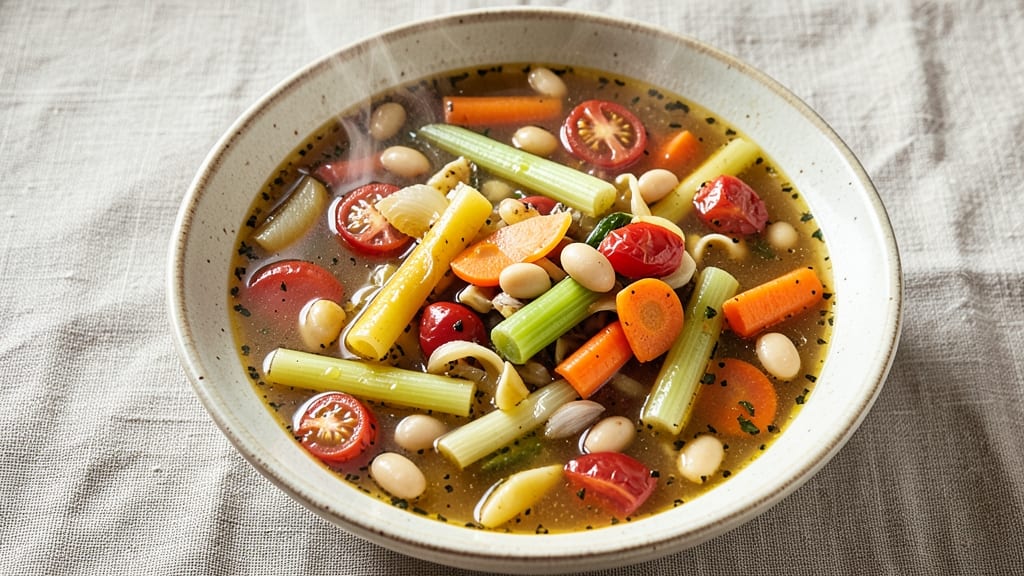
This amazing minestrone soup recipe is the kind of hearty, comforting bowl that turns a simple weeknight into a cozy Italian feast. The secret lies in slow-simmered vegetables, plump beans, and al dente pasta—all coming together in one pot with layers of flavor that just keep getting better.
I’ve perfected this version after years of testing, balancing traditional techniques with modern shortcuts so it’s foolproof for home cooks.
What makes this minestrone truly special is how it transforms humble ingredients into something restaurant-worthy. You’ll start with sautéing onions, garlic, and carrots until they’re fragrant and tender, then build depth with canned tomatoes and vegetable broth.
The beans and pasta cook right in the broth, absorbing all those rich flavors, while fresh herbs and Parmesan add bright, finishing touches. It’s the kind of soup that tastes even better the next day—perfect for meal prep or feeding a crowd.
The result is a hearty, satisfying bowl with crisp-tender vegetables, creamy beans, and perfectly cooked pasta, all swimming in a savory, aromatic broth.
The texture is what really sets it apart—crunchy from the fresh herbs and Parmesan, tender from the slow-cooked veggies, and just enough bite from the al dente pasta. This isn’t just soup; it’s a full meal in one bowl, packed with protein, fiber, and warmth.
Whether you’re making it for a chilly evening or prepping for the week, this minestrone delivers on comfort without compromise. The beauty of this recipe is its flexibility—swap in lentils for extra protein, use vegetable broth for a vegan version, or add a splash of white wine for depth.
Let’s get cooking!
Ingredients for amazing minestrone soup
Pantry staples plus fresh veggies—this soup comes together in one pot.
| Ingredient | Amount | Notes |
|---|---|---|
| Vegetable Broth 💧 | 6 cups | Low-sodium preferred for flavor control |
| Canned Diced Tomatoes 🍅 | 1 can | San Marzano if available, drained |
| Carrots 🥕 | 3 medium | Cut into 1/4-inch slices |
| Celery Stalk 🧅 | 3 whole | Diced small, about 1 cup |
| Yellow Onion 🧅 | 1 large | Diced finely |
| Garlic Cloves 🧄 | 4 cloves | Minced finely |
| Canned Cannellini Beans 🌱 | 1 ½ cups | Drained and rinsed |
| Canned Kidney Beans 🌱 | 1 cup | Drained and rinsed |
| Ditalini Pasta 🍝 | 1 ½ cups | Uncooked, al dente preferred |
| Extra-Virgin Olive Oil 🫒 | ¼ cup | For sautéing vegetables |
| Fresh Basil Leaves 🌿 | ¼ cup | Chopped, for garnish |
| Parmesan Cheese 🧀 | ½ cup | Freshly grated, plus extra for serving |
| Salt 🧂 | 1 ½ tsp | Diamond Crystal preferred |
| Black Pepper 🌶️ | ½ tsp | Freshly ground |
| Dried Oregano 🍃 | 1 tsp | Italian variety preferred |
The carrots and celery form the flavor base, so don’t skimp. Organic produce from the grocery store’s fresh section works great, but Trader Joe’s has the best pre-cut veggie mixes for speed. Look for firm, vibrant carrots—they should snap when bent. The onion and garlic? Yellow onions add sweetness, while red would work for a milder flavor. If you’re prepping ahead, chop all your veggies and store them in a sealed container in the fridge for up to 3 days. The beans? Canned is fine, but if you’re feeling ambitious, soak dried overnight for extra texture.
No canned tomatoes? Fresh crushed tomatoes or even tomato paste thinned with broth works—just add a pinch of sugar to balance acidity. Swapping beans? Lentils or chickpeas hold up well, but adjust cooking time since they’re denser. Fresh herbs missing? Dried basil or parsley at half the amount gets you close. The pasta? Ditalini or small shells work best—they hold up during simmering. For extra richness, stir in a splash of white wine when sautéing the veggies, but it’s totally optional.
This soup tastes even better the next day as flavors meld. Keeps in the fridge for 5-6 days, or freeze portions for 3 months. I like to double the batch and freeze half—perfect for lazy days. The Parmesan? Grate it fresh before serving, and toss in extra basil for that restaurant-style finish. Leftovers reheat beautifully—just add a splash of broth if it’s too thick.
Why You'll Love This Recipe
- I swear by this trick: just rough-chop carrots and celery into half-inch pieces—no fancy dice needed. That onion? Toss it in whole, peel and all, and it’ll soften perfectly while you stir in the tomatoes and broth. (Yes, even on a Tuesday night.)
- No-Chop Night Saver: I swear by this trick: just rough-chop carrots and celery into half-inch pieces—no fancy dice needed. That onion? Toss it in whole, peel and all, and it’ll soften perfectly while you stir in the tomatoes and broth. (Yes, even on a Tuesday night.)
- Tomato-Celery Magic: Here’s what sold me—the way the canned tomatoes caramelize into the broth, mingling with the celery’s earthy crunch. That yellow onion? It sweats into something almost sweet, like a secret hug in every spoonful.
- Leftovers That Beg: This soup tastes better the next day. Honestly, I make a double batch on Sundays because the flavors meld overnight, and reheating it is just stirring and smiling. (My lunchbox’s new best friend.)
Step-by-step instructions for hearty minestrone soup
Here's how to make this comforting, one-pot masterpiece with bold flavors and perfect texture.
Sauté the Aromatic Vegetables
Heat the 0.25 cup extra-virgin olive oil in a large Dutch oven over medium heat. Add the diced celery stalk and diced yellow onion, cooking for 5-6 minutes until softened and translucent. You'll notice the onions become nearly clear and the celery releases its fresh, earthy aroma.
Add the minced garlic cloves and 1 teaspoon dried oregano, stirring for 30 seconds until fragrant. This step builds the flavor foundation—don't rush it. The garlic should sizzle gently without burning, releasing its sweet, pungent aroma throughout the kitchen.
Add Carrots and Tomatoes
Stir in the cut carrots and cook for another 5 minutes until they begin to soften slightly at the edges. Add the drained canned diced tomatoes and 1.5 teaspoons salt, stirring to combine. The tomatoes will release their juices, creating a rich, slightly sweet base for your soup.
Pour in the 6 cups vegetable broth and bring to a gentle boil. Once boiling, reduce heat to medium-low and let it simmer for 10 minutes. This allows the vegetables to soften and the flavors to meld together beautifully. You'll see the broth turn a vibrant, inviting color as the vegetables release their natural pigments.
Add Beans and Pasta
Add the drained cannellini beans and drained kidney beans, stirring gently to distribute them evenly. After 5 minutes of simmering, add the 1.5 cups ditalini pasta and the 0.5 teaspoon black pepper. The pasta will begin to absorb the flavorful broth and soften gradually.
Let the soup simmer uncovered for another 12-15 minutes until the pasta is al dente and the carrots are tender but still hold their shape. You'll know it's ready when the pasta can be easily pierced with a fork and the vegetables are soft but not mushy. This cooking time ensures perfect texture in every bite.
Finish and Serve
Remove the soup from heat and stir in the chopped fresh basil leaves and 0.5 cup freshly grated parmesan cheese. The basil will add a bright, fresh finish, while the parmesan brings a rich, salty depth. Let the soup sit for 5 minutes to allow the flavors to meld together completely.
Taste and adjust seasoning if needed—this is where you can really make it amazing. Ladle the soup into bowls and garnish with additional parmesan cheese if desired. Each spoonful should deliver a perfect balance of hearty beans, tender vegetables, and rich, flavorful broth. Serve with crusty bread to soak up every last drop of this comforting minestrone.
Pro Tips For Making Amazing Minestrone Soup
- Sweat, Don’t Burn: The onion, celery, and carrots need to soften, not caramelize—low and slow is your friend here. I used to crank the heat and end up with a pot that smelled like a campfire instead of a kitchen. Keep it at a gentle simmer, stirring occasionally, until those veggies are fork-tender but still hold their shape.
- Muddle the Tomatoes: Skip the canned tomatoes’ liquid at first—mash them right in the pot with a wooden spoon. This thickens the base faster and cuts down on watery soup later. (Yes, even if it looks like you’re making tomato jam—it’s temporary.)
- Salt the Broth Early: Taste that vegetable broth before adding it to the pot. If it’s bland, season it now—you can’t fix under-seasoned soup later. I learned this the hard way after serving a bowl that needed a whole salt shaker. Trust me, your future self will notice.
- Add Pasta Last: Toss in the pasta with the last 5 minutes of cooking, or it’ll turn to mush. I was skeptical until I tried it—now I swear by it. If you’re worried about timing, just remember: al dente pasta is the only kind worth eating in minestrone.
Common mistakes when making this dish
Over-Salting the Broth
Minestrone is forgiving, but over-salting early can ruin the balance. I’ve learned to add only 1 teaspoon salt with the tomatoes, then taste before adding beans and pasta. If needed, adjust later with a pinch of Diamond Crystal salt—never dump it all in at once.
The beans and pasta will absorb excess salt, making the soup taste flat and one-dimensional. 🧂
Skipping the Sauté
Rushing the vegetable sauté is a huge mistake. Cooking onions, celery, and carrots until soft and fragrant builds depth that canned tomatoes alone can’t match. If you skip this step or rush it (5-6 minutes minimum), your soup will taste flat and watery.
The Maillard reaction happening here is what creates that rich, caramelized base. Don’t skip it!
Using Low-Quality Broth
Cheap, salty broth ruins everything. I always use low-sodium vegetable broth—brands like Pacific Foods or Imagine work perfectly. If you’re using bouillon cubes, reduce the salt in the recipe by half since they’re often heavily salted.
The broth should be the flavor backbone, not the afterthought. Taste it before adding—if it’s bland, boost it with a splash of white wine or extra tomato paste.
Cooking Pasta Too Long
Pasta that’s mushy turns minestrone into a sad, gluey mess. Test the ditalini at 12 minutes—it should be tender but still have a slight bite. If you’re unsure, taste it! Undercooked pasta is better than overcooked—you can always simmer it a few more minutes.
The pasta needs to hold its shape to provide texture contrast against the creamy beans and tender veggies. 🍝
Ignoring the Resting Time
Letting the soup sit off heat for 5 minutes after adding basil and Parmesan lets flavors meld. Skipping this step means you’ll miss out on that restaurant-quality depth. The Parmesan will melt slightly into the broth, and the basil will release its oils more fully.
I promise, this small step makes a world of difference in the final result.
Adding Fresh Herbs Too Early
Fresh basil and parsley should go in at the very end—never during cooking. Their bright flavors wilt and lose potency when simmered. If you add them early, your soup will taste dull and cooked-down.
Save them for the final 5 minutes of resting, or even better, garnish right before serving. This keeps that bright, fresh herbal note that makes minestrone taste vibrant. 🌿
Nutrition facts
Frequently asked questions
Can I make this minestrone vegan?
Swap the Parmesan for nutritional yeast or vegan cheese, and use vegetable broth instead of chicken broth. For extra protein, add lentils or extra beans. The flavor stays rich and hearty—just skip the Parmesan garnish or use a vegan alternative.
How do I make this soup in a slow cooker?
Sauté the onions, celery, carrots, garlic, and oregano first in a skillet, then transfer everything to your slow cooker. Add the tomatoes, broth, beans, and pasta. Cook on low for 4-5 hours or high for 2-3 hours, stirring occasionally. Finish with fresh basil and Parmesan. The slow cooker keeps the pasta from overcooking!
What vegetables can I add for extra nutrition?
Spinach, kale, or zucchini work beautifully—they wilt down quickly. For heartier options, try diced potatoes or sweet potatoes. Add them with the carrots and cook until tender. Just avoid adding delicate greens too early—they’ll turn mushy.
Can I prep this ahead of time?
Yes! Make the soup up to 3 days ahead and store it in the fridge. The flavors actually improve over time. For freezing, cool it completely first, then portion into airtight containers. Reheat gently on the stove with a splash of broth to restore texture. Perfect for meal prep!
Why does my minestrone taste bland?
Most likely, the broth needs more depth. Try adding a splash of white wine or red wine vinegar while sautéing veggies, or stir in a pinch of sugar to balance acidity. Fresh herbs at the end also brighten flavors. Taste as you go—minestrone should be savory, not flat!