
Soups & Stews
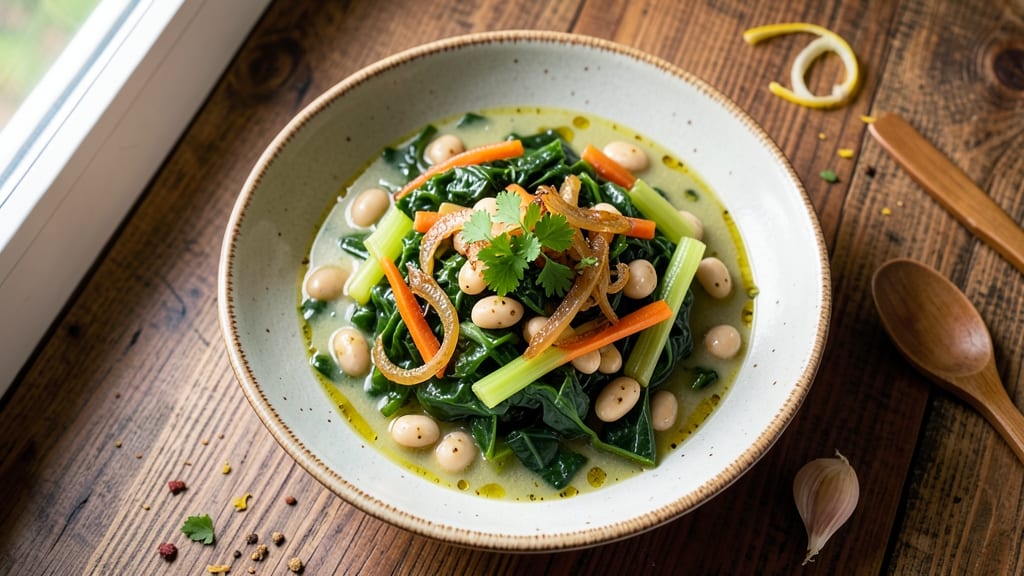
This American Heart Association cabbage soup recipe delivers a lightened-up, fiber-packed bowl that supports heart health without sacrificing flavor. Designed with low-sodium principles, it prioritizes whole ingredients like cabbage, carrots, and lean proteins—all while keeping added fats minimal.
The result is a nutrient-dense soup that aligns with AHA guidelines, offering a satisfying yet health-conscious meal option.
The beauty of this recipe lies in its simplicity and versatility. With just 30 minutes of active prep and a one-pot cooking method, it’s perfect for busy weeknights or meal prep. The combination of cruciferous vegetables, legumes, and lean protein creates a balanced dish that’s both heart-healthy and deeply satisfying.
Every spoonful is packed with fiber, vitamins, and antioxidants, making it a smart choice for anyone focused on cardiovascular wellness.
What sets this soup apart is its ability to adapt to dietary needs while maintaining bold flavor. Whether you’re watching sodium intake or simply aiming for a lighter meal, this recipe delivers.
The cabbage and vegetables provide a satisfying crunch, while the broth remains rich and aromatic—without the need for excess salt or unhealthy fats. It’s the kind of dish that proves healthy eating can be delicious and effortless.
Serve this soup as a standalone meal or pair it with a side of whole-grain bread for added texture. The recipe scales easily, making it ideal for feeding a family or prepping for lunches ahead.
With its focus on whole, unprocessed ingredients, this cabbage soup is a testament to how simple, thoughtful cooking can support long-term health.
Ingredients for american heart association cabbage soup
Whole vegetables, lean proteins, and smart seasoning create this heart-healthy cabbage soup masterpiece.
| Ingredient | Amount | Notes |
|---|---|---|
| Green Cabbage 🥬 | 6 cups | Shredded, core removed |
| Carrots 🥕 | 2 cups | Medium-sized, sliced |
| Yellow Onion 🧅 | 1 whole | Diced, medium size |
| Celery Stalks 🌿 | 3 whole | Sliced, including leaves |
| Garlic Cloves 🧄 | 3 cloves | Minced, fresh preferred |
| Canned White Beans 🥫 | 1 ½ cups | Drained, low-sodium preferred |
| Low-Sodium Vegetable Broth 💧 | 4 cups | Homemade or quality store-bought |
| Tomato Paste 🍅 | 2 tbsp | Unsweetened, for depth |
| Extra-Virgin Olive Oil 🫒 | 1 tbsp | For sautéing vegetables |
| Fresh Parsley 🌿 | ¼ cup | Chopped, for garnish |
| Lemon Juice 🍋 | 1 tbsp | Freshly squeezed, brightens flavor |
| Diamond Crystal Kosher Salt 🧂 | ¼ tsp | For seasoning, sparingly |
| Ground Black Pepper 🌶️ | ¼ tsp | Freshly ground, enhances flavor |
| Whole-Grain Bread 🍞 | 1 slice | Optional, for serving |
The cabbage and carrots form the fiber-rich backbone of this soup—look for fresh, crisp heads at the grocery store, not wilted or yellowing produce. Trader Joe's or Whole Foods bulk sections often carry the best quality, especially for cabbage. For the white beans, low-sodium varieties are critical to keep this recipe aligned with AHA guidelines; brands like Bush's Low-Sodium or Amy's Organic are excellent choices. The vegetable broth should be 100% vegetable-based—no chicken or beef stocks. For the tomato paste, San Marzano is ideal if you want to splurge, but any quality unsweetened paste works. Fresh parsley isn't just for garnish; it adds a bright, herbal note that balances the earthy vegetables.
No fresh parsley? Dried parsley at one-third the amount works in a pinch, though fresh is preferred. Substituting canned tomatoes for tomato paste? Use 1 cup crushed tomatoes instead of 2 tbsp paste, but be mindful of added sodium—opt for no-salt-added varieties. Running low on vegetable broth? Water plus 1 tsp bouillon powder (low-sodium) gets you close, though homemade broth is always superior. The carrots and celery can be swapped for other vegetables like zucchini or bell peppers if you prefer variety, but keep the total volume consistent. For a protein boost without meat, consider adding 1 cup cooked lentils or 1/2 cup crumbled firm tofu—both work beautifully in this soup.
This soup tastes even better the next day as flavors meld together. Store in an airtight container in the fridge for up to 5 days, though the texture of the cabbage and carrots may soften slightly over time. For longer storage, freeze portions in airtight containers for up to 3 months. To reheat, warm gently on the stove with a splash of water or broth to restore moisture. The whole-grain bread pairing adds texture and fiber—Ezekiel bread or sourdough work particularly well. If prepping ahead, assemble the soup without the parsley and lemon juice until serving to preserve freshness.
Why You'll Love This Recipe
- One word: garlic. This recipe doesn’t skimp—those cloves get minced and caramelized right into the onions until the whole pot smells like a hug. The cabbage soaks it up, turning the broth from mild to ridiculously good without any fancy seasoning.
- No-Chop Nightmare: That thick, hearty cabbage—shredded or chopped, I don’t judge—cooks down into something silky. The carrots and celery soften just enough to melt into the broth while keeping that satisfying crunch. Honestly, I’ll take a slightly uneven chop over perfect every time if it means this soup’s on the table in 25 minutes.
- Garlic Bomb Depth: One word: garlic. This recipe doesn’t skimp—those cloves get minced and caramelized right into the onions until the whole pot smells like a hug. The cabbage soaks it up, turning the broth from mild to ridiculously good without any fancy seasoning.
- Leftovers That Lie: I make a double batch on Sundays, and by Wednesday, my family’s pretending they didn’t already eat half. The flavors only get better as the cabbage softens further—like a secret upgrade. Plus, it reheats in seconds, so no one’s complaining about cold lunches.
Step-by-step instructions for lightened-up cabbage soup
This method delivers a heart-healthy soup packed with fiber and nutrients while keeping preparation simple and efficient.
Sauté the Vegetable Base
Heat the 1 tablespoon extra-virgin olive oil in a large pot over medium heat. Add the 1 whole yellow onion, 2 cups carrots, and 3 whole celery stalks, stirring occasionally for 5-6 minutes until the vegetables begin to soften and the onion becomes translucent.
Here's the thing—don't rush this step. You want the vegetables to develop some color and release their natural sweetness. If the oil starts to smoke excessively, reduce the heat slightly. Add the 3 cloves minced garlic and cook for another 30 seconds until fragrant. This aromatic base forms the flavor foundation for your soup.
Build the Soup Foundation
Stir in the 2 tablespoons tomato paste and cook for 1 minute until it darkens slightly and blends smoothly with the vegetables. This adds depth without excess calories. Pour in the 4 cups low-sodium vegetable broth and bring the mixture to a gentle boil over high heat. Once boiling, reduce heat to medium-low and add the 6 cups shredded green cabbage.
I like to stir once to distribute the cabbage evenly, then let it simmer uncovered for 8-10 minutes. This allows the cabbage to soften while maintaining its texture. The soup should smell vibrant with earthy cabbage and sweet carrot aromas. If you notice the soup reducing too quickly, add a splash of water to maintain the proper consistency.
Incorporate the Beans and Season
Add the 1.5 cups drained white beans to the pot and stir gently to combine. The beans will help thicken the soup naturally while adding plant-based protein. Simmer for another 5-7 minutes until the cabbage is tender but still holds its shape—you want it to be fork-tender, not mushy.
Season with the 0.25 teaspoon diamond crystal kosher salt and 0.25 teaspoon ground black pepper. Taste the soup at this point—you might need to adjust the salt slightly depending on your broth's saltiness. The lemon juice will add brightness later, so hold off until the end. This soup should be flavorful but not overwhelming in salt content, aligning with heart-healthy guidelines.
Finish and Serve
Remove the pot from heat and stir in the 1 tablespoon freshly squeezed lemon juice. This brightens the flavors and adds a refreshing contrast to the earthy vegetables. Let the soup sit off the heat for 5 minutes to allow the lemon to fully integrate and the flavors to meld.
Ladle the soup into bowls and garnish each serving with 0.25 cup chopped fresh parsley. For serving, offer the 1 slice whole-grain bread on the side. The bread adds a satisfying texture contrast and can help absorb any remaining broth. This soup keeps well in the refrigerator for 3-4 days, making it perfect for meal prep while maintaining its nutritional benefits.
Pro Tips For Making American Heart Association Cabbage Soup
- CHOP CABBAGE SMALL: The AHA recipe works best when the cabbage breaks down into tender, bite-sized pieces—not mushy. Cut it into ½-inch wedges or shred it finely (a mandoline saves time here). If you’re using whole leaves, they’ll turn to slime instead of melting into the broth.
- SOFTEN ONIONS FIRST: Don’t rush the onion—cook it until it’s translucent and just starting to caramelize (about 5 minutes). This builds flavor before adding celery and carrots. Skipping this step leaves the soup tasting flat, like you forgot to season.
- DON’T BOIL DRY: This soup simmers, not boils. Keep it at a gentle bubble—if it’s roaring, it’ll turn bitter. Add a splash of water or broth if needed, but resist the urge to crank the heat. Low and slow keeps the veggies tender and the broth rich.
- USE FRESH GARLIC: The AHA recipe calls for minced garlic, but frozen or jarred won’t cut it—it lacks the bright punch fresh does. Mince it right before adding to the pot (or press it for even better flavor). If you’re short on time, a garlic powder pinch works, but it’s not the same.
Storing and reheating this dish
Fridge Storage Tips
Transfer your cabbage soup to an airtight glass container within 2 hours of cooking to preserve freshness. I recommend Pyrex storage containers with snap-on lids—they distribute heat evenly and prevent condensation.
Store in the refrigerator at 40°F or below for up to 5 days, though the texture of the cabbage and carrots will soften slightly over time. The flavors actually deepen as the vegetables meld together, making it taste even better the next day. 🥫
Freezer Prep Guide
For longer storage, freeze portions in quart-sized freezer bags with 1-inch headspace to account for expansion. Squeeze out excess air to prevent freezer burn, and label with the date.
This soup maintains quality for up to 3 months in the freezer, though I find the texture is best within 2 months. To thaw, transfer to the fridge overnight or use the microwave on defrost setting for 3-4 minutes, stirring halfway. 🧊
Reheating Methods
For stove-top reheating, transfer the soup to a pot and warm over medium-low heat for 8-10 minutes, stirring occasionally. Add 2-3 tablespoons of water or low-sodium broth if the soup appears too thick. This method preserves the cabbage's texture better than microwave reheating.
For quick meals, microwave individual portions covered with a damp paper towel on 70% power for 2-3 minutes, stirring between intervals until reaching 165°F. 🔥
Preserving Freshness
Hold off adding fresh parsley and lemon juice until reheating to maintain their vibrant flavors. If prepping ahead, store these components separately in small containers. When ready to serve, simply stir in the parsley and squeeze fresh lemon juice over each bowl.
This keeps the soup tasting bright and restaurant-quality, even after storage. The whole-grain bread should be toasted fresh to maintain its texture and fiber benefits. ✨
Portion Control
Divide the soup into single-serving containers before freezing or refrigerating to make reheating effortless. I like to use 16-ounce glass jars for individual portions—they're microwave-safe and easy to grab. For meal prep, assemble the soup without the parsley and lemon juice until ready to eat.
This ensures every bowl tastes fresh and flavorful, whether you're eating it straight from the fridge or after reheating. 💡
Texture Considerations
If the cabbage becomes too soft after storage, balance the texture by adding ½ cup chopped fresh celery or carrots when reheating. These vegetables add crunch while keeping the soup heart-healthy.
For extra creaminess without dairy, stir in 1 tablespoon unsweetened coconut milk or a splash of low-sodium chicken broth during reheating. This maintains the soup's nutritional profile while improving mouthfeel. 🥕
Nutrition facts
Frequently asked questions
Can I make this cabbage soup vegan?
Simply omit the optional whole-grain bread or use a vegan bread alternative like Ezekiel bread made with plant-based ingredients. The recipe already includes plant-based protein from the white beans, making it naturally vegan-friendly. Just ensure your vegetable broth is vegan-certified if needed.
How can I boost the protein content without meat?
Add 1 cup cooked lentils or ½ cup crumbled firm tofu to the soup for extra protein while keeping it heart-healthy. Both options blend well with the vegetables and add satisfying texture. For a dairy-free option, tofu works beautifully when lightly seasoned with black pepper.
Is this soup suitable for a low-sodium diet?
Yes, this recipe is designed with low-sodium principles in mind. Using low-sodium vegetable broth and minimal salt ensures it aligns with heart-healthy guidelines. The natural flavors of the vegetables and lemon juice provide plenty of taste without excess sodium. Always check labels on canned beans and broth for hidden sodium.
Can I substitute other vegetables?
Certainly! Swap carrots for zucchini or bell peppers for variety, or add ½ cup chopped kale for extra nutrients. Just maintain the total vegetable volume to keep the soup's consistency and nutritional balance. The cabbage remains the star, so keep at least 4 cups for optimal fiber content.
Why does my cabbage soup taste bland?
Blandness often comes from insufficient seasoning or overcooking. Ensure you're using fresh garlic, lemon juice, and black pepper to brighten flavors. Simmer the soup just until vegetables are tender (15-20 minutes total) to preserve natural sweetness. If needed, add a pinch more salt or a splash of low-sodium soy sauce for umami depth.