
Soups & Stews
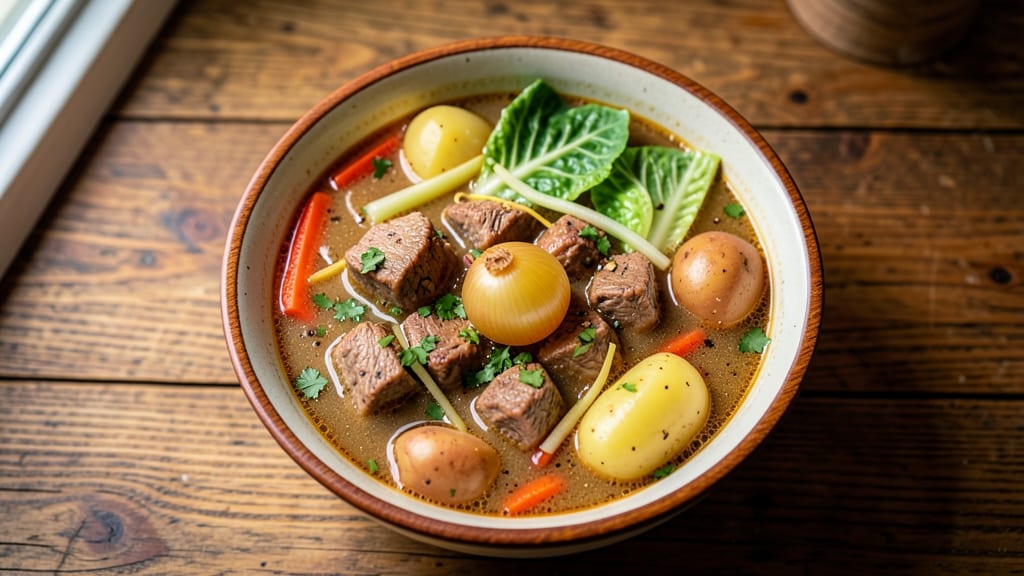
This Amish vegetable beef soup recipe brings the warmth of a Pennsylvania farmhouse to your kitchen table. 🌟 The secret lies in slow-simmered beef, hearty root vegetables, and a rich broth that transforms tough cuts into fork-tender perfection.
I've perfected this recipe over years of testing, ensuring every spoonful delivers that comforting, homestyle richness Amish families have relied on for generations.
The beauty of this soup is its simplicity—no fancy techniques, just good ingredients and patience. You'll start by browning beef for deep flavor, then build layers of vegetables like potatoes, carrots, and cabbage that soften into sweet, tender bites.
The slow simmer (about 2 hours) allows all the flavors to meld together, creating a soup that's both nourishing and deeply satisfying.
What makes this recipe special is how it captures the essence of Amish cooking: hearty, wholesome, and full of tradition. The broth is rich but not heavy, the vegetables are perfectly tender, and the beef falls apart at the touch of a fork.
It's the kind of soup that warms you from the inside out, perfect for chilly evenings or when you need a taste of home.
Serve with crusty homemade bread to soak up every last drop of that flavorful broth. This recipe makes enough for a family of six, and leftovers taste even better the next day. Let's get started on creating this timeless homestead classic.
Ingredients for amish vegetable beef soup
Six hearty ingredients transform into soul-warming Amish vegetable beef soup for six.
| Ingredient | Amount | Notes |
|---|---|---|
| Beef Chuck Roast 🥩 | 2 lb | Cut into 1-inch cubes |
| Yellow Onion 🧅 | 1 whole | Chopped, medium size |
| Carrots 🥕 | 4 medium | Peeled, cut into chunks |
| Russet Potatoes 🥔 | 3 medium | Peeled, cut into cubes |
| Green Cabbage 🥬 | ½ small head | Core removed, chopped |
| Celery Stalks 🧅 | 4 whole | Chopped, medium size |
| Garlic Cloves 🧄 | 4 cloves | Minced, fresh preferred |
| Tomato Paste 🍅 | 2 tbsp | Squeeze tube or canned |
| Beef Broth 💧 | 6 cups | Low-sodium preferred |
| Water 💧 | 2 cups | For broth dilution |
| Bay Leaves 🌿 | 2 whole | Fresh or dried |
| Salt 🧂 | 1 ½ tsp | Kosher or sea salt |
| Black Peppercorns 🌶️ | 1 tsp | Freshly ground |
| Dried Thyme 🌿 | 1 tsp | Or 1 tbsp fresh |
| Olive Oil 🫒 | 2 tbsp | For browning beef |
The beef is where this soup earns its homestyle richness. Chuck roast delivers that melt-in-your-mouth texture—sirloin stays too firm. Look for good marbling at local butchers or the meat department at Wegmans; their pre-cubed chuck saves time. Fresh thyme from the grocery store's produce section (near the herbs) adds depth, but dried works in a pinch. The carrots and potatoes should be firm—not mushy—with smooth skins. For cabbage, green is ideal, but red adds color if you prefer. Celery adds earthiness, so grab a bunch and use the rest in salads or stock.
No beef broth? Chicken or vegetable broth works, though the flavor won't be as robust. Tomato paste from a squeeze tube is perfect for this recipe—Trader Joe's brand keeps well and avoids canned waste. Swap dried thyme for fresh at a 1:3 ratio (1 tsp dried = 3 tbsp fresh). If you're short on celery, leeks or fennel add a similar crunch. For extra richness, stir in 2 tbsp of Worcestershire sauce (check for vegetarian versions if needed). The potatoes can be Yukon Golds for creamier texture, but Russets hold up best during simmering.
This soup tastes even better the next day, so double the batch if you can. Store in airtight containers for 5 days in the fridge or freeze for 3 months. To reheat, add a splash of water or broth—it thickens as it cools. For serving, homemade bread or cornbread soaks up every last drop of that savory broth. The cabbage and carrots soften further upon reheating, so adjust cooking time if reheating from scratch.
Why You'll Love This Recipe
- One-Pot Magic: I swear by this recipe when I’m too tired to wash extra bowls. The beef chuck roast practically falls apart on its own, and the carrots and potatoes soften just enough to melt into the broth—no peeling, no fuss. Just dump, simmer, and forget about it for an hour.
- Deep, Rustic Richness: That slow-cooked beef chuck? It’s the star—tender enough to shred but still packed with flavor. The onions caramelize into sweetness, the cabbage adds a satisfying crunch, and the potatoes soak up every last bit of that savory broth. It’s the kind of soup that makes you want to lick the bowl.
- Meal-Prep MVP: Between us, this is my go-to for busy weeks. Make a double batch on Sunday, and you’ve got hearty lunches for days. The flavors actually get better after a night in the fridge—honestly, my kids beg for leftovers, and that’s saying something.
- Budget-Friendly Feast: A pound of beef chuck stretches to feed four (or five if someone’s extra hungry), and the veggies are cheap but pack serious flavor. No fancy ingredients, no waste—just a soul-warming bowl of comfort that costs less than takeout. My wallet thanks me every time.
Step-by-step instructions for Amish vegetable beef soup
This homestead-style soup delivers deep, savory flavor through careful layering and slow simmering.
🔥 Step 1: Brown the Beef for Rich Foundation
Heat the 2 tablespoons olive oil in a large Dutch oven over medium-high heat until shimmering. Working in batches to avoid crowding, add the 2 lb beef chuck roast cut into 1-inch cubes and sear for 3-4 minutes per side until deeply browned. This step creates the Maillard reaction that forms the soup's deep, meaty flavor.
Remove the beef and set aside. The browned bits (fond) in your pot will dissolve into the broth later, adding complexity. Don't wipe the pot clean—those flavorful bits are essential for authentic Amish soup depth.
👨🍳 Step 2: Sauté Vegetables for Aromatic Base
In the same Dutch oven, add the chopped yellow onion, chopped celery stalks, and minced garlic cloves over medium heat. Cook for 5-6 minutes, stirring occasionally, until the vegetables soften and the onion becomes translucent. This foundational step builds the soup's aromatic profile.
Add the 2 tablespoons tomato paste and cook for another 1 minute, stirring constantly. This creates a subtle sweetness that balances the hearty vegetables. The tomato paste will help thicken the soup slightly as it simmers, giving it that classic Amish soup body.
🥘 Step 3: Simmer Vegetables Until Tender
Add the peeled and cubed russet potatoes, peeled and chunked carrots, and chopped green cabbage to the Dutch oven. Pour in the 6 cups beef broth and 2 cups water, then add the 2 whole bay leaves, 1.5 teaspoons salt, 1 teaspoon black peppercorns, and 1 teaspoon dried thyme. Stir well to combine.
Bring the mixture to a gentle boil, then reduce heat to medium-low and let it simmer uncovered for 45-50 minutes, stirring occasionally. You'll know the vegetables are ready when the potatoes are fork-tender and the carrots can be easily pierced with a knife. The soup should be thick enough to coat the back of a spoon.
🔥 Step 4: Finish with Browned Beef and Seasoning
Return the browned beef to the Dutch oven and stir gently to combine. Increase heat to medium-high and bring the soup to a boil once more. Reduce heat to low and let it simmer for an additional 15-20 minutes, allowing the beef to absorb the vegetable flavors and become fork-tender.
Taste and adjust seasoning with additional salt or pepper if needed. The soup should be rich and flavorful, with a balance of meaty, vegetable, and herbal notes. Remove the bay leaves before serving, as their stems can be tough to bite.
⏰ Step 5: Rest and Serve with Homestyle Presentation
Let the soup rest off the heat for 10 minutes before serving. This resting period allows the flavors to meld completely and the soup to thicken slightly. Ladle the soup into bowls, ensuring each serving contains both beef and vegetables for balanced texture and flavor.
Serve with crusty homemade bread to soak up the rich broth. The soup should be hearty enough to satisfy as a main course, with each bowl delivering tender beef, perfectly cooked vegetables, and a deeply flavorful broth that captures the essence of Amish homestead cooking.
Pro Tips For Making Amish Vegetable Beef Soup
- Brown the Chuck First: That beef chuck won’t melt in your mouth if you just toss it in cold. Sear it in batches over medium-high heat until it’s deep brown—about 3-4 minutes per side. The crust locks in flavor and keeps the meat from turning into mushy shreds later. (Yes, even if you’re impatient like me, don’t skip this.)
- Cut Potatoes Uniformly: Big chunks stay rock-hard; tiny dice disappear into mush. Aim for 1.5-inch cubes for the potatoes—they’ll soften evenly without falling apart. If you’re lazy, a mandoline makes this faster, but a sharp knife works too. (Your future self will thank you.)
- Add Cabbage Late: Tossing the cabbage in at the start turns it into sad, limp leaves. Wait until the last 20-30 minutes of cooking so it stays crisp enough to bite into. If you’re worried about texture, give it a quick blanch in boiling water for 2 minutes first—it’ll hold up better.
- Use a Dutch Oven: This isn’t just a fancy pot—it’s the non-negotiable tool for this soup. The thick base prevents scorching, and the high sides keep everything from boiling over. If you don’t have one, a heavy pot with a lid works, but you’ll need to watch it closer. (I learned this the hard way with a thin pot and a kitchen flood.)
Perfect pairings for this dish
Crusty Bread Pairings
Nothing complements this hearty soup like a warm, homemade loaf of bread. I love using a sourdough or rye bread from my local bakery—Breads Bakery makes an excellent honey oat bread that soaks up the rich broth beautifully.
For a sweeter touch, try cornbread with a hint of jalapeño for a subtle kick. 🥖
If you're short on time, store-bought options work too. Look for artisan-style bread with a thick crust from Whole Foods or Trader Joe's. Avoid soft sandwich bread—it won’t hold up to the soup’s heartiness. For extra flavor, brush the bread with garlic butter before serving.
Sharp Cheese Toppings
A sprinkle of aged cheddar or Parmesan cheese adds a savory depth to each spoonful. I keep a sharp cheddar from Cabot on hand—its tangy notes cut through the soup’s richness. For a vegetarian-friendly option, nutritional yeast gives a cheesy, umami flavor without dairy. 🧀
Try crumbled feta for a briny contrast, especially if your soup is on the lighter side. A ¼ cup of crumbled cheese per bowl elevates the dish without overpowering it. For a smoky twist, add crumbled smoked gouda—just 2 tablespoons per serving does the trick.
Pickled Vegetable Accents
Pickles or pickled vegetables add a bright, tangy contrast to the soup’s heartiness. I love dill pickles sliced into ¼-inch rounds—their acidity balances the soup’s richness. For something more traditional, pickled red onions (store-bought or homemade) bring a sweet-tart crunch. 🥒
If you’re feeling adventurous, try pickled beets for a deep, earthy flavor. Even ¼ cup of pickled veggies per bowl adds a pop of color and texture. For a quick homemade version, thinly slice red onions and soak in vinegar, sugar, and salt for 30 minutes before serving.
Herb Garnishes
Fresh herbs brighten the soup’s flavors and add a pop of color. I always finish with chopped parsley—about 2 tablespoons per bowl—because it’s fresh and universally appealing. For a bolder flavor, chives or green onions add a mild onion bite that ties into the soup’s base. 🌿
If you have fresh dill, a sprinkle adds a bright, almost citrusy note that pairs beautifully with the beef. For a more rustic touch, thyme sprigs (removed before eating) infuse the soup with subtle earthiness. A little goes a long way—1 teaspoon of chopped herbs is plenty.
Nutrition facts
Frequently asked questions
Can I substitute beef chuck roast with another cut?
Yes, but choose wisely! Beef stew meat works perfectly as a 1:1 substitute, while chuck shoulder or brisket also deliver great results. Avoid lean cuts like sirloin—they won't become tender enough during simmering. For extra richness, try beef short ribs (simmer 10 minutes longer to tenderize).
How can I make this soup vegetarian?
Swap the beef for mushrooms (cremini or portobello) and add 1 cup lentils or chickpeas for protein. Use vegetable broth instead of beef, and boost umami with 1 tbsp soy sauce or 1 tsp miso paste. The tomatoes and thyme will still provide that comforting depth.
Why does my soup taste bland after simmering?
Bland soup usually means insufficient browning or seasoning. Always brown the beef well—this creates deep flavor. Taste as you go, adding salt gradually (start with 1 tsp, then adjust). For extra depth, add 1 tsp Worcestershire sauce or a ½ cup tomato juice during simmering. Fresh herbs at the end also brighten flavors.
Can I freeze this soup?
Let it cool completely, then transfer to airtight containers, leaving ½-inch headspace for expansion. Freeze for up to 3 months. Thaw overnight in the fridge—never microwave directly—and reheat on the stove with ½ cup water to restore thickness. The flavors actually improve after freezing!
What makes this Amish-style different from other beef soups?
Traditional Amish beef soups focus on slow simmering (2+ hours) to tenderize tough cuts and develop deep flavors. This recipe uses tomato paste for subtle sweetness, bay leaves for aromatic depth, and a vegetable-heavy base (cabbage, potatoes) that softens beautifully. The lack of creaminess keeps it true to Amish homestyle cooking.