
Soups & Stews
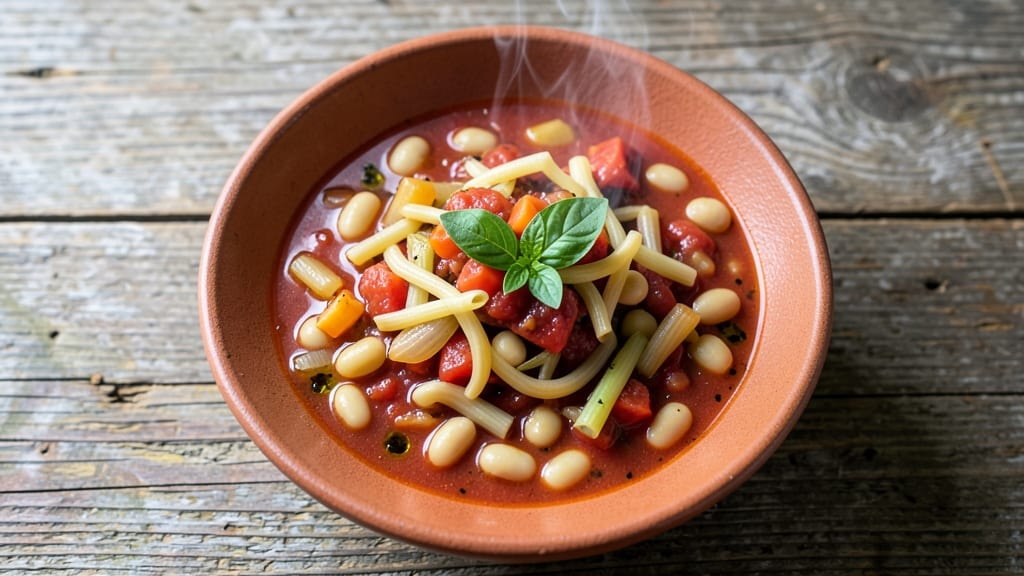
Amy's minestrone soup recipe transforms simple pantry staples into a hearty, restaurant-quality bowl of comfort. The secret lies in balancing vegetarian protein from beans with rich tomato broth and al dente pasta—just like the iconic canned version, but made from scratch.
This foolproof method delivers the same satisfying texture and depth of flavor that made Amy's famous, with no shortcuts needed.
The beauty of this recipe is its versatility—it works as a quick weeknight dinner or a nourishing meal prep solution. We'll use cannellini beans for creaminess, ditalini pasta for classic texture, and a blend of tomato sauce, broth, and fresh vegetables to create that signature hearty broth.
The slow simmering process develops complex flavors while keeping the vegetables tender-crisp.
What you'll end up with is a rich, chunky soup with perfectly cooked pasta, tender beans, and vibrant vegetables—all swimming in a savory tomato broth. The aroma alone will have everyone gathering at the table, and each spoonful delivers that homestyle richness that's impossible to resist.
This is minestrone the way it should be made: authentic, hearty, and full of character.
Whether you're keeping it vegetarian or adding meat for a heartier version, this recipe adapts to your needs while maintaining that Amy's-inspired taste. Let's get started on creating your own pantry-to-table masterpiece.
Ingredients for amy's minestrone soup
Pantry staples plus a few fresh veggies—everything you need for Amy's iconic minestrone.
| Ingredient | Amount | Notes |
|---|---|---|
| Ditalini Pasta 🍝 | 1 ½ cups | Uncooked, al dente preferred |
| Cannellini Beans 🌱 | 2 cups | Canned, drained and rinsed |
| Tomato Sauce 🍅 | 2 cups | Canned San Marzano preferred |
| Vegetable Broth 💧 | 4 cups | Low-sodium preferred |
| Yellow Onion 🧅 | 1 whole | Diced, medium size |
| Carrots 🥕 | 2 medium | Peeled, diced |
| Celery Stalks 🌿 | 2 whole | Diced, fresh preferred |
| Garlic Cloves 🧄 | 4 cloves | Minced, fresh preferred |
| Diced Tomatoes 🍅 | 1 can | 14.5 oz, fire-roasted |
| Kale Leaves 🌱 | 2 cups | Chopped, stems removed |
| Extra-Virgin Olive Oil 🫒 | 2 tbsp | For sautéing |
| Dried Oregano 🍃 | 1 tsp | Italian preferred |
| Salt 🧂 | 1 ½ tsp | Diamond Crystal preferred |
| Black Pepper 🌶️ | ½ tsp | Freshly ground |
| Bay Leaves 🌿 | 2 whole | Removed before serving |
The beans are the heart of this soup. Cannellini gives that creamy texture, but kidney beans or chickpeas work too if that's what you have. For the broth, low-sodium is key—skip the salt boost, you'll adjust at the end. The San Marzano tomato sauce makes all the difference—sweeter, richer flavor than regular brands. I grab mine at Whole Foods or Trader Joe's; their bulk bins are perfect for stocking up. Fresh herbs? Kale adds that signature Amy's texture—tough stems out, just chop the leaves. If you're short on time, frozen chopped spinach works in a pinch.
No fresh garlic? One teaspoon garlic powder gets you close, but fresh is worth it. The carrots and celery can be pre-diced from frozen bags—Birds Eye or Green Giant are my go-tos. For a smokier flavor, swap half the tomato sauce for fire-roasted diced tomatoes. The pasta? Ditalini is classic, but penne or rigatoni work too if that's what you've got. Need to stretch this further? Add white beans or lentils—they soak up the broth beautifully. And if you're worried about the soup being too thick, just add more broth at the end.
This soup tastes even better the next day—3-4 days in the fridge, no problem. For meal prep, portion into glass containers with a layer of broth on top to keep everything fresh. Freezes beautifully too—up to 3 months. I always make a double batch because it disappears fast. The pasta gets mushy if reheated with broth, so add a splash of water or broth when warming up. And trust me, the extra bay leaves while cooking are worth it—they infuse that subtle herbal depth that makes this taste restaurant-quality.
Why You'll Love This Recipe
- That’s the magic: the beans break down just enough to thicken the broth naturally, while the tomato sauce keeps it bright. Honestly, the first time I tasted it, I thought I’d added heavy cream—nope, just patience and a pot.
- No-Chop Necessary: I swear by this—just dice that onion while the broth heats up. No prep ahead, no stress. The cannellini beans soften perfectly while the ditalini cooks, so you’re stirring, not chopping for hours.
- Creamy Without Cream: That’s the magic: the beans break down just enough to thicken the broth naturally, while the tomato sauce keeps it bright. Honestly, the first time I tasted it, I thought I’d added heavy cream—nope, just patience and a pot.
- Leftovers That Beg for More: This soup tastes better the next day. I make a double batch on Sundays, and by Wednesday, my kids are fighting over the last bowl. (Yes, even on a Tuesday night.)
Step-by-step instructions for Amy's minestrone soup
Here's how to transform simple pantry staples into a soul-warming bowl of minestrone that tastes like home.
Sauté the Vegetable Base
Heat the 2 tablespoons extra-virgin olive oil in a large pot over medium heat. Add the diced yellow onion, diced carrots, and diced celery stalks—this trio forms the aromatic foundation. Cook for 8-10 minutes, stirring occasionally, until the vegetables soften and the onion becomes translucent. You'll notice the carrots and celery release their juices, creating a fragrant base that will infuse the entire soup.
Add the 4 minced garlic cloves and the 1 teaspoon dried oregano to the pot, stirring for 30 seconds until the garlic becomes fragrant but doesn't brown. This step is where the flavors start to meld—don't rush it. The oregano will add that earthy depth that makes minestrone taste so authentic. Keep the heat at medium to prevent burning the garlic.
Build the Tomato and Bean Foundation
Pour in the 2 cups tomato sauce and stir to combine with the sautéed vegetables. Let it simmer for 5 minutes to deepen the flavors. Then, add the 2 cups cannellini beans (drained and rinsed) and the 1 can diced tomatoes (with juices). Stir everything together and bring the mixture to a gentle boil.
Once boiling, reduce the heat to low and let it simmer for 10 minutes. This allows the beans to rehydrate slightly and the tomatoes to break down, creating a rich, chunky base. You'll see the soup thicken slightly as the starches from the beans and tomatoes release. Taste a spoonful—it should be savory but not overly acidic yet. If needed, add a pinch of the 1.5 teaspoons salt to balance the flavors.
Add Broth and Seasonings
Pour in the 4 cups vegetable broth and add the 2 whole bay leaves. Bring the mixture back to a gentle simmer, then reduce the heat to low-medium to maintain a steady, rolling boil. Let it simmer for 15 minutes, stirring occasionally. This step is where the soup comes together—allowing the broth to infuse with the vegetables, beans, and tomatoes.
Season with the remaining 1 teaspoon salt and 0.5 teaspoon black pepper. Taste and adjust the seasoning—minestrone should be bold but balanced. The bay leaves will add a subtle herbal note, but don't worry if you forget to remove them later; they're easy to fish out before serving.
Incorporate Pasta and Greens
Add the 1.5 cups ditalini pasta and the 2 cups chopped kale leaves to the pot. Stir gently to distribute the pasta and kale evenly. The pasta will cook quickly in the hot broth, so keep the soup at a gentle simmer—not a rolling boil—to prevent the pasta from breaking apart. Cook for 8-10 minutes, stirring occasionally, until the pasta is al dente (firm to the bite).
The kale will wilt and soften as it cooks, adding a touch of earthy green to the soup. You'll know it's done when the pasta is tender but still has a slight bite. Taste a piece of pasta—it should be firm enough to hold its shape but soft enough to enjoy. If the soup seems too thick, add a splash of water or broth to loosen it.
Finish and Serve
Remove the pot from heat and let the soup rest for 5 minutes. This allows the flavors to meld and the pasta to finish cooking slightly from the residual heat. Before serving, carefully remove the 2 bay leaves with tongs—this ensures they don't linger in the soup and make it bitter.
Ladle the minestrone into bowls and serve immediately. Each spoonful should deliver a harmonious blend of creamy beans, hearty pasta, tender vegetables, and rich tomato broth. The kale adds a touch of freshness, while the oregano and bay leaves tie all the flavors together. Pair it with crusty bread to soak up every last drop of that comforting, homestyle goodness.
Pro Tips For Making Amy'S Minestrone Soup
- SOAK THE BEANS FIRST: Cannellini beans straight from the can taste like they’ve been on a long road trip—flat and dull. Drain, rinse, and soak them in warm water for 10 minutes before adding to the pot. The starches leach out, and the beans absorb the broth better. (Yes, even canned beans benefit—trust me.)
- SWEAT THE ONION LOW: Don’t rush the onion. Cook it in the pot over medium-low heat for 8–10 minutes until it’s soft and translucent, not browned. This builds flavor without burning, and it keeps the soup from tasting bitter. (I used to skip this, and the onion always tasted raw.)
- ADD PASTA LATE: Toss the ditalini in after the beans and broth have simmered for 15 minutes. Pasta absorbs liquid fast, and if you add it too soon, you’ll end up with mushy noodles. Stir it in during the last 8–10 minutes—just enough time to cook through.
- UPGRADE WITH A SPLASH OF ACID: A tablespoon of red wine vinegar or a squeeze of lemon at the end brightens the whole dish. It cuts through the richness of the tomato sauce and makes the flavors pop. (I was skeptical until I tried it—now I add it every time.)
Flavor customization for amy's minestrone soup
Classic vs. Spicy
For a classic Amy's-inspired flavor, stick with the original recipe's gentle seasoning. But if you crave heat, add 1-2 teaspoons of crushed red pepper flakes with the oregano—this adds a subtle kick that won't overpower the dish.
For extra spice, stir in ½ teaspoon of cayenne pepper when adding the broth. 🌶️
For a smoky twist, swap ½ cup of the tomato sauce for fire-roasted diced tomatoes (like Muir Glen) and add ½ teaspoon smoked paprika when sautéing the vegetables. This gives the soup a deeper, slightly charred flavor that pairs perfectly with the creamy beans.
Herb Variations
Fresh herbs elevate this soup instantly. Add 2 tablespoons of fresh basil or 1 tablespoon of fresh thyme when removing the bay leaves—both add bright, aromatic notes. For a Mediterranean touch, include 1 teaspoon of dried rosemary with the oregano.
I love adding 1 tablespoon of fresh parsley at the end for a pop of color and freshness.
For a more rustic flavor, try 1 teaspoon of dried sage or ½ teaspoon of fennel seeds (toasted in the olive oil). The fennel adds a subtle licorice note that complements the beans beautifully.
If you're feeling adventurous, a pinch of ground nutmeg (just ¼ teaspoon) adds warmth that pairs surprisingly well with the tomato base.
Protein Swaps
While this recipe is vegetarian, you can easily add protein. For a meaty version, stir in 1 cup of cooked Italian sausage (crumbled) or ½ pound of shredded rotisserie chicken in the final 5 minutes of cooking. The heat will warm the meat through without overcooking it. 🍗
For a vegetarian protein boost, add 1 cup of cooked lentils or ½ cup of crumbled tofu (pressed and cubed) in the last 5 minutes. If you love seafood, try ½ cup of cooked shrimp—they add a delicate sweetness that works beautifully with the tomato broth.
For a heartier option, include 1 cup of diced potatoes (add them with the pasta).
Vegetable Customizations
Customize the veggies based on what you have. Swap the carrots and celery for zucchini or mushrooms—both add a different texture and earthy flavor. For a sweeter note, include ½ cup of corn kernels (fresh, frozen, or canned).
I also love adding 1 cup of diced butternut squash (cooked until tender) for a touch of natural sweetness.
For a lighter version, reduce the pasta to 1 cup and add 2 cups of chopped spinach or arugula instead of kale. If you're a fan of cruciferous veggies, include ½ cup of chopped Brussels sprouts (they hold up well in the simmering broth).
For a pop of color, add ½ cup of diced bell peppers—they soften beautifully and add a slight crunch.
Nutrition facts
Frequently asked questions
Can I make this minestrone soup without canned tomatoes?
Use 4 cups fresh diced tomatoes (about 6-8 medium tomatoes) instead of the canned versions. Roast them first at 400°F for 20 minutes to deepen their flavor—this mimics the concentrated sweetness of San Marzano tomatoes. Just add them with the vegetable broth in Step 3.
How do I adjust the soup for a gluten-free diet?
Swap the ditalini pasta for gluten-free pasta shapes like chickpea or brown rice pasta. They hold up well in broth and cook in the same 8-10 minutes. For extra protein, add 1 cup cooked quinoa instead of pasta—it absorbs flavors beautifully and adds a nutty note.
Why did my pasta turn mushy when reheating?
This happens when pasta absorbs too much liquid during reheating. To fix it, stir in ½ cup cold water or broth when warming leftovers. For future batches, remove the pot from heat 1 minute early (when pasta is almost al dente) and let it finish cooking off the flame.
Can I use dried beans instead of canned?
Yes, but you'll need to soak them overnight first. Use 1.5 cups dried cannellini beans (about 3 cups cooked yield). Simmer them in the broth for 45-60 minutes until tender, then add the other ingredients. For faster prep, use the quick-soak method: boil beans for 2 minutes, drain, then soak for 1 hour before cooking.
What's the best way to store leftovers?
Let the soup cool completely, then transfer to airtight containers. It keeps in the fridge for 4-5 days—the flavors actually improve! For freezing, portion into ziplock bags (remove excess air) and store for up to 3 months**. Reheat gently on low heat, adding 1-2 tablespoons broth if it thickens too much.