
Soups & Stews
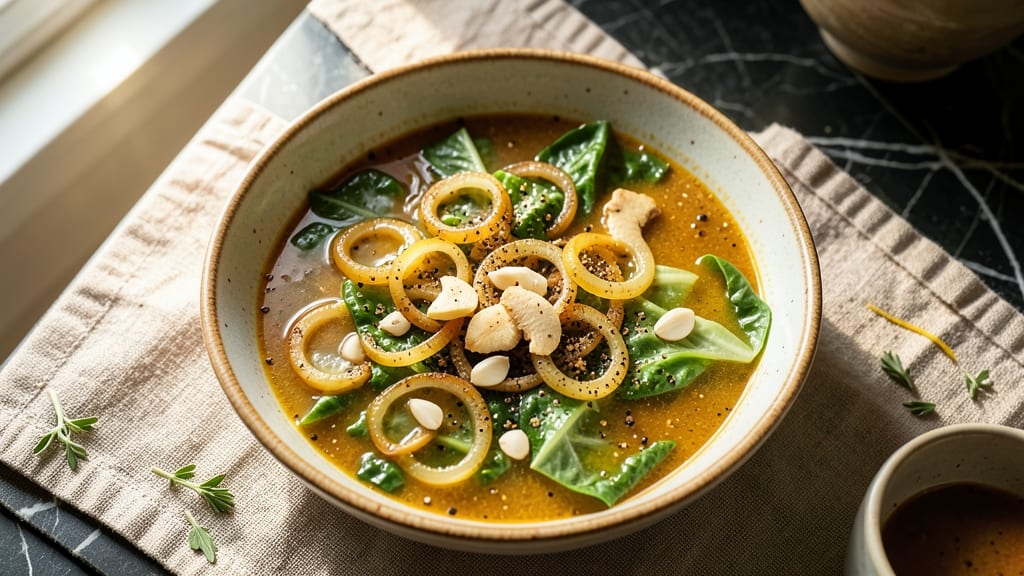
This anti-inflammatory cabbage soup recipe transforms simple ingredients into a gut-soothing powerhouse packed with turmeric, ginger, and garlic—each known for their potent healing properties. The secret lies in slow-simmering cabbage with anti-inflammatory spices that create a flavorful, nutrient-dense broth that supports digestion and reduces inflammation.
What makes this recipe stand out is how it balances bold flavors with gentle, healing ingredients, making it perfect for anyone looking to nourish their body naturally.
The foundation of this soup is cabbage, a cruciferous vegetable rich in fiber and antioxidants, paired with turmeric and ginger—two superstars for reducing inflammation and aiding digestion. Garlic and onions add depth, while leafy greens like kale or spinach boost the nutrient profile.
The result is a warm, comforting broth that’s as beneficial for your health as it is delicious, making it ideal for meal prep or a quick weeknight dinner.
By the time you finish simmering, you’ll have a rich, aromatic soup with tender cabbage, vibrant greens, and a spiced broth that’s both soothing and flavorful. The turmeric and ginger infuse the soup with a gentle warmth, while the cabbage retains its slight crunch for texture.
This isn’t just another vegetable soup—it’s a healing elixir that supports gut health and reduces inflammation with every spoonful.
Perfect for those with sensitive digestive systems or anyone looking to incorporate more anti-inflammatory foods into their diet, this soup is easy to customize with lean proteins like shredded chicken or tofu. Let’s get started on a recipe that nourishes as much as it satisfies.
Ingredients for anti inflammatory cabbage soup
Six servings of healing goodness from these carefully selected ingredients.
| Ingredient | Amount | Notes |
|---|---|---|
| Green Cabbage 🥬 | 1 ½ lb | Outer leaves removed, chopped into wedges |
| Yellow Onion 🧅 | 1 whole | Medium size, diced |
| Garlic Cloves 🧄 | 4 cloves | Fresh, minced |
| Fresh Ginger 🌿 | ½ inch | Thinly sliced, peeled |
| Turmeric Powder 🌶️ | 1 tbsp | Organic preferred for potency |
| Ground Cumin 🌿 | ½ tbsp | Freshly toasted for aroma |
| Ground Coriander 🌿 | ½ tbsp | For earthy depth |
| Kale Leaves 🌱 | 4 cups | Chopped, stems removed |
| Low-Sodium Vegetable Broth 💧 | 4 cups | Homemade or quality store-bought |
| Extra-Virgin Olive Oil 🫒 | 2 tbsp | For sautéing vegetables |
| Lemon Juice 🍋 | 1 tbsp | Freshly squeezed |
| Apple Cider Vinegar 🍎 | 1 tsp | For brightness |
| Sea Salt 🧂 | 1 tsp | Diamond Crystal preferred |
| Black Peppercorns 🌶️ | ½ tsp | Freshly cracked |
| Fresh Parsley 🌿 | ¼ cup | Chopped, for garnish |
The cabbage and kale are the stars here—look for firm, vibrant green leaves with no yellowing or wilting. Whole Foods or local farmers markets often carry the freshest organic selections, but conventional stores work too if you choose heads with tightly packed leaves. The turmeric and ginger should be bright orange and pale yellow respectively, with no signs of moisture or mold. For the spices, Penzeys or bulk bins at natural grocers ensure maximum potency. The vegetable broth is non-negotiable for flavor—avoid anything with added MSG or excessive sodium, which can undermine the anti-inflammatory benefits.
No fresh ginger? Powdered ginger at half the amount works in a pinch, though fresh is ideal for that zesty kick. Substituting kale for spinach? Use 2 cups chopped spinach instead, but add it later to preserve nutrients. The olive oil matters—stick with extra-virgin for its anti-inflammatory properties. For extra protein, add 1 cup cooked lentils or shredded chicken at the end. If you can't find apple cider vinegar, white vinegar or lemon juice will do, though the flavor profile shifts slightly. The lemon juice should be freshly squeezed—bottled versions often contain additives that can irritate sensitive digestive systems.
This soup reheats beautifully—simmer gently to maintain texture and flavor. Store in glass containers for up to 5 days in the refrigerator, or freeze for 3 months in airtight containers. For meal prep, double the batch and portion into individual servings. The cabbage and greens will soften further upon reheating, so start with slightly firmer wedges if you prefer texture. Garnish with fresh parsley just before serving to preserve its vibrant color and fresh aroma.
Why You'll Love This Recipe
- I’ll be real: this recipe costs next to nothing. Cabbage and onions last forever, and a pinch of turmeric stretches into multiple batches. It’s the kind of soup that makes me feel like I’m cooking gourmet when I’m really just throwing together what’s already in the fridge.
- No-Chop Nightmare: I swear by this recipe when I’m too tired to slice anything—just shred the cabbage, dice the onion, and toss it all in. The ginger and garlic do all the work for you, simmering into something rich without a single knife wound.
- Golden Turmeric Glow: Between us, that turmeric powder transforms this soup into something vibrant and actually flavorful—not just bland veggies. The ginger adds a zesty kick, and the garlic? It’s the secret weapon that makes every spoonful feel intentional.
- Lunchbox Hero: Honestly, this soup is my go-to for meal prep—it reheats perfectly, keeps for days, and even tastes better the next day. Pack it in jars or thermoses, and you’ve got a nutrient-packed lunch that’ll outlast sad desk salads.
Step-by-step instructions for anti-inflammatory cabbage soup
This method delivers a vibrant, gut-soothing soup packed with anti-inflammatory power.
Sauté the Aromatic Base
Heat the 2 tablespoons extra-virgin olive oil in a large pot over medium heat. Add the 1 whole yellow onion and cook for 5 minutes until softened and translucent. This foundational step develops the soup's depth of flavor before introducing any other ingredients.
Add the 4 cloves minced garlic and 0.5 inch thinly sliced fresh ginger to the pot. Sauté for 1-2 minutes until fragrant—you should smell the warm, earthy notes of garlic and the bright zing of ginger. Be careful not to let the garlic burn, as this would create a bitter taste that overpowers the delicate flavors of the soup.
Toast the Spice Blend
Reduce the heat to medium-low and add the 1 tablespoon turmeric powder, 0.5 tablespoon ground cumin, and 0.5 tablespoon ground coriander. Stir continuously for 30 seconds to toast the spices gently. This step awakens their aromatic compounds, enhancing the soup's anti-inflammatory properties and creating a warm, earthy complexity.
I like to press the spices into the onions using a wooden spoon—this ensures even distribution and prevents clumping. The spices should smell rich and toasty, not burnt. If you notice any dark spots forming, remove the pot from heat immediately to preserve the vibrant color and flavor.
Add Cabbage and Kale
Increase the heat to medium-high and add the 1.5 lb chopped green cabbage wedges and 4 cups chopped kale leaves. Stir to combine with the spiced onions, then pour in the 4 cups low-sodium vegetable broth. Bring the mixture to a boil, then reduce heat to medium-low and let it simmer for 15 minutes until the cabbage becomes tender but still retains a slight bite.
This simmering time is crucial—it allows the cabbage to soften while preserving its nutrients. Stir occasionally to prevent sticking, especially since cabbage releases moisture as it cooks. The soup should have a vibrant green color and a rich, earthy aroma that fills your kitchen.
Season and Simmer
Add the 1 teaspoon sea salt, 0.5 teaspoon cracked black peppercorns, 1 tablespoon lemon juice, and 1 teaspoon apple cider vinegar. Stir well to combine, then simmer uncovered for an additional 10 minutes. This final simmer allows the flavors to meld together, creating a harmonious balance of tangy, spicy, and umami notes.
Taste the soup and adjust seasoning if needed—this is where you can fine-tune the balance between the bright lemon, the earthy spices, and the natural sweetness of the cabbage. The soup should be well-seasoned but not overpowering, allowing the natural flavors of the vegetables to shine through.
Finish and Serve
Remove the pot from heat and let the soup rest for 5 minutes. This resting period allows the flavors to settle and the soup to thicken slightly. Stir in the 0.25 cup chopped fresh parsley just before serving to add a fresh, vibrant finish that brightens the dish.
Serve the soup warm, garnished with an extra sprinkle of parsley. The texture should be hearty yet light, with the cabbage and kale providing a satisfying bite. Each bowl delivers a powerful combination of anti-inflammatory spices, nutrient-dense greens, and bright citrus notes that support digestive health and reduce inflammation.
Pro Tips For Making Anti Inflammatory Cabbage Soup
- CHAR THE ONIONS LOW: Skip the high-heat rush—soften onions over medium-low for 8-10 minutes until they’re translucent and just starting to caramelize. I learned this the hard way: burning them turns your soup bitter, and no amount of ginger or turmeric can fix that.
- GRATE THAT GINGER FINE: Use the smallest holes on your grater for fresh ginger—you want it almost paste-like, not chunky. Too big? It’ll sit like rocks in your soup. (Yes, even if you’re impatient like me.)
- SALT THE CABBAGE FIRST: Toss shredded cabbage with ½ teaspoon salt and let it sit for 5 minutes before cooking. This draws out bitterness and makes the texture tender faster—no soggy, mushy mess later.
- STIR IN TURMERIC LAST: Add turmeric powder when the soup is done, not at the start. Heat breaks down its anti-inflammatory compounds faster, and you’ll get that bright color without losing potency. (Your future self will notice the difference.)
Pro cooking tips for anti inflammatory cabbage soup
Spice Toasting Mastery
Toasting your spices is where the magic happens—30 seconds over medium-low heat unlocks their full aromatic potential. I use a wooden spoon to press the turmeric, cumin, and coriander directly into the onions, ensuring even distribution. This prevents clumping and maximizes their anti-inflammatory compounds.
Watch closely for color changes—the spices should turn a rich golden hue, not darken. If they start to burn, reduce heat immediately to preserve their vibrant flavor and health benefits. 🌶️
Cabbage Texture Control
The 15-minute simmer for cabbage is critical—too long and it turns mushy, too short and it stays tough. I cut cabbage into 1-inch wedges to ensure even cooking while maintaining some bite. Stir occasionally to prevent sticking, especially since cabbage releases moisture as it cooks.
For extra tenderness, add ½ cup water if the pot gets too dry during simmering. The goal is tender yet slightly crisp cabbage that holds up to the hearty broth. 🥬
Broth Selection Matters
Your broth is the flavor foundation—low-sodium vegetable broth is non-negotiable for both taste and health benefits. I prefer homemade broth or high-quality brands like Pacific Foods or Imagine for their clean ingredient lists.
Avoid anything with added MSG or excessive sodium, which can counteract the anti-inflammatory properties of your spices. For extra depth, add 1 bay leaf during the initial simmer and remove it before serving. 💧
Acid Balance Trick
The lemon juice and apple cider vinegar create a bright contrast to the earthy spices. I add them in the final 10 minutes of simmering to preserve their freshness.
Start with 1 tablespoon lemon juice and 1 teaspoon vinegar, then adjust to taste—this is where you can fine-tune the tangy-sweet balance. For a smoky twist, add ½ teaspoon smoked paprika with the spices.
The acidity also helps break down the cabbage's fibers slightly, making it easier to digest. 🍋
Resting for Flavor
Letting the soup rest for 5 minutes off heat allows the flavors to meld completely. This is when the turmeric's warmth and the ginger's zing truly integrate with the cabbage's natural sweetness. I also find the soup thickens slightly during this time, creating a more satisfying texture.
Stir in the fresh parsley right before serving—its bright notes cut through the richness and add a pop of color. 🌿
Protein Add-Ins
For extra protein, add 1 cup cooked lentils or shredded chicken in the final 5 minutes of cooking. Lentils work beautifully with the earthy spices, while chicken adds a subtle savory depth. If using chicken, season it lightly with salt and pepper before adding to avoid overpowering the delicate broth.
For a vegetarian option, white beans or tofu both complement the soup's flavors wonderfully. 💪
Nutrition facts
Frequently asked questions
Can I make this soup without fresh ginger?
Yes! Use ½ teaspoon ground ginger instead of fresh, but you'll lose some of the bright zing. For best results, combine ¼ teaspoon ground ginger with ¼ teaspoon lemon zest to mimic fresh ginger's complexity. The anti-inflammatory benefits will still be present, though slightly reduced.
How can I make this soup more substantial for a main course?
Add 1 cup cooked lentils or shredded chicken breast in the last 5 minutes of simmering. For extra heartiness, stir in ½ cup cooked quinoa or ½ cup crumbled feta cheese (if dairy isn't an issue). The soup will still maintain its light, healing qualities while becoming more filling.
Will this soup help with specific inflammatory conditions?
While this soup contains powerful anti-inflammatory ingredients like turmeric, ginger, and cabbage, it's not a medical treatment. The combination supports overall gut health and may help with mild inflammation, but always consult your healthcare provider for condition-specific advice. For maximum benefits, pair with a balanced diet rich in whole foods.
Can I prepare this soup ahead of time?
This soup tastes even better the next day as flavors meld. Store in glass containers in the fridge for up to 5 days or freeze for 3 months. Reheat gently on the stove with a splash of water to maintain texture. The cabbage will soften further, so start with slightly firmer wedges if you prefer texture.
What if I don't like kale? Can I substitute?
Yes! Swap kale for 2 cups chopped spinach or 1 cup chopped Swiss chard. Add these greens in the last 5 minutes of cooking to preserve their nutrients. For a different texture, try ½ cup chopped celery or ½ cup diced carrots—both work well with the cabbage's flavor profile.