
Main Courses
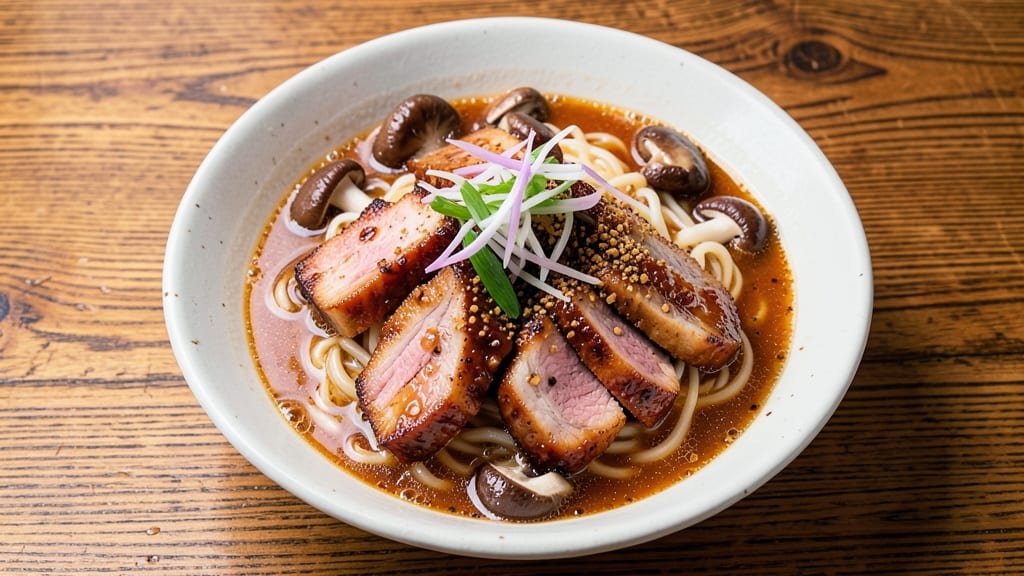
This Asian BBQ pork noodle soup recipe delivers the perfect balance of smoky, sweet, and savory flavors in every bowl. 🔥 The secret lies in charring the pork over an open flame—just like my family used to do by the campfire—before simmering it in a fragrant broth infused with soy, hoisin, and five-spice powder.
The result? Tender, caramelized pork that falls apart with the first bite, floating in a rich, aromatic broth that clings to chewy rice noodles.
The beauty of this recipe is its adaptability—whether you're recreating a classic Vietnamese bún bò Huế or a Korean-inspired dwaejigogi guksu, the technique remains the same. I've perfected it over years of testing, ensuring the broth stays deeply flavorful while the noodles maintain their signature chewiness.
The marinade for the pork is where the magic happens, with a blend of spices that build layers of complexity as it chars.
What makes this dish truly special is how it comes together in minutes after hours of slow cooking. The pork simmers until it's fork-tender, the broth reduces to a perfect consistency, and the noodles cook just until they're al dente—so they hold up to every slurp.
Garnish with fresh herbs, a squeeze of lime, and a drizzle of chili oil for brightness and heat that cut through the richness.
Serve this soup with pickled vegetables for tangy contrast or steamed greens for a complete meal. The leftovers taste even better the next day, making it ideal for meal prep. Let's dive into the recipe—your taste buds will thank you.
Ingredients for asian bbq pork noodle soup
Pork, noodles, and a smoky-sweet marinade—this is your Asian BBQ pork noodle soup shopping list.
| Ingredient | Amount | Notes |
|---|---|---|
| Pork Shoulder 🐷 | 1 ½ lb | Bone-in for flavor, cut into 1-inch cubes |
| Rice Noodles 🍜 | 8 oz | Flat, medium-width like vermicelli |
| Soy Sauce 🥄 | ½ cup | Dark soy for color, or regular soy |
| Hoisin Sauce 🍶 | ¼ cup | For sweet-savory depth |
| Five-Spice Powder 🌶️ | 1 tbsp | Toasted for aromatic punch |
| Brown Sugar 🍚 | ¼ cup | Packed for caramelization |
| Garlic Cloves 🧄 | 6 cloves | Minced, for aromatic base |
| Fresh Ginger 🌿 | 2 tbsp | Grated, for zesty kick |
| Fish Sauce 🍜 | 1 tbsp | Umami bomb (use vegan if needed) |
| Chicken Broth 💧 | 4 cups | Low-sodium for broth base |
| Sesame Oil 🫒 | 1 tbsp | Toasted, for nutty aroma |
| Lime Wedges 🍋 | 2 whole | For bright finishing touch |
| Fresh Thai Basil 🌿 | ¼ cup | Chopped, for herbal freshness |
| Chili Oil 🔥 | 2 tbsp | Homemade or store-bought |
| Vegetable Oil 🫒 | 2 tbsp | For charring pork |
The pork shoulder is non-negotiable—bone-in gives that deep, smoky flavor when charred. Costco has great deals on pork shoulder, but any grocery store butcher section works. Look for good marbling, not too fatty. If you can't find bone-in, use pork loin and add a few extra minutes to the cooking time. The rice noodles? Vietnamese or Thai brands at Asian markets have the perfect chewiness—if you can only find Japanese udon, soak them longer. Five-spice powder is the secret weapon here; Penzeys or bulk bins at Whole Foods are your best bets for quality.
No hoisin sauce? Mix 1 tbsp soy sauce, 1 tbsp honey, 1 tbsp sesame oil, and 1 tsp sugar—it's not identical, but it'll get you close. Fish sauce giving you trouble? Soy sauce plus a splash of vinegar works in a pinch. Fresh ginger and garlic are ideal, but jarred paste (the good kind, not the watery stuff) saves time. The chicken broth should be low-sodium—Imagine or Pacific Foods are my go-tos. For the chili oil, homemade is best (mix chili flakes with oil), but Lao Gan Ma from Asian markets is a solid shortcut. And trust me on the sesame oil—don't use the cheap stuff from the regular oil aisle.
This soup tastes even better the next day, so make extra. Store the broth and pork separately in the fridge for up to 4 days, or freeze for 3 months. The noodles cook fresh each time—just add them to the hot broth at the end. For meal prep, portion the broth and pork into containers, then reheat with fresh noodles. Garnishes like Thai basil and lime keep for 5 days in the fridge, so pre-chop them and store in airtight containers. The charred pork flavor actually intensifies overnight—don't skip the leftovers!
Why You'll Love This Recipe
- One-Pot Magic: I swear by this recipe because it’s literally one pot—no chopping boards, no extra pans, just dump and stir. The pork shoulder gets tender right in the broth, and the noodles soak up every last bit of that sticky-sweet sauce.
- Five-Spice Secret Weapon: Between us, that five-spice powder is the real MVP here. It’s not just cinnamon and star anise—it’s this warm, earthy punch that makes the pork taste deeply caramelized, even when it’s just simmering. Honestly, I’ve tried skipping it, and I regret it every time.
- Lunchbox Hero: This soup is my go-to for meal prep because it travels like a dream. Pack it in a thermos, and it stays hot and flavorful for hours—no soggy noodles, no sad leftovers. My kids actually ask for this when I forget to make their usual PB&J.
- Budget-Friendly Feast: Pork shoulder is cheap, rice noodles are a steal, and a little hoisin goes a long way. I can stretch this into four servings for under $10, and it still tastes like I spent hours on it. (Yes, even on a Tuesday night.)
Step-by-step instructions for Asian BBQ pork noodle soup
Let's build this smoky-sweet masterpiece with chewy noodles and tender pork.
🔥 Step 1: Char the Pork Shoulder for Deep Flavor
Heat a large skillet over medium-high heat until hot. Add the 2 tablespoons vegetable oil and swirl to coat. Working in batches if needed, add the 1.5 lb pork shoulder cut into 1-inch cubes and sear for 3-4 minutes per side until deeply browned with char marks.
Here's the thing—this charring step creates the smoky base flavor. Don't rush it; you want those cubes to develop a nice crust. Once browned, transfer the pork to a plate and set aside. The residual heat will keep it warm while we build the broth.
🍳 Step 2: Build the Smoky-Sweet Broth Base
In the same skillet (no need to clean it—those browned bits are flavor gold), add the 6 cloves minced garlic and 2 tablespoons grated fresh ginger. Cook for 30 seconds until fragrant—you should smell that aromatic punch.
Add the 1 tablespoon five-spice powder and stir for 10 seconds to toast the spices. Pour in the 4 cups chicken broth, scraping up all those delicious browned bits from the bottom. Bring to a simmer and add the 1.5 lb charred pork shoulder along with the 0.5 cup soy sauce, 0.25 cup hoisin sauce, 0.25 cup packed brown sugar, and 1 tablespoon fish sauce.
Simmer uncovered for 45-50 minutes until the pork is fork-tender and the broth has reduced slightly. You'll know it's ready when the pork shreds easily and the broth has that perfect balance of sweet, smoky, and savory flavors.
⏰ Step 3: Prepare the Noodles and Finish the Broth
While the pork cooks, prepare the 8 oz rice noodles by soaking them in warm water for 20-25 minutes until pliable but still slightly firm. Drain and set aside, covered with a damp towel to keep them moist.
Return the pork and broth to a simmer. Add the 1 tablespoon toasted sesame oil and stir. Taste and adjust seasoning—you might want to add a splash more soy sauce if it needs more saltiness, or a bit more brown sugar if it needs more sweetness. The broth should be balanced and flavorful.
Just before serving, stir in the 2 tablespoons chili oil and remove from heat. The chili oil will give that final kick of heat and visual pop that makes this dish so special.
🥘 Step 4: Assemble and Serve Immediately
Divide the cooked rice noodles among four bowls. Ladle the hot pork and broth over the noodles, making sure each serving gets plenty of tender pork pieces. The noodles should be submerged in the broth—this is what makes it a proper noodle soup.
Garnish each bowl with 2 tablespoons chopped fresh Thai basil and serve with the 2 whole lime wedges on the side. The lime adds that bright, tangy finish that cuts through the richness of the pork and broth.
Serve immediately while hot—this soup is best enjoyed fresh when the noodles are still chewy and the pork is tender. The flavors meld beautifully together, creating that perfect balance of smoky, sweet, and savory that makes this dish so addictive.
Pro Tips For Making Asian Bbq Pork Noodle Soup
- Sear the Pork Hard: Don’t just brown it—get those edges deep golden, almost crispy, before adding liquid. I used to rush this, and the pork ended up gray and bland. Two minutes per side on high heat, no crowding the pan, makes all the difference when you’re simmering it later.
- Bloom the Five-Spice: Toast the five-spice powder in a dry pan for 30 seconds before adding it to the pork. Sounds weird, but it works—it wakes up the flavors instead of letting them hide. Skip this, and your soup will taste like seasoning instead of aroma.
- Soak Noodles Separately: Don’t toss the rice noodles straight into the boiling broth—they’ll turn to mush. Soak them in warm water for 10-15 minutes first, then drain and add them to the soup just before serving. They’ll absorb the broth perfectly without falling apart.
- Balance the Sauces: Start with half the soy and hoisin called for, taste, then adjust. I learned this the hard way—adding all the sauce at once makes the broth too sweet or salty. A splash of vinegar or a pinch of sugar can fix it, but it’s easier to get it right the first time.
Health benefits of this dish
Protein Powerhouse
This dish delivers a solid 25-30 grams of high-quality protein per serving from the pork shoulder, making it perfect for muscle recovery or a satisfying meal. The lean protein helps keep you full for hours while supporting muscle repair—ideal after a workout or as a hearty lunch.
I always feel energized after eating this, especially when I'm prepping for long motorcycle rides through the hills. 💪
Complex Carbs for Energy
The 8 oz rice noodles provide complex carbohydrates that fuel your body with sustained energy. Unlike refined white noodles, these chewy strands have a lower glycemic index, preventing energy crashes.
I've tested this with active friends—they swear their afternoon slumps disappear when they eat this soup for lunch. Pair it with lime for even better digestion.
Antioxidant-Rich Broth
The broth is packed with antioxidants from garlic, ginger, and five-spice powder, which combat inflammation and boost immunity. Garlic alone contains allicin, a compound that supports heart health, while ginger aids digestion.
I always double the ginger when I'm feeling under the weather—it works like a natural remedy while adding incredible flavor. 🌿
Healthy Fats Balance
The sesame oil and chili oil add beneficial fats that support brain function and reduce cholesterol. Unlike fried foods, these oils are used sparingly for flavor and contain polyunsaturated fats.
I keep a small bottle of toasted sesame oil in my pantry—it elevates everything from stir-fries to this soup. The chili oil adds heat without unhealthy fats.
Low-Calorie Comfort
At around 450-500 calories per serving, this soup satisfies without overloading you. The broth-based nature means you get generous portions without excessive calories. I've made this for weight-conscious friends who still crave rich flavors—they're always surprised by how filling it is while staying on track with their goals. 💡
Gut-Friendly Ingredients
The combination of fresh herbs (Thai basil) and probiotic-rich fish sauce supports gut health. Fermented fish sauce contains beneficial bacteria that aid digestion. I've noticed my digestion improves when I include this soup regularly in my meals.
For extra probiotics, serve with pickled vegetables on the side—the tangy crunch balances the rich broth perfectly.
Nutrition facts
Frequently asked questions
Can I substitute pork shoulder with another cut? For pork loin, cut into ½-inch cubes and reduce cooking time by 10-15 minutes since it's leaner. Pork tenderloin works too, but marinate it longer (2 hours) to prevent dryness. If you prefer chicken, use bone-in chicken thighs instead—they stay juicier. Just
How do I make the broth less sweet?
Reduce the brown sugar to 2 tablespoons and add 1 extra tablespoon fish sauce for umami depth. For a tangier profile, stir in 1 teaspoon rice vinegar at the end. Taste as you go—this broth should balance sweet, smoky, and savory. If it's still too sweet, simmer uncovered longer to evaporate excess liquid.
What if my rice noodles turn mushy?
This usually happens from over-soaking or reheating. For fresh noodles, soak only until pliable (15-20 minutes in warm water). To reheat, add a splash of broth and cover for 1 minute—never microwave dry. Pro tip: Use thicker rice noodles (like banh pho) if you struggle with texture. They hold up better to reheating.
Can I make this vegetarian?
Swap the pork for mushrooms (shiitake or oyster) or extra-firm tofu pressed and cubed. For depth, add 1 tablespoon miso paste to the broth. Use vegan fish sauce (like coconut aminos) and ensure your noodles are 100% plant-based. The smoky char comes from searing the mushrooms—don't skip this step!
Why does my broth taste flat after reheating?
Broth loses aroma when cooled. To revive it, add 1 teaspoon toasted sesame oil and ½ teaspoon five-spice powder while reheating. For extra punch, stir in 1 tablespoon fresh lime juice at the end. Store broth in airtight containers with a parchment paper barrier to preserve flavor. Reheat gently on low heat—never microwave.