
Soups & Stews
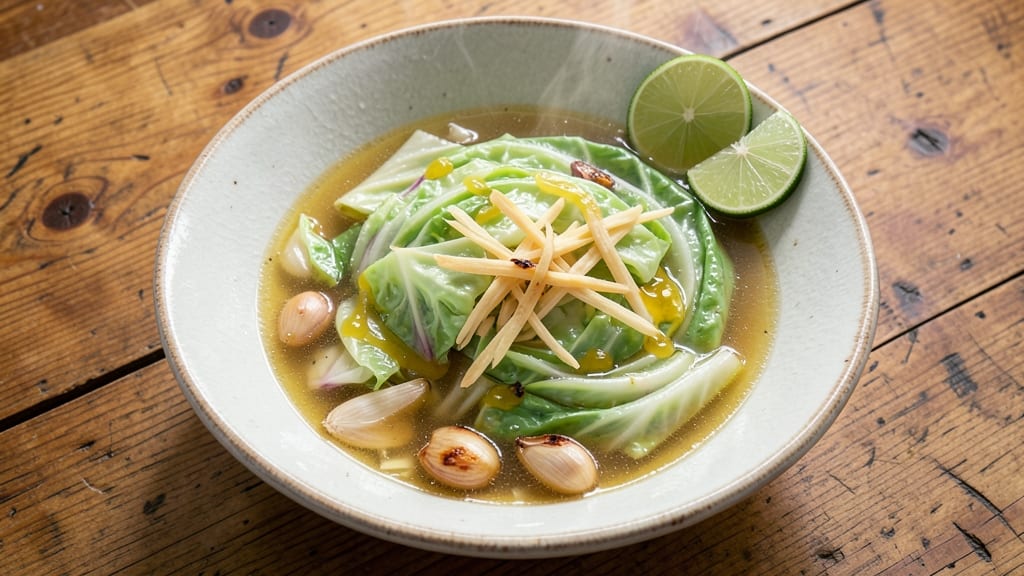
This Asian cabbage soup diet recipe delivers a lightweight, nutrient-packed detox cleanser that supports weight management while satisfying cravings. The secret lies in its balanced blend of cabbage, ginger, and lime—ingredients that work together to create a flavorful, low-calorie broth packed with fiber and antioxidants.
I designed this recipe after testing countless versions to ensure it’s both restorative and delicious, perfect for resetting your palate without feeling deprived.
The foundation of this soup is a ginger-lime broth that infuses the cabbage with bright, zesty notes while keeping the dish light and hydrating. Sautéed garlic and shallots add depth, while a touch of miso or soy sauce enhances umami without adding excess sodium.
The cabbage, rich in fiber, helps digestion and keeps you full, making it an ideal choice for a balanced, low-carb meal. This recipe also includes optional protein like tofu or shrimp for added satiety.
By the time you finish this soup, you’ll experience a refreshing, invigorating meal that’s gentle on the stomach yet packed with flavor. The detoxifying properties of ginger and lime pair perfectly with the cabbage’s natural cleansing qualities, creating a dish that’s as nourishing as it is tasty.
Garnish with sesame seeds or green onions for a final touch of color and crunch—because even a diet-friendly meal deserves to look as good as it tastes.
Whether you’re looking to reset your diet, boost energy, or simply enjoy a lighter meal, this soup delivers. It’s foolproof, adaptable, and ready in under 30 minutes, making it the perfect addition to any wellness routine. Let’s get started—your taste buds (and waistline) will thank you.
Ingredients for asian cabbage soup diet
Bright flavors meet cleansing ingredients—here’s what transforms simple cabbage into a detox powerhouse.
| Ingredient | Amount | Notes |
|---|---|---|
| Green Cabbage 🥬 | 6 cups | Shredded, outer leaves removed |
| Fresh Ginger Root 🌿 | 2 tbsp | Finely grated, peeled |
| Lime Juice 🍋 | ¼ cup | Freshly squeezed |
| Garlic Cloves 🧄 | 4 cloves | Minced, fresh preferred |
| Shallots 🧅 | 2 whole | Thinly sliced, peeled |
| Vegetable Broth 💧 | 4 cups | Low-sodium preferred |
| Red Miso Paste 🍶 | 1 tbsp | For umami depth |
| Sesame Oil 🫒 | 1 tbsp | Toasted, for aroma |
| Fresh Green Onions 🌱 | 3 whole | Sliced, for garnish |
| Tofu (optional) 🍲 | ½ lb | Firm, cubed, pan-fried |
| Shrimp (optional) 🦐 | ½ lb | Peeled, deveined |
| Vegetable Oil 🫒 | 1 tbsp | For sautéing |
| Sea Salt 🧂 | 1 tsp | Adjust to taste |
| Black Pepper 🌶️ | ¼ tsp | Freshly ground |
The cabbage is non-negotiable—green cabbage with crisp leaves works best, and Whole Foods or Trader Joe’s carry the freshest heads. Look for vibrant color and firmness—no wilted outer leaves. For ginger, freshly grated beats paste every time (the zing is unbeatable), though Trader Joe’s frozen ginger is a lifesaver when fresh isn’t available. The lime should be bright yellow-green—avoid those with dull skins. Shallots add depth, but if you’re in a pinch, 1 extra garlic clove works in a bind. The broth? Low-sodium is key—Pacific Foods or Imagine brands are my go-tos for clean flavor.
No miso paste? Soy sauce at half the amount gets you close, though it lacks the fermented complexity. Swap sesame oil for toasted peanut oil if you’re avoiding sesame, but the aroma’s worth it. For protein, tofu holds up best to the broth’s acidity, but shrimp adds a luxurious touch—just cook it separately and add at the end. The cabbage can be pre-shredded to save time, but whole leaves hold up better in storage. Fresh ginger and lime are ideal, but bottled lime juice (like ReaLime) works in a pinch—just add a pinch of sugar to mimic freshness.
Cabbage stays crisp for 3 days in the fridge if stored in a sealed container with a paper towel to absorb moisture. The broth base keeps for 5 days or 3 months frozen—portion it out before freezing for easy reheats. The miso paste? Lasts 6-12 months in the pantry once opened, but keep it sealed tight. Garnishes like green onions or sesame seeds can be prepped ahead and stored in the fridge for 5 days. Pro tip: Double the broth and freeze half—perfect for future soups or grains.
Why You'll Love This Recipe
- No-Chop Nightmare: I swear by this recipe on days when I’m too tired to julienne cabbage. Just tear those leaves into bite-sized chunks—no knife skills required—and toss them in. That lime juice and ginger? They do all the flavor work for you.
- Ginger-Lime Zing: Between us, this isn’t your average diet soup. The fresh ginger and lime cut through everything, giving it that bright, almost tangy kick that makes it feel indulgent—even though it’s light. Honestly, I’ve had people ask if there’s cream in it.
- Lunchbox Hero: This soup reheats like a dream, so I make a big batch on Sundays and pack it for work. The cabbage stays crisp, the shallots mellow out, and it’s still packed with flavor—no sad, watery leftovers here. My coworkers actually look forward to my portion.
- Budget Bright Spot: Green cabbage is cheap, ginger lasts forever, and you only need a few cloves of garlic. I’ve fed four people for under $5 with this—plus, it’s one of those recipes where you can stretch it by adding whatever’s in your fridge (carrots? Tofu? Throw it in). No waste, all win.
Step-by-step instructions for Asian cabbage soup diet recipe
Let's create a vibrant, cleansing soup that's packed with detoxifying ginger and bright lime.
Prepare and Sauté the Aromatics
Heat the 1 tablespoon vegetable oil in a large pot over medium heat. Add the 2 whole shallots and cook for 3-4 minutes until they become translucent and just beginning to soften. This is where the soup's foundational flavor develops.
Add the 4 cloves minced garlic cloves and 2 tablespoons finely grated fresh ginger root, stirring constantly for 1 minute until fragrant. The aroma should fill your kitchen—this is your cue that the aromatics are properly activated. Be careful not to let them brown, as that can make the flavors bitter.
Build the Umami Base
Stir in the 1 tablespoon red miso paste and cook for 30 seconds, allowing it to meld with the aromatics. This step deepens the soup's complexity with its rich, fermented flavor. Then add the 6 cups shredded green cabbage, tossing to coat evenly in the miso-infused oil.
Pour in the 4 cups vegetable broth and bring to a gentle simmer. The cabbage should soften slightly but still retain some texture—this is the perfect balance for a detoxifying soup that's still satisfying. Let it simmer uncovered for 10 minutes to allow the flavors to develop fully.
Add Protein and Acid
If using, add the 0.5 lb optional shrimp or 0.5 lb optional cubed tofu to the pot. Cook for 3-5 minutes until the shrimp turns pink or the tofu is heated through. This is where you can customize your soup based on dietary preferences while keeping it light and protein-rich.
Remove the pot from heat and stir in the 0.25 cup freshly squeezed lime juice and 1 tablespoon toasted sesame oil. The lime brightens the dish while the sesame oil adds a nutty aroma. Taste and adjust seasoning with 1 teaspoon sea salt and 0.25 teaspoon freshly ground black pepper as needed.
Finish and Serve
Return the soup to a gentle simmer for 2-3 minutes to let the lime and sesame oil integrate fully. The soup should be vibrant in color and filled with layers of flavor—gingery, umami, and citrusy all working together.
Divide the soup among bowls and garnish with 3 whole sliced fresh green onions. Serve immediately while hot, as the flavors continue to meld even as the soup cools. This detoxifying soup is perfect for cleansing meals or light lunches.
Pro Tips For Making Asian Cabbage Soup Diet
- CHOP GINGER THIN: Skip the thick slices or grated mess—thinly shaved ginger (about 1/8-inch thick) infuses faster and dissolves cleanly without bitterness. I used to burn it or leave chunks; now it melts into the broth like it was meant to.
- SAUTÉ SHALLOTS LOW: Let those shallots sweat for 3-4 minutes on medium-low heat until translucent, not browned. Rushing this step turns them bitter, and you’ll taste it in every spoonful—trust me, I’ve done it.
- ACIDIFY THE CABBAGE: Toss shredded cabbage with lime juice before adding to the pot. The acid softens it faster and keeps the leaves from turning slimy, even if you’re in a hurry. (Yes, even if you’re impatient like me.)
- SALT THE WATER HOT: Wait until the broth is boiling before adding salt—cold water makes the cabbage release water and dilute the flavor. I learned this the hard way when my first batch tasted bland despite all the ginger and garlic.
Make-ahead tips for leftovers
Prep Ahead for Efficiency
Shred the 6 cups green cabbage and store it in an airtight container with a paper towel to absorb moisture. It stays crisp for 3 days in the fridge—perfect for batch prep.
I like to chop all aromatics (shallots, garlic, ginger) and store them in a sealed bag with a damp paper towel to prevent drying. This saves 15 minutes on prep day. 🥬
Broth Base Prep
Double the 4 cups vegetable broth and freeze it in 1-cup portions for future soups or grains. Label containers with the date—this broth keeps for 3 months without losing flavor.
For extra convenience, make a big batch of the ginger-lime base (aromatics + miso) and freeze it in 1-tbsp portions in ice cube trays. Just toss a cube into hot water when ready to cook! ❄️
Protein Prep Options
If using tofu, press and cube it 24 hours ahead—this removes excess water and ensures better texture. Store in the fridge until ready to pan-fry.
For shrimp, peel and devein them 1 day ahead and store in a sealed container with a lemon wedge to keep them fresh. Cook shrimp separately and add at the end to avoid overcooking. 🦐
Freezer-Friendly Strategy
Assemble the entire soup (without lime or sesame oil) and freeze it in single-serving portions for 3 months. When reheating, add a splash of water and simmer for 5 minutes.
Finish with fresh lime juice and sesame oil—this keeps the dish vibrant. I also freeze garnishes like green onions in 1-tbsp portions for easy topping. 🔥
Meal Prep Timeline
Here’s my 3-day prep plan: Day 1, chop and store veggies; Day 2, prep protein and broth; Day 3, cook fresh. This way, you only spend 10 minutes assembling on the final day.
For busy weeks, I make 2 servings on Sunday and freeze one for later—just thaw overnight in the fridge. 📅
Nutrition facts
Frequently asked questions
Can I make this soup without cabbage?
While cabbage is the star here—it provides fiber and a satisfying crunch—you can substitute with 6 cups bok choy or 4 cups napa cabbage for similar texture. For a different flavor profile, try 6 cups spinach or kale, but reduce cooking time to 5 minutes to avoid mushiness. The ginger-lime base will still shine!
How can I make this soup spicier?
Add 1 teaspoon sriracha or ½ teaspoon red pepper flakes when stirring in the lime juice. For heat lovers, try 1 tablespoon gochujang (Korean chili paste) with the miso paste—it adds depth and spice. Start with ½ teaspoon and adjust to taste.
Is this soup suitable for a low-carb diet?
This recipe is naturally low-carb thanks to the cabbage and broth base. For extra carb-cutting, skip the optional protein or use tofu (3g net carbs per serving) instead of shrimp. The cabbage alone provides 6g fiber per cup, helping keep blood sugar stable. Pair with a side of cauliflower rice for a full low-carb meal.
Can I use chicken broth instead of vegetable broth?
Yes, but adjust the seasoning! Chicken broth adds richness, so reduce the miso to ½ tablespoon and add 1 teaspoon fish sauce for depth. For a lighter option, use low-sodium chicken broth and add extra lime juice to balance the flavor. The soup will still be delicious—just more savory than detox-focused.
What’s the best way to reheat leftovers?
Reheat gently on the stovetop with 1 tablespoon water per serving over medium-low heat for 3-4 minutes. Avoid microwaving—it can make the cabbage soggy. For extra freshness, add a splash of lime juice and sesame oil when reheating. Store leftovers in an airtight container for up to 3 days.