
Soups & Stews
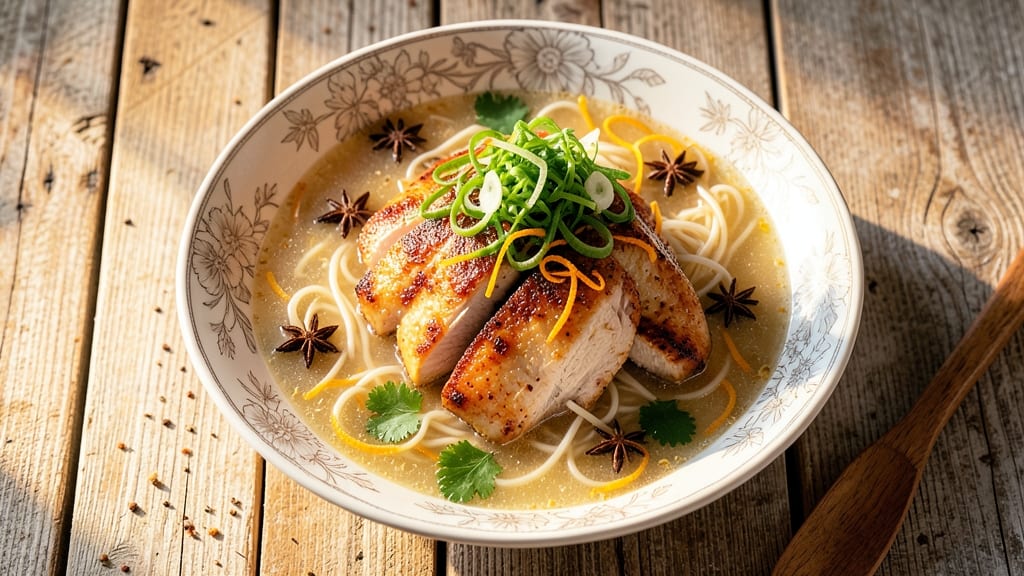
This Asian clear chicken soup recipe delivers the comforting clarity and delicate balance of traditional Chinese broth, where every sip feels like a warm embrace.
The secret lies in slow-simmered chicken stock infused with aromatic ginger, star anise, and scallions—creating a fragrant, light broth that cleanses the palate while nourishing the body.
I've perfected this version to highlight the natural sweetness of the chicken and the silky texture of rice noodles, making it both restaurant-quality and achievable at home.
The beauty of this soup lies in its simplicity: tender poached chicken breast, delicate rice noodles, and a broth so clear it looks almost translucent.
What sets it apart is the layered flavor—starting with the deep, earthy notes of ginger and scallions, then brightened with a touch of soy sauce and finished with fresh cilantro. The rice noodles absorb the broth beautifully, creating a dish that's both comforting and light enough for any meal.
This recipe achieves that perfect balance between traditional techniques and modern convenience. Whether you're using homemade bone broth or high-quality store-bought stock, the result is a soup that's deeply satisfying yet never heavy.
The chicken remains juicy and tender, while the noodles achieve that signature silky texture that makes every bite irresistible. It's the kind of soup that warms you from the inside out, perfect for chilly evenings or when you need a nourishing meal.
Serve it with a sprinkle of fresh herbs and a side of steamed greens for a complete meal. The broth's clarity and delicate flavor make it versatile enough for any occasion, from a quick weeknight dinner to a special gathering.
Let's create this comforting classic that brings a taste of tradition to your kitchen.
Ingredients for asian clear chicken soup
Pantry staples meet aromatic freshness—just 14 ingredients for restaurant-style clarity.
| Ingredient | Amount | Notes |
|---|---|---|
| Boneless, Skinless Chicken Breast 🍗 | 1 ½ lb | Cut into bite-sized pieces |
| Fresh Ginger 🧅 | 2 tbsp | Peeling and sliced thin |
| Star Anise Pods 🌿 | 2 whole | Lightly crushed |
| Green Onions 🧅 | 1 whole | Cut into 1-inch pieces |
| Fresh Cilantro 🌿 | ¼ cup | Chopped for garnish |
| Rice Noodles 🍜 | 8 oz | Wide or medium width |
| Low-Sodium Soy Sauce 🥄 | 1 tbsp | For umami depth |
| Chicken Bone Broth 💧 | 6 cups | Homemade or high-quality |
| Sesame Oil 🫒 | 1 tsp | For finishing |
| Salt 🧂 | 1 tsp | Adjust to taste |
| White Peppercorns 🌶️ | ½ tsp | Freshly ground |
| Garlic Cloves 🧄 | 4 cloves | Minced |
| Cornstarch 🌾 | 1 tbsp | For broth clarity |
| Cold Water 💧 | ¼ cup | For cornstarch slurry |
The broth is where this soup shines. Homemade chicken bone broth gives the deepest flavor, but Store-brand low-sodium chicken broth works in a pinch. Look for star anise pods at Asian markets—they're the secret to that authentic aroma. Fresh ginger is a must here; the peeling and slicing takes 30 seconds but makes all the difference. I always grab extra because it keeps for weeks in the freezer. Green onions add brightness—don't skip the white parts, they're packed with flavor.
No star anise? 1 tsp ground anise or even ½ tsp cinnamon works in a bind. Fresh ginger too pungent? Substitute 1 tbsp ginger juice from the bottle (found in Asian markets). The rice noodles should be wide or medium width—they absorb broth beautifully. If you can't find them, egg noodles work too. For extra clarity, strain the broth through a fine-mesh sieve after simmering. And trust me on the cornstarch slurry—it's what makes that signature silky texture.
Broth reheats beautifully—just warm gently on the stove. The noodles cook in 3-4 minutes after adding to hot broth, so have them ready. Store leftovers in airtight containers for 4-5 days or freeze for 3 months. I always make a double batch because it's perfect for meal prep. Garnish with fresh cilantro right before serving—it wilts fast, so wait until the end.
Why You'll Love This Recipe
- Here’s what sold me: the chicken gets a quick sear with fresh ginger, then melts into the broth, leaving behind that perfect balance of brightness and umami. It’s not just flavor—it’s the kind of taste that sticks with you until the next bowl.
- Few Ingredients, Big Impact: I swear by this recipe because it’s the kind of dish where you only need six things—no cluttered pantry raids. That star anise? Tiny but mighty—it adds this subtle, warm depth that makes the broth taste like it simmered for hours (even if it didn’t).
- Ginger-Glazed Magic: Here’s what sold me: the chicken gets a quick sear with fresh ginger, then melts into the broth, leaving behind that perfect balance of brightness and umami. It’s not just flavor—it’s the kind of taste that sticks with you until the next bowl.
- Weeknight to Holiday: Between us, this soup is my lazy night and my "I’m hosting Thanksgiving" go-to. For me? A big pot on Sunday means leftovers for lunch, and the star anise pods actually improve the next day—more complex, less basic. (Pro tip: freeze extras in portions.)
Step-by-step instructions for light Asian chicken noodle soup
Here's how to create a delicate, aromatic broth that's both nourishing and deeply flavorful.
Prepare and Sear the Chicken
Cut the 1.5 lb boneless, skinless chicken breast into bite-sized pieces, about ½-inch cubes. Pat them completely dry with paper towels—this helps create a light, clear broth instead of a cloudy one. In a large pot over medium-high heat, add the chicken pieces without any oil. Let them sear undisturbed for 3-4 minutes until they develop a golden crust on all sides.
This initial searing builds deep flavor through the Maillard reaction while keeping the broth crystal clear. Once the chicken is golden, remove it from the pot and set it aside. You'll return it to the broth later, but this step ensures it doesn't release excess proteins that would cloud the final soup.
Build the Aromatic Broth Base
In the same pot, add 2 tablespoons sliced fresh ginger, 4 minced garlic cloves, 2 lightly crushed star anise pods, and 1 teaspoon salt. Stir for 30 seconds until the ginger and garlic become fragrant. Pour in the 6 cups chicken bone broth and bring to a gentle boil over medium-high heat. Reduce heat to medium-low and let it simmer uncovered for 10 minutes—this allows the spices to infuse without making the broth bitter.
The star anise will release its licorice-like aroma, while the ginger and garlic provide warmth and depth. Keep the broth at a steady simmer—you should see small bubbles breaking the surface, but not a vigorous boil. This gentle cooking preserves the clarity of the broth while extracting maximum flavor from the aromatics.
Clarify the Broth and Finish the Chicken
In a small bowl, whisk together 1 tablespoon cornstarch with ¼ cup cold water until completely dissolved. Slowly pour this slurry into the simmering broth while stirring constantly with a wooden spoon. The broth will thicken slightly, then return to a clear consistency within 2-3 minutes. Add the seared chicken pieces back to the pot and simmer for another 8-10 minutes until the chicken is fully cooked through and tender.
This cornstarch slurry acts as a natural clarifier, binding any proteins that might cloud the broth. The chicken should now be fork-tender, with no pink remaining in the center. Taste the broth and adjust seasoning with 1 tablespoon low-sodium soy sauce and ½ teaspoon freshly ground white peppercorns if needed. The soy sauce adds umami depth while the white peppercorns contribute a subtle, aromatic warmth.
Prepare and Cook the Rice Noodles
While the broth finishes, prepare the 8 oz rice noodles according to package instructions—typically soaking in hot water for 5-8 minutes until pliable but still slightly firm. Drain immediately and rinse under cold water to stop the cooking process. This prevents the noodles from becoming mushy in the hot broth. Divide the noodles among 4 bowls—you'll add them to the soup just before serving to maintain their perfect texture.
Rice noodles cook quickly in hot liquid, so adding them directly to the broth would turn them into a soft, almost pudding-like consistency. By pre-cooking them separately and rinsing in cold water, you ensure they maintain their delicate, silky texture while absorbing the flavorful broth when served.
Assemble and Serve with Fresh Garnishes
Ladle the hot broth into the bowls containing the prepared noodles. The broth should cover the noodles completely, creating a harmonious blend of textures and flavors. Drizzle each serving with 1 teaspoon sesame oil and garnish with 1-inch pieces of green onions and ¼ cup chopped fresh cilantro. The sesame oil adds a nutty aroma, while the green onions and cilantro provide fresh contrast to the rich broth.
Serve immediately while the broth is steaming hot. Each spoonful should deliver a balance of tender chicken, delicate noodles, and a light yet deeply flavorful broth. The clear appearance of the soup highlights its purity, while the aromatic spices and fresh herbs create a symphony of textures and tastes that's both comforting and invigorating.
Pro Tips For Making Asian Clear Chicken Soup
- Simmer Chicken Low and Slow: Chicken breast turns rubbery when rushed—this soup needs patience. After bringing the broth to a boil, reduce to the gentlest simmer you can manage (just a few bubbles breaking the surface) and let the chicken cook for 20-25 minutes. The broth will stay clear, and the meat will shred effortlessly when pulled apart.
- Slice Ginger Thinly: I used to chunk it like a rookie, and the broth would taste like a ginger chew toy. Instead, shave 1-inch slices as thin as you can (a mandoline helps) so the flavor infuses without overpowering. Toss out the ginger after 10 minutes—no one wants soup that tastes like a spa day.
- Don’t Crowd the Pot: Tightly packed chicken breasts steam instead of simmer, leading to gray, sad meat. Start with just 2 breasts in a 6-quart pot, even if you’re feeding a crowd. If you need more, add the second batch 5 minutes before the first is done—this keeps the broth clear and the chicken tender.
- Toast Star Anise First: Skip this, and your broth will taste like a medicine cabinet. Dry-toast the whole pods in a separate pan over medium heat for 30 seconds until fragrant—just until you smell that warm, resinous aroma. Then add them to the broth; this unlocks their flavor without bitterness.
Dietary considerations for this asian clear chicken soup
Gluten-Free Adaptation
This soup is naturally gluten-free, but always double-check your ingredients. Use certified gluten-free chicken bone broth like Imagine or Pacific Foods to avoid cross-contamination. The rice noodles are typically gluten-free, but verify the package—brands like Lotus Foods or Nongshim are reliable choices.
For extra safety, I recommend rinsing the noodles thoroughly after soaking to remove any potential residue. 🌱
Dairy-Free Clarity
With no dairy ingredients, this recipe is inherently dairy-free. The broth's clarity comes from the cornstarch slurry, not cream or milk. For added richness, stir in 1 tablespoon coconut aminos instead of soy sauce—it provides a similar umami depth without dairy.
The sesame oil and fresh herbs keep the dish light and vibrant while satisfying any dairy-free dietary needs.
Low-Sodium Options
To reduce sodium, use low-sodium chicken broth and omit added salt until the very end. Taste the broth before seasoning—it may already be flavorful enough. For extra depth without salt, add 1 teaspoon fish sauce (like Red Boat) or 1 tablespoon mushroom powder (found in Asian markets).
These ingredients enhance umami naturally while keeping sodium in check. 💡
Vegetarian Substitutions
Swap the chicken for extra-firm tofu or shiitake mushrooms for a vegetarian version. Press and slice the tofu into thin pieces, then pan-fry until golden before adding to the broth. Shiitake mushrooms add a meaty texture—simmer 8 oz sliced shiitakes with the aromatics for 10 minutes before clarifying the broth.
Garnish with extra green onions and cilantro to maintain the dish's fresh, bright character.
Allergen-Friendly Adjustments
For nut allergies, avoid sesame oil and replace it with 1 teaspoon neutral oil (like avocado or grapeseed). If soy is a concern, use tamari (gluten-free soy sauce) or coconut aminos instead.
For shellfish allergies, ensure your broth is shellfish-free—brands like Kettle & Fire offer certified safe options. Always label your ingredients clearly when sharing with others who have allergies.
Protein Flexibility
This recipe works with other proteins too! Swap chicken for shrimp (simmer for 3-4 minutes) or pork tenderloin (cut into cubes and sear like the chicken). For a seafood twist, add 8 oz cooked scallops in the last 2 minutes of cooking.
Each protein brings a unique texture—shrimp adds briny sweetness, while pork offers heartier depth. Adjust cooking times based on protein type to maintain tenderness. 🍤
Nutrition facts
Frequently asked questions
Why does my Asian chicken broth turn cloudy?
Cloudiness usually comes from proteins and fats released during cooking. To achieve that signature clear broth, pat your chicken completely dry before searing and remove it immediately after browning. The cornstarch slurry step is key—it binds proteins that would otherwise cloud the broth. Simmering too vigorously can also create foam, so maintain a gentle simmer at all times.
Can I use chicken thighs instead of breasts?
Yes, but with adjustments! Chicken thighs are more flavorful but can make the broth richer. Cut them into small pieces and remove any skin or fat before adding to the broth. Simmer them for 12-15 minutes instead of 8-10 minutes to ensure tenderness. For extra clarity, strain the broth through a fine-mesh sieve before adding noodles.
How do I make this soup spicier?
Add heat with a pinch of red pepper flakes or 1 tsp chili crisp (like Lao Gan Ma) when serving. For deeper spice, simmer 1 sliced Thai chili with the aromatics. Remove it after 5 minutes to prevent bitterness. Garnish with sliced jalapeños or a drizzle of Sriracha for extra kick.
What's the best way to reheat leftovers?
Reheat gently on the stovetop over low heat for 3-4 minutes—never microwave directly. Add 1-2 tablespoons water to prevent drying. For extra freshness, reserve some broth before reheating and add it back at the end. The noodles will absorb the flavorful liquid beautifully. Store leftovers in airtight containers for 4-5 days or freeze for 3 months.
Can I make this soup ahead of time?
Prepare the broth and chicken up to 2 days ahead—it tastes even better after flavors meld. Store in the fridge, then reheat gently before adding fresh noodles. For meal prep, keep the broth and chicken separate from the noodles until serving. The cornstarch slurry maintains clarity when reheated properly. This makes it perfect for busy weeknights!