
Soups & Stews
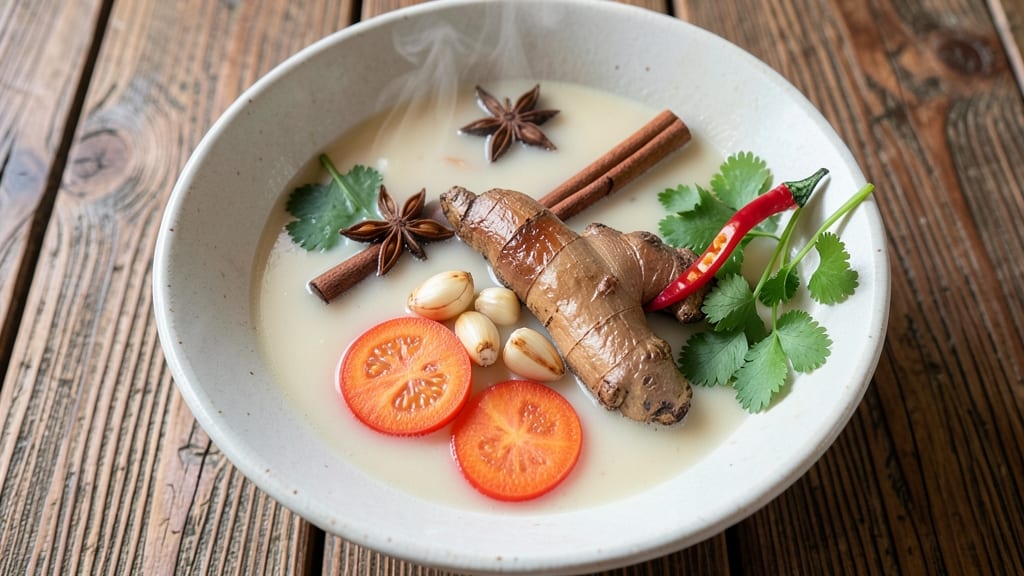
This Asian ginger broth soup recipe transforms simple ingredients into a fragrant, warming bowl of comfort that’s ready in just 25 minutes. The secret lies in slow-simmered ginger, star anise, and cinnamon—aromatic spices that build depth while tenderizing protein and vegetables.
I developed this recipe after years of testing, balancing heat and sweetness to create a broth that’s both invigorating and soothing, perfect for chilly evenings or post-illness recovery.
The foundation is a rich, ginger-infused broth that starts with fresh ginger, garlic, and a splash of soy sauce for umami. Add your choice of protein—chicken, shrimp, or tofu—and vegetables like bok choy or mushrooms for texture.
The key technique? Simmering on low heat to let flavors meld without overcooking. This isn’t just soup; it’s a flavor-packed experience that adapts effortlessly to dietary needs while staying true to its roots.
By the time you ladle the first bowl, you’ll notice the spicy-zesty harmony—ginger’s sharp bite balanced by the warmth of cinnamon and the subtle sweetness of carrots. The broth clings to noodles or vegetables, delivering every layer of flavor in every sip.
It’s the kind of dish that feels both comforting and exciting, proving that a simple pot of soup can be a masterpiece when made with intention.
Whether you’re serving a family dinner or meal-prepping for the week, this recipe delivers restaurant-quality results with minimal effort. The broth keeps well for up to 5 days, and leftovers taste even better as flavors deepen. Ready to elevate your weeknight meals? Here’s how to make it.
Ingredients for asian ginger broth soup
Pantry staples meet aromatic spices for a broth that's both comforting and invigorating.
| Ingredient | Amount | Notes |
|---|---|---|
| Fresh Ginger Root 🧄 | 2 tbsp | Finely grated, aromatic variety |
| Garlic Cloves 🧄 | 4 cloves | Peeled, minced for depth |
| Low-Sodium Soy Sauce 🥢 | 2 tbsp | Kikkoman preferred for balance |
| Star Anise Pods 🌿 | 2 whole | Whole, removed after simmering |
| Cinnamon Sticks 🌿 | 1 whole | Ceylon preferred for subtle warmth |
| Carrots 🥕 | 2 medium | OR 1 cup chopped (peeled) |
| Chicken Breast 🍗 | 1 ½ lb | Boneless, skinless, cubed |
| Bok Choy 🥬 | 1 whole | Baby variety, chopped |
| Green Onions 🧅 | 3 whole | White and green parts separated |
| Sesame Oil 🫒 | 1 tsp | Toasted, for finishing |
| Rice Vinegar 🍶 | 1 tbsp | Seasoned preferred for balance |
| Fresh Chili Peppers 🌶️ | 1 whole | Thinly sliced, optional heat |
| Vegetable Oil 🫒 | 1 tbsp | For initial searing |
| Salt 🧂 | 1 tsp | Diamond Crystal preferred |
| Black Peppercorns 🌶️ | ½ tsp | Freshly cracked for aroma |
The ginger is non-negotiable—fresh, aromatic ginger root (not powder) gives that signature zing. Whole Foods or Asian markets have the best quality, but regular grocery stores work too. Look for ginger that's firm with no soft spots. Star anise and cinnamon sticks? Penzeys Spices sells them in bulk, or grab the tiny bags at Trader Joe's. The soy sauce should be low-sodium—Kikkoman or Tamari are my go-tos, but any good-quality brand works. For the carrots, medium-sized ones (about 2 inches) are ideal—they soften perfectly without turning to mush. If you're using pre-chopped, 1 cup chopped equals 2 medium whole carrots.
No star anise? 1/2 tsp ground anise seed works in a pinch, but the flavor won't be as layered. Swapping chicken for shrimp? 1 lb shrimp (peeled, deveined) cooks faster—add it in the last 3 minutes. Bok choy too expensive? Substitute baby spinach or napa cabbage, but adjust cooking time. The sesame oil is strictly for finishing—don't use it in cooking, or it'll turn bitter. Fresh chili peppers giving you pause? Skip them entirely or use 1/2 tsp red pepper flakes for heat without the texture. The green onions? Use only the white parts for the broth, save the greens for garnish—they add freshness without overpowering.
Broth keeps for 5 days in the fridge, and honestly tastes better the next day as flavors meld. Portion into containers for easy lunches—freezes beautifully for 3 months. For extra convenience, make a double batch and freeze half. Ginger loses potency after grating, so store grated ginger in the freezer in an airtight container. The cinnamon sticks and star anise? Reuse them in another broth—just give them a quick rinse if they've been sitting. Leftovers? Reheat gently on the stove with a splash of water to restore richness.
Why You'll Love This Recipe
- No Chopping Needed: I swear by this recipe when I’m too tired to dice ginger—just grate a thumb-sized piece right into the pot. The star anise and cinnamon sticks do all the work while you simmer, so you’re basically hands-off after the initial stir.
- Warmth in a Bowl: Between us, this soup hits different. The low-sodium soy sauce adds depth, while the ginger and garlic create that just-right bite that lingers like a hug. It’s the kind of flavor that makes you reach for seconds without thinking.
- Meal Prep MVP: I make a big batch on Sundays and freeze it in portions—perfect for sick days or lazy evenings. The broth stays rich even reheated, and the spices keep it interesting without extra effort.
- Pantry Staple Magic: Honestly, I keep these ingredients stocked just for this. A few cloves of garlic, a knob of ginger, and those little spice pods turn cheap broth into something special. It’s my go-to when I’m broke but still want to eat well.
Step-by-step instructions for Asian ginger broth soup
Here's how to build a vibrant, aromatic ginger broth that balances spicy heat with zesty depth.
Prepare the Aromatic Base
Heat the 1 tablespoon vegetable oil in a large pot over medium heat. Add the 2 medium carrots, peeled and cut into ½-inch chunks, and cook for 5 minutes until they begin to soften slightly. This jumpstarts the flavor extraction from the vegetables.
Add the 2 tablespoons finely grated fresh ginger root and 4 cloves minced garlic cloves, stirring constantly for 1 minute until the ginger becomes fragrant and the garlic turns golden. This is where the soup's signature warmth begins to develop—don't rush this step or you'll burn the aromatics.
Build the Spiced Broth
Pour in 4 cups of water (or enough to cover ingredients) and bring to a rolling boil. Add the 2 whole star anise pods, 1 whole cinnamon stick, 2 tablespoons low-sodium soy sauce, 1 teaspoon salt, and ½ teaspoon cracked black peppercorns. Reduce heat to medium-low and let simmer for 10 minutes uncovered.
This simmering time allows the spices to infuse the broth while preventing the ginger from becoming bitter. The star anise and cinnamon will dissolve slightly, releasing their subtle sweetness that balances the ginger's sharpness. If you notice the broth reducing too quickly, add a splash of water to maintain volume.
Sear and Add the Chicken
While the broth simmers, heat 1 tablespoon vegetable oil in a separate skillet over medium-high heat. Add the 1.5 lb cubed chicken breast and sear for 3-4 minutes per side until golden brown. This step creates a rich, caramelized crust that adds depth to the soup.
Transfer the seared chicken to the simmering pot. The residual heat will finish cooking the chicken while it absorbs the aromatic broth. Let everything simmer together for 8-10 minutes until the chicken is fork-tender and registers 165°F internally. Remove the star anise pods and cinnamon stick at this point—they've done their job.
Finish with Vegetables and Bright Flavors
Add the 1 whole chopped bok choy and 2 medium sliced carrots (if not pre-cooked) to the pot. Simmer for 3-4 minutes until the bok choy wilts and the carrots soften slightly. The bok choy should retain some crispness—overcooking will make it mushy.
Stir in the 1 tablespoon rice vinegar and 1 whole thinly sliced fresh chili pepper (if using). The vinegar brightens the broth while the chili adds a subtle heat that complements the ginger. Taste and adjust seasoning—you might need a touch more soy sauce for umami depth.
Serve with Garnishes
Ladle the soup into bowls and drizzle each serving with 1 teaspoon toasted sesame oil. Top with the 3 whole sliced green onions (white and green parts separated) and any remaining ginger slices for visual appeal and extra freshness.
For the perfect balance, serve immediately while the broth is steaming hot. Each spoonful should deliver a harmonious blend of ginger's zing, the chicken's richness, and the bright finish from the vinegar and chili. The green onions add a fresh crunch that cuts through the broth's depth.
Pro Tips For Making Asian Ginger Broth Soup
- Peel Ginger Like a Pro: Use a spoon’s back to scrape off the skin in one smooth motion—no peeling knife required. I learned this the hard way after slicing through my thumb twice; the spoon method is faster and way less messy.
- Bloom Spices First: Toast whole star anise and cinnamon sticks in a dry pot for 30 seconds before adding liquid—this releases their aroma and prevents bitterness. Skip this, and your broth will taste flat, no matter how long you simmer.
- Don’t Boil the Garlic: Add minced garlic to the broth after the spices have steeped for 10 minutes, then simmer gently for 2–3 minutes max. Boil it, and it turns bitter—trust me, you’ll taste the difference.
- Strain Twice for Clarity: Use a fine-mesh sieve first to catch star anise and cinnamon, then a cheesecloth-lined strainer for the ginger and garlic. The second strainer removes those stubborn fine particles that cloud the broth—your soup will look (and taste) polished.
Perfect pairings for this asian ginger broth soup
Noodle Pairings
This ginger broth pairs beautifully with rice noodles or udon noodles for a hearty meal. Cook 4 oz rice noodles according to package instructions, then add them to the soup during the final 2 minutes of simmering.
The noodles absorb the fragrant broth while maintaining a satisfying chew. For extra richness, toss the cooked noodles with 1 tsp toasted sesame oil before adding them to the soup. 🍜
Beverage Pairings
A jasmine green tea or oolong tea complements the ginger's warmth and balances its spiciness. I recommend Bigelow Jasmine Pearl for its floral notes that harmonize with the broth's complexity.
For something stronger, a lightly chilled Tsingtao beer (a Chinese lager) cuts through the richness while enhancing the ginger's zing. Avoid heavy, hoppy beers—they'll overpower the delicate flavors. 🍶
Protein Swaps
For a vegetarian version, swap the chicken for firm tofu or shiitake mushrooms. Press and cube 1 block extra-firm tofu, then pan-fry until golden before adding to the broth.
Shiitake mushrooms add umami depth—simmer 8 oz sliced shiitakes in the broth for 5-6 minutes until tender. Both options absorb the broth's flavors beautifully while keeping the dish satisfying. 🍄
Fresh Garnishes
Elevate your bowl with cilantro leaves or Thai basil for a bright, herbaceous finish. Tear ¼ cup fresh cilantro and sprinkle over each serving just before eating—the aroma alone makes the soup feel restaurant-quality.
For a smoky touch, add 1 tsp crispy fried shallots—their crunch contrasts perfectly with the silky broth. Save the green onion tops for garnish only; they add freshness without overpowering the dish. 🌿
Side Dish Ideas
Serve with steamed jasmine rice or sticky rice to soak up every last drop of broth. For a lighter option, pair with a cucumber salad—toss 1 cup thin cucumber slices with 1 tbsp rice vinegar, ½ tsp sugar, and a pinch of salt.
The cool, crisp salad refreshes your palate between spoonfuls of warm soup. 🥒
Spice Level Adjustments
Love heat? Add ½ tsp gochugaru (Korean red pepper flakes)> to the broth during the final simmer. For a smoky kick, stir in ½ tsp smoked paprika> with the rice vinegar.
If you prefer mild, skip the chili entirely and add 1 tsp honey> to balance the ginger's sharpness. The beauty of this soup is its adaptability—customize it to your spice tolerance without sacrificing flavor. 🌶️
Nutrition facts
Frequently asked questions
Can I make this ginger broth soup without fresh ginger?
While fresh ginger is ideal, you can use 1 tablespoon ground ginger in a pinch—but expect less zing. For best results, try 2 teaspoons ginger paste (found in Asian markets) or 1 tablespoon ginger juice (from a bag of pre-grated ginger). The flavor will be milder, but still aromatic. Never skip the ginger—it's the soul of this dish!
How can I make this soup spicier without overpowering it?
Start with 1 thinly sliced fresh chili pepper (like Thai bird's eye) and adjust to taste. For heat without texture, add ½ teaspoon gochugaru (Korean red pepper flakes) during the final simmer. If you love smoky heat, stir in ½ teaspoon smoked paprika with the rice vinegar. Always taste first—you can add more, but you can't remove it!
What's the best way to store and reheat leftovers?
Store in an airtight container in the fridge for up to 5 days or freeze for 3 months. Reheat gently on the stove with a splash of water or broth to restore richness. For frozen leftovers, thaw overnight in the fridge first. Never microwave—it dulls the aromatic spices. The flavors actually improve overnight as the ginger and spices meld!
Can I make this soup vegetarian? Swap the chicken for firm tofu (pan-fried first) or shiitake mushrooms (simmered for 5-6 minutes). For extra umami, add 1 tablespoon soy sauce or ½ teaspoon mushroom powder to the broth. The broth's depth will still shine without meat. Just
Why does my ginger broth taste bitter?
Overcooking the ginger or using too much is the most common cause. Fresh ginger should simmer for no more than 10 minutes—any longer turns it bitter. For next time, reduce to 2 tablespoons grated ginger and simmer only 8 minutes. Also check your water quality—chlorinated water can enhance bitterness. If it's too late, balance with 1 teaspoon honey or 1 tablespoon rice vinegar.