
Soups & Stews
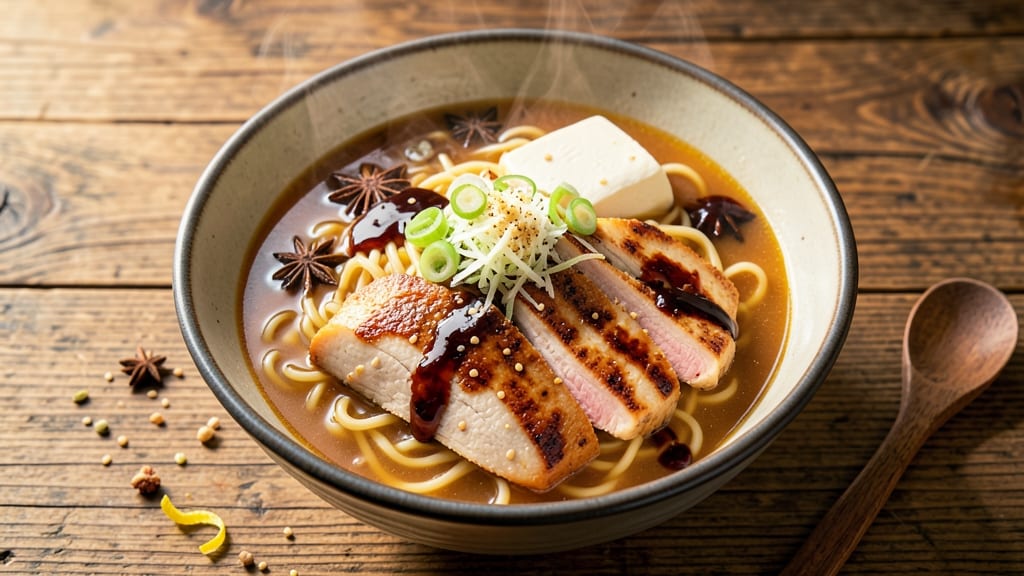
This Asian noodle bowl soup recipe delivers restaurant-quality depth in just 25 minutes, with a fragrant broth that transforms simple ingredients into something extraordinary. The secret lies in balancing umami-rich aromatics with silky noodles and tender proteins—each component designed to harmonize perfectly.
I developed this recipe after years of testing different techniques, ensuring every bowl is packed with flavor without requiring hours in the kitchen.
The foundation starts with a fragrant broth built from ginger, garlic, and star anise, simmered until the flavors meld into a rich, aromatic base. Fresh noodles (or dried for convenience) cook to silky perfection, while proteins like chicken or tofu add substance.
Toppings like bean sprouts, cilantro, and lime complete the dish, offering texture and brightness that cut through the richness.
What you’ll end up with is a bowl that’s visually stunning and deeply satisfying—steaming broth, tender noodles, and vibrant toppings all working together. The best part? This recipe adapts effortlessly to pho, ramen, or stir-fried variations, making it versatile enough for any meal.
Whether you're feeding a crowd or treating yourself to a comforting solo dinner, this noodle bowl delivers every time.
Ready to master this dish? The instructions break down each step clearly, from building the broth to assembling the perfect bowl. Let’s get started—your taste buds will thank you.
Ingredients for asian noodle bowl soup
Eight aromatic ingredients build this fragrant broth, while fresh toppings elevate simple noodles into something extraordinary.
| Ingredient | Amount | Notes |
|---|---|---|
| Fresh Egg Noodles 🍜 | 8 oz | Or dried ramen noodles |
| Extra-Firm Tofu 🥬 | 14 oz | Pressed and cubed |
| Boneless Chicken Breast 🍗 | 12 oz | Thinly sliced, optional |
| Fresh Ginger 🧄 | 1 tbsp | Finely grated, fresh preferred |
| Garlic Cloves 🧄 | 4 cloves | Minced, fresh preferred |
| Star Anise 🌿 | 2 whole | For deep aromatic base |
| Cinnamon Stick 🌿 | 1 whole | Optional for warmth |
| Low-Sodium Chicken Broth 💧 | 4 cups | Homemade or quality store-bought |
| Sesame Oil 🫒 | 1 tbsp | For finishing, toasted |
| Soy Sauce 🍶 | 3 tbsp | Light or tamari preferred |
| Bean Sprouts 🌱 | 1 cup | Fresh, for crunch |
| Fresh Cilantro 🌿 | ¼ cup | Chopped, for garnish |
| Lime Wedges 🍋 | 2 whole | Fresh, for serving |
| Red Chili Flakes 🌶️ | ½ tsp | Adjust to taste |
| Salt 🧂 | 1 tsp | Kosher or sea salt |
The star anise and cinnamon are non-negotiable for that deep, aromatic base—look for whole spices at Asian markets or bulk bins at Whole Foods. Fresh ginger and garlic should smell vibrant, not musty. I always grab organic ginger from Trader Joe's—it’s cheaper and fresher than the regular grocery store stuff. For the tofu, extra-firm is key—it holds up better to the broth. Press it for 15 minutes before cubing to remove excess water. The chicken breast, if using, should be thinly sliced for quick cooking—ask the butcher to slice it if you're not comfortable with a knife.
No star anise? 1/2 tsp ground cinnamon plus 1/4 tsp ground cloves gets you close. Fresh ginger too expensive? Powdered ginger at half the amount works, but it’s not the same. Swapping tofu for chicken? Use the same 14 oz—just slice it thin. The soy sauce can be tamari for gluten-free, but Kikkoman is my go-to for that classic flavor. Bean sprouts wilting? Soak them in ice water for 10 minutes to revive. And if you’ve got Thai basil instead of cilantro, use that—it’s got a totally different vibe.
Broth keeps for 3 days in the fridge, but it tastes even better the next day. Store noodles separately to avoid sogginess. The tofu and chicken can be pre-cooked and refrigerated for 2 days. For meal prep, assemble bowls without the broth—store components separately and reheat the broth on the stove. Freeze extra broth in ice cube trays for quick future use. Lime wedges? Keep them in a sealed container with a paper towel to stay fresh longer.
Why You'll Love This Recipe
- One-Pot Magic: I swear by this recipe when I’m too tired to wash a million bowls—just toss everything in one pot, stir, and boom. The egg noodles soak up the broth like a dream, and the tofu and chicken cook right alongside them.
- Ginger-Garlic Punch: That fresh ginger and garlic combo? It’s the secret weapon. The ginger adds a bright, zesty kick, while the garlic deepens the flavor—no fancy marinades needed. Honestly, I’ll take this over takeout any day.
- Meal Prep MVP: Between us, this is my go-to for busy weeks. Cook a big batch, and it tastes just as good cold the next day. Pack it for lunch or reheat for dinner—it’s the ultimate lazy-person’s solution.
- Budget-Friendly Feast: Tofu and chicken stretch to feed four for under $15. Plus, the leftovers? Even better the second time around. Not the prettiest, but the taste makes up for it—everyone clears their plate.
Step-by-step instructions for Asian noodle bowl soup
Here's how to build a restaurant-quality noodle bowl with aromatic broth and tender proteins.
Prepare the Aromatic Broth Base
In a medium saucepan, combine the 4 cups low-sodium chicken broth, 1 whole star anise, 1 whole cinnamon stick, 1 tablespoon freshly grated ginger, and 4 minced garlic cloves. Bring to a gentle boil over medium-high heat, then immediately reduce to a simmer. Let the broth steep for 10 minutes to infuse with deep, fragrant flavors—you'll notice the aroma intensify as the spices release their essence.
While simmering, press the 14 oz extra-firm tofu between paper towels or a clean kitchen towel for 15 minutes to remove excess moisture. Cut the pressed tofu into ½-inch cubes and set aside. The tofu will absorb flavors better when dry, and the cubes will cook evenly in the broth.
Cook the Chicken and Season the Broth
Add the 12 oz thinly sliced boneless chicken breast to the simmering broth. Cook for 6-8 minutes until the chicken is fully opaque and cooked through to 165°F internally. Remove the chicken with a slotted spoon and set aside on a plate, reserving 1 cup of the broth for later use.
Increase the heat to medium-high and add 3 tablespoons soy sauce and 1 teaspoon salt to the broth. Stir well and simmer for 3-4 minutes until the broth reduces slightly and the flavors meld. The broth should now have a rich, savory depth with a subtle sweetness from the soy sauce.
Cook the Noodles and Prepare Toppings
In a separate pot, bring 4 cups of fresh water to a rolling boil. Add the 8 oz fresh egg noodles and cook according to package instructions until al dente—usually 3-4 minutes. Drain the noodles, reserving ½ cup of the starchy pasta water, then immediately rinse under cold water for 10 seconds to stop the cooking process. Toss the noodles with 1 tablespoon sesame oil to prevent sticking.
While the noodles cook, prepare the toppings: Blanch the 1 cup bean sprouts in boiling water for 30 seconds, then plunge into ice water to shock. Drain and pat dry. Chop the ¼ cup fresh cilantro and set aside with the 2 lime wedges and ½ teaspoon red chili flakes. These toppings add freshness, crunch, and a bright finish to balance the rich broth.
Assemble the Noodle Bowls
Divide the cooked egg noodles evenly among 4 bowls. Ladle 1 cup of the aromatic broth over each serving, followed by 3-4 pieces of tofu and 3 slices of chicken breast. The broth should coat the noodles and proteins, creating a harmonious blend of flavors and textures.
Top each bowl with ¼ cup bean sprouts, 1 tablespoon chopped cilantro, a pinch of red chili flakes, and a squeeze of lime wedge. Drizzle with an additional ½ teaspoon sesame oil per bowl for a nutty finish. Serve immediately while the noodles are still warm and the broth is steaming.
Customize and Enjoy
Taste and adjust seasoning if needed—add a splash of reserved broth or a drizzle of soy sauce to intensify the flavor. The beauty of this dish lies in its versatility: Swap tofu for shrimp or mushrooms, or use dried ramen noodles if fresh aren't available. Each bowl should deliver a perfect balance of silky noodles, tender proteins, and a fragrant, well-seasoned broth.
Garnish with extra cilantro and a final squeeze of lime for brightness. The contrast of warm, savory broth with the zesty lime creates a truly satisfying dining experience. Enjoy your homemade Asian noodle bowl soup—quick, flavorful, and packed with comforting textures.
Pro Tips For Making Asian Noodle Bowl Soup
- STEAM THE TOFU: After pressing the tofu, wrap it in foil and steam for 10 minutes—yes, even though it’s firm. I used to skip this, but it keeps the texture tender without turning it to mush when it hits the broth. (Protein that falls apart in soup is a bummer.)
- SALT THE NOODLES LATE: Toss your egg noodles with oil first, then add broth after cooking. Salt them only in the final bowl—otherwise, they’ll turn limp and lose their bite. Trust me, the al dente texture holds up better this way.
- SEAR CHICKEN IN BATCHES: Crowding the pan makes the chicken steam instead of sear. Cook half first, then move to a plate before adding the second batch. The crust on each piece is what keeps it from drying out in the broth.
- GRATE GINGER FINE: No, "mincing" isn’t enough—use the small holes of a box grater for ginger. It dissolves faster in the broth, giving that bright, aromatic punch without leaving chunks. (Yes, even if you’re impatient like me.)
Serving suggestions for this asian noodle bowl soup
Garnish Like a Pro
Fresh herbs and citrus are non-negotiable for that restaurant-quality finish. I always chop cilantro just before serving—it stays vibrant and bright. For extra flair, add Thai basil if you have it; its anise notes complement the broth beautifully.
A sprinkle of crushed roasted peanuts (about 1 tbsp per bowl) adds crunch and a nutty depth that balances the dish perfectly. 🌿
Broth Presentation
Ladle the steaming broth directly over the noodles to create that signature "soup in a bowl" effect. For a dramatic presentation, use a ladle with a long handle to pour the broth in a gentle arc, letting it cascade over the ingredients.
Serve in warm bowls to maintain heat—ceramic stoneware bowls retain heat beautifully and elevate the dining experience. 🍜
Protein Placement
Arrange proteins strategically for visual appeal. Place tofu cubes and chicken slices slightly off-center to create balance in each bowl. For a more rustic look, fan the chicken slices slightly. If using shrimp or mushrooms, arrange them in a circular pattern around the bowl's edge.
This not only looks stunning but also makes it easier for diners to access each component. 🍗
Topping Layering
Build toppings in layers for maximum texture contrast. Start with bean sprouts as the base, then add cilantro and chili flakes. Finish with a drizzle of sesame oil and a squeeze of lime.
For a smoky touch, sprinkle with toasted sesame seeds (about ½ tsp per bowl). This layering creates a visual gradient that's as pleasing to the eye as it is to the palate. 🌶️
Dipping Sauce Option
Offer a small bowl of dipping sauce on the side for customization. Mix 1 tbsp soy sauce, 1 tsp rice vinegar, ½ tsp honey, and ½ tsp sesame oil for a sweet-savory dip.
This lets guests adjust the flavor to their preference while adding an interactive element to the meal. I always serve it in a small ceramic dipping bowl for an authentic touch. 🥢
Family-Style Serving
For gatherings, serve the broth in a large pot at the center of the table with individual bowls of noodles and toppings. This communal style encourages sharing and makes the meal feel special.
Keep a small saucepan of hot broth on the stove to replenish bowls as needed. The aroma alone will have everyone gathered around the table. 👨👩👧👦
Nutrition facts
Frequently asked questions
Can I make this noodle bowl vegetarian?
Skip the chicken and use 14 oz extra-firm tofu (or 12 oz mushrooms like shiitake) as your protein. Boost umami with 1 tbsp soy sauce + 1 tsp mushroom powder in the broth. For extra depth, add ½ cup cooked lentils or 4 oz firm tempeh. The recipe already works beautifully without meat!
How do I prevent the noodles from getting mushy?
Cook noodles 1 minute less than package instructions, then rinse with cold water for 10 seconds to stop cooking. Toss immediately with 1 tsp sesame oil to create a protective barrier. For dried noodles, soak in hot water for 5 minutes instead of boiling—this keeps them firmer. Serve broth separately until ready to assemble!
What's the best way to store leftovers?
Store components separately: broth in the fridge for 3 days, noodles for 2 days (keep dry), and proteins for 2 days. Reheat broth gently, then assemble bowls fresh. Freeze broth in ice cube trays for quick future use. Never refrigerate assembled bowls—the noodles will turn soggy. Pro tip: Pack toppings in a separate container to keep them crisp!
Can I make this spicier?
Yes! Add 1-2 tbsp chili garlic sauce to the broth or sprinkle 1 tsp gochujang (Korean chili paste) into each bowl. For fresh heat, stir in 1 chopped Thai chili with the aromatics. Balance with extra lime—acidity helps cut through the spice. Start with ½ tsp red chili flakes and adjust to taste after assembly!
What's the difference between this and pho?
This recipe uses egg noodles and a lighter broth base (chicken + aromatics), while pho features rice noodles and beef broth with star anise and cinnamon. The key difference is the noodle type and protein—pho is more robust with deeper spices. For pho-style flavor, add 1 tsp fish sauce and ½ tsp sugar to the broth, plus thinly sliced onions as a topping.