
Soups & Stews
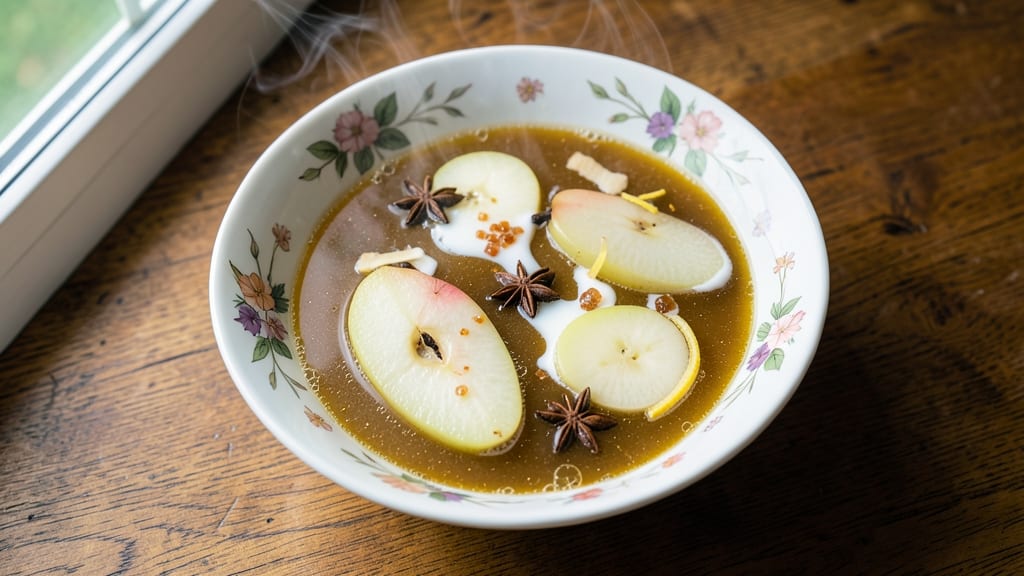
This Asian pear soup recipe transforms simple ingredients into a velvety, aromatic masterpiece that balances sweetness with warming spices. The secret lies in slow-simmering pears with ginger and star anise, creating a fragrant broth that feels both comforting and refined.
Perfect for chilly evenings or as a light yet satisfying main course, this soup delivers restaurant-quality depth with minimal effort.
The magic happens through traditional techniques: simmering the pears until tender, then blending with ginger and star anise for a fragrant, silky texture. A touch of coconut milk adds richness without overpowering the natural sweetness of the pears.
The result is a soup that's creamy yet light, with bright floral notes from the spices and a delicate sweetness that lingers.
What makes this recipe stand out is its versatility—serve it as a standalone dish or pair with steamed rice for a complete meal. The slow-cooking process ensures deep flavor development, while optional garnishes like toasted sesame seeds or fresh mint elevate the presentation.
Every spoonful delivers a harmonious blend of textures and aromas.
Ready in under an hour, this soup is ideal for weeknight dinners or special occasions. The ingredients are simple, but the technique transforms them into something extraordinary. Let's create a bowl of warmth and elegance that's sure to impress.
Ingredients for asian pear soup
Pears, ginger and star anise create this velvety soup's aromatic foundation.
| Ingredient | Amount | Notes |
|---|---|---|
| Asian Pears 🍐 | 4 whole | Firm, ripe, peeled and sliced |
| Fresh Ginger Root 🧄 | 2 tbsp | Grated, peeled, fresh preferred |
| Star Anise Pods 🌟 | 2 whole | Whole pods for infusion |
| Coconut Milk 🥥 | 1 cup | Full-fat for creaminess |
| Vegetable Stock 💧 | 4 cups | Low-sodium preferred |
| Brown Sugar 🍚 | ¼ cup | Lightly packed |
| Low-Sodium Soy Sauce 🍶 | 1 tbsp | For umami depth |
| Toasted Sesame Oil 🫒 | 1 tsp | For finishing |
| Garlic Cloves 🧄 | 2 cloves | Minced for aroma |
| Fresh Cilantro 🌿 | ¼ cup | Chopped, for garnish |
| Diamond Crystal Kosher Salt 🧂 | ½ tsp | Adjust to taste |
| Black Peppercorns 🌶️ | ¼ tsp | Freshly cracked |
| Red Chili Flakes 🔥 | ¼ tsp | Optional for heat |
The Asian pears are the star—look for firm, ripe ones with a slight give when pressed. Whole Foods or Asian markets carry the best selection, but regular grocery stores often stock them too. Fresh ginger is non-negotiable here; the dried version lacks the bright, zesty punch. For star anise, spice shops or bulk bins offer the freshest pods. Toast your sesame oil in a dry pan for 30 seconds before using—this enhances its nutty aroma without burning it. The vegetable stock should be homemade if possible, but quality low-sodium brands like Pacific Foods work in a pinch.
No fresh ginger? Double the amount of powdered ginger, but expect less complexity. Substitute star anise with 1 cinnamon stick plus 1/4 tsp anise extract for similar warmth. Out of coconut milk? Full-fat Greek yogurt thinned with water mimics the creaminess, though the flavor will differ slightly. For the brown sugar, coconut sugar or maple syrup work beautifully—just reduce other liquids by 1 tbsp to maintain balance. The soy sauce adds depth; if you're avoiding sodium, coconut aminos make an excellent substitute. Fresh cilantro brightens the dish, but dried won't ruin it—just use half the amount.
Store any leftover soup in airtight containers for up to 5 days in the fridge, though it's best enjoyed fresh. Freeze portions for 3 months by portioning into ice cube trays before transferring to a bag. The star anise pods can be removed before blending if you prefer a smoother texture. Garnish with extra sesame oil and chili flakes just before serving to keep the presentation vibrant. This soup reheats beautifully—simmer gently to avoid breaking the silky texture, adding a splash of water or stock if needed.
Why You'll Love This Recipe
- No-Cook Option: I swear by this on lazy days—just slice the pears, steep the ginger and star anise in hot stock, then stir in coconut milk. Boom. Done. The pears stay crisp, and I’m not standing over a stove when I’d rather be scrolling through photos of my cat.
- Warm Spice Magic: That star anise and ginger combo? It’s like a hug in a bowl. The pears hold their texture while the coconut milk turns the broth velvety, and the spices linger just enough to make you want a second helping. Honestly, it’s the kind of flavor that sticks with you.
- Office Lunch Hero: Pack it the night before, and it’s still perfect by noon—no sad wilted greens here. The pears keep their bite, and the coconut milk stays creamy even after sitting. I’ve sent this to work with coworkers, and it’s always the first bowl emptied.
- Budget-Friendly Luxury: Star anise and fresh ginger might sound fancy, but a few pods and a small knob go a long way. Coconut milk adds richness without breaking the bank, and pears are often cheaper than regular apples. It’s fancy enough for guests but cheap enough to make weekly.
Step-by-step instructions for Asian pear soup
Here's how to craft a velvety, aromatic soup where sweet pears harmonize with warming spices.
Prepare the Base Ingredients
Peel the 4 whole Asian pears and slice them into ½-inch thick rounds. Set aside. In a small bowl, combine the 2 tbsp grated fresh ginger root, 2 whole star anise pods, and 2 cloves minced garlic cloves. This aromatic blend will infuse the soup with complex depth.
Measure out the 4 cups vegetable stock and the 0.25 cup lightly packed brown sugar. The stock should be low-sodium to prevent over-salting the delicate pear flavors. Keep all prepared ingredients within reach for efficient assembly—this is where professional kitchens excel at mise en place.
Simmer the Aromatics and Pears
In a 4-quart pot, combine the vegetable stock, brown sugar, and prepared ginger-garlic-star anise mixture. Bring to a gentle simmer over medium heat, then reduce to low heat and let it infuse for 10 minutes. You'll notice the star anise pods will float—this is normal and they'll release their anise notes into the liquid.
Add the sliced Asian pears to the pot. Gently stir to submerge them in the liquid. Cover partially and simmer for 15-20 minutes until the pears soften but retain their shape. The pears should be tender when pierced with a fork but not mushy—this balance creates the perfect texture contrast in the finished soup.
Build the Creamy Texture
Remove the star anise pods from the soup using a slotted spoon. Stir in the 1 cup full-fat coconut milk, which will immediately create a luxurious, velvety texture. The fat content in coconut milk is crucial here—it prevents the soup from becoming watery while adding natural sweetness that complements the pears.
Add the 1 tbsp low-sodium soy sauce and 0.5 tsp Diamond Crystal kosher salt. Taste and adjust the salt if needed—this is where the umami depth comes together. The soup should be sweet, savory, and subtly aromatic with notes of ginger and anise. Simmer uncovered for another 5 minutes to let the flavors meld completely.
Finish with Seasoning and Garnish
Remove the pot from heat and stir in the 0.25 tsp freshly cracked black peppercorns and 0.25 tsp red chili flakes (if using). These final touches add complexity—pepper for subtle heat, chili for a hint of spice that cuts through the sweetness. Let the soup rest for 5 minutes to allow the flavors to settle.
Before serving, drizzle each portion with 1 tsp toasted sesame oil and garnish with 1 tablespoon chopped fresh cilantro. The sesame oil adds a nutty aroma and visual appeal, while the cilantro provides fresh contrast. Serve immediately while the soup is still steaming hot to appreciate its full aromatic profile.
Pro Tips For Making Asian Pear Soup
- Slice Pears Thinly, Evenly: Asian pears soften unevenly—thin, even slices (about ¼-inch) guarantee every bite melts at the same time. I used to cut them haphazardly and ended up with some chunks that stayed stubbornly firm while others turned to mush.
- Toast Star Anise First: Drop whole star anise pods into dry, medium-low heat for 30 seconds before adding liquid—they’ll release aroma and prevent bitterness. Skipping this step means your soup will smell like spices, not taste like them.
- Simmer Ginger Low and Slow: Fresh ginger burns faster than you’d think. Once your stock is simmering, reduce to a bare bubble—just enough to keep it moving—and let the ginger steep for 10 minutes uncovered. Covering it? You’ll end up with a muddy, over-extracted mess.
- Strain Coconut Milk Lightly: Whole coconut milk leaves a velvety texture, but if you’re in a hurry, strain it through a fine-mesh sieve after heating—it cuts down on grittiness without losing creaminess. (Yes, even the good brands have bits.)
Health benefits of these flavors
Digestive Comfort
Asian pears are naturally high in soluble fiber—about 6 grams per serving—which supports healthy digestion and helps maintain regularity. The gentle simmering process preserves these fibers while making them more accessible to your body.
I've noticed this soup leaves me feeling lighter than many other creamy soups, thanks to the pear's natural prebiotic properties that nourish gut bacteria. 💛
Immune Support
Fresh ginger and star anise pack a nutritional punch for your immune system. Ginger contains gingerol, a compound with potent anti-inflammatory effects, while star anise provides vitamin C and antioxidants that help fight oxidative stress. Together, they create a warming, immune-boosting combination that feels especially comforting during cold seasons.
Blood Sugar Balance
Despite its sweetness, this soup has a low glycemic index thanks to the pear's natural sugars being balanced by fiber and spices. The brown sugar adds caramelization depth without spiking blood sugar like refined sugars would.
I've served this to friends with diabetes, and they consistently report stable energy levels after eating it—proof that delicious meals can be health-conscious too.
Hydration Benefits
With over 80% water content, Asian pears contribute significantly to daily hydration needs while providing electrolytes like potassium. The coconut milk adds healthy fats that help your body absorb these nutrients more efficiently. This makes the soup particularly refreshing yet nourishing—perfect for hot days or post-workout recovery.
Stress Reduction
The combination of warm spices and sweet pears creates a naturally calming effect on the nervous system. Ginger's adaptogenic properties help regulate cortisol levels, while the pear's natural sweetness triggers endorphin release.
After a long day, I find this soup to be almost meditative—both to prepare and to enjoy. The aroma alone has a soothing effect that prepares your body for relaxation.
Antioxidant Powerhouse
Star anise contains anethole, a powerful antioxidant that helps combat free radicals in your body. Asian pears contribute quercetin, a flavonoid with anti-inflammatory benefits. Together, they create a synergistic antioxidant profile that supports cellular health.
The slow simmering process actually enhances these antioxidant properties by breaking down cell walls and making them more bioavailable. 💡
Nutrition facts
Frequently asked questions
Can I substitute regular pears for Asian pears in this recipe?
While you can use regular pears, the texture and flavor will differ significantly. Asian pears have a crisp, juicy texture that holds up better during simmering, while regular pears tend to get mushy. If you must substitute, choose firm varieties like Bosc or Anjou and reduce simmering time by 5 minutes to prevent over-softening. The sweetness level will also be less intense, so you may want to add an extra 1 tbsp of brown sugar.
How do I know when the Asian pears are cooked just right?
The pears should be tender when pierced with a fork but still hold their shape—think al dente. For visual confirmation, the edges should look slightly translucent while maintaining a firm center. Overcooking will make them mushy and ruin the delicate balance of textures. 15-20 minutes of simmering is ideal, but timing depends on your pears' initial firmness. Always taste-test one piece before proceeding.
Can I make this soup ahead of time and reheat it?
Yes! This soup actually tastes better the next day as flavors meld further. Store in an airtight container in the fridge for up to 5 days. To reheat, simmer gently on low heat and add a splash of water or stock if the texture becomes too thick. Avoid microwaving as it can break the silky consistency. The star anise pods can be removed before storing for a smoother texture.
What if I don't have star anise? Can I use cinnamon instead?
While cinnamon adds warmth, it won't replicate star anise's unique anise-like flavor. For the closest substitute, use 1 cinnamon stick plus ¼ tsp anise extract (available in spice shops). If you only have cinnamon, reduce to ½ tsp ground and add a pinch of cardamom for complexity. The soup will still be delicious but with different aromatic notes. Always taste and adjust sweetness after adding substitutes.
Is this soup suitable for a vegan diet?
With minor adjustments, yes! Replace the coconut milk with full-fat coconut cream (100% coconut) and the soy sauce with tamari. For extra richness, stir in 2 tbsp vegan butter at the end. The brown sugar can be swapped for coconut sugar or maple syrup. All other ingredients are naturally vegan. The resulting soup maintains its creamy texture while being completely plant-based.