
Soups & Stews
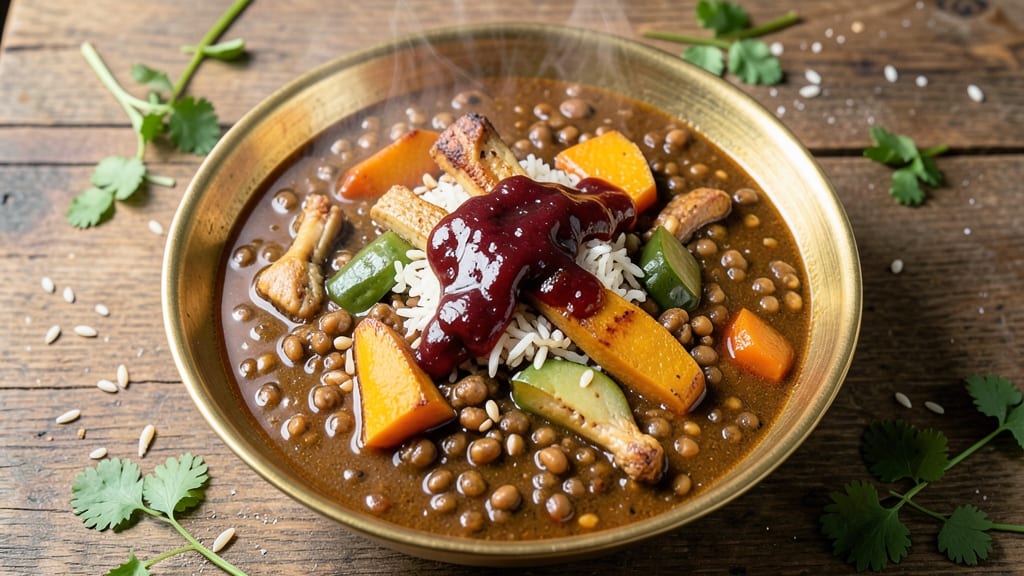
This Attukal soup recipe in Tamil brings the heart of Tamil tradition to your kitchen—a fragrant blend of lentils, rice, and seasonal vegetables that’s both nourishing and deeply comforting. 💛 The dish’s name comes from Attukal, a sacred hill in Kerala where devotees prepare this simple yet soulful meal during festivals, proving how humble ingredients can create extraordinary flavors when combined with care.
The beauty of Attukal Soup lies in its adaptability—it’s a one-pot wonder that transforms basic staples into a symphony of textures and tastes. The lentils simmer into a velvety broth while the rice absorbs the aromatic spices, and vegetables like drumsticks, pumpkin, and gourd add natural sweetness and depth.
What makes it special is the balance: the tangy tamarind, the warmth of black pepper, and the earthy notes of curry leaves create a harmony that’s both traditional and universally appealing.
What you’ll end up with is a rich, spiced soup that’s perfect for festive gatherings or cozy weeknights. The rice remains separate but infused with the soup’s flavors, so every bite delivers that perfect contrast of tender grains and hearty broth.
It’s the kind of dish that feels like a warm embrace—simple to prepare but impossible to resist.
Best of all, this recipe honors tradition while allowing room for creativity. Swap in seasonal vegetables, adjust spice levels to taste, or even add a modern twist like coconut milk for extra richness. Here’s how to bring this Tamil classic to life in your own kitchen.
Ingredients for attukal soup recipe in tamil
Humble lentils, fragrant spices, and seasonal veggies transform into this soulful Tamil classic.
| Ingredient | Amount | Notes |
|---|---|---|
| Toor Dal (Split Pigeon Peas) 🌾 | 1 cup | Rinsed well before cooking |
| Raw Rice 🍚 | ½ cup | Short-grain preferred |
| Drumsticks (Moringa Oleifera) 🌱 | 2 whole | Fresh or frozen, chopped |
| Pumpkin (Kaddu) 🎃 | 2 cups | Cubed, skin removed |
| Ridge Gourd (Torai) 🥒 | 1 cup | Cubed, skin removed |
| Tamarind (Puliyam) 🍋 | 2 tbsp | Soaked in warm water |
| Curry Leaves 🌿 | ¼ cup | Fresh, whole leaves |
| Black Peppercorns 🌶️ | 1 tsp | Crushed lightly |
| Cumin Seeds 🌿 | 1 tsp | Toasted until fragrant |
| Mustard Seeds 🌱 | ½ tsp | Lightly roasted |
| Ginger 🧄 | 1 tbsp | Fresh, grated |
| Asafoetida (Hing) 🌶️ | ⅛ tsp | Pinch for aroma |
| Coconut Oil 🥥 | 2 tbsp | For tempering |
| Salt 🧂 | 1 tsp | Adjust to taste |
| Water 💧 | 4 cups | For cooking |
The toor dal and rice are the heart of this dish—look for whole, unbroken grains in both. South Indian grocers or bulk bins at stores like Whole Foods carry the best quality. Fresh drumsticks and ridge gourd add that authentic earthy sweetness, but frozen veggies work in a pinch. The tamarind is non-negotiable for that signature tang—soak it well to remove seeds and fibers. Curry leaves? Fresh is best, but dried at half the amount gets you close. I always grab extra because they add so much aroma.
No fresh ginger? Double the amount of powdered ginger, but trust me, fresh is worth it. Short on drumsticks? Substitute with bottle gourd or sweet potato—same texture, different flavor. The asafoetida might be tricky to find—Indian grocery stores stock it, or use a pinch of garlic powder if needed. Want more richness? Add a splash of coconut milk at the end. The spices need to be toasted—don't skip this step—it unlocks their full potential. If you're short on time, pre-toasted cumin and mustard seeds from the spice aisle work too.
This soup tastes even better the next day as flavors meld. Store in an airtight container for 3-4 days in the fridge—freezes beautifully for 3 months. I always double the batch because it disappears fast. The rice stays separate but soaks up all the delicious broth, so serve it alongside. For extra authenticity, garnish with a sprinkle of fresh coriander before serving.
Why You'll Love This Recipe
- One-Pot Magic: I swear by this—just toss in the toor dal, raw rice, and chopped veggies (drumsticks, pumpkin, torai) all at once. No separate pans, no fussing with layers—it simmers into perfection while you handle the rest of dinner.
- Drumstick Depth: That first bite? The drumsticks add this earthy, almost meaty richness that lingers. Between us, it’s the secret weapon—no one guesses it’s just a vegetable until they taste it.
- Leftover Revival: Honestly, this soup only gets better the next day. The flavors meld into something even deeper, and reheating takes two minutes. I’ve saved this recipe from turning into sad fridge leftovers more times than I can count.
- Pocket-Friendly Power: Toor dal, raw rice, and seasonal veggies? This is my go-to when groceries are tight but I refuse to compromise. Feeds four for under $5, and the kids still beg for seconds. (Yes, even on a Tuesday night.)
Step-by-step instructions for Attukal soup
This traditional Tamil lentil-vegetable blend comes together with aromatic spices and tender vegetables.
🍳 Step 1: Pressure Cook the Lentils and Rice
Combine the 1 cup toor dal and 0.5 cup raw rice in a pressure cooker with 4 cups water. I like to rinse both ingredients first to remove any excess starch that could make the soup gummy. Cook on high pressure for 4 whistles or until the lentils and rice are completely tender—you should be able to mash them easily with a spoon.
While waiting, chop the 2 whole drumsticks into bite-sized pieces and cube the 2 cups pumpkin and 1 cup ridge gourd into even ½-inch pieces. This even sizing ensures everything cooks at the same rate. Set them aside—they'll join the soup shortly after the lentils soften.
👨🍳 Step 2: Prepare the Tamarind Paste
In a small bowl, dissolve the 2 tbsp tamarind in ¼ cup warm water until you get a smooth, slightly sticky paste. The tamarind should dissolve completely—if it's lumpy, strain it through a fine-mesh sieve. This tangy base balances the earthy flavors of the vegetables and lentils.
Meanwhile, lightly crush the 1 tsp black peppercorns and toast the 1 tsp cumin seeds and 0.5 tsp mustard seeds in a dry skillet over medium heat until fragrant—about 30 seconds. Let them cool slightly before adding to the soup. The aroma will transform your kitchen into a spice shop!
🍳 Step 3: Build the Flavor Base
Heat the 2 tbsp coconut oil in a heavy-bottomed pot over medium heat. Add the toasted spices and let them sizzle for 30 seconds until the mustard seeds pop. Add the 1 tbsp grated ginger and 0.125 tsp asafoetida, stirring constantly for 1 minute—this releases the hing's magical aroma.
Pour in the cooked lentil-rice mixture and stir well. Add the tamarind paste, 1 tsp salt, and the chopped vegetables. Bring to a gentle boil, then reduce heat to low and simmer uncovered for 15-20 minutes, stirring occasionally. The soup should thicken slightly as the vegetables release their moisture.
🥘 Step 4: Temper with Curry Leaves
In a small pan, heat 1 tbsp coconut oil over medium heat. Add the 0.25 cup curry leaves and let them sizzle for 30 seconds until they turn dark green and fragrant. This is the finishing touch that elevates the soup from good to extraordinary.
Pour the tempered curry leaves over the simmering soup and stir gently. Taste and adjust the seasoning—you might need a pinch more salt or a squeeze of lemon if you prefer extra tang. Let the soup sit off heat for 5 minutes before serving to allow all the flavors to meld together perfectly.
🍽️ Step 5: Serve Warm with Accompaniments
Ladle the hot soup into bowls and serve immediately with steamed rice or roti. The contrast of the warm, spiced soup with soft rice makes every bite satisfying. For extra richness, drizzle a little ghee on top or serve with a side of crispy papadums.
This Attukal soup is where tradition meets comfort—each spoonful delivers the perfect balance of protein from the lentils, sweetness from the vegetables, and that signature Tamil tang from the tamarind. The secret? Patience in simmering and the right blend of spices.
Pro Tips For Making Attukal Soup Recipe In Tamil
- SOAK DAL SEPARATELY: Split pigeon peas (toor dal) and raw rice together? Bad idea. Soak the dal alone for 30 minutes first—it absorbs water faster and cooks evenly. The rice will handle the remaining simmer without turning mushy, and you’ll avoid that chalky texture I used to hate in my first batches.
- SCORE DRUMSTICKS THIN: Drumsticks (moringa) need to break down, not stay tough. Slash them lengthwise into ¼-inch strips before adding to the pot. I learned this after years of chewing on undercooked pieces—now they soften in 15 minutes instead of 30, and the flavor infuses the soup properly.
- SALT THE VEGETABLES FIRST: Toss pumpkin (kaddu) and ridge gourd (torai) with ½ teaspoon salt and let them sit for 10 minutes before cooking. This draws out moisture, so they caramelize faster and don’t turn to mush when simmered. Trust me, your soup’s texture will be firmer and richer.
- SIMMER LOW AFTER BOILING: Once everything’s in the pot, bring it to a rolling boil once—then drop the heat to the lowest setting that keeps tiny bubbles dancing. I used to let it boil hard, and the dal would split open, releasing starch and making the soup gluey. Low and slow keeps the dal intact and the broth clear.
Essential equipment for this recipe
Pressure Cooker
You absolutely need a pressure cooker for this recipe—it’s the only way to achieve that perfect tender texture in the lentils and rice. I use a stainless steel Instant Pot because it’s durable and easy to clean, but any 6-quart pressure cooker will work.
If you’re new to pressure cooking, start with the high-pressure setting and let it cook for 4 whistles—this ensures the dal and rice are completely soft. 🌡️
Heavy-Bottomed Pot
A heavy-bottomed pot is essential for simmering the soup evenly without burning the spices. I recommend a 3-4 quart stainless steel pot like the All-Clad or Cuisinart—they distribute heat perfectly. If you don’t have one, a cast iron skillet works too, but monitor the heat closely to avoid scorching.
The pot should be large enough to hold all the ingredients comfortably without overflowing.
Fine-Mesh Sieve
A fine-mesh sieve is a game-changer for straining the tamarind paste—it removes any fibrous bits that could make your soup gritty. I keep a stainless steel one (like the OXO Good Grips) in my kitchen for this exact purpose.
If you’re in a pinch, a cheesecloth or even a clean kitchen towel works, but the sieve is the most reliable. This step ensures your tamarind is smooth and blends seamlessly into the soup.
Spice Toasting Pan
Toasting spices in a small skillet (I use a non-stick 8-inch pan) over medium heat is key to unlocking their full flavor. A cast iron skillet is ideal because it retains heat well, but any small pan will do.
Toast the cumin, mustard seeds, and peppercorns until they’re fragrant—about 30 seconds—but don’t let them burn. The aroma alone will make your kitchen smell like a Tamil spice shop! 🌿
Curry Leaf Tempering Pan
For the final tempering step, use a small frying pan (like a mini skillet) to fry the curry leaves in coconut oil. This step is non-negotiable—it adds that signature aroma and depth to the soup.
I like to use a small cast iron pan for this because it heats up quickly and gives the leaves that perfect dark green color. If you’re short on time, you can even temper them directly in the soup pot, but a separate pan gives you better control.
Measuring Spoons
Precise measurements are crucial for balancing the flavors in this soup. Invest in a set of stainless steel measuring spoons (I love the OXO Good Grips ones) to accurately measure the tamarind, asafoetida, and spices.
A 1/8 tsp measure is especially helpful for the hing—too much can overpower the dish, while too little won’t add enough aroma. Trust me, these small details make a big difference in the final result! ⚡
Nutrition facts
Frequently asked questions
Can I make Attukal Soup without a pressure cooker?
Yes, but it will take longer! Use a pot with a tight-fitting lid and simmer the lentils and rice with 4 cups water for 45-50 minutes on medium-low heat, stirring occasionally to prevent sticking. The key is patience—keep the water level just above the ingredients and stir gently to avoid breaking the rice.
What if I can't find drumsticks or ridge gourd?
No problem! Drumsticks can be replaced with bottle gourd or sweet potato, while ridge gourd works well with lauki (doodhi) or zucchini. The texture should remain similar, though flavors will vary slightly. Just ensure the vegetables are cut into even-sized pieces for consistent cooking.
How do I adjust the spice level for kids or sensitive stomachs?
Reduce the black pepper to ½ tsp and omit the asafoetida, which can be strong. For extra mildness, add ½ cup coconut milk at the end to balance the flavors. Always taste as you go—you can adjust salt and tamarind to preference after the initial seasoning.
Can I prepare Attukal Soup in advance?
This soup tastes even better the next day. Store in an airtight container in the fridge for 3-4 days or freeze for 3 months. Reheat gently on low heat, stirring occasionally, and add a splash of water if it thickens too much. The flavors meld beautifully overnight!
What makes Attukal Soup different from other Tamil lentil soups?
The key differences are the tamarind paste for tanginess and the curry leaf tempering, which gives it a distinct aroma. Unlike some other Tamil soups, Attukal Soup includes rice cooked with lentils, creating a heartier base. The combination of vegetables and spices makes it uniquely comforting and balanced.