
Soups & Stews
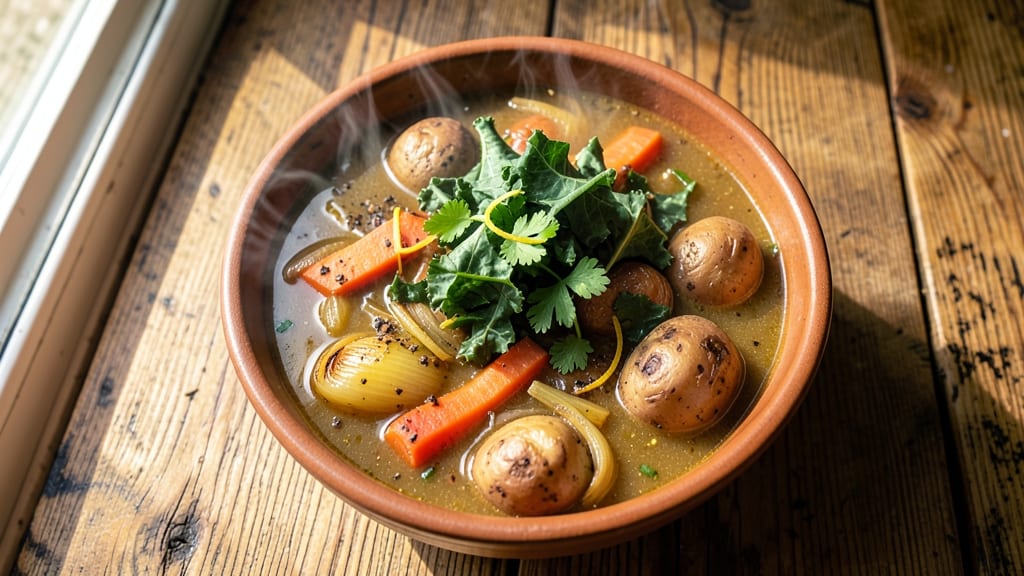
This authentic Irish vegetable soup recipe brings the hearty, comforting flavors of Ireland straight to your kitchen, rooted in tradition yet simple enough for any home cook.
The slow-simmered blend of root vegetables, tender herbs, and barley creates a dish that's both nostalgic and deeply satisfying—just as it would have been served in a cozy Irish cottage centuries ago.
What sets this recipe apart is the balance of earthy leeks, sweet carrots, and the subtle bitterness of kale, all harmonized by fresh parsley and a whisper of thyme.
The beauty of this soup lies in its slow-simmered richness, where flavors meld together over time to create a velvety, comforting broth that's as nourishing as it is delicious. Unlike many modern adaptations, this version stays true to its peasant origins—simple ingredients, no shortcuts—while still delivering restaurant-quality depth.
The barley adds a satisfying chewiness, while the potatoes and carrots soak up the flavors beautifully, making every spoonful heartwarming.
By the time you serve this soup, you'll have a steaming bowl of authentic Irish comfort that's perfect for chilly evenings or family gatherings. The aroma alone—warm, herby, and slightly smoky—will transport you to the rolling hills of Ireland, where this dish has been a staple for generations.
Serve it with a slice of crusty soda bread to soak up every last drop of that flavorful broth.
Whether you're recreating a traditional Irish meal or simply craving a bowl of soul-warming goodness, this recipe delivers the real deal—authentic, hearty, and impossible to resist. The best part? It's easier to make than you'd think, with no fancy techniques required. Let's get cooking!
Ingredients for authentic irish vegetable soup
Root vegetables, tender herbs, and barley—this is the soul of Irish comfort in a bowl.
| Ingredient | Amount | Notes |
|---|---|---|
| Yellow Onions 🧅 | 1 whole | Chopped into half-moons |
| Leeks 🧅 | 2 whole | White and light green parts only |
| Carrots 🥕 | 3 medium | Peeled and chopped into chunks |
| Russet Potatoes 🥔 | 4 medium | Peeled and cubed evenly |
| Kale 🥬 | 4 cups | Chopped, stems removed |
| Parsley 🌿 | ¼ cup | Fresh, chopped for garnish |
| Fresh Thyme 🌿 | 1 tbsp | Leaves only, chopped finely |
| Pearl Barley 🌾 | 1 cup | Rinsed thoroughly |
| Vegetable Stock 💧 | 6 cups | Homemade or quality store-bought |
| Extra-Virgin Olive Oil 🫒 | 2 tbsp | For sautéing vegetables |
| Salt 🧂 | 1 ½ tsp | Diamond Crystal preferred |
| Black Peppercorns 🌶️ | ½ tsp | Freshly cracked |
| Bay Leaves 🍃 | 2 whole | For depth of flavor |
The vegetables are the heart of this soup, so pick fresh, seasonal produce—especially the kale and leeks. Whole Foods or local farmers markets have the best quality, but any grocery store will do if you grab the crispest looking ones. For the barley, Bob's Red Mill is my go-to brand—it cooks evenly and has a pleasant chewiness. The carrots and potatoes should be roughly the same size so they cook together. If you can't find pearl barley, potato or rye berries work as substitutes, though the texture will differ slightly. The kale? Lacinato or curly green both work, but remove any tough stems before chopping.
No fresh thyme? Dried thyme at one-third the amount gets you close, though it lacks that bright herbal note. Running low on vegetable stock? Chicken stock in a pinch, but it'll lose some of that earthy depth. The bay leaves are non-negotiable—they add that subtle aromatic quality that makes this soup taste authentically Irish. For the parsley, flat-leaf if you can find it, but curly works too. If you're using pre-chopped frozen kale, thaw and drain it well first. The onions and leeks should be sweated until translucent—this builds the flavor foundation for everything else.
This soup tastes even better the next day as the flavors meld. Store in an airtight container in the fridge for up to 5 days, or freeze portions for 3 months. I like to make a big batch on Sundays so we have leftovers for the week—perfect for quick lunches. The barley thickens as it cools, so add a splash of water or stock when reheating. Serve with crusty soda bread to soak up every last drop of that rich broth.
Why You'll Love This Recipe
- One-Pot Wonder: I swear by this—just dice the veggies, toss them in, and let the broth work its magic. No fancy techniques, no last-minute shopping runs. That leek and onion base builds flavor while you chop potatoes and kale, and honestly? The soup tastes richer than it looks.
- Earthy Depth: The kale doesn’t just wilt—it adds a peppery bite that cuts through the sweetness of the carrots. That’s the Irish secret: letting the vegetables shine without overpowering them. (Yes, even my picky husband asks for seconds.)
- Lunchbox Hero: Make a big batch on Sunday, and you’ve got hearty lunches for the week. The potatoes stay tender, the kale holds its texture, and it reheats like a dream. My kids actually eat their greens—no bribes needed.
- Budget Warmth: Russets are cheap, leeks last forever, and a single bunch of kale stretches across multiple meals. This soup feels fancy but costs next to nothing. Between us? It’s my go-to when groceries are tight but I still want something satisfying.
Step-by-step instructions for authentic Irish vegetable soup
Here's how to create a hearty, traditional Irish vegetable soup with deep herbal flavors and tender roots.
Sauté the Base Vegetables
Heat the 2 tablespoons extra-virgin olive oil in a large Dutch oven over medium heat. Add the chopped yellow onions and leeks (white and light green parts only), stirring occasionally for 5 minutes until they soften and become translucent. You'll notice the onions release moisture and start to caramelize slightly at the edges.
Add the peeled and chopped carrots and continue cooking for another 5 minutes, stirring frequently. The carrots should begin to soften slightly and develop a gentle sweetness. This foundational sauté builds the soup's depth of flavor by developing the vegetables' natural sugars through gentle cooking.
Incorporate Herbs and Potatoes
Stir in the fresh thyme leaves and the 2 whole bay leaves, allowing the aromatic herbs to infuse the vegetables for 1 minute. The thyme will release its piney fragrance while the bay leaves contribute subtle earthy notes—both essential for authentic Irish flavor.
Add the peeled and cubed russet potatoes, tossing to coat them evenly in the vegetable mixture. Pour in the 6 cups vegetable stock and bring the mixture to a gentle boil. Once boiling, reduce heat to low and let it simmer uncovered for 20 minutes, stirring occasionally. This initial simmer allows the potatoes to begin softening while preventing the stock from evaporating too quickly.
Add Barley and Kale
After the 20-minute simmer, stir in the 1 cup rinsed pearl barley. The barley will begin to absorb the liquid and expand slightly. Add the chopped kale (stems removed) and continue simmering for another 25 minutes. The kale should wilt completely and become tender, while the barley transforms into a creamy, chewy texture that's characteristic of traditional Irish soups.
I like to taste the soup at this stage to check the seasoning. If needed, adjust with the 1.5 teaspoons salt and 0.5 teaspoon freshly cracked black peppercorns. The barley should be tender but still have a slight bite—this ensures the soup maintains its hearty texture without becoming mushy.
Simmer to Perfection
Continue simmering the soup for an additional 15 minutes on low heat. The total cooking time should be approximately 1 hour from when you first added the stock. The soup should have a thick, velvety consistency with all vegetables fully tender. The barley should be fully cooked but still hold its shape when drained.
Remove the 2 bay leaves before serving. The soup should have a rich, aromatic scent with layers of caramelized onions, earthy barley, and fresh herbs. If the soup is too thick, you can add a splash of warm water or additional stock to reach your preferred consistency.
Garnish and Serve
Ladle the soup into bowls and garnish each serving with the 0.25 cup chopped parsley. The parsley adds a bright, fresh contrast to the hearty soup, balancing the deep flavors. Serve immediately while hot, as the flavors continue to meld and develop even after cooking.
This authentic Irish vegetable soup captures the essence of traditional Irish cooking—simple, wholesome ingredients transformed through slow simmering into a deeply satisfying dish. The combination of barley, root vegetables, and fresh herbs creates a soup that's both comforting and full of flavor, perfect for chilly days or as a nourishing meal any time of year.
Pro Tips For Making Authentic Irish Vegetable Soup
- SWEEP THE POT BOTTOM: After the soup simmers, turn off the heat and let it sit for 5 minutes—then scrape the bottom with a wooden spoon. That’s where all the stuck-on caramelized bits hide, and they’re what give Irish vegetable soup its depth. (Yes, even if it looks like you’re wasting time.)
- CHOP LEEKS LIKE A PRO: Cut leeks lengthwise and slice them thinly, but don’t wash them first—just shake off the dirt. The grit hides in the layers, and you’ll end up with a gritty soup if you rinse them. I learned this the hard way after straining three batches.
- DON’T BOIL THE POTATOES: The potatoes should simmer, not roll around like they’re in a stew. If the soup’s too vigorous, lower the heat or cover it partially—you’re after tender, not mushy potatoes. Overcooking turns them to paste, and no one wants that.
- SAUTÉ ONIONS UNTIL GOLDEN: Walk away from the onions until they’re deep golden, not just soft. That’s where the flavor develops, and skipping this step means your soup will taste bland. (I know, I know—it’s tempting to rush, but trust the process.)
Serving suggestions for this authentic irish vegetable soup
Soda Bread Pairing
Nothing complements this Irish vegetable soup like a warm slice of traditional soda bread. I love using a stone-ground whole wheat version from King Arthur Baking—its slightly dense texture and nutty flavor perfectly absorb the rich broth.
For extra authenticity, brush the bread with unsalted butter before serving. The contrast between the hearty soup and the bread's subtle tang is pure Irish comfort. 🥖
Cheese Accompaniment
Add a sprinkle of sharp cheddar or Irish cheddar (like Murphy's) on top for a cheesy twist. I recommend young Irish cheddar—it melts beautifully and adds a slightly tangy note that balances the soup's earthiness.
For a vegetarian option, crumbled feta works too, but it won’t have that same traditional Irish flair. 🧀
Crusty Bread Basket
Set out a basket of crusty Irish soda bread or rye bread alongside the soup. The bread’s firm crust contrasts beautifully with the soup’s velvety texture, while the soft interior soaks up every last drop.
I like to toast the bread lightly before serving—it adds a subtle crunch that elevates the whole meal. 🍞
Herb Garnish Options
Beyond parsley, try fresh chives or dill for a bright finish. I often sprinkle crumbled dried seaweed (like nori flakes) for an extra umami kick—it’s a nod to Ireland’s coastal traditions.
For a pop of color, add a few edible flowers like nasturtiums. These garnishes not only look stunning but also enhance the soup’s herbal profile. 🌿
Warm Drink Pairings
Serve this soup with a hot cup of Irish breakfast tea (like Tetley’s) or whiskey-infused hot chocolate for a cozy touch. If you prefer alcohol, a small glass of Irish whiskey (like Jameson) or a dry cider (such as Bulmers) complements the soup’s hearty flavors.
The warmth of the drink enhances the soup’s comforting qualities. ☕
Leftovers Reinvented
Transform leftover soup into Irish vegetable soup croquettes by mixing it with a little mashed potato, shaping into patties, and pan-frying until golden. For a lighter option, serve the soup over toasted rye bread with a fried egg on top.
These reinventions keep the dish exciting while staying true to its roots. 🍳
Nutrition facts
Frequently asked questions
Why does traditional Irish vegetable soup include barley?
Barley was a staple in Irish peasant diets because it was affordable, filling, and grew well in Ireland's climate. It adds a satisfying chewiness to the soup while absorbing flavors beautifully. The slow cooking process transforms it into a creamy, hearty texture that makes this dish so comforting. Plus, it provides fiber and nutrients that were essential for sustaining families during harsh winters.
Can I make this soup without barley?
If you're avoiding gluten or simply prefer a different texture, substitute the barley with potato berries, quinoa, or even white rice. Each will change the soup's consistency slightly, but the core flavors will remain rich and authentic. For the closest texture, use potato berries—they break down similarly to barley during simmering.
How can I make this soup more flavorful?
Boost the depth by adding a splash of Irish whiskey (about 1 tablespoon) when sautéing the onions or at the end for warmth. For extra umami, stir in 1 teaspoon soy sauce or 1 tablespoon Worcestershire sauce with the stock. Fresh herbs like rosemary or sage also elevate the flavor profile beautifully.
What's the best way to store leftovers?
Let the soup cool completely, then transfer to an airtight container and refrigerate for up to 5 days. For longer storage, freeze portions in ziplock bags for 3 months. When reheating, add a splash of water or stock to restore the original consistency—barley thickens as it cools.
Can I use frozen vegetables instead of fresh?
Yes, but with a few adjustments! Use frozen chopped vegetables (like peas, carrots, and corn) and add them during the final 10 minutes of cooking. Fresh kale and leeks are best kept fresh—they wilt beautifully and add texture. For frozen kale, thaw and drain well before adding to prevent excess moisture in your soup.