
Soups & Stews
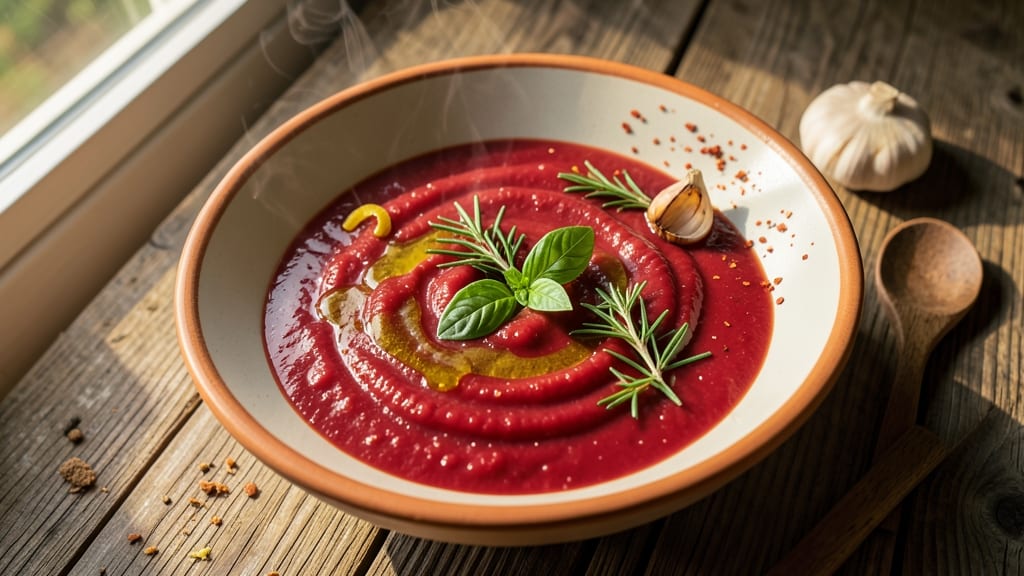
This authentic Italian tomato soup recipe brings the sun-drenched flavors of Naples to your kitchen, where San Marzano tomatoes and fresh basil create a symphony of bright, tangy, and aromatic notes.
The secret lies in slow-simmering whole tomatoes in high-quality olive oil until they burst into a velvety, naturally sweetened broth—no shortcuts, just pure, traditional Italian technique.
What sets this apart is the careful balance of garlic, rosemary, and a touch of chili flakes, which transform simple ingredients into something deeply comforting and undeniably Italian.
The process is straightforward but requires patience: tomatoes are simmered until their skins soften and release their sweet juices, creating a rich, golden-hued soup that tastes like summer in a bowl.
Unlike many recipes, this version avoids canned tomatoes, relying instead on fresh or high-quality whole tomatoes for that authentic depth of flavor. The result is a soup that’s light yet satisfying, with a brightness that makes it perfect for any season—especially when paired with grilled cheese or crusty bread.
What makes this recipe truly special is how it captures the essence of Italian home cooking—simple, honest, and full of flavor without being overly complicated. The aroma alone will transport you to a bustling trattoria in Rome, while the taste delivers that perfect harmony of sweet, tangy, and herby notes.
Every spoonful is a reminder that the best flavors often come from the most straightforward methods.
Serve this soup as a starter for a hearty Italian feast or as a light yet filling meal on its own. The optional toppings—grated Parmesan, fresh basil, or toasted croutons—add texture and extra layers of flavor, but the soup is already so good that they’re purely optional.
This is the kind of recipe that proves authenticity doesn’t require complexity, just attention to detail and quality ingredients.
Ingredients for authentic italian tomato soup
San Marzano tomatoes and fresh basil shine in this sun-drenched Italian masterpiece—simple ingredients for bold flavor.
| Ingredient | Amount | Notes |
|---|---|---|
| San Marzano Tomatoes 🍅 | 2 lbs | Whole, preferably fresh or high-quality canned |
| Extra-Virgin Olive Oil 🫒 | ½ cup | High quality, fruity, cold-pressed |
| Garlic Cloves 🧄 | 4 cloves | Freshly peeled, rough chopped |
| Fresh Rosemary 🌿 | ¼ cup | Chopped, stems removed |
| Red Chili Flakes 🌶️ | 1 tsp | Adjust for heat preference |
| Fresh Basil Leaves 🌿 | ½ cup | Packed, stems removed |
| Onion 🧅 | 1 whole | Yellow, thinly sliced |
| Vegetable Broth 💧 | 2 cups | Homemade or low-sodium |
| Sea Salt 🧂 | 1 ½ tsp | Diamond Crystal preferred |
| Black Pepper 🌶️ | ½ tsp | Freshly ground preferred |
| Parmesan Cheese 🧀 | ½ cup | Freshly grated, optional topping |
| Crusty Bread 🍞 | 8 slices | For serving, optional |
The San Marzano tomatoes are non-negotiable here—they’re the secret to that authentic sweetness and depth. Grab a 28-ounce can or 2 pounds fresh from a specialty store like Whole Foods or a well-stocked Italian market. The extra-virgin olive oil should be fruity and peppery—California Olive Ranch or Colavita are great options. Fresh rosemary and basil? The farmers market has the best—look for vibrant green leaves with no wilt. If you’re using dried herbs, cut the amount in half, but fresh is absolutely essential for that bright Italian flavor.
No San Marzano tomatoes? Roma tomatoes are a decent substitute, but they won’t have that same sweetness. Short on fresh basil? Dried basil at half the amount works, but it’ll lack that fresh punch. The red chili flakes can be swapped for a pinch of cayenne or a dash of hot sauce if you prefer more heat. For the broth, homemade vegetable broth is ideal, but a good low-sodium store-bought brand like Pacific Foods will do. The onion adds depth, but if you’re in a rush, a splash of white wine (about 2 tbsp) can stand in for some of the flavor.
This soup tastes even better the next day—let it sit overnight and reheat gently. Store leftovers in an airtight container for up to 5 days in the fridge. For freezing, portion into 2-cup containers and freeze for up to 3 months. The Parmesan and bread are optional toppings, but honestly, the soup is so flavorful on its own. If you’re serving a crowd, double the batch—it reheats beautifully and tastes like a hug on a chilly day.
Why You'll Love This Recipe
- No Chopping Nightmare: I swear by this—just crush garlic cloves in the oil, toss in whole rosemary sprigs, and let the heat do the work. The tomatoes practically melt into perfection on their own.
- Sunshine in a Bowl: That first sip of San Marzano tomatoes simmered with olive oil and chili flakes? It’s like summer in a mug. The rosemary adds this earthy depth that makes it taste like Nonna’s secret.
- Leftovers That Don’t Suck: Seriously, this soup only gets better the next day. I freeze half the batch for lazy Mondays, and it reheats like it was just made—no weird textures, just pure flavor.
- Pantry Magic on a Budget: A few cans of tomatoes, garlic, and a sprig of rosemary? This is the kind of meal that costs next to nothing but feels like a splurge. Plus, it’s the only soup that makes my picky roommate ask for seconds.
Step-by-step instructions for authentic Italian tomato soup
This is how Nonnas make it—simple ingredients, slow cooking, and flavors that sing.
Sauté Aromatics Until Fragrant
Heat the 0.5 cup extra-virgin olive oil in a large Dutch oven over medium-low heat. Add the 1 whole onion, sliced, and cook for 5-6 minutes until translucent and just beginning to soften. Here's the thing—don't rush this step. You want the onion to melt into the oil without browning.
Add the 4 cloves garlic cloves and 0.25 cup fresh rosemary, stirring constantly for 1-2 minutes until the garlic turns pale golden and the rosemary releases its piney aroma. Watch closely—garlic burns fast. Remove from heat immediately if it starts to darken. This aromatic base is the soul of your soup, so take your time.
Build the Tomato Base
Add the 2 lbs San Marzano tomatoes to the pot. If using fresh tomatoes, cut them into quarters. If using canned, crush them gently with your hands to break them up. Stir in the 1 tsp red chili flakes and 1.5 tsp sea salt. Bring everything to a gentle simmer over medium heat, then reduce to low and let it cook uncovered for 20-25 minutes.
You're looking for the tomatoes to break down completely and the mixture to thicken slightly. Stir occasionally, but not constantly—this helps develop deeper flavors. The soup should smell like summer in a Tuscan garden. If it looks too thick, add ½ cup water to loosen it. This slow cooking is what makes the difference between store-bought and homemade.
Add Broth and Season
Pour in the 2 cups vegetable broth and the 0.5 tsp black pepper. Increase heat to medium and bring to a gentle boil. Once boiling, reduce heat to low and let it simmer uncovered for another 15-20 minutes. This final simmer allows all the flavors to meld beautifully.
Taste the soup and adjust seasoning if needed. You might need a bit more salt, especially if you used low-sodium broth. The acidity of the tomatoes should balance perfectly with the richness of the olive oil. If the soup is too acidic, add a pinch more salt. If it's too mild, a squeeze of lemon would brighten it up—though we're aiming for authentic Italian flavor here.
Finish with Fresh Herbs
Remove the pot from heat and stir in the 0.5 cup fresh basil leaves. Let the soup sit off heat for 5 minutes—this allows the basil to infuse without wilting completely. The basil should brighten the soup with its sweet, peppery notes. If using, stir in the 0.5 cup parmesan cheese now, though traditionally, Italians serve it on the side for individual seasoning.
For the final texture, use an immersion blender to blend about half of the soup until smooth while leaving the other half chunky. This gives you that perfect balance of creamy and rustic. If you don't have an immersion blender, carefully transfer half the soup to a blender, blend until smooth, then return to the pot. The contrast between smooth and chunky makes this soup truly special.
Serve with Crusty Bread
Ladle the soup into bowls and serve immediately with the 8 slices crusty bread. The bread should be fresh from the oven—its crispy crust contrasts perfectly with the velvety soup. For an authentic touch, sprinkle each bowl with additional fresh basil leaves and a crack of black pepper. The soup should be warm enough to steam up your glasses, but not so hot it burns your tongue.
This is the kind of soup that tastes even better the next day, as the flavors continue to develop. Store leftovers in the refrigerator for up to 3 days, or freeze for 3 months. When reheating, do it gently over low heat to preserve all those beautiful flavors you've worked so hard to create.
Pro Tips For Making Authentic Italian Tomato Soup
- Sear the Garlic: Hit the garlic with a splash of water first—it keeps it from burning into bitter sludge while still releasing all that sweet, nutty flavor. I used to rush this step, and the soup always tasted harsh; now I let it sizzle for 30 seconds max before adding the tomatoes.
- Crush the Chili: Muddle the red chili flakes with a pinch of salt and a teaspoon of olive oil before adding them to the pot. This blooms their heat and aroma, making the soup taste deeper right from the first spoonful. (Yes, even if you’re impatient like me.)
- Don’t Peel the Tomatoes: San Marzano skins slip off easily when blanched for 30 seconds in boiling water, then plunged into ice. Skip the peeling if you’re in a hurry, but the texture’s richer when you take the time—especially for a rustic Italian soup.
- Simmer Low and Long: After adding the tomatoes, reduce heat to a bare simmer and let it cook uncovered for 45 minutes. This lets the flavors meld without turning the soup into mush. I learned this the hard way—rushing it makes the soup taste flat.
Storing and reheating this dish
Refrigerator Storage
Let your soup cool completely before transferring to an airtight container—I use glass Pyrex with tight-sealing lids. Store it in the refrigerator for up to 5 days, but trust me, the flavors only deepen overnight.
The golden hue intensifies, and the aromatics meld even more beautifully. Just be sure to leave at least ½ inch of headspace to prevent spills when the soup expands slightly. 💛
Freezer Prep Tips
For longer storage, portion the soup into 2-cup glass containers or freezer-safe bags—this makes reheating a breeze. Squeeze out excess air before sealing to prevent freezer burn, and label with the date.
This soup freezes beautifully for up to 3 months, though I recommend using it within 2 months for peak freshness. The texture remains velvety when reheated properly. ❄️
Gentle Reheating
Never microwave this soup directly—it destroys the delicate texture. Instead, transfer portions to a heavy-bottomed pot and reheat over low heat with 2 tablespoons of water or broth to prevent sticking.
Stir occasionally for 8-10 minutes until steaming hot. The gentle heat preserves the San Marzano sweetness and basil brightness that make this soup special. 🔥
Reviving Texture
If your soup seems thick after reheating, add 1-2 tablespoons of warm water or broth and stir gently. For extra richness, stir in 1 teaspoon of fresh olive oil before serving.
The key is patience—don’t rush the process. A well-reheated bowl should taste just as vibrant as the day it was made. 💫
Serving Leftovers
Serve reheated soup with toasted bread or crusty baguette slices for dipping. Garnish with fresh basil leaves and a sprinkle of Parmesan cheese to restore that restaurant-quality finish. The contrast of warm soup and crispy bread makes leftovers feel like a brand-new meal. 🍞
Nutrition facts
Frequently asked questions
Why do I need San Marzano tomatoes for authentic flavor?
San Marzano tomatoes grow in the volcanic soil of Italy's Mount Vesuvius region, giving them a naturally sweeter, less acidic profile than regular tomatoes. Their thick flesh and lower water content create a richer, more concentrated flavor when simmered. The authentic Italian taste comes from this specific variety—it's the secret behind that perfect balance of sweetness and acidity that makes this soup so special.
Can I make this soup without fresh basil?
Yes, but you'll miss that bright, peppery freshness that's key to authentic Italian tomato soup. If you're short on fresh basil, use 1 tablespoon dried basil (about half the amount) or a mix of 1 teaspoon dried basil + ½ teaspoon dried oregano. For extra brightness, add a pinch of red pepper flakes or a squeeze of lemon juice when serving.
How do I fix soup that's too acidic or sour?
If your soup tastes too acidic, balance it with a pinch of sugar (½ teaspoon) or a splash of 1 tablespoon heavy cream to mellow the flavors. For a more authentic fix, add a small piece of fresh bread to soak up excess acidity, then remove it. The key is slow cooking—simmering longer (up to 45 minutes) helps mellow the natural acidity of tomatoes.
What's the best way to reheat this soup?
Never microwave this soup directly—it makes the texture grainy. Instead, transfer to a heavy-bottomed pot with 2 tablespoons water or broth and heat over low-medium heat for 8-10 minutes. Stir occasionally to prevent sticking. For extra richness, add 1 teaspoon olive oil when reheating. The gentle heat preserves the San Marzano sweetness and basil aroma that make this soup special.
Can I make this soup in a slow cooker?
Yes! Sauté the onions, garlic, and rosemary first, then transfer everything to your slow cooker. Cook on low for 4-5 hours or high for 2-3 hours. The slow cooking enhances the natural sweetness of the tomatoes. Just add the broth and basil at the end, and let it sit off heat for 5 minutes before serving. The texture will be slightly thicker but still delicious.