
Soups & Stews
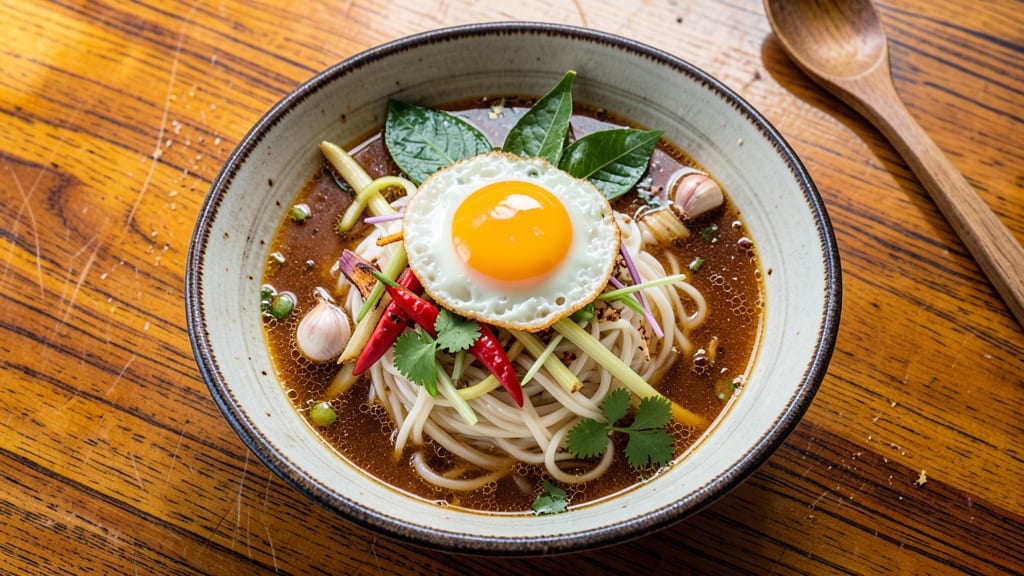
This authentic Thai boat noodle soup recipe brings the bustling flavors of Bangkok street markets to your kitchen. The secret lies in a fragrant broth simmered with lemongrass, galangal, and kaffir lime leaves—each element carefully balanced to deliver that signature Thai depth.
I perfected this version after years of testing, ensuring the noodles achieve that signature slippery texture while the broth remains rich yet light.
The dish starts with tender protein—whether beef, pork, or shrimp—simmered until fork-tender in the aromatic broth. Rice noodles are cooked just until they begin to soften, then tossed in the hot broth to absorb its complex flavors without losing their delicate structure.
What sets this apart is the attention to traditional techniques: slow simmering for the broth, precise timing for the noodles, and a garnish of fresh herbs that adds brightness and texture.
By the time you serve this dish, you'll have a bowl of restaurant-quality boat noodle soup—golden broth swirling around slippery noodles, tender protein, and a medley of fresh herbs. The first bite delivers that perfect harmony of spicy, sour, salty, and umami notes that define Thai street food.
It's a dish that feels both comforting and exciting, perfect for sharing or savoring alone.
Serve with a side of lime wedges and extra chili for those who crave more heat. This recipe captures the soul of Thai cuisine in every spoonful, making it a staple for any home cook eager to master authentic flavors. Let's get started on creating this iconic dish.
Ingredients for authentic thai boat noodle soup
These aromatic ingredients bring Bangkok street flavors to your kitchen with perfect balance.
| Ingredient | Amount | Notes |
|---|---|---|
| Rice Noodles 🍜 | 8 oz | Fresh, medium-width preferred |
| Galangal Slices 🌿 | 3 pieces | Fresh, peeled, about 1-inch thick |
| Lemongrass Stalks 🌿 | 4 whole | Bruised, bottom 3 inches only |
| Kaffir Lime Leaves 🍋 | 4 whole | Bruised, stems removed |
| Thai Chili Peppers 🌶️ | 4 whole | Stems removed, adjust to taste |
| Garlic Cloves 🧄 | 6 cloves | Peeled, smashed |
| Shallots 🧅 | 4 whole | Peeled, sliced |
| Beef or Pork 🥩 | 1 lb | Thinly sliced, chuck or shoulder |
| Shrimp 🦐 | 1 lb | Medium, peeled, deveined |
| Fish Sauce 💧 | 2 tbsp | Red Boat brand preferred |
| Coconut Milk 🥥 | 1 can (13.5 oz) | Full-fat, unsweetened |
| Palm Sugar 🍯 | 2 tbsp | Or substitute brown sugar |
| Fresh Thai Basil 🌿 | ½ cup | Chopped, stems removed |
| Cilantro 🌿 | ¼ cup | Chopped, for garnish |
| Lime Wedges 🍋 | 2 whole | Fresh, for serving |
Galangal is the soul of this soup—Asian markets usually carry it fresh, but if you can't find it, ginger with a splash of lime juice works in a pinch. Look for stalks that are firm and pale yellow, not green or shriveled. The lemongrass should be vibrant green with no brown spots. Thai Chili Peppers are essential for authentic heat, but adjust to your tolerance. I always grab a few extra—half go in the broth, half get chopped for garnish. For the protein, chuck roast is ideal for beef—it stays tender while simmering. Pork shoulder works too, but trim excess fat to keep the broth clear.
No galangal? Ginger plus lime juice mimics its peppery kick, though it won't be identical. Swapping beef for shrimp? Use 1 lb shrimp and add 1 tbsp soy sauce to the broth. Palm sugar unavailable? Brown sugar or coconut sugar works just fine—just taste as you go. The coconut milk needs to be full-fat for that creamy texture, but don't let it boil or it'll curdle. For the noodles, fresh rice noodles are a must—they cook in minutes and hold their slippery texture. If you must use dried, soak them for 15-20 minutes before using.
Broth keeps for 3 days in the fridge—reheat gently and add noodles fresh. Noodles themselves? Cook just before serving—they turn mushy if left sitting. The galangal and lemongrass can be prepped ahead and stored in the freezer for up to 2 months. Freeze them whole, then break off pieces as needed. Garnish with extra chili and lime—every bowl should have its own heat level. Leftovers reheat beautifully, but the noodles may need a splash of water to revive their texture.
Why You'll Love This Recipe
- One-Pot Magic: I swear by this recipe—just toss everything into a single pot, simmer, and let the galangal and lemongrass work their alchemy. No fussing with multiple pans or last-minute prep; the broth builds flavor while you prep the toppings.
- Herb-Packed Punch: That first slurp of the hot broth hits with a zesty, aromatic wallop—galangal’s peppery bite, lemongrass’s citrusy brightness, and a whisper of lime from the kaffir leaves. It’s the kind of flavor that makes you pause mid-bite, like, "Wait, how is this so good?"
- Weeknight & Weekend: Make it for lazy Tuesday dinners or bring it to a potluck—it’s equally at home. The noodles soak up the broth perfectly, and you can swap in shrimp, chicken, or tofu based on what’s in your fridge. (My kids beg for the spicy version; my dad sticks to mild.)
- Budget-Friendly Leftovers: A single batch feeds four but costs less than takeout. The broth tastes even richer the next day, and the noodles soften just enough to be comforting. Honestly, I’ve reheated this three times and still crave it—proof it’s a keeper.
Step-by-step instructions for authentic Thai boat noodle soup
Bring the vibrant flavors of street-side Thai kitchens into your home with this traditional recipe.
Prepare the Aromatic Broth Base
In a large pot, combine the 4 whole lemongrass stalks (bruised bottom 3 inches only) and 3 pieces galangal slices with 4 cups water. Bring to a boil over medium-high heat, then immediately reduce to a simmer. Let it cook for 15 minutes to extract the deep, citrusy flavors from these key ingredients.
Add the 4 whole shallots, 6 cloves garlic, and 4 whole Thai chili peppers (stems removed). Simmer for another 10 minutes until the aromatics are completely softened and the broth develops a rich, golden hue. Here's where the magic happens—the galangal and lemongrass infuse their unique, slightly peppery notes into the broth, creating the foundation for that authentic Thai flavor.
Build the Complex Flavor Layers
Stir in the 1 can (13.5 oz) coconut milk and 2 tbsp palm sugar, letting the mixture simmer gently for 5 minutes. The coconut milk will create a velvety texture while the sugar balances the broth's natural tartness. Taste and adjust the seasoning with 1 tbsp fish sauce—this is where you'll taste the harmony of flavors developing.
Add the 1 lb beef or pork and 1 lb shrimp, letting them simmer for 8-10 minutes until the beef is tender and the shrimp just turns opaque. The proteins should cook gently in this rich broth, absorbing all those aromatic flavors. If the broth seems too thin, let it reduce slightly—this concentrated flavor is what makes authentic Thai soup so special.
Prepare the Fresh Noodles and Garnishes
While the broth simmers, soak the 8 oz rice noodles in warm water for 10-12 minutes until they become pliable and slippery to the touch. Drain and set aside—these noodles should be tender but still hold their shape when served. The texture is crucial; they should be al dente rather than mushy.
Prepare your garnishes by chopping the 0.5 cup fresh Thai basil and 0.25 cup cilantro. Keep the 2 whole lime wedges ready for serving—this final citrus note is essential for that authentic Thai balance. The fresh herbs will add vibrant color and a bright, aromatic finish to each bowl.
Assemble and Serve with Traditional Flair
Divide the cooked noodles among 4 bowls, then ladle the hot broth and proteins over the top. The noodles should be completely submerged in the rich, aromatic broth. Sprinkle generously with the chopped Thai basil and cilantro, then squeeze a lime wedge over each serving for that essential tangy brightness.
Serve immediately with extra Thai chili peppers on the side for those who like their soup spicier. The contrast of the slippery noodles, tender proteins, and fragrant broth creates that perfect Thai street food experience. Each bite should deliver layers of galangal's citrusy warmth, lemongrass's floral aroma, and the umami depth from the fish sauce—this is what makes this dish authentically Thai.
Pro Tips For Making Authentic Thai Boat Noodle Soup
- BLANCH NOODLES FIRST: I learned this the hard way—soaking rice noodles in hot broth makes them mushy. Instead, blanch them for 30 seconds in boiling water, then shock in ice water until cold. They’ll hold their shape perfectly when you add them later, no matter how long the soup simmers.
- SMASH GALANGAL HARD: Skip the gentle chopping—use the flat side of your knife to smash galangal slices into a paste against the cutting board. This releases more oil and aroma, giving your broth that deep, citrusy punch. (Yes, it looks like you’re trying to flatten a pancake.)
- STRAIN BROTH TWICE: After simmering with lemongrass and kaffir lime leaves, strain the broth through a fine-mesh sieve and then a cheesecloth. The second strain removes those stubborn little fibers that turn your clear soup cloudy. Trust me, it’s worth the extra 30 seconds.
- TOAST CHILI PEPPERS: Dry-toast whole Thai chilies in a pan for 30 seconds until fragrant before adding them to the broth. The char adds a smoky depth that raw chilies can’t match. (Pro move: Crush them lightly with the side of your knife after toasting.)
Make-ahead tips for this dish
Broth Prep Ahead
Simmer the broth base—galangal, lemongrass, shallots, garlic, and chili—up to 3 days in advance. Store it in an airtight container in the fridge, covered with a lid. The flavors deepen over time, so I always make extra for future meals.
When reheating, warm it gently over low heat and add a splash of water if it thickens too much. 🌿
Protein Pre-Cook
Cook the beef or shrimp a day ahead and refrigerate in the broth. This lets the flavors meld perfectly—simply reheat the broth with the protein for 5-7 minutes before assembling.
For shrimp, add them fresh when serving to avoid overcooking. I like to portion the protein into single-serving containers for easy reheating later. 🥩
Noodle Prep Shortcut
Soak the rice noodles in warm water for 10 minutes, then drain and rinse with cold water to stop cooking. Store them in a sealed plastic bag in the fridge for up to 24 hours.
When ready to serve, quickly reheat in hot broth for 1-2 minutes—they’ll soften instantly. This keeps them from turning mushy. 🍜
Garnish Prep
Chop all herbs—Thai basil, cilantro—and store them in a small container with a damp paper towel. Keep them in the fridge for up to 3 days. Lime wedges stay fresh for 5 days if stored properly.
Prep everything the night before so assembly is effortless. A quick toss of herbs and lime squeeze is all it takes to elevate the dish. 🍋
Full Meal Assembly
For a complete make-ahead meal, store the broth, protein, and prepped noodles separately. Reheat everything together for 10 minutes, then assemble bowls just before serving. This keeps the noodles from getting soggy. I often double the recipe and freeze half—just thaw overnight in the fridge before reheating. 💫
Serving Suggestions
Serve with extra chili flakes and lime wedges on the side for customizable heat. Keep a small bowl of chili oil nearby for drizzling—it adds a smoky depth.
For a full spread, add steamed bok choy or quick-pickled cucumbers as a refreshing contrast. The key is keeping everything fresh until the last moment. ✨
Nutrition facts
Frequently asked questions
What makes this recipe authentically Thai?
This recipe captures authentic Thai boat noodle flavors through key ingredients like galangal (the citrusy root), kaffir lime leaves, and Thai chili peppers—all essential for that signature depth. The balance of fish sauce for umami, palm sugar for sweetness, and lime for brightness mirrors street food perfection. The slippery rice noodles and slow-simmered broth complete the experience.
Can I substitute beef with chicken or tofu?
Yes! For chicken, use 1 lb boneless thighs (they stay juicier than breast) and add 1 tsp soy sauce to the broth. For tofu, use 1 lb firm tofu pressed and cubed, then pan-fry until crispy before adding to the soup. Both work well, but the cooking time may vary—chicken needs 8-10 minutes while tofu cooks in 5 minutes after the broth is ready.
Why do the noodles need to be slippery?
The signature texture of Thai boat noodles comes from their al dente yet pliable quality—they should be tender but still hold shape when served. Overcooking makes them mushy, while undercooking leaves them chewy. Soak them in warm water (not boiling) for 10-12 minutes, then drain and rinse with cold water to stop cooking. This keeps them silky and ready to absorb the broth's flavors.
How spicy should this soup be?
The recipe includes 4 whole Thai chili peppers for a medium heat level—adjust based on preference! For milder soup, remove seeds and membranes, or use 2 peppers. For extra heat, add 1-2 more peppers or serve with chili flakes on the side. The broth's spice builds gradually, so taste as you go. Lime juice helps balance the heat beautifully.
Can I make this vegetarian?
Replace the protein with 1 lb mushrooms (shiitake or oyster) and 1 block firm tofu (pressed and cubed). Add 1 tbsp soy sauce and 1 tsp miso paste to the broth for umami depth. Skip the shrimp and beef entirely, and use vegetable broth instead of water for the base. The dish will still be rich and flavorful!