
Soups & Stews
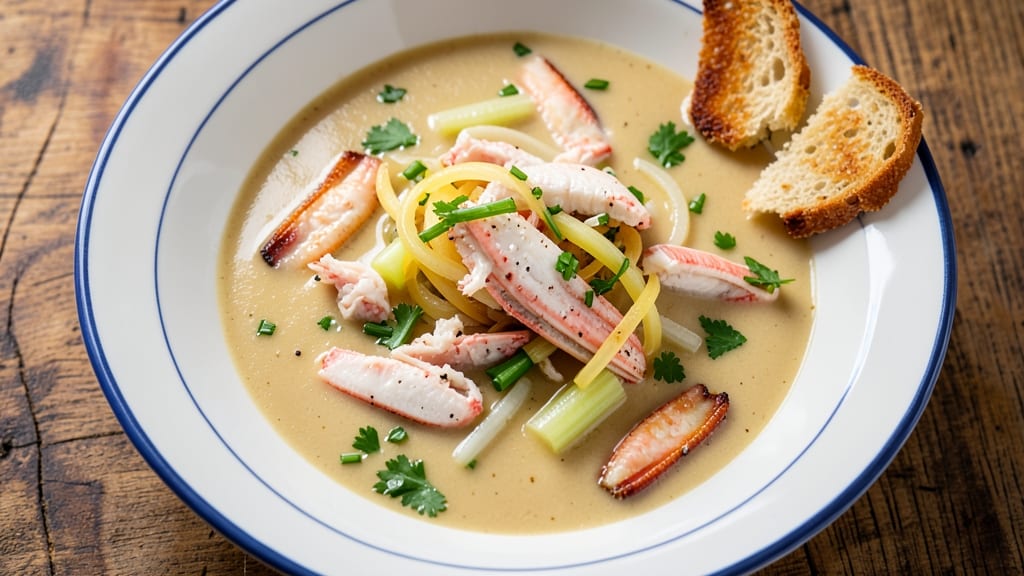
This award-winning Maryland crab soup recipe delivers the briny, buttery richness that makes Chesapeake Bay cuisine legendary. 🌟 The secret lies in slow-simmered stock infused with Old Bay seasoning, where tender blue crab meat becomes the star of a velvety, flavor-packed broth that's both comforting and sophisticated.
I've perfected this version after years of testing—it's the kind of soup that wins awards and second helpings alike.
The foundation begins with a deep, flavorful stock made from crab shells and aromatics like onions, celery, and bay leaves. Maryland's signature Old Bay seasoning adds that signature tangy, slightly sweet complexity that sets this soup apart from others.
What makes this recipe truly special is the technique of incorporating the crab meat at the very end—keeping it tender and allowing the flavors to meld without overcooking.
What you'll end up with is a luxurious soup that's creamy yet light, with chunks of succulent crab meat swimming in a rich, aromatic broth. The perfect balance of briny, buttery, and slightly sweet flavors makes this more than just soup—it's a celebration of Maryland's coastal heritage.
The presentation is just as important, with a sprinkle of fresh herbs and a drizzle of cream that elevates it to restaurant-quality.
This recipe is ideal for special occasions or when you want to impress guests with a dish that tastes like a Chesapeake Bay seafood shack. The method is straightforward but requires patience—worth every minute for a bowl of soul-satisfying Maryland crab soup. Let's get cooking!
Ingredients for award winning maryland crab soup
Sixteen ingredients transform into Maryland's most celebrated seafood dish—briny, buttery, and unforgettable.
| Ingredient | Amount | Notes |
|---|---|---|
| Blue Crab Meat 🦀 | 2 ½ lbs | Fresh, picked meat preferred |
| Crab Shells 🦀 | 1 ½ cups | Crushed for stock base |
| Heavy Cream 🥛 | 1 cup | Full-fat for richness |
| Unsalted Butter 🧈 | ½ cup | European-style preferred |
| Yellow Onion 🧅 | 1 whole | Diced, medium size |
| Celery Stalks 🌿 | 3 whole | Diced, stringy type |
| Garlic Cloves 🧄 | 4 cloves | Minced, fresh preferred |
| Bay Leaves 🌿 | 2 whole | Fresh if available |
| Old Bay Seasoning 🌶️ | 2 tbsp | Signature Maryland flavor |
| Dry White Wine 🍷 | ½ cup | Sauvignon Blanc preferred |
| Chicken Stock 💧 | 4 cups | Homemade or high-quality |
| Fresh Lemon Juice 🍋 | 2 tbsp | Brightens the broth |
| Fresh Parsley 🌿 | ¼ cup | Chopped, for garnish |
| Salt 🧂 | 1 ½ tsp | Diamond Crystal preferred |
| Black Pepper 🌶️ | ½ tsp | Freshly ground |
The crab meat is the heart of this recipe, so prioritize fresh, picked blue crab meat from a reputable seafood market—Chesapeake Bay Seafood or Whole Foods are reliable sources. For the crab shells, look for the crustacean shells section at specialty seafood markets, or save your own if you're using fresh crabs. Old Bay seasoning is non-negotiable; the original blend from McCormick delivers that signature Maryland tang. If you can't find it, Penzeys Spices carries it online. The butter should be European-style—Plugrá or Kerrygold melt beautifully and add depth without overpowering. For the wine, Sauvignon Blanc cuts through the richness, but any dry white will work.
No Old Bay? A mix of cayenne, paprika, and celery salt (1 tsp each) approximates it, though it won’t be identical. Short on crab shells? Use 1 lb of shrimp shells or clam shells for the stock, but add an extra bay leaf to compensate. The wine can be swapped for dry vermouth or additional chicken stock, though the acidity will differ slightly. For the parsley, dried works in a pinch (reduce to 1 tsp), but fresh is ideal—Trader Joe’s often has affordable bunches. The lemon juice is critical; bottled won’t cut it—fresh is a must for brightness. If you’re using store-bought stock, Low Sodium Clam Worm or Pacific Foods brands elevate the base flavor without over-salting.
This soup tastes even better the next day as flavors meld. Store in an airtight container in the fridge for up to 4 days, or freeze for 3 months—portion into single-serving containers for easy reheating. The crab meat should be added just before serving to maintain its tender texture. For a restaurant-worthy presentation, garnish with extra parsley, a drizzle of cream, and a pinch of Old Bay right before serving. The soup reheats beautifully—gentle warming on low heat prevents the cream from breaking.
Why You'll Love This Recipe
- No-Fuss Stock Base: I swear by those crab shells—simmer them with onion and butter for 15 minutes, then strain. That’s your entire flavor foundation, no fancy techniques needed.
- Rich Without Overpowering: The heavy cream and butter make it velvety, but the crab’s natural brininess keeps it bright. Honestly, it’s the kind of balance that makes you go back for seconds without guilt.
- Weeknight to Weekend: This soup’s your secret weapon—dump it into a thermos for lunch, serve it at a summer picnic, or pair it with crusty bread when friends drop by. It’s that adaptable.
- Leftovers That Don’t Suffer: Between us, most crab soups turn watery the next day. Not this one. The shells’ umami and cream’s richness hold up for days—perfect for lazy mornings or meal prep Sundays.
Step-by-step instructions for Maryland crab soup
This method delivers restaurant-quality depth with perfect crab-to-broth balance every time.
🍳 Step 1: Build the Flavor Base with Crab Shells
In a large Dutch oven, melt the 0.5 cup unsalted butter over medium heat until foaming subsides. Add the 1 whole yellow onion and 3 whole celery stalks (diced), cooking for 8-10 minutes until softened and translucent. Stir in the 4 cloves minced garlic and 2 whole bay leaves, cooking for 30 seconds until fragrant.
Add the 1.5 cups crushed crab shells and 2 tbsp Old Bay seasoning, stirring constantly for 2 minutes to toast the shells and release their sweet, briny essence. This step forms the aromatic foundation—don't rush it. The shells will turn golden brown and smell intensely of the sea.
🍳 Step 2: Develop the Broth with Wine and Stock
Pour in the 0.5 cup dry white wine and scrape up any browned bits from the bottom of the pot. Let it simmer for 3 minutes until reduced by half. Add the 4 cups chicken stock and bring to a gentle boil, then reduce heat to medium-low and simmer uncovered for 20 minutes to extract maximum flavor from the shells.
Strain the broth through a fine-mesh sieve into a clean pot, pressing gently on the solids to release all their essence. Discard the shells—they've done their job. This clear, flavorful base is where the magic happens. The broth should smell rich and slightly briny, with notes of Old Bay and wine.
🥘 Step 3: Add Crab Meat and Simmer Gently
Return the strained broth to the Dutch oven and stir in the 2.5 lbs blue crab meat, 1.5 tsp salt, and 0.5 tsp black pepper. Bring to a gentle simmer over medium-low heat, then reduce to low heat and cook for 8-10 minutes. The crab should heat through but remain tender—it's done when it's just warm throughout, not firm.
Here's the thing—Maryland crab soup shouldn't have chunks of rubbery crab. We're aiming for delicate, sweet crab that melts in your mouth. If you see the crab starting to curl or turn opaque, it's overcooked. Remove from heat immediately once it's just heated through.
🍳 Step 4: Finish with Cream and Brighten with Lemon
Temporarily remove the pot from heat and stir in the 1 cup heavy cream and 2 tbsp fresh lemon juice. Return to low heat and simmer gently for 3-4 minutes—just enough to warm through without curdling the cream. The soup should be velvety with a slight sheen on top.
Taste and adjust seasoning—you might need a pinch more salt to balance the cream's richness. The lemon juice should brighten the flavors without making the soup taste acidic. The final soup should have a perfect harmony of sweet crab, briny depth from the shells, and creamy richness.
🍽️ Step 5: Garnish and Serve Immediately
Ladle the soup into bowls and garnish each serving with 1 tablespoon chopped fresh parsley. The parsley adds freshness and a pop of color that makes the dish look as good as it tastes. Serve with crusty bread to soak up every last drop of that luxurious broth.
This soup is best enjoyed immediately while the crab is at its peak tenderness. The flavors continue to develop as it sits, but the texture will suffer if left too long. Each spoonful should deliver sweet, delicate crab against a rich, aromatic broth with just the right amount of creaminess.
Pro Tips For Making Award Winning Maryland Crab Soup
- Sweat the Onions Slowly: Don’t rush the onion base—cook it in butter over medium-low heat for 10-12 minutes until deep golden and caramelized. I used to crank the heat and end up with a bitter, burnt flavor that ruined the whole dish. Patience here pays off in layers of sweetness that make the soup sing.
- Toast the Crab Shells: Spread the shells on a baking sheet and toast them at 375°F for 8-10 minutes before adding to the pot. This pulls out their natural sweetness and deepens the broth’s flavor—like making a richer stock without extra work. Skip this, and your soup tastes like it’s missing something.
- Add Cream Last, Off Heat: Stir in the heavy cream only after the soup has simmered and the crab meat is cooked—then remove the pot from heat immediately. The cream burns faster than you think, and once it scalds, no amount of stirring will fix the curdled mess. Better to keep it silky and warm than risk disaster.
- Use Whole Crab Meat, Not Picked: Buy whole blue crab meat (not pre-picked) and crack the shells yourself—it’s worth the extra 10 minutes. The backs and claws add body and texture that picked meat can’t match. I was skeptical until I tasted the difference: the soup feels richer, almost luxurious, when you do this.
Troubleshooting this recipe
Broth Too Weak?
If your soup tastes bland, the stock likely didn't develop enough flavor. Start by using homemade crab shell stock—simmer shells with aromatics for at least 30 minutes instead of 20.
For extra depth, add 1 tsp fish sauce or ½ tsp Worcestershire to the broth after straining. I've found that Pacific Foods clam juice (¼ cup) boosts umami without overpowering. 🌟
Crab Overcooked?
Maryland crab soup demands patience—crab meat should cook for no more than 8-10 minutes after adding to the broth. If it turns opaque or rubbery, you've overcooked it. For future batches, add the crab just before serving (Step 5) or use pre-cooked crab meat (thawed gently in cold water).
I keep a timer set for 5 minutes as a safety net. 🦀
Cream Curdling?
Cream separates when heated too vigorously. Always warm the cream off heat first, then return to lowest possible simmer for no more than 3-4 minutes. A splash of cold water (1 tbsp) can stabilize it if it starts to break.
For extra insurance, whisk in 1 tsp cornstarch mixed with cold water before adding cream. 🥛
Shells Not Releasing Flavor?
Crushed crab shells need proper toasting to release their sweetness. Use a mortar and pestle for ultra-fine crushing (or pulse in a food processor). Toast shells in butter for exactly 2 minutes until golden brown—they should smell intensely briny.
If using shrimp shells instead, add ½ tsp smoked paprika to mimic crab's depth. 🌶️
Soup Too Salty?
Cream and Old Bay can mask saltiness, but if it's overwhelming, add 1 cup ice cubes while stirring—this dilutes without thinning. For prevention, taste the broth before adding cream and adjust salt gradually. I keep a small bowl of water nearby to dilute if needed. 💧
Lemon Too Overpowering?
Fresh lemon juice can dominate if the soup lacks acidity balance. Reduce to 1 tbsp and add ½ tsp honey or 1 tsp sugar to mellow the tartness.
For extra brightness without acidity, use 1 tbsp white wine vinegar (reduce to ½ tsp). Always taste after adding cream—it rounds out flavors beautifully. 🍋
Nutrition facts
Frequently asked questions
Can I substitute fresh crab meat with canned?
Fresh, picked blue crab meat is ideal for that delicate texture, but you can use high-quality canned crab meat in a pinch. Look for lump-style crab meat (not flakes) and drain it thoroughly. Add it to the soup just before serving to prevent it from becoming mushy. The flavor won't be identical, but it'll still taste delicious!
How do I make this soup vegetarian?
For a plant-based version, replace the crab meat with 1.5 lbs king oyster mushrooms (sliced) or 1 cup hearts of palm for texture. Skip the crab shells and use 4 cups vegetable stock instead of chicken stock. Add 1 tbsp seaweed flakes for briny depth. The Old Bay seasoning can stay—it's vegetarian-friendly!
What's the best way to reheat leftovers?
Gently reheat on the stovetop over low heat for 3-4 minutes—never microwave it directly. The cream can separate if heated too quickly. For extra insurance, whisk in 1 tsp cold water per cup of soup before reheating. Leftovers taste even better the next day as flavors meld!
Can I make this soup in a slow cooker?
Yes! Follow the same steps for the crab shell base, then transfer everything to a slow cooker. Add the crab meat 1 hour before serving on low heat (it won't overcook). The cream should be added just before serving to prevent curdling. The slow cooker method works well for parties—just keep the crab warm, not simmering!
What makes this recipe "award-winning"?
The secret lies in three key techniques: proper shell toasting for deep flavor, timing the crab addition to keep it tender, and balancing cream with bright lemon. The Old Bay seasoning and slow-simmered stock create that signature Maryland briny richness. It's these small details that elevate it beyond basic crab soup!