
Soups & Stews
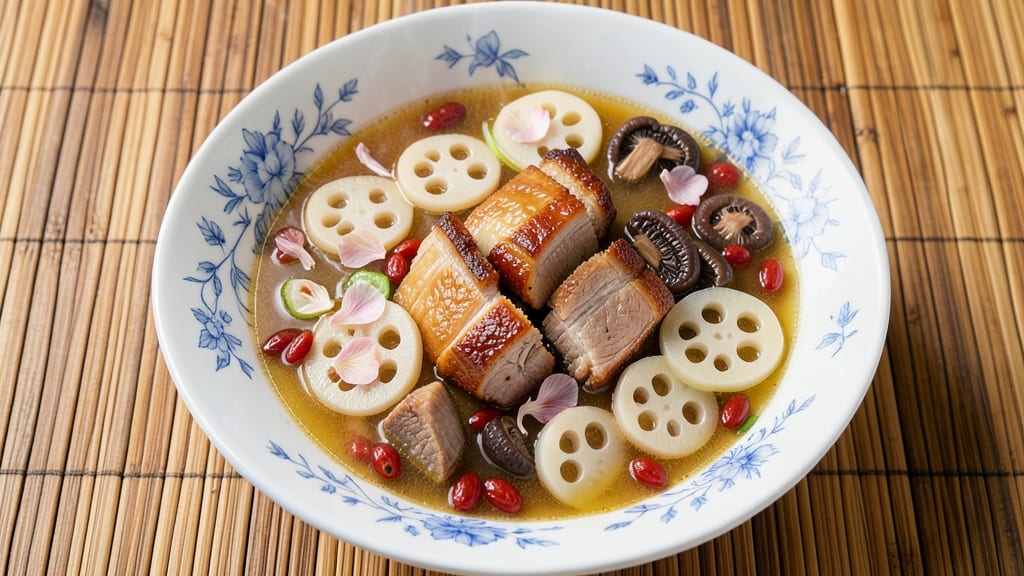
This Ba Wang Hua soup recipe delivers the comforting warmth of traditional Chinese medicine in every bowl—a fragrant blend of tender pork, earthy lotus root, and the delicate floral notes of Ba Wang Hua that have been cherished for generations.
The slow simmer transforms simple ingredients into a nourishing broth brimming with both flavor and health benefits, perfect for restoring balance during seasonal transitions. What sets this recipe apart is its ability to combine deep cultural roots with modern accessibility, making it achievable in your own kitchen without sacrificing authenticity.
The beauty of Ba Wang Hua soup lies in its harmonious balance of textures and flavors: silky pork, crisp-tender lotus root slices, and the subtle floral aroma from the dried flower that infuses the broth with medicinal properties.
This recipe preserves the traditional method of simmering ingredients at a gentle boil for at least 90 minutes, allowing flavors to meld while maintaining the natural goodness of each component.
The result is a soup that's not just nourishing but also deeply satisfying, with every spoonful offering a reminder of China's rich culinary heritage.
What makes this dish particularly special is its health-promoting qualities—Ba Wang Hua is renowned in traditional Chinese medicine for its cooling properties and ability to support respiratory health, while the pork and lotus root provide essential proteins and nutrients.
The recipe is designed to be approachable for home cooks, with clear instructions that guide you through each step from preparing the ingredients to achieving that perfect, fragrant broth.
Whether you're preparing it for a family gathering or as a restorative meal, this soup delivers both comfort and wellness in one nourishing bowl.
The final presentation is equally important—serving the soup in deep bowls allows the aromatic steam to rise, enhancing the sensory experience. Garnish with fresh cilantro or scallions for a pop of color and brightness, and serve with steamed rice to complete the meal.
This recipe isn't just about the end result; it's about the process of creating something meaningful and wholesome in your kitchen. Let's begin crafting this traditional treasure today.
Ingredients for ba wang hua soup
Traditional Chinese medicine meets home kitchen in this fragrant, nourishing soup.
| Ingredient | Amount | Notes |
|---|---|---|
| Pork Shoulder 🥩 | 1 ½ lb | Bone-in for flavor, cut into 1-inch cubes |
| Lotus Root 🥕 | 1 whole | Medium size, peeled and sliced into 1-inch rounds |
| Dried Ba Wang Hua 🌸 | 2 tbsp | Traditional Chinese medicinal flower |
| Dried Shitake Mushrooms 🍄 | 4 whole | Rehydrated in warm water for 20 minutes |
| Dried Goji Berries 🍇 | 1 tbsp | Rinsed to remove dust |
| Fresh Ginger 🧄 | 1 inch | Fixed: 1-inch piece, sliced thinly |
| Garlic Cloves 🧄 | 4 cloves | Peeled and smashed |
| Green Onions 🧅 | 2 whole | White and green parts separated |
| Star Anise 🌟 | 2 whole | Lightly crushed |
| Cinnamon Stick 🌿 | 1 whole | 2-inch length |
| Rock Sugar 🍬 | 2 tbsp | Or granulated sugar |
| Light Soy Sauce 🥢 | 1 tbsp | Kikkoman preferred |
| Sesame Oil 🫒 | 1 tsp | Toasted for aroma |
| Salt 🧂 | 1 tsp | Diamond Crystal preferred |
| Water 💧 | 6 cups | Filtered preferred |
The pork shoulder is essential for authentic texture—bone-in yields richer flavor, though boneless works in a pinch. Look for well-marbled cuts at Whole Foods or your local Asian market, where they often carry pre-cut Chinese-style pork. Lotus root should be firm with no soft spots; larger roots yield more slices. The Ba Wang Hua and dried shiitake are available at specialty Asian markets or online retailers like BingMart—check for vibrant color and lack of moisture. Dried goji berries should be plump and free of stems or debris. For the spices, Penzeys carries high-quality star anise and cinnamon sticks that elevate the broth's complexity.
No fresh ginger? Ginger paste works at half the amount, though fresh yields superior aroma. Substitute 1 tsp ground ginger if absolutely necessary, but the texture won't be ideal. Garlic can be roasted ahead for deeper flavor—wrap whole cloves in foil, bake at 400°F for 20 minutes, then peel. For the broth base, vegetable stock (like Imagine brand) can replace water if you prefer less pork flavor. The rock sugar adds subtle sweetness; coconut sugar is a direct substitute. Sesame oil should be toasted—heat 1 tsp in a dry pan for 30 seconds, then cool before using. The green onions add freshness; if using only white parts, increase to 3 stalks.
This soup tastes even better the next day as flavors meld. Store in an airtight glass container in the fridge for up to 5 days, or freeze in portioned containers for 3 months. Reheat gently on the stove with a splash of water to restore broth consistency. The dried ingredients (Ba Wang Hua, goji berries, shiitake) can be prepped ahead and stored in a sealed jar for 6 months. For presentation, serve in deep bowls with steamed jasmine rice and a drizzle of toasted sesame oil—the aromatic steam enhances the medicinal qualities of each ingredient.
Why You'll Love This Recipe
- Minimal Chopping Needed: I swear by this—just slice the pork shoulder into chunks (no fancy cuts) and halve the lotus root. The dried ba wang hua and shiitakes soak up water like sponges, so no extra prep beyond that. Honestly, my busiest nights are the ones where this soup saves me.
- Umami Bomb Combo: That pork shoulder turns tender and rich, while the ba wang hua adds a floral depth you won’t find in everyday soups. The shiitakes and goji berries? They’re the secret—earthy, slightly sweet, and lingering. Between us, it’s the kind of flavor that makes you pause mid-sip.
- Leftover Goldmine: This soup actually improves the next day. The flavors meld, the pork gets even more fall-off-the-bone, and you can reheat it with a splash of water. I’ve sent containers home with coworkers and never gotten it back—because it’s that good.
- Pantry Staple Power: No last-minute grocery runs needed. Dried ba wang hua, shiitakes, and goji berries last forever, and pork shoulder is cheaper than pricier cuts. I’ll be real: this is my go-to when I’m broke but still want to feel like I’m cooking something special.
Step-by-step instructions for Ba Wang Hua soup
Transform simple ingredients into a fragrant, medicinal-infused soup with this precise technique.
Prepare the Pork and Lotus Root Foundation
Begin by cutting the 1.5 lb pork shoulder into 1-inch cubes, ensuring each piece maintains some bone attachment for added flavor. Rinse the 1 whole lotus root thoroughly under cold water, then peel away the tough outer skin using a vegetable peeler. Slice it into 1-inch rounds—these will become the soup's signature textural element.
In a large pot, combine the pork cubes with the 6 cups water and bring to a rolling boil over medium-high heat. Once boiling vigorously, reduce heat to medium-low and skim off any foam that rises to the surface. This creates a clean broth foundation. Let the pork simmer uncovered for 45 minutes, stirring occasionally, until it begins to release its collagen-rich juices into the broth.
Rehydrate and Infuse the Medicinal Ingredients
While the pork simmers, prepare the 4 whole dried shitake mushrooms by soaking them in warm water for 20 minutes until pliable. Drain and set aside, reserving the soaking liquid. In a small bowl, rinse the 1 tbsp dried goji berries under cold water to remove any dust, then set aside. Lightly crush the 2 whole star anise and 1 whole cinnamon stick with a mortar and pestle—just enough to release their aromatic oils without grinding into powder.
After the pork has simmered for 45 minutes, add the rehydrated shitakes, goji berries, crushed star anise, cinnamon stick, 1-inch sliced fresh ginger, 4 smashed garlic cloves, 2 tbsp rock sugar, and 1 tbsp light soy sauce. The sugar will help balance the earthy flavors while the spices begin their infusion. Let the mixture simmer gently for another 30 minutes, allowing the medicinal properties of the ba wang hua and shitakes to fully develop in the broth.
Incorporate the Lotus Root and Final Seasoning
Add the prepared 1 whole lotus root rounds to the simmering broth. The lotus root will absorb some of the broth's flavors while maintaining its firm texture. Return the heat to medium-low and continue simmering for 20 minutes, stirring occasionally to prevent the lotus root from sticking to the bottom. The soup should now have a rich, aromatic fragrance—this is your cue that the ingredients are working together.
Taste the broth and adjust seasoning with the 1 tsp salt if needed. The lotus root should be tender but still hold its shape when pierced with a fork. Remove the star anise and cinnamon stick at this point—they've done their job infusing flavor and can be discarded.
Finish with Fragrant Oil and Garnish
In a small saucepan, gently heat the 1 tsp sesame oil over low heat until it just begins to shimmer—this releases its nutty aroma without burning. Immediately pour this fragrant oil over the finished soup. The oil will rise to the surface, creating a delicate sheen that carries the soup's complex flavors.
Divide the 2 whole green onions into white and green parts. Add the white parts to the soup and simmer for 5 more minutes to infuse their mild onion flavor. Remove the white parts before serving. Garnish each bowl with the 2 tbsp dried ba wang hua (lightly toasted if desired) and the green onion tops. Serve immediately while the soup is steaming hot, as this is when the medicinal properties are most potent.
Pro Tips For Making Ba Wang Hua Soup
- Parboil the Lotus Root: Cut the lotus root into 3-inch chunks first, then drop them in boiling water for just 2 minutes—no more. Overcooking turns it mushy, and you want those slices to stay firm enough to hold their shape when the soup simmers. I used to skip this step and ended up with a soup full of lotus root mush instead of texture.
- Bloom the Ba Wang Hua: Soak the dried ba wang hua in warm water for 15 minutes before adding it to the soup—this softens the petals so they unfurl properly. After soaking, give them a quick rinse to remove any grit, then add them to the broth last. Trust me, you don’t want chewy petals in your soup.
- Render the Pork Fat First: Cut the pork shoulder into 2-inch chunks and sear them in a hot wok or pot until the fat renders and the meat browns—about 5-7 minutes. This isn’t just for flavor; it’s the foundation of the broth. Skimp on this, and your soup will taste thin and bland, no matter how long you simmer.
- Add Goji Berries Late: Toss the dried goji berries in a little hot broth to plump them up, then stir them in during the final 5 minutes of cooking. Adding them early turns them into a mushy, bitter mess—you want them to stay chewy and sweet. A quick rinse before adding removes any dust and makes them pop in flavor.
Pro cooking tips for this dish
Control the Simmer
Ba Wang Hua soup thrives on a gentle, controlled simmer—never a rolling boil after the initial pork stage. Maintain medium-low heat throughout the 90-minute cooking process to prevent the delicate Ba Wang Hua from losing its floral aroma.
I use a digital thermometer to keep the broth between 185-195°F—this temperature range preserves the medicinal properties while allowing flavors to meld. 🌡️
Layer Flavors Strategically
Add ingredients in the correct order to build depth: Start with pork and water to extract collagen, then introduce dried mushrooms and spices after 45 minutes to let them infuse properly. The lotus root goes in last to avoid overcooking—it should be tender-crisp, not mushy.
I find that adding rock sugar early balances the earthy flavors, while the sesame oil at the end adds a fragrant finish without overpowering.
Skimming is Key
During the initial 45-minute pork simmer, skim off any foam that rises to the surface using a slotted spoon or fine-mesh skimmer. This removes impurities and creates a clear, clean broth—essential for highlighting the soup's delicate floral notes.
I skim every 5-10 minutes until the broth runs clear. This step is non-negotiable for an authentic, restaurant-quality result.
Toast the Ba Wang Hua
For an extra layer of aroma, lightly toast the 2 tbsp dried Ba Wang Hua in a dry skillet over low heat for 30 seconds before adding it to the soup. This releases its natural oils and deepens its floral scent.
I use a non-stick pan to avoid burning—just until you smell its delicate perfume. Add it to the broth 10 minutes before serving to preserve its potency.
Use the Right Pot
A wide, heavy-bottomed pot (like a Le Creuset Dutch oven) is ideal for even heat distribution and prevents scorching. If your pot is too small, the lotus root may stick to the bottom.
I always use 6 cups water as the base—adding more dilutes the broth's richness. For a deeper flavor, you can reduce the water by ½ cup during the final 20 minutes of simmering.
Garnish for Impact
The final presentation elevates the dish. Garnish each bowl with toasted Ba Wang Hua and green onion tops right before serving—this adds visual appeal and a fresh contrast to the rich broth.
I also drizzle a tiny amount of toasted sesame oil (just ½ tsp per bowl) to enhance aroma. Serve immediately while the soup is steaming to capture its medicinal warmth at its peak. ✨
Nutrition facts
Frequently asked questions
What makes Ba Wang Hua different from other Chinese medicinal soups?
Ba Wang Hua stands out for its delicate floral notes from the dried flower, which is believed in traditional Chinese medicine to support respiratory health and reduce inflammation. Unlike soups that rely on bitter herbs like astragalus or ginseng, this recipe balances earthy flavors with pork and lotus root for a more approachable taste profile. The key is the 90-minute simmer that gently infuses all ingredients without overpowering the natural sweetness of the lotus root.
Can I substitute pork with chicken or tofu for a lighter version?
For chicken, use 1.5 lb boneless thighs (darker meat stays juicier) and reduce simmering time to 60 minutes total. For tofu, opt for 1 block extra-firm tofu, press it for 20 minutes, then cube and add after 45 minutes of simmering to prevent it from absorbing too much broth. The lotus root and Ba Wang Hua will still shine in either version.
How do I know when the lotus root is cooked properly?
The lotus root should be tender but still hold its shape when pierced with a fork—it should offer slight resistance, not be mushy. For perfect texture, add it 20 minutes before serving and avoid stirring it too much to prevent bruising. A good test is to slice one piece in half: the center should be translucent with a hint of white, not completely clear or rubbery.
Where can I find Ba Wang Hua if my local store doesn't carry it?
Ba Wang Hua is available at most Asian specialty markets or online retailers like BingMart, ChinaHerbs, or Amazon. Look for packages labeled "Dried Ba Wang Hua Flower" or "Buddleja officinalis" (its botanical name). If unavailable, you can substitute with ½ tsp dried chrysanthemum flowers for a milder floral note, though the medicinal properties won't be identical. Always check for vibrant color and lack of moisture.
Can I make this soup in a slow cooker or Instant Pot?
For a slow cooker, combine all ingredients (except sesame oil and garnishes) and cook on Low for 6-7 hours or High for 3-4 hours. For the Instant Pot, use the Soup setting for 30 minutes after pressure builds, then quick-release. Note that the Instant Pot version may require 1 extra tbsp water to prevent burning. The key is maintaining that gentle simmer—both methods work, but the slow cooker yields slightly richer flavors.