
Soups & Stews
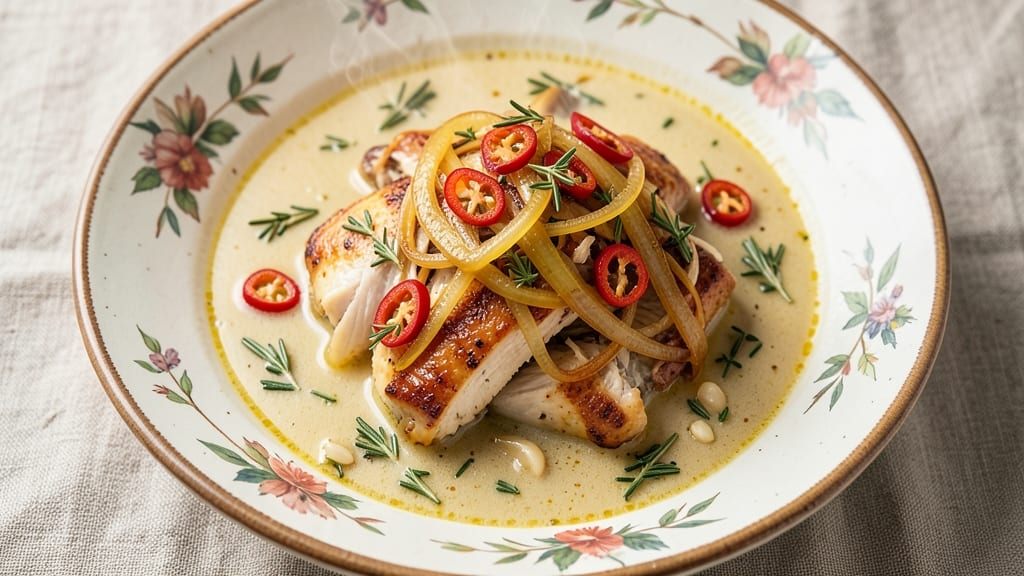
This Bajan chicken soup recipe brings the bold flavors of the Bahamas to your kitchen with tender shreds of chicken and a spice blend that's equal parts aromatic and fiery. 🔥 The secret lies in the perfect balance of Scotch bonnet peppers, thyme, and marjoram—spices that transform simple chicken and vegetables into a hearty, aromatic stew that tastes like home.
What sets this recipe apart is the slow simmering process, which allows the chicken to become fork-tender while the spices deepen in flavor.
The soup is built layer by layer, starting with a fragrant base of onions, garlic, and peppers, then adding chicken and vegetables that absorb the rich, spiced broth.
By the time you're done, you'll have a steaming bowl of soup with tender chicken that practically falls apart, vibrant vegetables, and a broth so flavorful it tastes like it's been simmering for hours.
The aroma alone will have everyone gathering around the table, eager for a taste of the Bahamas. Serve with warm dumplings or crusty bread to soak up every last drop of that delicious broth. Let's make this soup!
Ingredients for bajan chicken soup
Sixteen ingredients transform into a soul-warming Bajan chicken soup with fiery kick and tender bites.
| Ingredient | Amount | Notes |
|---|---|---|
| Boneless Chicken Thighs 🍗 | 2 ½ lb | Skin-on for best flavor |
| Scotch Bonnet Peppers 🌶️ | 2 whole | Seeds removed for mild heat |
| Yellow Onion 🧅 | 1 whole | Diced, medium size |
| Garlic Cloves 🧄 | 6 cloves | Minced, fresh preferred |
| Fresh Thyme 🌿 | ¼ cup | Leaves only, chopped |
| Fresh Marjoram 🌿 | ¼ cup | Chopped, or dried at 1/4 amount |
| Potatoes 🥔 | 2 lb | Yukon gold, cubed |
| Carrots 🥕 | 3 whole | Medium, sliced |
| Celery Stalks 🌿 | 3 whole | Diced, fresh preferred |
| Chicken Broth 💧 | 6 cups | Low-sodium preferred |
| Tomato Paste 🍅 | ½ cup | No-sugar-added |
| Olive Oil 🫒 | ¼ cup | Extra-virgin for richness |
| Salt 🧂 | 1 ½ tsp | Kosher or sea salt |
| Ground Black Pepper 🌶️ | ½ tsp | Freshly ground |
| Allspice Berries 🌶️ | ¼ tsp | Crushed, optional |
The Scotch bonnet peppers are non-negotiable—they bring that signature Bajan heat. Caribbean markets have the freshest ones, but Trader Joe's usually carries them too. Look for vibrant red peppers with no soft spots. The chicken thighs? Skin-on gives you the best flavor—ask your butcher to trim excess fat if it's too thick. Fresh thyme and marjoram make all the difference (dried works in a pinch, but fresh is ideal). If you can't find marjoram, oregano is a decent stand-in, though it's not quite the same. The potatoes should be Yukon gold—they hold up better to long simmering and add that creamy texture we want.
No Scotch bonnet? Habanero or red jalapeño at half the amount gets you close, but expect more heat. Fresh herbs missing? Dried thyme and oregano at one-third the amount work, but the flavor won't be as bright. The tomato paste can be skipped if you're not a fan, but it adds that deep, umami richness. For the broth, low-sodium is key—we're controlling the salt here. If you're short on time, canned diced tomatoes (1 can, drained) can replace the tomato paste and add acidity. The allspice berries are optional but worth it if you can find them—they add a warm, earthy depth that ties everything together.
This soup tastes even better the next day, so make a double batch if you can. Store in the fridge for 4-5 days, or freeze portions for up to 3 months. I like to portion it into containers with a little extra broth on top—it keeps the soup from drying out when reheated. For serving, warm some dumpling dough and drop spoonfuls into the simmering soup during the last 10 minutes. The contrast of the fluffy dumplings with the rich broth is pure magic.
Why You'll Love This Recipe
- No Chopping Marathon: I swear by this one—just dice the onion and garlic once, toss in the thyme sprigs whole, and let the pot do the work. That Scotch bonnet? One quick slice (handle with gloves, trust me) and the heat builds itself into the broth.
- Spice That Stays: The thighs get this magical crispy-tender thing from simmering low, while the Scotch bonnet lingers like a warm hug—not too fierce, just enough to make your taste buds remember. Honestly, the first time I made it, I kept going back for seconds without even thinking.
- Sunday Leftovers Win: Make a double batch on Sunday, and you’ve got lunch covered all week. The broth thickens beautifully overnight, and reheating it just makes the thyme sing louder. My kids actually ask for the leftovers—(yes, even on a Tuesday).
- Budget-Friendly Powerhouse: Chicken thighs stretch farther than breasts, and one onion/garlic/thyme bundle lasts for three soups. Between us, this is the recipe I turn to when the grocery budget’s tight but I still want flavor that punches above its weight. No excuses.
Step-by-step instructions for bold jerk-inspired chicken soup
Here's how to build this soulful soup with layers of Caribbean heat and comforting texture.
🔥 Step 1: Sear the Chicken for Maximum Flavor
Heat the 0.25 cup olive oil in a large Dutch oven over medium-high heat until shimmering. Pat the 2.5 lb boneless chicken thighs completely dry with paper towels—this ensures a perfect sear. Working in batches if needed, add the chicken and cook for 5-6 minutes per side until deep golden brown and cooked through to 165°F internally.
Real talk: Don't skip this step. Browning the chicken first builds deep, nutty flavors that infuse the entire soup. If the oil starts smoking too aggressively, reduce heat slightly—you want color, not char. Once browned, remove the chicken and set aside on a plate.
🍳 Step 2: Build the Jerk-Inspired Base
In the same Dutch oven, add the diced yellow onion and cook for 5 minutes until softened and just beginning to caramelize. Add the minced garlic cloves and cook for 30 seconds until fragrant—don't let it burn, or you'll taste bitterness.
Stir in the 0.5 cup tomato paste, 0.25 cup fresh thyme, 0.25 cup fresh marjoram, crushed allspice berries, 1.5 tsp salt, and 0.5 tsp ground black pepper. Cook for 2 minutes, stirring constantly, until the raw tomato paste smell disappears. Here's where the magic happens—the spices meld together, creating that signature jerk aroma.
🍳 Step 3: Simmer the Vegetables and Broth
Add the 2 lb cubed potatoes, sliced carrots, and diced celery stalks to the Dutch oven. Pour in the 6 cups chicken broth and bring to a gentle boil. Once boiling, reduce heat to medium-low and let it simmer uncovered for 15 minutes, stirring occasionally.
After 15 minutes, check the vegetables—they should be tender but not falling apart. If they're cooking too quickly, reduce heat slightly. This is where patience pays off—you want the vegetables to absorb all that jerk-spiced broth without turning mushy. The potatoes should be fork-tender with just a slight bite.
🥘 Step 4: Finish with Scotch Bonnet Heat
Carefully add the seeded Scotch bonnet peppers (wear gloves if you're sensitive to heat!) and the reserved chicken. Return the mixture to a gentle simmer and cook for another 10-12 minutes until the chicken shreds easily with two forks. The soup should be thick enough to coat the back of a spoon but still have a brothy consistency.
Here's the thing—the Scotch bonnet peppers should infuse the soup with heat without making it overwhelming. If you prefer milder heat, you can remove the peppers after 5 minutes of simmering. Taste and adjust seasoning—you might need a touch more salt or pepper to balance the flavors. The chicken should be tender and falling off the bone, while the vegetables remain vibrant and slightly firm.
⏰ Step 5: Rest and Serve with Confidence
Remove the soup from heat and let it rest for 5 minutes. This resting period allows the flavors to meld completely and the chicken to reabsorb any juices that might have escaped during cooking. Serve immediately with crusty bread or over steamed rice to soak up every last drop of that jerk-spiced broth.
Each spoonful should deliver a perfect balance of tender chicken, sweet vegetables, and that signature Caribbean heat. The soup will only taste better as it sits, with flavors deepening over time. Leftovers keep well in the refrigerator for up to 3 days, though I doubt you'll have any—this soup disappears fast!
Pro Tips For Making Bajan Chicken Soup
- CHAR THE ONIONS FIRST: I used to toss everything in raw, and the soup would taste like a sad stew. Melt 2 tablespoons of oil in your pot, then cook the sliced onion and minced garlic on medium-high until they’re deep golden—about 8-10 minutes. That caramelization builds the soul of your soup. (Yes, even if you’re impatient like me, don’t rush this.)
- SIMMER LOW AFTER BOILING: Once the chicken hits 165°F, drop the heat to a bare simmer—just enough to keep tiny bubbles breaking the surface. High heat after boiling turns the broth cloudy and makes the thyme bitter. I learned this the hard way after serving a murky soup that tasted like it’d been boiled down too long.
- HANDLE SCOTCH BONNETS LIKE FIREWORKS: Wear gloves when seeding those peppers—juice on your fingers is a one-way ticket to a burning mouth. Cut a slit, scrape out the seeds and membranes, then rinse the pepper under cold water to remove residual capsaicin. (No gloves? Use a spoon and wash your hands immediately after.)
- ADD THYME LATE (AND USE LOTS): Skip adding fresh thyme at the start—it’ll turn to mush and taste like dishwater. Instead, tear 4-5 sprigs in half and add them with the Scotch bonnet pepper in the last 10 minutes of cooking. This keeps the flavor bright and aromatic. (Your grandmother wasn’t wrong about this.)
Common mistakes when making perfect results
Skipping the Sear
Don’t skip searing the chicken—this step builds deep, nutty flavors that infuse the entire soup. Without it, your broth will taste flat and one-dimensional. I’ve made this mistake, and the difference is night-and-day.
Pat the chicken dry first; moisture prevents proper browning. Use medium-high heat and cook until golden brown—about 5-6 minutes per side—before removing it from the pot. 🔥
Overloading the Pot
Crowding the Dutch oven with too much chicken or vegetables at once leads to uneven cooking and steaming instead of browning. Work in batches if needed, especially for the chicken. I recommend using a 6-8 quart Dutch oven for this recipe—it gives everything room to breathe.
Overloading also makes it harder to stir and prevents proper heat circulation, which can result in mushy vegetables. Leave at least 1 inch of space between ingredients when adding them.
Underestimating Heat
The Scotch bonnet pepper is no joke—it’s one of the hottest peppers in the world! If you’re sensitive to heat, handle it with care (wear gloves) and remove the seeds and membranes for milder heat. I’ve seen people forget to seed them, and the result?
A soup so fiery it’s inedible. Start with just 1 pepper and adjust to taste. If you’re unsure, you can also remove the pepper after 5 minutes of simmering to let the heat infuse without overwhelming the dish.
Ignoring the Rest Time
Letting the soup rest for 5-10 minutes off the heat is crucial—it allows the flavors to meld and the chicken to reabsorb juices. Skipping this step means serving soup that’s still "cooking" and may taste disjointed.
I’ve rushed this before, and the broth always ends up watery or the chicken dry. Use this time to prep sides or garnishes, like toasting bread or chopping fresh herbs. Patience here makes all the difference. ✨
Using Low-Quality Broth
Low-sodium broth is a must—it gives you control over the final seasoning. Store-bought broths with added salt can make your soup taste bland or overly salty, no matter how much you adjust later. I recommend using low-sodium chicken broth or even better, homemade broth if you have it.
If you’re using canned broth, dilute it with ½ cup water to reduce sodium content. The broth is the foundation of your soup, so don’t skimp on quality here.
Overcooking the Vegetables
Vegetables like potatoes and carrots can turn mushy if left to simmer too long. Check them after 15 minutes—they should be tender but still hold their shape. If they’re cooking too quickly, reduce the heat slightly.
I’ve ruined a batch by walking away and letting them boil, and the result was a sad, watery mess. Keep an eye on the pot and adjust the heat as needed to maintain a gentle simmer.
The goal is al dente vegetables that soak up the flavorful broth without falling apart.
Nutrition facts
Frequently asked questions
Can I substitute chicken breasts for thighs?
Chicken breasts will work, but thighs are ideal for this Bajan soup. Thighs stay moist and flavorful during long simmering, while breasts can dry out. If using breasts, cut them into 1-inch pieces and reduce simmering time by 5 minutes to prevent toughness. For best results, pound them slightly before cooking to even thickness.
What makes this soup authentically Bajan?
The Scotch bonnet peppers, thyme, and marjoram create that signature Caribbean flavor profile. The slow simmering technique allows these spices to meld deeply into the broth, while the tomato paste adds that rich, umami depth. Traditional Bahamian soups often include callaloo or okra—you could add 1 cup chopped callaloo during the final 10 minutes of cooking for extra authenticity.
How can I make this soup less spicy?
Remove the seeds and membranes from the Scotch bonnet pepper first, then use just ½ pepper instead of 2. For milder heat, remove the pepper after 5 minutes of simmering. If needed, stir in 1 tablespoon plain yogurt or coconut milk at the end to cool the heat. Always taste as you go—you can always add more pepper later, but you can't take it out!
Can I make this soup in a slow cooker?
Brown the chicken first, then transfer everything to a 6-quart slow cooker. Cook on low for 6-7 hours or high for 3-4 hours. The slow cooker's gentle heat enhances the spices beautifully. Add the Scotch bonnet pepper during the last 30 minutes to preserve its freshness. The texture will be slightly creamier than stovetop, but just as flavorful.
What's the best way to reheat leftovers?
Gently reheat on the stovetop over medium-low heat until steaming hot (165°F). Add 2-3 tablespoons water or broth to prevent drying out. For microwave reheating, cover with a damp paper towel and heat in 1-minute intervals, stirring between each. Never reheat to a boil—this can make the broth watery and the chicken rubbery. Leftovers taste even better the next day!