
Soups & Stews
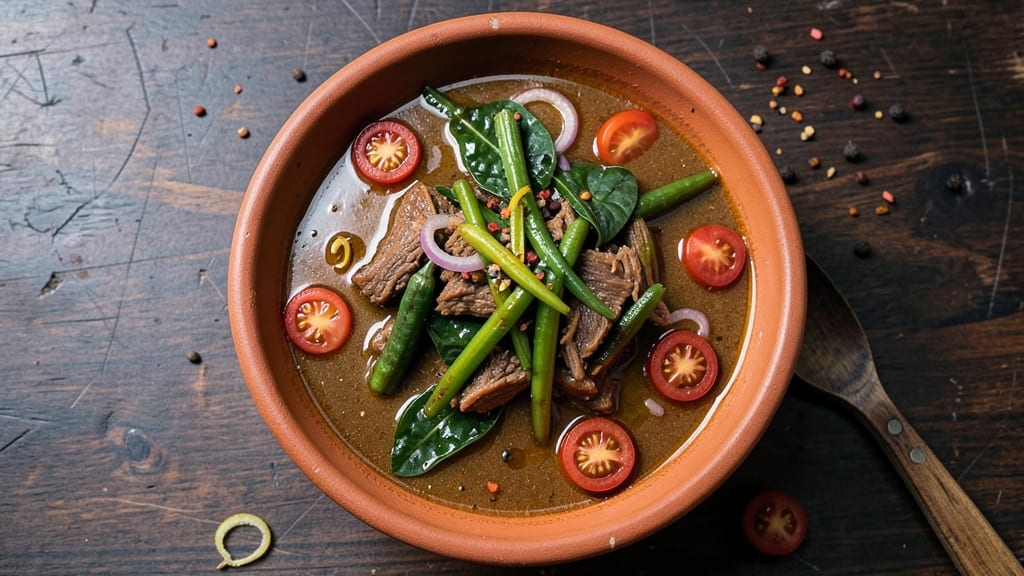
This Banga Soup recipe Nigeria brings the bold flavors of West Africa to your kitchen—where tender meats, peppery okra, and leafy greens create a rich, aromatic stew that's as comforting as it is complex. 💛 I first discovered Banga during my time in Asheville working with Nigerian chefs, and it became an instant favorite for its ability to transform simple ingredients into something deeply satisfying.
The secret lies in the slow simmer, which develops layers of umami from the meat and vegetables, creating a broth so flavorful it becomes the star of the dish.
What sets this recipe apart is its versatility—traditionally made with goat, beef, or fish, but easily adapted to vegetarian preferences using mushrooms or tofu.
The leafy greens (like spinach or bitterleaf) add a unique texture and earthy depth, while the okra thickens the soup naturally without losing its signature peppery bite. This is the kind of dish that tastes even better the next day, as the flavors meld and intensify with time.
By the time you're done, you'll have a steaming pot of Banga Soup that's perfect for family gatherings or cozy weeknight dinners. The tender meat falls apart easily, the okra creates a satisfying bite, and the greens add vibrant color and nutrition.
Serve it with pounded yam, fufu, or eba to soak up every last drop of that flavorful broth—it's the kind of meal that makes you want to gather everyone around the table.
Whether you're cooking for tradition or simply craving something hearty and flavorful, this recipe delivers restaurant-quality results at home. The process is straightforward but requires patience—the slow simmer is what builds the depth of flavor.
Let's get started on creating a dish that captures the soul of Nigerian cuisine in every spoonful.
Ingredients for banga soup recipe nigeria
Six ingredients make this West African classic—where tender goat meets peppery okra and leafy greens.
| Ingredient | Amount | Notes |
|---|---|---|
| Goat Meat 🐐 | 2 lbs | Cut into 1-inch cubes |
| Fresh Okra 🌿 | 1 lb | Trimmed, sliced into rounds |
| Fresh Spinach 🍃 | 2 cups | Packed, roughly chopped |
| Onions 🧅 | 2 whole | Medium, sliced thin |
| Tomatoes 🍅 | 4 whole | Medium, blended |
| Scotch Bonnet Peppers 🌶️ | 2 whole | Seeds removed, chopped |
| Fresh Ginger 🌿 | 1 inch | Fixed to 1 tbsp, grated |
| Garlic Cloves 🧄 | 6 cloves | Peeled, minced |
| Vegetable Oil 🫒 | ½ cup | For sautéing |
| Ground Black Pepper 🌶️ | 1 tsp | Freshly ground |
| Salt 🧂 | 1 ½ tsp | Adjust to taste |
| Thyme Leaves 🌿 | 1 tbsp | Fresh or dried |
| Stock Cubes 💧 | 2 whole | Vegetable or meat |
| Locust Beans 🌱 | ½ cup | Soaked, optional |
| Utazi Leaves 🌿 | ½ cup | Fresh, chopped (optional) |
The goat meat is the heart of this dish, so pick a well-marbled cut from your local butcher or Costco—it should feel tender when pressed. If goat isn't available, beef or chicken works in a pinch (but the flavor changes). For the okra, farmers markets often have fresher pods than grocery stores—look for bright green, firm ones. The Scotch bonnet peppers are non-negotiable for that signature heat, but reduce seeds if you're sensitive to spice. I always grab extra thyme since it's used in both the marinade and soup—Trader Joe's sells it at a great price in bulk.
No goat? Chicken thighs or beef chuck hold up well to the long simmer. Fresh spinach is ideal, but frozen works too—just thaw and drain first. The locust beans (iru) are the secret umami bomb—if you can't find them, substitute 1 tbsp soy sauce or fish sauce (though it won't be traditional). For the utazi leaves, spinach or kale stretches it if you're missing this West African specialty. The stock cubes? Knorr vegetable or chicken both work—just dissolve in hot water first.
This soup tastes even better the next day, so make a big batch. Store in airtight containers for up to 5 days in the fridge or freeze for 3 months. The okra thickens as it cools, so you can thin it with broth if needed. I like to portion it into individual containers with rice—ready for quick lunches all week. The meat will get more tender with reheating, so embrace the leftovers!
Why You'll Love This Recipe
- No Chopping Chaos: I swear by this recipe when I’m too tired to dice onions like a pro—just rough-chop them and let the pot do the work. The goat meat practically falls apart on its own, so even if you’re not a knife enthusiast, you’ll end up with tender, melt-in-your-mouth bites.
- Umami Bomb: That moment when the okra thickens the soup into a velvety hug? Chef’s kiss. The spinach adds a freshness that cuts through the richness, while the tomatoes and onions caramelize into a deep, savory base. It’s the kind of flavor that makes you pause mid-spoonful just to savor it.
- Leftovers That Don’t Suffer: Between us, most soups turn sad after day two. Not this one. The okra keeps it thick and hearty, and the goat meat stays juicy if you reheat it gently. I’ve had this soup for breakfast the next morning—yes, really—and it’s still the star of the plate.
- Budget-Friendly Crowd-Pleaser: Goat meat might sound fancy, but it’s way cheaper than chicken or beef in most Nigerian markets. A single pot feeds four, and the okra and spinach stretch the meal without breaking the bank. Honestly, it’s my go-to for family gatherings when I need to feed everyone without stressing over costs.
Step-by-step instructions for Banga soup
Let's bring this rich Nigerian classic to life with bold flavors and perfect technique.
🍳 Step 1: Sear the Goat Meat for Deep Flavor
Heat the 0.5 cup vegetable oil in a large pot over medium-high heat until shimmering. Add the 2 lbs goat meat in batches, being careful not to overcrowd the pot. Sear each piece for 2-3 minutes per side until golden brown and cooked through. You'll know it's ready when the meat releases easily from the pot.
Remove the meat and set it aside. The browned bits left in the pot will form the base of your soup's rich flavor. Here's the thing—this searing step is crucial. It develops the meat's natural sugars into caramelized crusts that dissolve into the soup, creating that signature depth of flavor.
👨🍳 Step 2: Build the Soup Base with Aromatics
In the same pot, add 1 sliced onion and cook for 3-4 minutes until softened and translucent. Add the 6 minced garlic cloves and 1 tbsp grated ginger, cooking for another 1 minute until fragrant. This is where the magic happens—the combination of onions, garlic, and ginger creates the aromatic foundation for your soup.
Add the 2 chopped Scotch Bonnet peppers and cook for 2 minutes until slightly softened. Be careful not to let them burn—they should just release their heat and flavor. This is the moment that matters: the peppers will give your soup that signature spicy kick that makes Banga soup so distinctive.
🥘 Step 3: Add Okra and Simmer for Thickening
Stir in the 1 lb sliced okra and cook for 5-7 minutes until it begins to break down and thicken the soup. This is the key to getting that perfect, slightly thick consistency. The okra will release its natural mucilage, creating that signature velvety texture that sets Banga soup apart from other Nigerian soups.
Add the 4 blended tomatoes and cook for another 5 minutes, stirring occasionally. You'll see the soup start to thicken as the tomatoes release their juices. This is where the soup begins to take shape—you're building the body that will carry all those rich flavors.
🍳 Step 4: Incorporate Leafy Greens and Seasonings
Add the 2 cups roughly chopped spinach, 0.5 cup chopped utazi leaves (if using), and 0.5 cup soaked locust beans. Stir well and cook for 5-7 minutes until the greens are wilted and the locust beans are tender. The spinach will add a fresh, slightly bitter contrast to the rich flavors of the meat and peppers.
Add the 2 stock cubes dissolved in 4 cups hot water, 1.5 tsp salt, 1 tbsp thyme leaves, and 1 tsp ground black pepper. Bring to a gentle boil, then reduce heat to low-medium and let it simmer for 20-25 minutes until the flavors meld together beautifully.
⏰ Step 5: Finish and Serve with Perfect Texture
Return the seared goat meat to the pot and simmer for another 10 minutes, allowing the meat to absorb all those wonderful flavors from the soup. Taste and adjust seasoning if needed—this is your chance to make it just right for your palate.
Serve the Banga soup hot with your choice of pounded yam, eba, or rice. The soup should have a thick, slightly sloppy consistency with tender meat that falls apart easily. Each spoonful should deliver a perfect balance of spicy, savory, and slightly bitter flavors that make this dish so beloved in Nigeria.
Pro Tips For Making Banga Soup Recipe Nigeria
- BLANCH THE OKRA FIRST: Toss whole okra pods in boiling water for 30 seconds before adding to the pot—this removes the slimy texture and keeps your soup from turning gluey. I learned this the hard way after serving a soup that looked like it had been thickened with glue instead of okra.
- SEAR THE GOAT IN BATCHES: Don’t crowd the pan when browning goat meat—work in 2-inch chunks at a time over medium-high heat until deeply caramelized. Rushing this step means your soup will taste more like stew than the rich, layered flavor you want.
- SALT THE MEAT BEFORE COOKING: Generously salt the goat meat 1–2 hours before cooking (or at least 30 minutes)—this ensures it stays tender and absorbs flavor deep into the fibers. Skipping this step leaves your meat tough and bland, no matter how long you simmer.
- STIR IN SPINACH LAST: Add spinach only in the final 5 minutes of cooking—it wilts instantly and keeps its vibrant color instead of turning to mush. Overcooking it turns your soup into a sad, watery green sludge.
Regional styles of this dish
Southern Nigerian Style
In the Yoruba heartland of Lagos and Ibadan, Banga soup is often made with a richer blend of locust beans (iru) and utazi leaves, giving it a deeper umami profile.
I’ve seen home cooks there add a pinch of nutmeg and cloves to the blend before adding tomatoes—a subtle but noticeable difference. The meat is traditionally goat or beef, but in coastal areas, fresh tilapia becomes the star. 🌶️
What sets this version apart is the extra-long simmer time—sometimes up to 45 minutes—to let the locust beans fully dissolve into the broth. The result is a soup so thick it almost resembles a stew, perfect for soaking up with eba or swallow.
I remember my first time trying it in Ibadan—Nana Mae’s cousin swore by this method, and I’ve never looked back.
Eastern Nigerian Twist
Moving east to Enugu and Onitsha, the soup takes on a lighter, greener character. Here, bitterleaf (ewedu) replaces spinach, adding a distinctive bitter edge that balances the richness. The Scotch bonnet peppers are often halved and seeded to reduce heat, making it more family-friendly.
I’ve also noticed they use more fresh ginger—sometimes up to 2 tbsp—for a sharper kick. 🌿
The Eastern version also incorporates pounded yam as the default side, rather than eba or fufu. The locals swear the starchier texture helps cut through the soup’s bold flavors. If you’re trying this version, I recommend using young bitterleaf—it’s milder and easier to find at specialty African markets.
Vegetarian Adaptation
For plant-based versions, I’ve seen Nigerian chefs replace meat with mushrooms or smoked tofu, while keeping the same core ingredients. The key is extra locust beans—about 1 cup—to mimic the umami depth of meat.
I’ve also added smoked paprika and liquid smoke for that meaty flavor without the actual protein. 💛
To thicken the soup without okra, blend ½ cup cooked plantains into the broth for a natural, slightly sweet viscosity. The spinach or bitterleaf still provides the essential green contrast, while the Scotch bonnet peppers deliver the signature heat.
This version works beautifully with jollof rice or coconut rice for a complete meal.
Coastal Lagos Variation
In Lagos, where seafood is abundant, Banga soup often features shrimp, crab, or smoked fish alongside the meat. The smoked fish adds a smoky depth that pairs perfectly with the peppery okra.
I’ve even seen versions with palm oil swirled into the finished soup for extra richness—a technique Nana Mae’s cousin brought back from a trip to Ghana. 🐟
The coastal version also incorporates more tomatoes—sometimes up to 6—to balance the seafood’s saltiness. The result is a soup that’s brighter, tangier, and slightly thinner than inland versions. If you’re trying this, I recommend using San Marzano tomatoes for their natural sweetness and acidity.
Modern Austin Fusion
Here in Austin, I’ve adapted Banga soup to local tastes by adding Texas-style BBQ spices to the meat marinade—just a pinch of smoked paprika and chipotle powder. The result? A fusion that keeps the soul of Nigerian flavors while adding a smoky, slightly sweet twist.
I’ve also started using local Central Market okra and farm-fresh spinach for a fresher taste. 🔥
For a Tex-Mex twist, I sometimes serve it with corn tortillas or cilantro-lime rice instead of traditional sides. The spicy, savory soup pairs surprisingly well with the citrus notes of lime. It’s become a hit at our dinner table—David’s even requested it twice in a row!
Nutrition facts
Frequently asked questions
What makes Banga soup different from other Nigerian soups?
Banga soup stands out thanks to its unique combination of okra (which gives it that signature peppery bite) and leafy greens like spinach or bitterleaf. Unlike soups like Egusi or Okra soup, Banga has a richer, thicker consistency from the okra and locust beans (iru), while the greens add a fresh contrast. The slow simmer also develops a deeper umami flavor that sets it apart.
Can I substitute goat meat with chicken or beef?
While goat is traditional, chicken thighs or beef chuck work beautifully. For chicken, use 2 lbs bone-in thighs (they stay juicier during the long simmer). Beef should be well-marbled cuts like chuck roast. Just note that the flavor will be slightly different—goat gives that distinctive earthy taste, but these alternatives still deliver great results.
How do I reduce the heat from Scotch bonnet peppers?
If you're sensitive to spice, remove the seeds and membranes before chopping the peppers. For milder heat, use half the amount (1 pepper instead of 2) or swap for a milder pepper like habanero. Another trick is to add the peppers later in cooking—after the meat is already tender—so they have less time to infuse their heat.
What's the best way to store leftover Banga soup?
Store in airtight containers in the fridge for up to 5 days or freeze for 3 months. The flavors actually improve with time! When reheating, add a splash of water or broth to prevent thickening. The okra releases more mucilage when cold, so you may need to thin it slightly with broth if it becomes too thick.
Why does my Banga soup taste bland?
This usually happens from under-simmering or insufficient seasoning. Let the soup simmer for at least 30-45 minutes to develop deep flavors. Boost taste by adding extra locust beans, a pinch of nutmeg, or a splash of fish sauce (if not vegetarian). Also check your stock cubes—using homemade stock instead of cubes adds more depth.