
Soups & Stews
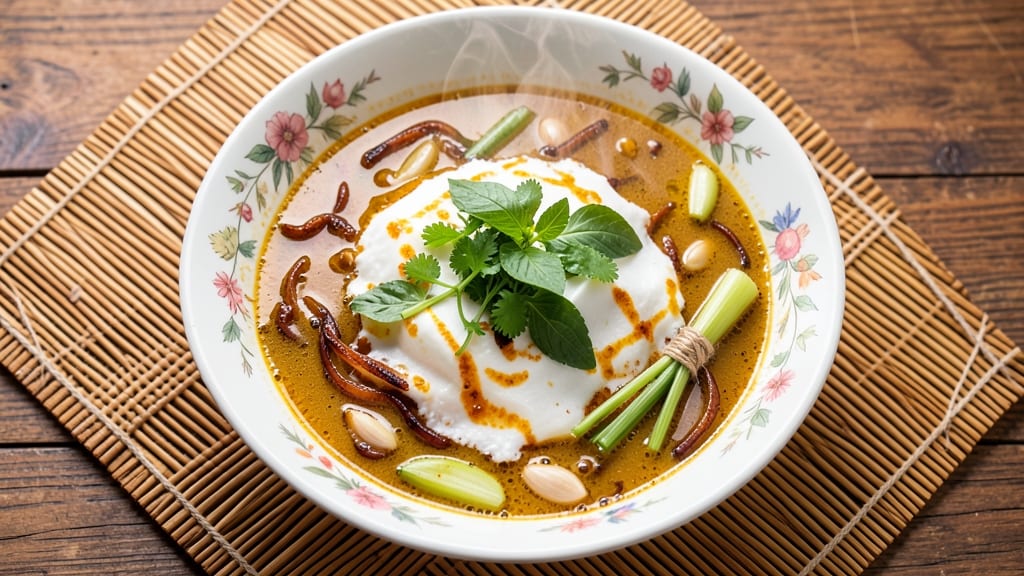
This Bangladeshi Thai-inspired soup recipe blends two culinary traditions into a fragrant, aromatic masterpiece that’s both comforting and complex. The harmony of lemongrass and galangal—rooted in Thai cuisine—meets the bold spices of Bangladesh, creating a broth that’s deeply flavorful yet balanced.
I developed this recipe after years of experimenting with fusion cooking, and it’s become a staple in my kitchen for its ability to transport you to the streets of Dhaka and Bangkok in one bowl.
The foundation of this soup lies in its aromatic base: mustard oil, turmeric, and coriander, which infuse the broth with warmth and depth. Galangal and lemongrass add a citrusy, peppery brightness, while coconut milk lends a velvety richness that ties everything together.
Unlike traditional versions, this recipe simplifies the process without sacrificing authenticity—no complicated techniques, just layering flavors in the right order for maximum impact.
What you’ll end up with is a soup that’s vibrant, fragrant, and impossibly satisfying—crisp fried shallots and fresh cilantro add texture and freshness at the end. The broth is rich enough to stand alone but light enough to pair with steamed rice or crusty bread.
It’s the kind of dish that feels like a hug in a bowl, perfect for chilly evenings or when you crave something that’s both familiar and exciting.
Whether you’re serving it as a main course or a light appetizer, this soup is versatile enough to adapt to any meal. The recipe includes tips for adjusting spice levels and substituting ingredients, so you can make it your own while keeping the essence of its cultural roots intact.
Let’s get cooking!
Ingredients for bangladeshi thai soup
Mustard oil and lemongrass kick off this aromatic fusion—where Thai brightness meets Bangladeshi boldness.
| Ingredient | Amount | Notes |
|---|---|---|
| Mustard Oil 🫒 | ½ cup | High quality for authentic flavor |
| Fresh Lemongrass 🌿 | ½ cup | Bruised stalks for maximum aroma |
| Fresh Galangal 🍃 | ½ cup | Peeled, sliced thinly |
| Fresh Turmeric 🧄 | 1 tbsp | Grated, vibrant color |
| Ground Coriander 🌶️ | 1 tbsp | Freshly ground preferred |
| Coconut Milk 🥥 | 1 can | Full-fat for creaminess |
| Chicken Broth 🍲 | 4 cups | Homemade or quality store-bought |
| Fresh Cilantro 🌿 | ¼ cup | Chopped for garnish |
| Shallots 🧅 | 2 whole | Minced, for frying |
| Garlic Cloves 🧄 | 4 cloves | Minced for depth |
| Fresh Ginger 🍊 | 1 tbsp | Grated, zesty kick |
| Red Chili Flakes 🌶️ | 1 tsp | Adjust for heat preference |
| Salt 🧂 | 1 ½ tsp | Diamond Crystal preferred |
| Lime Juice 🍋 | 1 tbsp | Freshly squeezed |
| Jasmine Rice 🍚 | 1 cup | Steamed for serving |
Mustard oil is non-negotiable here—Indian or Pakistani brands like Patanjali or Dhara deliver that signature pungent aroma. Fresh galangal can be tricky to find, but Asian markets usually stock it. If you're stuck, ginger at double the amount works in a pinch, though it won't be identical. Lemongrass? Grab the whole stalks—they keep for 2 weeks in the fridge wrapped in damp paper towels. The turmeric should be bright orange, not dull yellow, for maximum flavor punch. Trader Joe's carries good quality ground coriander if you don't want to grind whole seeds.
No galangal? Ginger plus a splash of lime juice gets you close, though it won't have that same citrusy bite. Coconut milk brands vary wildly—Aroy-D or Thai Kitchen are reliable choices. The chicken broth can be vegetarian if needed, but homemade with chicken bones gives that deep umami. Fresh cilantro is ideal, but dried at one-third the amount works if you're in a bind. For the shallots, yellow or red both work—just make sure they're firm and dry when frying. The red chili flakes? Penzeys brand is my go-to for consistent heat.
This soup tastes even better the next day—3-4 days in the fridge, actually. The broth freezes beautifully for up to 3 months, so double it if you're planning ahead. Store the fried shallots separately—they stay crisp for 2 days in an airtight container. Serve over steamed jasmine rice to soak up every last drop of that fragrant broth. The lime juice should be added right before serving to keep it bright and zesty.
Why You'll Love This Recipe
- No-Chop Nightmare: I swear by this one when I’m too tired to slice anything. Just bruise the lemongrass and galangal with the side of a knife—no dicing, no peeling, no fuss. The mustard oil does the heavy lifting with its bold punch, so you’re basically simmering magic in 10 minutes.
- Umami Bomb: That first spoonful? Chef’s kiss. The galangal and turmeric team up for a warm, earthy depth, while the mustard oil adds a smoky kick that lingers. It’s the kind of flavor that makes you pause mid-sip—honestly, I’ve caught myself staring at my bowl like it might disappear.
- Leftovers That Shine: This soup actually improves overnight. The aromatics infuse deeper, and the broth gets richer—perfect for reheating with a splash of water or even freezing. I’ve turned day-old portions into lunch the next day without a second thought (yes, even on a Tuesday night).
- Budget-Friendly Flex: You’re not spending a fortune on fancy ingredients here. Lemongrass and galangal last weeks in the freezer, and a little mustard oil goes a long way. Between us, this is the soup I make when I’ve got a handful of random veggies and need something hearty—no waste, all flavor.
Step-by-step instructions for Bangladeshi Thai-inspired soup
This aromatic fusion of Bangladeshi and Thai flavors comes together in layers of fragrant spices and velvety textures.
Prepare the Aromatic Base
Heat the 0.5 cup mustard oil in a heavy-bottomed pot over medium-low heat. Add the 2 whole shallots and 4 cloves garlic cloves, cooking until the shallots turn golden brown and the garlic releases its fragrance—about 3-4 minutes. This slow cooking prevents burning while developing deep flavor.
Add the 1 tbsp fresh ginger and 1 tbsp fresh turmeric, stirring constantly for 1 minute until the raw ginger scent disappears. Here's the thing—this is where the magic happens. The turmeric will infuse the oil with its vibrant color and earthy warmth, while the ginger adds a subtle zing that balances the richness of the coconut milk later.
Next, add the 0.5 cup fresh lemongrass and 0.5 cup fresh galangal, both sliced thinly. Bruise the lemongrass stalks with the side of your knife first to release their citrusy oils. Let the mixture simmer gently for 5 minutes, allowing the galangal to soften slightly and the lemongrass to perfume the oil. This step builds the aromatic foundation that defines this soup's complexity.
Build the Spiced Broth
Add the 1 tbsp ground coriander and 1 tsp red chili flakes, stirring to combine. Cook for 30 seconds until the spices are fragrant but not bitter. Pour in the 4 cups chicken broth and bring to a gentle boil, then immediately reduce heat to low. Let it simmer uncovered for 10 minutes to allow the flavors to meld.
Here's where precision matters: the broth should reduce slightly but not evaporate completely. You want it to concentrate enough to carry the coconut milk's creaminess without becoming overly thick. Taste and adjust seasoning with the 1.5 tsp salt, adding more if needed. The broth should be seasoned but not salty—this soup's depth comes from balance.
Strain the broth through a fine-mesh sieve to remove the lemongrass, galangal, and any remaining solids. Return the strained broth to the pot and set aside. This step ensures a smooth, velvety texture in your final soup without any fibrous bits.
Infuse with Coconut and Finish
Reduce the heat to low and stir in the 1 can coconut milk, allowing it to warm through gently—about 3-4 minutes. The coconut milk should blend seamlessly with the broth, creating a luxurious texture. Be patient here; rushing can cause the milk to separate.
Add the 1 tbsp lime juice and stir well. The acidity brightens the coconut's richness and cuts through the soup's earthy notes. Taste again and adjust seasoning if needed—this is your final opportunity to perfect the balance before serving.
Keep the soup warm over low heat until ready to serve. The aroma alone will draw everyone to the table—citrusy, spicy, and deeply comforting all at once.
Serve with Jasmine Rice
Cook the 1 cup jasmine rice according to package instructions until tender and fluffy. Divide the rice among bowls and ladle the warm soup over the top. Garnish each serving with 0.25 cup fresh cilantro, chopped finely for a pop of freshness.
This soup delivers the perfect harmony of textures—creamy coconut milk, fragrant broth, and bright herbs—all while maintaining the bold flavors of both Bangladeshi and Thai traditions. The mustard oil adds a distinct depth that makes this fusion uniquely satisfying.
Pro Tips For Making Bangladeshi Thai Soup
- Bloom the Spices Slowly: Mustard oil burns faster than you’d think—start on medium-low and let it warm for 30 seconds before adding turmeric or ground coriander. I learned this the hard way when my first batch turned bitter from scorched spices. Let them bloom gently, then crank the heat for the lemongrass and galangal.
- Slice Galangal Thinly: Thick chunks of galangal won’t infuse properly. Use a sharp knife to shave it into paper-thin slices—this releases the ginger-like punch without turning the soup into a mushy mess. (Yes, even if you’re impatient like me.)
- Salt the Water Late: Add salt only after the broth starts simmering—otherwise, the mustard oil will separate and leave your soup looking greasy. Wait until the aromatics are cooking for 5 minutes first, then season. Trust me, your broth will thank you.
- Toast the Coriander First: Ground coriander loses flavor fast. Lightly toast it in a dry pan for 30 seconds until fragrant before adding to the oil—this deepens the earthy notes without overpowering the dish. (Skip this, and you’ll taste the difference.)
Troubleshooting this recipe
Broth Too Weak?
If your soup tastes bland after simmering, don’t panic—this is a common issue with fusion broths. The fix is simple: reduce the broth by 25% before adding coconut milk. Use a heavy-bottomed pot and simmer uncovered for an extra 5-7 minutes to concentrate the flavors.
For extra depth, add 1 tbsp fish sauce (like Red Boat) or ½ cup extra chicken broth simmered with 1 crushed bay leaf and 1 star anise for 10 minutes. Strain before adding to your soup. 💡
Oil Separating?
Mustard oil can separate if heated too quickly or if coconut milk isn’t warmed gently. To prevent this, stir constantly when adding coconut milk and keep heat at low. If separation happens, whisk vigorously and add 1 tsp cornstarch mixed with 2 tbsp water to stabilize the emulsion.
For a smoother texture, blend the strained broth with coconut milk briefly before reheating. 🥥
Galangal Too Bitter?
Fresh galangal can turn bitter if overcooked. To avoid this, add it last—after the broth has simmered for 5 minutes—and cook for only 3-4 minutes before straining. If you’re using ginger as a substitute, add ½ tsp lime zest to mimic galangal’s citrusy brightness.
For a milder flavor, peel only the inner white part of the galangal and discard the tough outer skin. 🌿
Spice Levels Off?
If the heat isn’t cutting through, adjust in layers. Add ½ tsp extra red chili flakes during the broth phase, then 1 tsp sambal oelek (like Mama’s) when stirring in coconut milk.
For a smoky kick, toast ½ tsp ground coriander in a dry pan for 30 seconds before adding it to the broth. If it’s still too mild, finish each bowl with a few drops of chili crisp or a pinch of cayenne. 🌶️
Fried Shallots Too Greasy?
Overcrowding the pan is the #1 reason for soggy, greasy shallots. Fry them in small batches over medium heat in 2 tbsp neutral oil (like avocado or vegetable) until golden and crisp—about 2-3 minutes per batch.
Drain on a paper towel-lined plate and sprinkle with ½ tsp salt while hot to absorb excess oil. For extra crunch, add 1 tsp rice flour to the oil before frying. 🧅
Lime Juice Curdling Milk?
Adding lime juice too early can cause coconut milk to curdle. Always stir in lime juice only after the coconut milk has warmed through and the soup is off the heat. If curdling happens, whisk in 1 tsp honey or sugar to stabilize the emulsion.
For a brighter finish, zest 1 lime into the soup instead of using juice—it adds aroma without risking curdling. 🍋
Nutrition facts
Frequently asked questions
Can I make this soup vegetarian?
Yes! Replace the chicken broth with a vegetable broth (made from mushrooms, carrots, and celery) and add 1 cup coconut milk to the broth before straining. For extra umami, sauté 2 tbsp soy sauce with the shallots and garlic. The mustard oil and galangal will still provide that signature depth, just without the meaty richness.
How do I find galangal if my store doesn't carry it?
Galangal is key for that authentic citrusy bite, but you can substitute it with a mix of ginger and lime zest. Use ½ cup ginger (peeled) plus ½ tsp lime zest for every ½ cup galangal called for. For a closer match, add ¼ tsp ground white pepper to mimic galangal's peppery notes. Asian grocery stores or online retailers like Thai Kitchen often stock it fresh or frozen.
Can I prepare this soup ahead of time?
This soup actually tastes better the next day as the flavors meld. Store the finished soup (without fried shallots) in an airtight container in the fridge for up to 3 days. Reheat gently on low heat, stirring occasionally to prevent separation. Fry the shallots fresh before serving—they add that essential crunch. For longer storage, freeze the broth (without coconut milk) for up to 3 months.
What's the best way to adjust the spice level?
Start with the base recipe, then adjust in layers. For milder heat, reduce the chili flakes to ½ tsp and skip the sambal. For extra kick, add 1 tsp sambal oelek when stirring in coconut milk, or finish each bowl with chili crisp or cayenne. The mustard oil already adds warmth, so you might not need much extra spice. Taste as you go—this soup builds flavor gradually.
Can I use this soup as a base for other dishes?
Yes! The fragrant broth makes an excellent base for curries, rice dishes, or even noodle soups. For a quick curry, add chicken or tofu and simmer until cooked. For noodles, cook rice vermicelli or udon separately and toss with the soup. The coconut-mustard oil blend also works well in dressings for salads**—just whisk with lime juice and herbs. The possibilities are endless!