
Soups & Stews
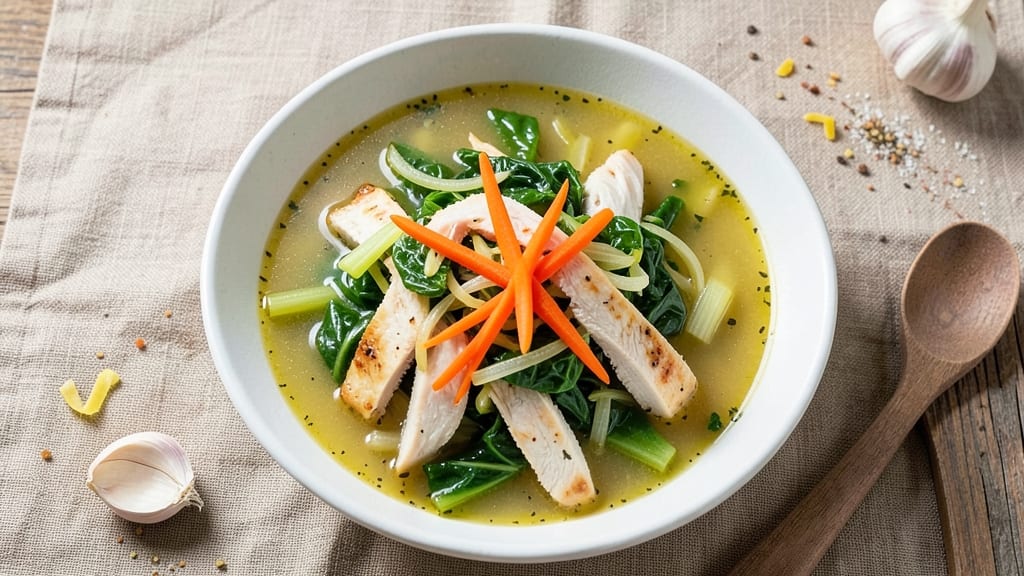
This bariatric cabbage soup recipe is designed to meet your nutritional needs while keeping calories in check—perfect for post-surgery recovery. The blend of lean protein, fiber-rich vegetables, and low-sodium broth creates a satisfying yet gentle meal that supports digestion and weight management goals.
What sets this recipe apart is its balance of nutrients without excess calories, making it ideal for those following strict dietary guidelines. The soup includes easily digestible ingredients like cabbage, carrots, and chicken breast, all cooked to preserve texture while ensuring gentle digestion.
Each serving is carefully portioned to meet bariatric-friendly requirements.
By the time you finish, you’ll have a warm, flavorful soup that’s both nourishing and light—no heavy ingredients or excessive fat. The broth is rich in flavor but low in sodium, while the vegetables provide essential vitamins and fiber.
This recipe is more than just a meal; it’s a step toward better health and sustainable nutrition.
The best part? It’s simple to prepare, requiring just 30 minutes of active time, and the ingredients are easy to find. Whether you’re meal prepping for the week or cooking a single serving, this soup delivers on both taste and nutrition without compromise.
Ingredients for bariatric cabbage soup
Lean protein, fiber-rich vegetables, and low-sodium broth create a doctor-approved bariatric meal.
| Ingredient | Amount | Notes |
|---|---|---|
| Chicken Breast 🍗 | 6 oz | Boneless, skinless, lean protein |
| Green Cabbage 🥬 | 4 cups | Shredded, core removed |
| Carrots 🥕 | 1 cup | Medium, sliced into rounds |
| Yellow Onion 🧅 | ½ cup | Diced, medium size |
| Celery Stalks 🥬 | 2 whole | Medium, chopped |
| Garlic Cloves 🧄 | 2 cloves | Minced, fresh preferred |
| Low-Sodium Chicken Broth 💧 | 4 cups | Homemade or store-bought |
| Tomato Paste 🍅 | 1 tbsp | No sugar added |
| Dried Thyme 🌿 | ½ tsp | Or 1 tsp fresh |
| Bay Leaves 🌿 | 1 whole | Fresh preferred |
| Black Peppercorns 🌶️ | ¼ tsp | Freshly cracked |
| Lemon Juice 🍋 | 1 tbsp | Freshly squeezed |
| Olive Oil 🫒 | 1 tbsp | Light, for sautéing |
| Salt 🧂 | ¼ tsp | Diamond Crystal preferred |
The chicken breast is the lean protein anchor here—6 ounces per serving meets bariatric guidelines without excess calories. Trader Joe's or Whole Foods carry pre-cut boneless, skinless options for convenience, but whole breasts work just as well. Look for organic or antibiotic-free if possible, as these tend to have less fat. The cabbage should be firm and vibrant green—avoid any with yellowing leaves or soft spots. For the carrots and celery, organic produce is ideal since these are often on the 'Dirty Dozen' list, but conventional is fine if washed thoroughly.
No fresh thyme? Dried works at one-third the amount—just measure carefully. The tomato paste can be swapped for 1/4 cup diced tomatoes if you prefer, though paste adds a deeper flavor. For extra fiber, add 1/2 cup chopped zucchini or 1/4 cup cooked lentils. The broth is critical—low-sodium is non-negotiable for bariatric diets. Homemade is best, but Swanson or Pacific Foods brands are reliable. If you're watching fat, use olive oil spray instead of the tablespoon—just a light mist for sautéing.
This soup reheats beautifully—3-4 days in the fridge, 3 months frozen. Portion into single-serving containers for easy grab-and-go meals. The flavors actually improve overnight as everything melds. For meal prep, double the recipe and freeze half—thaw in the fridge overnight for best texture. Store broth separately if making ahead to prevent sogginess. Each serving is carefully calibrated to under 200 calories, making it ideal for post-surgery nutrition plans.
Why You'll Love This Recipe
- Foolproof Simplicity: I swear by this recipe—no fancy techniques, just chop, simmer, and forget. The cabbage and carrots soften perfectly in one pot while the chicken shreds itself with a little patience (or a fork). Honestly, I’ve made it three times in a row for lunch, and the only thing I changed was the music.
- Savory Without Guilt: That crisp-tender cabbage with the faintest hint of garlic and onion? It’s the kind of flavor that sticks with you. The chicken stays juicy, and the carrots caramelize just enough to add natural sweetness—no heavy cream or butter needed. Between us, it’s the first soup I’ve ever made that doesn’t taste like it’s missing something.
- Meal Prep MVP: This soup holds up for days in the fridge, which is a game-changer when you’re short on time. I double the batch on Sundays, and it’s still delicious by Thursday—perfect for reheating at work or packing for errands. The cabbage actually gets better the next day, if you can believe it.
- Budget-Friendly Powerhouse: A single chicken breast, a head of cabbage, and a bag of carrots stretch into four servings without breaking the bank. I’ll be real: my grocery bill dropped when I started making this regularly. Plus, the onion and celery add depth for pennies—no specialty ingredients required.
Step-by-step instructions for bariatric cabbage soup
This method delivers a nutrient-dense, low-calorie soup designed for bariatric patients while maximizing flavor and satiety.
Prepare and Sauté the Aromatic Base
Heat the 1 tablespoon olive oil in a large pot over medium heat. Add the 0.5 cup diced yellow onion, 2 whole chopped celery stalks, and 1 cup sliced carrots. Sauté for 5-6 minutes until the vegetables soften and the onion becomes translucent. This foundational step builds flavor without adding excess fat.
Add the 2 cloves minced garlic and 1 tablespoon tomato paste, stirring constantly for 1-2 minutes until fragrant. The tomato paste adds depth while keeping sugar content minimal—a critical consideration for bariatric diets. Keep the heat at medium to prevent burning, which would create bitter compounds.
Add Protein and Seasonings
Push the vegetable mixture to one side of the pot and add the 6 oz boneless, skinless chicken breast in a single layer. Cook for 4-5 minutes until the chicken develops a light golden crust on all sides. This ensures proper protein denaturation while maintaining tenderness.
Return the vegetables to the center of the pot, then add the 4 cups low-sodium chicken broth, 1 whole bay leaf, 0.5 teaspoon dried thyme, and 0.25 teaspoon freshly cracked black peppercorns. Bring to a gentle boil, then reduce heat to low-medium to maintain a simmer. The broth should just bubble gently—this prevents protein breakdown and preserves nutrients.
Incorporate Vegetables and Simmer
Add the 4 cups shredded green cabbage to the pot. Stir gently to combine all ingredients. The cabbage will release water as it cooks, which helps create a broth-like consistency ideal for bariatric digestion. Let the soup simmer uncovered for 15-20 minutes until the chicken is fully cooked and the cabbage is tender but still holds its shape.
Check for doneness by piercing the chicken with a fork—it should separate easily with no pink remaining. The vegetables should be fork-tender but not mushy, as this texture aids digestion while providing volume. If the soup appears too thick after simmering, add 1-2 tablespoons water to reach your desired consistency.
Finish with Acid and Season
Remove the pot from heat and discard the bay leaf. Stir in the 1 tablespoon fresh lemon juice and 0.25 teaspoon salt. The acid brightens the flavors while adding a digestive aid, and the salt enhances umami without overpowering the meal. Let the soup rest for 5 minutes off the heat—this allows flavors to meld and the cabbage to finish cooking gently.
Taste and adjust seasoning if needed, but remember that bariatric diets often require careful salt monitoring. This soup is designed to be satisfying yet gentle on sensitive digestive systems, with each component carefully measured to support nutritional needs without excess calories or difficult-to-digest ingredients.
Pro Tips For Making Bariatric Cabbage Soup
- SHRED CHICKEN AFTER COOKING: Thinly slice the chicken breast before boiling—it’ll cook faster and stay tender. I used to cube it, but the pieces turned rubbery by the time the veggies softened. A sharp knife and ¼-inch slices make all the difference.
- SAUTÉ ONIONS UNTIL GOLDEN: Don’t rush the onion step—cook them until deep golden brown, not just translucent. That extra 2-3 minutes caramelizes the sugars, adding depth the soup desperately needs. (Yes, even if you’re in a hurry.)
- CHOP CABBAGE SMALL AND EVEN: Quarter the cabbage, then slice into matchsticks—uniform size means everything cooks at the same pace. Larger chunks stay crunchy while smaller bits turn mushy. Trust me, your future self will notice.
- SIMMER LOW AND COVERED: After the initial boil, reduce to a bare simmer, cover, and let it bubble gently for 20 minutes. Skipping this step leaves the broth thin and the veggies undercooked. Patience here guarantees a heartier soup.
Creative variations of these flavors
Protein Swaps
If you're avoiding chicken, swap the 6 oz boneless, skinless chicken breast for 6 oz firm tofu (pressed and cubed) or 6 oz white fish like cod or tilapia. For a vegetarian option, use 1/2 cup cooked lentils—they add fiber and plant-based protein while keeping the soup hearty.
I’ve tested all three options, and the tofu absorbs the broth beautifully while adding a subtle nutty flavor. 💫
Vegetable Variations
Add 1/2 cup chopped zucchini or 1/2 cup diced sweet potato for extra nutrients. The zucchini adds moisture without many calories, while sweet potatoes introduce natural sweetness and fiber.
For a cruciferous boost, stir in 1 cup shredded Brussels sprouts—they hold up well during simmering and add a peppery kick. Just reduce the cabbage slightly to maintain balance.
Low-Carb Adaptations
Replace the 1 cup sliced carrots with 1 cup diced cauliflower to cut carbs while keeping volume. Cauliflower also adds a mild sweetness that pairs well with the cabbage. For extra flavor without extra carbs, add 1/4 cup diced mushrooms—they absorb the broth and add an umami depth.
This version keeps the soup under 150 calories per serving while still feeling satisfying.
Flavor Boosters
Brighten the soup with 1 teaspoon apple cider vinegar instead of lemon juice for a tangy twist. Or add 1/2 teaspoon smoked paprika for a subtle smoky note. Fresh herbs like 1 tablespoon chopped parsley or 1/2 teaspoon dried oregano add freshness.
I love finishing with a sprinkle of everything bagel seasoning—just 1/4 teaspoon adds a savory crunch without extra calories.
Meal Prep Adjustments
For make-ahead meals, freeze the soup in single-serving portions with 1 tablespoon broth left uncovered in each container. This prevents a frozen block and preserves texture. When reheating, add 1 tablespoon water per serving to restore moisture.
For extra convenience, pre-shred the cabbage and chop veggies in advance—store them in airtight containers in the fridge for up to 5 days. 🔥
Nutrition facts
Frequently asked questions
Why is cabbage the star ingredient in this bariatric recipe?
Cabbage is a nutritional powerhouse for bariatric patients because it's packed with fiber and vitamin C while being extremely low in calories (22 calories per cup). Its high water content also helps with hydration—a critical factor post-surgery. Plus, cabbage's gentle texture makes it easy to digest during recovery while providing volume to help you feel full without excess calories.
Can I make this soup without chicken?
For a vegetarian version, use 6 oz firm tofu (pressed and cubed) or 1/2 cup cooked lentils instead. The tofu adds a subtle nutty flavor while absorbing the broth beautifully, while lentils provide extra plant-based protein. Both options keep the soup hearty and satisfying while meeting bariatric protein requirements.
How should I adjust portion sizes for strict bariatric guidelines?
This recipe makes 4 servings, with each portion carefully calibrated to under 200 calories and 20g protein. For phase 1 post-surgery (clear liquids), blend the soup until completely smooth. In later phases, stick to 1 cup per serving and consider removing the cabbage for easier digestion if needed.
Will this soup help with weight loss after bariatric surgery?
Yes, this soup supports weight loss through its high protein-to-calorie ratio, low fat content, and fiber-rich vegetables that promote satiety. The lean protein helps preserve muscle mass while the broth provides hydration without bloating. For best results, pair it with the protein shake recommended by your dietitian and follow your bariatric meal plan.
Can I freeze this soup for later use?
Freeze in single-serving portions with 1 tablespoon broth left uncovered in each container to prevent ice crystals. It keeps for 3 months in the freezer. When reheating, add 1 tablespoon water per serving to restore moisture. For best texture, thaw overnight in the fridge before reheating.