
Soups & Stews
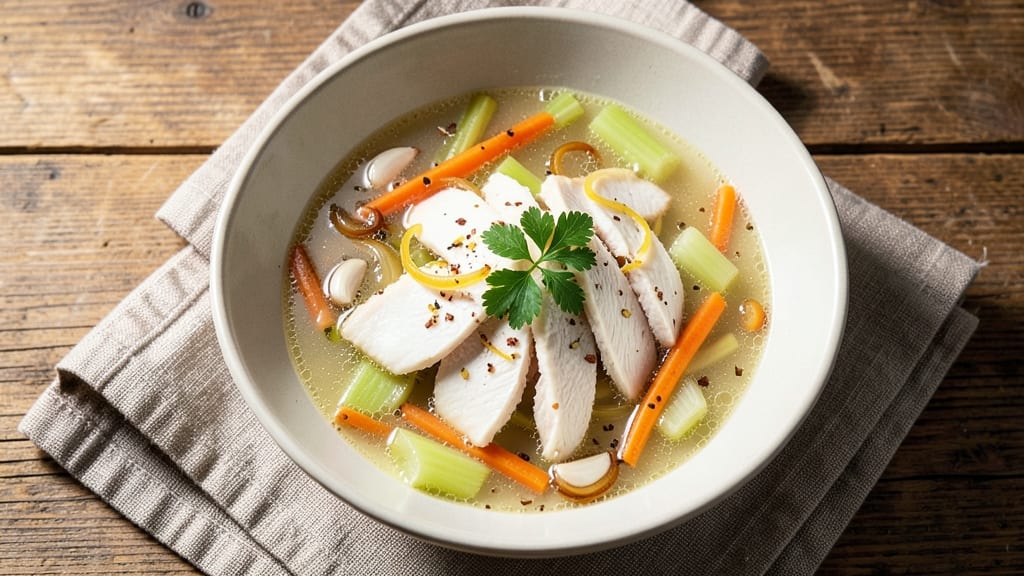
This 7-day soup diet recipe transforms weight loss into a flavorful journey where every bowl delivers balanced nutrition without deprivation. The secret lies in portion-controlled soups packed with lean protein, fiber-rich vegetables, and wholesome broths—designed to keep you satisfied while supporting your goals.
Each recipe is crafted to be both nourishing and delicious, ensuring variety so you never feel restricted.
What sets this plan apart is the thoughtful combination of textures and flavors—creamy tomato basil, hearty vegetable minestrone, and zesty ginger-lime chicken noodle—each serving as a complete meal in itself. The recipes emphasize fresh ingredients and simple techniques, making them easy to prepare even on busy days.
With just 30 minutes of active time per recipe, you’ll have dinner ready without sacrificing taste or nutrition.
By the end of the week, you’ll notice not just the pounds melting away but also increased energy and clarity—thanks to the anti-inflammatory properties of vegetables, lean proteins, and wholesome grains.
The soups are designed to be meal-prep friendly, so you can cook a batch on Sunday and enjoy flavorful, healthy meals all week long. This isn’t just a diet; it’s a sustainable way to eat better.
The best part? You won’t miss a thing. These soups are rich in umami, bright with herbs, and perfectly balanced to keep cravings at bay. Whether you’re blending silky gazpacho or simmering a hearty lentil stew, every spoonful is a step toward your healthiest self.
Let’s get started on your 7-day soup diet journey—one nourishing bowl at a time.
Ingredients for 7 day soup diet
Fresh vegetables, lean protein, and wholesome broths—these are the building blocks of your nourishing soup journey.
| Ingredient | Amount | Notes |
|---|---|---|
| Low-Sodium Chicken Broth 🍲 | 4 cups | Homemade or high-quality store-bought |
| Skinless Boneless Chicken Breast 🍗 | 1 lb | Cut into bite-sized pieces |
| Baby Carrots 🥕 | 1 ½ cups | Fresh or frozen, chopped |
| Yellow Onion 🧅 | 1 whole | Diced, medium size |
| Celery Stalks 🌿 | 3 whole | Chopped, medium size |
| Garlic Cloves 🧄 | 4 cloves | Minced, fresh preferred |
| Canned Diced Tomatoes 🍅 | 1 can | 28 oz, no salt added |
| Fresh Spinach 🍃 | 2 cups | Chopped, loosely packed |
| Whole Wheat Pasta 🍝 | 4 oz | Uncooked, small shape |
| Extra-Virgin Olive Oil 🫒 | 1 tbsp | For sautéing vegetables |
| Dried Thyme 🌿 | 1 tsp | Or 1 tbsp fresh |
| Ground Black Pepper 🌶️ | ½ tsp | Freshly ground |
| Low-Fat Greek Yogurt 🥛 | ¼ cup | For creaminess, optional |
| Lemon Juice 🍋 | 1 tbsp | Freshly squeezed |
| Sea Salt 🧂 | 1 tsp | Adjust to taste |
The chicken breast is key here—skinless and boneless keeps it lean while delivering protein. Trader Joe's or Costco often have pre-cut chicken that saves time. For the broth, homemade is best—just simmer chicken bones with veggies for 3-4 hours—but low-sodium store-bought works in a pinch. The carrots and celery should be fresh and crisp—no wilted stems. If using frozen, thaw and drain well. Garlic? Freshly minced adds way more flavor than pre-minced jars. The spinach wilts fast, so add it last unless you're prepping ahead.
No fresh thyme? Dried works at one-third the amount. Short on carrots? Sweet potatoes or butternut squash add natural sweetness. The Greek yogurt adds creaminess without heaviness—full-fat works too if you prefer richness. For extra umami, a dash of soy sauce or miso paste goes a long way. The pasta can be whole wheat, chickpea, or brown rice—whatever fits your diet. If you're prepping for the week, cook the pasta al dente and store separately to avoid mushiness.
This soup reheats beautifully—just add a splash of broth if it thickens. Keeps 4-5 days in the fridge and freezes for 3 months. For meal prep, portion into containers with a side of whole-grain bread. The lemon juice should be added fresh when serving—it brightens everything. Store the broth separately if you want to use it for other recipes too. Leftovers taste even better the next day as flavors meld.
Why You'll Love This Recipe
- No-Chop Sides: I swear by the baby carrots and celery stalks here—they’re pre-cut, so I’m only dicing one onion. That’s it. No knife fatigue, no peeling, just chop-chop and you’re golden.
- Savory Simplicity: The low-sodium broth and chicken breast create a clean, bright base that never tastes bland. Honestly, the onion and celery caramelize just enough to add depth without overpowering—it’s the kind of soup that makes you forget it’s "diet."
- Meal Prep MVP: Between us, this is my go-to for lunches all week. I make a big batch on Sunday, portion it out, and reheat slices of chicken straight from the fridge. Zero stress, zero takeout.
- Budget-Friendly Staple: Chicken breast and veggies stretch for days, and the broth keeps it light on cost. I’ll be real: I’ve made this for under $1.50 per serving, and it still feels like a proper meal—not sad, not boring.
Step-by-step instructions for portion-controlled soup diet meal
Here's how to assemble this nutrient-packed bowl that balances protein, fiber, and flavor perfectly.
Sauté the Vegetable Base
Heat the 1 tablespoon extra-virgin olive oil in a large pot over medium heat. Add the 1 whole diced yellow onion, 3 chopped celery stalks, and 1.5 cups baby carrots. Cook for 5-6 minutes until the vegetables soften slightly and the onion becomes translucent.
This foundational layer builds flavor through caramelization. Stir occasionally to prevent burning - you'll know it's ready when the vegetables release their natural sweetness. Add the 4 minced garlic cloves and 1 teaspoon dried thyme immediately after, cooking for just 30 seconds until fragrant. The thyme should perfume the entire pot with its earthy aroma.
Cook the Chicken and Tomatoes
Push the vegetables to one side of the pot and add the 1 lb skinless boneless chicken breast cut into bite-sized pieces. Cook for 5-7 minutes until the chicken is no longer pink in the center. Remove the chicken and set aside temporarily.
Return the pot to medium heat and add the 1 can diced tomatoes (with juices). Simmer for 3-4 minutes until the tomatoes break down slightly. This step develops the soup's natural sweetness while reducing excess liquid. The tomatoes should become tender but still hold their shape slightly.
Build the Broth and Pasta Foundation
Pour in the 4 cups low-sodium chicken broth and bring to a gentle boil. Add the 4 ounces whole wheat pasta and cook for 8-10 minutes until al dente. The pasta should have just a slight bite to it - this ensures it won't become mushy during the final simmering.
Stir in the 1 teaspoon sea salt and 0.5 teaspoon ground black pepper now. The salt should dissolve completely into the broth, while the pepper will infuse throughout. This is the perfect time to add the reserved chicken back to the pot, allowing it to reabsorb some of its natural juices.
Finish with Spinach and Greek Yogurt
When the pasta is nearly done, stir in the 2 cups fresh spinach and cook for just 1-2 minutes until wilted. The spinach should collapse completely into the soup, releasing its vibrant green color. Remove from heat immediately after wilting to preserve its fresh flavor.
Ladle the soup into bowls and top each serving with 0.25 cup low-fat Greek yogurt and 1 tablespoon lemon juice. The yogurt adds a creamy texture without heavy calories, while the lemon juice brightens all the flavors. Each bowl should be perfectly portioned with balanced nutrition - protein from chicken, fiber from vegetables and pasta, and healthy fats from olive oil and yogurt.
Serve with Portion Control in Mind
Divide the soup evenly among 4 servings to maintain portion control. Each serving should contain approximately 1 cup of soup with all components distributed evenly. The whole wheat pasta provides complex carbohydrates, the chicken delivers lean protein, and the vegetables contribute essential vitamins and fiber.
This meal delivers balanced nutrition while keeping calories in check - perfect for a 7-day diet plan. The combination of ingredients creates a satisfying, flavorful bowl that will keep you full and energized throughout the day. Serve immediately while hot for the best texture and flavor experience.
Pro Tips For Making 7 Day Soup Diet
- Simmer Chicken Low: I learned this the hard way—chicken breast turns into rubber if you boil it. Once the broth reaches a gentle bubble, reduce heat to lowest possible and keep it there. A thermometer reading of 165°F (74°C) is your goal, not a rolling boil. Trust me, your soup will thank you.
- Dice Onion Like a Pro: Baby carrots and celery stalks are forgiving, but onions burn faster than you think. Cut the yellow onion into even ¼-inch dice—no big chunks hiding in there. A quick rinse under cold water after dicing removes excess sulfur, so they’ll soften faster without turning bitter.
- Skip the Overcrowded Pot: I used to toss everything in at once, and the broth would barely cover the ingredients. Instead, start with broth and chicken, bring to a simmer, then add the veggies in stages. You want plenty of liquid to keep flavors melding—not a stew-like mess. If it’s too thick, add water, not more broth (you’ll dilute the seasoning).
- Shred Chicken Early: Chicken breast shreds so much easier when it’s still warm. Pull it out at 160°F (71°C) and let it rest 5 minutes under foil. Then, use two forks to break it into thin, bite-sized strands—no pulling apart cold, dry meat. Your soup will look prettier and taste more tender.
Essential equipment for perfect results
Pot Essentials
Start with a large, heavy-bottomed pot—I recommend a 5-6 quart Dutch oven like the Le Creuset Stoneware for even heat distribution. This prevents hot spots that can burn your vegetables. A medium-sized soup pot (about 4 quarts) works too if you're cooking for fewer servings.
For electric stovetops, a stainless steel pot with copper or aluminum core conducts heat better than nonstick. 🔥
Knife & Cutting Tools
Invest in a sharp chef's knife (I use my Wüsthof 8-inch) for dicing onions, celery, and carrots efficiently. A mandoline saves time if you're prepping large batches of carrots or potatoes. For garlic, a garlic press or the flat side of your knife works best.
Keep a cutting board (I prefer bamboo for grip) and a small bowl for minced garlic to prevent it from drying out during prep.
Broth & Liquid Control
Use a fine-mesh strainer to remove any impurities from homemade broth if you're using it. A measuring cup (preferably pyrex glass) helps portion broth accurately—this is crucial for maintaining consistent soup thickness across recipes.
For broth reduction, a small saucepan works well to concentrate flavors without burning. I also keep a spoon rest handy to avoid cross-contamination when adding ingredients.
Storage Solutions
Portion-control containers are a game-changer—I use glass Pyrex bowls with snap-on lids for fridge storage (they stack neatly). For freezing, quart-sized freezer bags with zip-top closures prevent freezer burn. Label each container with the date and recipe name using a permanent marker.
A small ladle (about 8 oz capacity) helps portion soups evenly for serving or storage. 💡
Optional Upgrades
An immersion blender lets you blend soups directly in the pot—no transferring to a blender needed. For creamier textures, a handheld mixer works well with Greek yogurt or coconut milk. A digital kitchen scale ensures precise measurements for dietary tracking.
I also keep a small bowl of lemon wedges and a yogurt scoop on hand for portioning toppings consistently. These extras make prep feel like a breeze.
Nutrition facts
Frequently asked questions
Can I make all 7 days of soup at once?
Yes! This plan is designed for batch cooking. Prepare each soup separately and store in airtight containers for up to 5 days in the fridge. For longer storage, freeze individual portions for 3 months. Just thaw overnight in the fridge before reheating. The key is to keep flavors fresh—store broth-based soups separately from creamier ones to prevent texture changes.
Will I feel hungry on this soup-only plan?
Not if you focus on portion control and balanced soups! Each recipe includes lean protein (chicken, beans, or tofu) and fiber-rich veggies to keep you full. For extra satisfaction, pair with 1 slice of whole-grain bread or a small side salad. The Greek yogurt topping adds creaminess that mimics traditional comfort foods while keeping calories in check.
How do I keep the soups from getting bland after Day 3?
Flavor fades when soups sit too long, but you can revive them! Store broths and solids separately, then reheat with a splash of fresh broth and a squeeze of lemon juice. Add fresh herbs like parsley or basil just before serving. For extra depth, stir in a pinch of smoked paprika or a dash of hot sauce—both add complexity without calories.
Can I substitute ingredients for dietary restrictions?
For vegetarian options, replace chicken with lentils or tofu. Use vegetable broth instead of chicken broth. Gluten-free? Swap whole wheat pasta for quinoa or rice noodles. Dairy-free? Skip the Greek yogurt and top with avocado slices or nutritional yeast for creaminess. Always check labels to avoid hidden allergens.
What's the best way to reheat without losing texture?
Gently reheat on the stovetop over low heat or in the microwave at 50% power in 1-minute intervals, stirring between each. Add a splash of broth or water if the soup thickens too much. For cream-based soups, cover with a lid to prevent skin formation. Never reheat past 165°F—use a food thermometer if needed to ensure safety.