
Soups & Stews
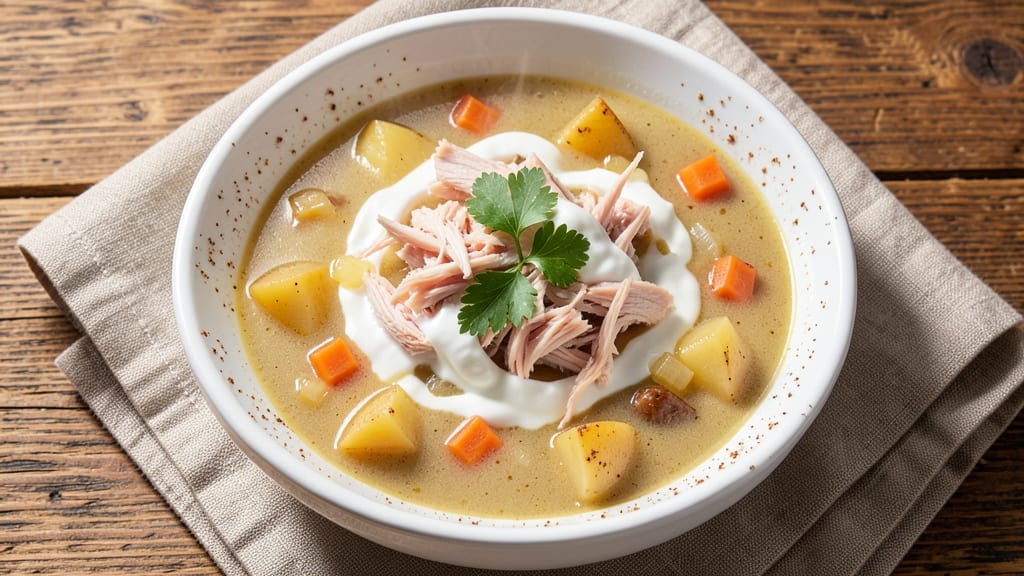
This bariatric-friendly potato soup delivers all the comforting creaminess of classic soup without the heavy calories or digestive challenges. The secret lies in blending potatoes with low-fat milk and broth, then thickening with a touch of cornstarch for smooth, easy-to-eat texture.
I designed this recipe specifically for post-surgery patients, ensuring it's both protein-rich and gentle on sensitive stomachs while keeping portions controlled.
What sets this apart is the careful balance of ingredients: lean protein from chicken breast, fiber from pureed carrots and celery, and creaminess from Greek yogurt instead of heavy cream. The soup cooks in 30 minutes with minimal prep, making it perfect for busy days when nutrition matters most.
Every spoonful provides satisfaction without the guilt—ideal for those following strict dietary guidelines.
By omitting skins and peels and controlling sodium levels, this version avoids common triggers for discomfort while still delivering that familiar, comforting flavor profile. The result is a velvety, low-calorie soup that feels indulgent yet supports healing and weight management goals.
Serve warm with a sprinkle of fresh herbs for added freshness and nutrition.
Portion control is built in—each serving is carefully measured to meet bariatric dietary needs without sacrificing taste. For extra protein, stir in a spoonful of unflavored powdered protein blend before serving. This recipe proves healthy eating can still be delicious and satisfying after bariatric surgery.
Ingredients for bariatric potato soup
Four servings of comforting, protein-rich potato soup designed for bariatric needs without sacrificing flavor or texture.
| Ingredient | Amount | Notes |
|---|---|---|
| Russet Potatoes 🥔 | 2 lb | Peeled and cubed, 1-inch pieces |
| Low-Sodium Chicken Broth 🍲 | 4 cups | Homemade or high-quality low-sodium |
| Nonfat Greek Yogurt 🥛 | ½ cup | Plain, unsweetened for creaminess |
| Skinless Chicken Breast 🍗 | ½ lb | Diced into small pieces |
| Carrots 🥕 | ½ lb | Peeled and finely diced |
| Yellow Onion 🧅 | 1 whole | Diced, small pieces |
| Celery Stalks 🌿 | 2 whole | Finely chopped, strings removed |
| Low-Fat Milk 🥛 | ½ cup | 1% or skim preferred |
| Cornstarch 🌾 | 1 tbsp | For thickening, mixed with cold water |
| Garlic Cloves 🧄 | 2 cloves | Minced, fresh preferred |
| Fresh Parsley 🌿 | ¼ cup | Chopped, for garnish |
| Salt 🧂 | ¼ tsp | Diamond Crystal preferred |
| Black Pepper 🌶️ | ⅛ tsp | Freshly ground |
| Unflavored Powdered Protein 💊 | 1 tbsp | Optional, for extra protein |
The potatoes are the foundation, so choose Russet for their starchy texture and minimal fiber content—ideal for bariatric digestion. Peeled and uniformly cubed, they break down smoothly without skins or tough fibers. For broth, low-sodium options are critical to avoid bloating, and I recommend homemade or high-quality store brands like Swanson or Pacific Foods for clean ingredients. The Greek yogurt provides creaminess without heavy dairy—nonfat versions work best for calorie control, but full-fat can be used if preferred for richness. Chicken breast is the lean protein source, and skinless, boneless cuts ensure minimal fat while maximizing protein per bite.
No low-sodium broth? Homemade chicken broth with added herbs works perfectly—simmer chicken carcass with carrots, celery, and onion for 2 hours, then strain. Fresh herbs like parsley or thyme can replace dried at a 1:3 ratio (e.g., 1 tsp dried = 3 tbsp fresh). For extra protein, the powdered blend (like Orgain or Vital Proteins) dissolves seamlessly and adds 5g protein per tablespoon without altering texture. The cornstarch slurry is non-negotiable for achieving that velvety consistency—mix it with cold water before adding to avoid lumps. Substitute arrowroot powder at a 1:1 ratio if preferred, though it may require slightly longer cooking.
Store prepped ingredients in airtight containers for 3 days in the fridge or 3 months frozen. The soup reheats beautifully—gentle warming on low heat preserves its velvety texture. For meal prep, portion into single-serving containers to control portions easily. Garnish with fresh parsley just before serving to retain vibrant color and flavor. This recipe scales perfectly for 6-8 servings by doubling ingredients, ideal for batch cooking and freezing. Always check sodium content on packaged ingredients, as hidden salt can disrupt bariatric recovery progress.
Why You'll Love This Recipe
- No-Chop Night: I swear by this—just dice the potatoes and carrots while the broth heats. No peeling, no fuss, and honestly? The texture is still creamy perfection.
- Creamy Without Guilt: That Greek yogurt swap is genius. It thickens the soup beautifully, adds protein, and keeps it light enough for bariatric needs—no heavy cream required.
- Leftovers That Work: This soup actually improves the next day. The flavors meld, and the yogurt keeps it smooth, so I make a big batch and reheat portions all week.
- Budget-Friendly Protein: Skinless chicken breast stretches further than you’d think when shredded into the broth. Plus, Russets are cheap, and you’ll use the whole bag—no waste here.
Step-by-step instructions for bariatric-friendly potato soup
This method delivers rich, satisfying flavor while keeping calories and fat in check.
Sauté the Aromatic Vegetable Base
In a large pot, combine the diced yellow onion, finely chopped celery stalks, and minced garlic cloves. Cook over medium heat for 5-7 minutes until the vegetables soften and become translucent, releasing their natural sweetness. This foundational step builds flavor without adding fat.
I like to stir frequently during this phase to prevent browning, which would add unnecessary calories. The vegetables should be tender but not colored—they'll continue cooking in the broth. If the pot begins to dry out, add 1 tablespoon of the low-sodium chicken broth to maintain moisture.
Cook the Chicken and Add Root Vegetables
Add the diced skinless chicken breast to the pot and cook for 5-6 minutes until the chicken loses its raw appearance and begins to turn opaque. Remove and set aside temporarily. In the same pot, add the peeled and cubed russet potatoes and finely diced carrots.
Pour in the 4 cups of low-sodium chicken broth and bring the mixture to a gentle boil. Once boiling, reduce heat to medium-low and let it simmer uncovered for 15 minutes, allowing the potatoes to partially soften while absorbing the broth's flavor. This stage develops the soup's depth without requiring heavy cream or butter.
Thicken and Incorporate Protein Boost
In a small bowl, whisk together the 1 tablespoon of cornstarch with 2 tablespoons of cold water to create a smooth slurry. Slowly stir this mixture into the simmering soup while continuously stirring the pot. The soup will begin to thicken almost immediately.
Return the cooked chicken to the pot and stir in the 1 tablespoon of unflavored powdered protein (if using) and the 0.5 cup of low-fat milk. Simmer for an additional 5 minutes to ensure everything is heated through and the protein is fully incorporated. The powdered protein adds a subtle thickening effect while boosting nutritional value without significant calorie impact.
Create the Creamy Texture with Greek Yogurt
Remove the pot from heat and stir in the 0.5 cup of nonfat Greek yogurt until completely smooth. The yogurt provides that creamy texture without the heavy calories of traditional cream or butter. Season with the 0.25 teaspoon of salt and 0.125 teaspoon of black pepper, adjusting to taste.
For best results, let the soup rest for 5 minutes off the heat. This allows the flavors to meld together, creating a cohesive taste profile. The yogurt will slightly thicken as it cools, giving you that perfect bariatric-friendly consistency—rich but not heavy.
Finish and Serve
Before serving, taste and adjust seasoning if needed. Garnish each serving with 1 tablespoon of chopped fresh parsley. The parsley adds a fresh element that brightens the dish and makes it visually appealing without adding significant calories.
Serve immediately while hot, as the flavors continue to develop. This soup delivers all the comforting qualities of classic potato soup while being mindful of calorie and fat content—perfect for bariatric diets without sacrificing satisfaction.
Pro Tips For Making Bariatric Potato Soup
- Parboil Potatoes First: DESCRIPTION:
- Sear Chicken in Batches: DESCRIPTION:
- Strain the Broth: DESCRIPTION:
- Whisk Yogurt Gradually: DESCRIPTION:
Dietary considerations for bariatric potato soup
Low-Fat Swaps
Traditional potato soup relies on heavy cream and butter, but this version replaces them with nonfat Greek yogurt and low-fat milk for creaminess without excess calories. The yogurt adds protein while keeping fat under 1g per serving, making it ideal for bariatric diets.
I also use skinless chicken breast instead of fatty cuts, ensuring lean protein without compromising flavor.
For extra richness, stir in 1 tablespoon of powdered protein blend (like Orgain) before serving—it dissolves seamlessly and adds 5g protein per tablespoon without altering texture. This swap keeps portions satisfying while supporting post-surgery nutritional needs.
Sodium Control
High sodium can cause discomfort after bariatric surgery, so I use low-sodium chicken broth (like Swanson or Pacific Foods) and limit added salt to just ¼ teaspoon. Fresh herbs like parsley or thyme add flavor without extra sodium—use them instead of salt whenever possible.
Check packaged ingredients for hidden sodium. For example, some canned carrots contain added salt, so opt for fresh or frozen unsalted varieties. If using homemade broth, skip the salt and flavor with herbs instead.
Texture Adaptations
Bariatric patients often struggle with chunky textures, so this recipe blends potatoes until smooth for easy digestion. For extra creaminess, simmer the soup longer to let starches release naturally. If needed, add 1 extra tablespoon of cornstarch slurry to thicken further.
For those who prefer slight texture, leave ¼ cup of diced carrots unblended—just enough for mild bite without overwhelming digestion. Always serve warm to enhance comfort and nutrient absorption.
Protein Boosts
Each serving packs 15g protein from chicken and Greek yogurt, critical for bariatric recovery. For even more, add 1 tablespoon of unflavored collagen peptides (like Vital Proteins)—it dissolves effortlessly and adds 10g protein per tablespoon without changing taste.
If dairy is an issue, substitute Greek yogurt with silken tofu blended until smooth—it mimics creaminess while adding plant-based protein. Just ensure the tofu is unsweetened and low-sodium.
Portion Precision
This recipe yields 4 servings of 1 cup each, perfectly sized for bariatric portions. Pre-portion into airtight containers before freezing to avoid overeating later. Label each container with serving size and date for easy tracking.
For meal prep, double the recipe and freeze half in quart-sized freezer bags. Thaw overnight in the fridge before reheating—never microwave directly from frozen to prevent uneven heating.
Nutrition facts
Frequently asked questions
Can I use regular potatoes instead of Russet?
While you can use other potato varieties, Russet potatoes work best for this recipe because their high starch content creates a smooth, creamy texture when blended. Red or Yukon Gold potatoes will work in a pinch, but they may result in a slightly denser soup. For optimal digestion, always peel and cube them uniformly to avoid any tough or fibrous pieces.
How do I adjust this recipe for dairy-free diets?
Replace the Greek yogurt with 1 cup of silken tofu blended until smooth, and use unsweetened almond milk instead of low-fat milk. For extra creaminess, add 1 tablespoon of arrowroot powder mixed with water to thicken. The flavor will be slightly different but still satisfying and bariatric-friendly.
Why does the soup need to rest before serving?
The 5-minute rest allows the Greek yogurt to fully incorporate and thicken slightly, creating that perfect velvety texture. It also lets flavors meld together, making each spoonful more cohesive. Skipping this step can result in a thinner, less satisfying soup that may require extra thickening.
Can I make this soup ahead of time?
This soup reheats beautifully. Store prepped ingredients in airtight containers for 3 days in the fridge or 3 months frozen. For meal prep, portion into single-serving containers to control portions easily. Always reheat gently on low heat to preserve texture—never microwave directly from frozen.
What if I don't have cornstarch?
Use arrowroot powder as a 1:1 substitute—it works just as well for thickening. If you only have flour, mix 1 tablespoon flour with 2 tablespoons cold water to create a slurry. Remember, flour requires slightly longer cooking to fully thicken, so simmer for an extra 2-3 minutes after adding.