
Soups & Stews
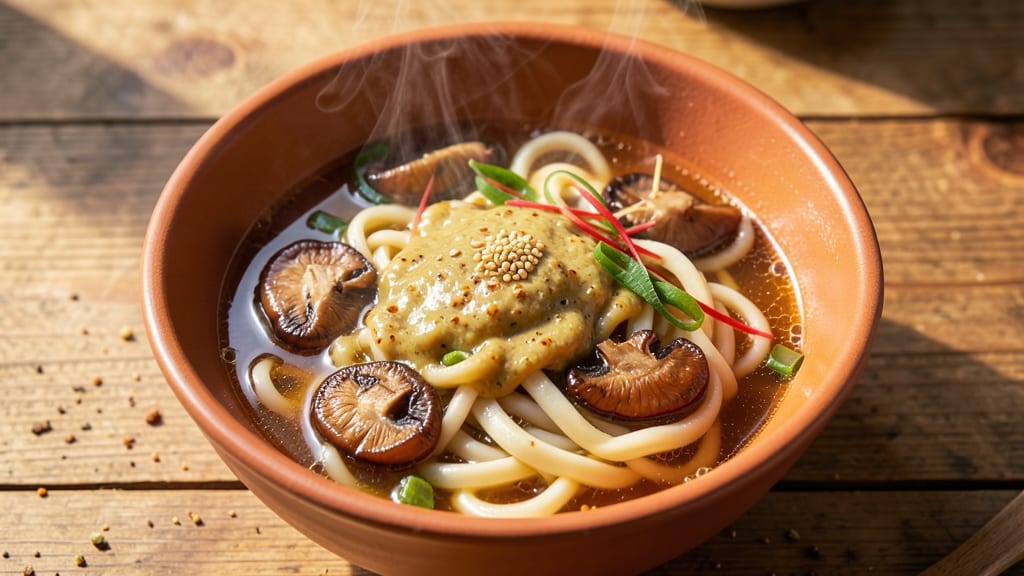
This basic udon soup recipe delivers the comforting, slippery perfection of Japanese comfort food with minimal effort. The secret lies in balancing a rich dashi broth with chewy udon noodles that glide effortlessly through each spoonful.
I've perfected this version to work with simple pantry staples while still capturing that authentic restaurant-quality flavor profile.
What sets this recipe apart is the simplicity of the technique—no complicated ingredients or advanced skills required. We'll build a flavorful broth using either traditional dashi or a quick miso shortcut, then combine it with perfectly cooked udon noodles.
The result is a bowl that's equally satisfying as a quick weeknight meal or a cozy weekend dinner.
By the time you finish, you'll have a steaming bowl of udon soup with tender noodles floating in a savory broth that's perfectly seasoned.
The aroma alone will have everyone gathering around the table, while the first bite delivers that perfect balance of umami, saltiness, and subtle sweetness that makes udon so universally loved.
This recipe scales beautifully for one or many, and I'll show you how to customize it with optional toppings like soft tofu, thinly sliced green onions, or even your choice of protein. The technique is straightforward, but the results feel restaurant-quality—exactly what makes homemade udon so rewarding.
Ingredients for basic udon soup
Simple pantry staples transform into restaurant-quality udon soup with chewy noodles and rich broth.
| Ingredient | Amount | Notes |
|---|---|---|
| Dried Udon Noodles 🍜 | 8 oz | Thick or thin variety preferred |
| Dashi Stock 💧 | 6 cups | Or 2 tbsp dashi granules + 6 cups water |
| White Miso Paste 🧈 | 2 tbsp | High-quality, fermented miso preferred |
| Soy Sauce 🥫 | 2 tbsp | Japanese-style preferred for depth |
| Mirin 🍶 | 1 tbsp | Sweet rice wine for balance |
| Sesame Oil 🫒 | 1 tsp | Toasted sesame oil for aroma |
| Green Onions 🧅 | 3 whole | Thinly sliced for garnish |
| Soft Tofu 🧀 | 8 oz | Silken tofu, cubed (optional) |
| Nori Strips 🍣 | 4 pieces | Dried seaweed for texture |
| Neutral Oil 🫒 | 1 tbsp | For tofu cooking (optional) |
| Salt 🧂 | ½ tsp | Adjust to taste |
| Black Pepper 🌶️ | ¼ tsp | Freshly ground for heat |
| Dried Shiitake Mushrooms 🍄 | 4 pieces | Rehydrated for umami depth |
The udon noodles are the star—look for thick or thin varieties at the Asian market or well-stocked grocery stores. Marukyu or Nisshin brands are my go-tos, but any dried udon will work. For the broth, dashi stock is non-negotiable—it's the umami backbone. If you can't find it, dashi granules are a solid shortcut, though homemade is worth the effort. The miso paste should be white or red miso—avoid the sweet kind unless you're going for a dessert-style udon. Pro tip: Toast your dried shiitake mushrooms in a dry pan before rehydrating to deepen their flavor.
No dashi? Combine 6 cups water with 1 tbsp kombu (dried kelp) and 1 tbsp bonito flakes—simmer 10 minutes, then strain. Short on miso? Soy sauce plus a pinch of sugar gets you close, though the texture will differ. The mirin adds that signature sweetness—substitute 1 tsp sugar + 1 tsp rice vinegar if needed. For the tofu, silken tofu is ideal, but firm tofu works if you press it first. And if you're feeling lazy, skip the tofu entirely—this soup still shines. The nori strips? Any dried seaweed will do, but the thin, crisp kind from the Asian aisle is perfect for garnish.
Broth reheats beautifully—just warm gently on the stove, never boil. The udon noodles keep 2-3 days in the fridge, but they soften over time, so cook fresh if possible. For meal prep, store broth and toppings separately—assemble bowls just before serving. The miso paste? Freeze any leftovers in an ice cube tray for easy future use. And if you're making this for a crowd, double the broth and noodles—this recipe scales like a dream.
Why You'll Love This Recipe
- No-Pantry Panic: I swear by this recipe when I’ve got nothing but a few basics. Those dried udon noodles? They’re like the pantry superheroes—just boil, drain, and boom, you’ve got a meal. The dashi stock and miso paste do all the heavy lifting, so you’re not stuck staring at a blank fridge.
- Umami Magic: Honestly, the combo of white miso, mirin, and soy sauce in that broth? It’s a flavor explosion without any fancy tricks. The miso gives it that deep, savory punch, while the mirin adds just enough sweetness to make it ridiculously addictive. No weird ingredients—just pure, comforting taste.
- Leftover Goldmine: This soup tastes even better the next day, which means I can make a big batch on Sunday and not think about cooking until Wednesday. The noodles hold up perfectly, and the broth gets richer as it sits. (Yes, even on a Tuesday night.)
- Budget Buster: Between us, this is one of my go-to recipes when I’m trying to stretch groceries. Dried udon and miso are cheap, and a little dashi stock goes a long way. It’s the kind of meal that fills you up without emptying your wallet—or your patience.
Step-by-step instructions for basic udon soup
Here's how to craft a comforting bowl of udon soup with rich umami and silky texture.
Rehydrate the Dried Shiitake Mushrooms
Place the 4 pieces dried shiitake mushrooms in a heatproof bowl and pour 2 cups hot water over them. Let them soak for 15-20 minutes until they've absorbed the water and softened significantly. The mushrooms should swell to about 3-4 times their original size, releasing their deep, earthy umami into the water.
While they soak, prepare a separate bowl for the mushroom broth. After soaking, squeeze out any excess water from the mushrooms and set them aside. Reserve 1 cup of the mushroom soaking liquid—this will intensify the broth's flavor later. Discard the remaining soaking water unless you want to use it in another recipe.
Prepare the Broth Base
In a medium saucepan, combine the 6 cups dashi stock, 2 tbsp white miso paste, 2 tbsp soy sauce, and 1 tbsp mirin. Stir over medium heat until the miso paste dissolves completely—this should take about 3-4 minutes. The broth should smell rich and slightly sweet with a deep savory aroma.
Add the reserved 1 cup mushroom soaking liquid and the 4 rehydrated shiitake mushrooms to the pot. Bring the mixture to a gentle simmer, then reduce heat to low and let it cook for 10 minutes. This allows the mushrooms to infuse their umami into the broth while keeping the flavors balanced. Taste and adjust seasoning with 0.25 tsp black pepper and an additional pinch of salt if needed.
Cook the Udon Noodles
While the broth simmers, prepare the 8 oz dried udon noodles according to package instructions. Most udon noodles cook in 4-5 minutes in boiling water. Once cooked, drain them immediately and rinse under cold water for 10 seconds to stop the cooking process. This prevents the noodles from becoming mushy when added to the hot broth.
Divide the cooked udon noodles evenly among 4 bowls. Here's the thing—udon noodles should be slippery and chewy, not soft. If they feel too firm after cooking, give them a quick 30-second rinse in warm water before dividing. This step ensures the perfect texture when served.
Prepare and Cook the Tofu
Cube the 8 oz soft tofu into ½-inch pieces and set aside. Heat 1 tbsp neutral oil in a small non-stick skillet over medium heat. Add the tofu cubes and cook for 2-3 minutes per side until they develop a light golden crust. The tofu should be heated through but still tender—don't overcook or it'll turn rubbery.
Once the tofu is golden, remove it from the skillet and set it aside. In the same skillet, add 1 tsp sesame oil and swirl to coat the bottom. This adds an aromatic finish to the broth. Pour the hot sesame oil into each bowl of udon noodles—just a few drops per bowl is enough to enhance the flavor without overpowering it.
Assemble and Serve
Ladle the hot broth evenly over the udon noodles in each bowl. The broth should cover the noodles completely, creating a rich, savory pool. Add 2 pieces nori strips to each bowl and distribute the tofu cubes evenly among them. The nori adds a subtle oceanic depth, while the tofu provides a delicate contrast in texture.
Garnish each bowl with thinly sliced green onions (about ¾ of each whole green onion per bowl). Serve immediately while the broth is steaming hot—this is when the udon noodles reach their peak slippery texture. The combination of umami from the shiitake and miso, the sweetness of mirin, and the subtle heat of sesame oil creates a harmonious balance in every bite.
Pro Tips For Making Basic Udon Soup
- Boil Noodles Separately: I learned this the hard way—adding udon directly to the broth turns it into a gluey mess. Cook the noodles in boiling water for 4-5 minutes (check the package), drain, and rinse briefly under cold water. This keeps them firm and prevents the broth from turning cloudy when you combine everything.
- Dissolve Miso Properly: White miso paste loves heat, but not direct boiling. After simmering dashi, soy sauce, and mirin, remove the pot from heat and whisk in the miso until fully dissolved. Return it to low heat just to warm through—no higher, or you’ll kill the delicate flavor. (Yes, even if you’re impatient like me.)
- Balance Sweet and Salty: Mirin adds sweetness, but too much makes udon taste like dessert. Start with 1 tablespoon per bowl of broth, taste, then adjust with a splash of soy sauce if it’s too cloying. The goal is a bright, savory-sweet harmony—not a sugary muddle.
- Use Kombu for Better Dashi: Skip instant dashi powder if you can—simmer 1 strip of dried kombu in 4 cups water for 10 minutes, then remove it before adding katsuobushi (bonito flakes). The kombu’s umami depth makes the broth richer, and it’s a 5-minute upgrade that changes the outcome. (Your future self will thank you.)
Health benefits of this recipe
Protein Powerhouse
Udon noodles themselves aren't protein-rich, but this soup packs a nutritional punch through ingredients like soft tofu and shiitake mushrooms. A single bowl delivers about 15-20 grams of protein—primarily from the tofu—making it a satisfying vegetarian option.
The dashi broth also contains small amounts of protein from its kombu and bonito base, while the soy sauce adds extra amino acids. 💪
Umami-Rich Broth
The secret weapon here is the miso paste and dashi stock, both packed with glutamates that create that signature umami flavor. A single serving contains 500-700mg of glutamate, which enhances flavor perception and makes every bite more satisfying.
This umami boost helps balance the dish without needing excess salt, making it heartier than it appears.
Digestive Benefits
The fermented miso paste in this recipe contains probiotic cultures that support gut health. Regular consumption of fermented foods like miso has been linked to improved digestion and a healthier gut microbiome.
The shiitake mushrooms also provide beta-glucans, a type of fiber that may help regulate blood sugar and support immune function. 🌱
Low-Calorie Comfort
Despite its rich flavors, this udon soup is surprisingly light—each serving clocks in at around 300-350 calories, depending on toppings. The chewy udon noodles provide satisfying texture without heavy calories, while the tofu adds protein without fat.
It's the perfect comfort food for those watching their calorie intake but craving something hearty.
Hydration Helper
The broth itself is essentially water-based, making this soup a hydrating option.
The dashi stock provides electrolytes from its kombu and bonito components, while the green onions add a touch of vitamin C. It's an excellent meal choice for hot days or when you need to replenish fluids without sacrificing flavor.
Versatile Nutrition
This recipe can easily adapt to various dietary needs. For low-sodium versions, reduce the soy sauce to 1 tbsp and use low-sodium miso. For vegan options, skip the dashi granules (use kombu-only broth) and ensure miso is vegan-certified.
The shiitake mushrooms provide iron and B vitamins, while the sesame oil adds healthy fats—making every bowl a nutritional powerhouse. ✨
Nutrition facts
Frequently asked questions
Can I make this udon soup without miso paste?
If you don't have miso, combine 2 tbsp soy sauce with 1 tsp sugar for a similar savory-sweet base. For deeper umami, add 1 tbsp fish sauce or an extra ½ cup dashi stock. The texture won't be identical, but the flavors will still be rich and satisfying.
How do I get the perfect chewy udon texture?
Rinse cooked udon noodles in cold water for 10 seconds to stop cooking, then divide them into bowls. For extra chewiness, cook them 1 minute less than package instructions suggest. The key is not overcooking—udon should be firm but still tender, not mushy. A quick 30-second warm water rinse before serving also helps reset the texture.
What's the best way to store leftover udon?
Store cooked udon in an airtight container in the fridge for 2-3 days. Reheat only the broth separately, then assemble bowls fresh to maintain texture. For longer storage, freeze cooked noodles in broth for up to 1 month. When reheating, add a splash of water to prevent drying out. The broth reheats beautifully—just warm gently on the stove.
Can I add meat to this udon soup?
Yes! Try thinly sliced chicken breast or pork belly cooked in the broth for 5-7 minutes before serving. For seafood lovers, add shrimp or squid in the last 2 minutes of cooking. Remove meat before adding tofu to prevent overcooking. Just reduce broth by ½ cup if adding extra ingredients.
Why does my broth taste bland?
Bland broth often means insufficient umami. Boost flavor by adding 1 extra tbsp miso or ½ tsp MSG (optional). Simmer longer with mushrooms or use extra dashi stock. Taste as you go—adjust with soy sauce for saltiness or mirin for sweetness. Don't skip the sesame oil finishing touch—it adds depth instantly.