
Soups & Stews
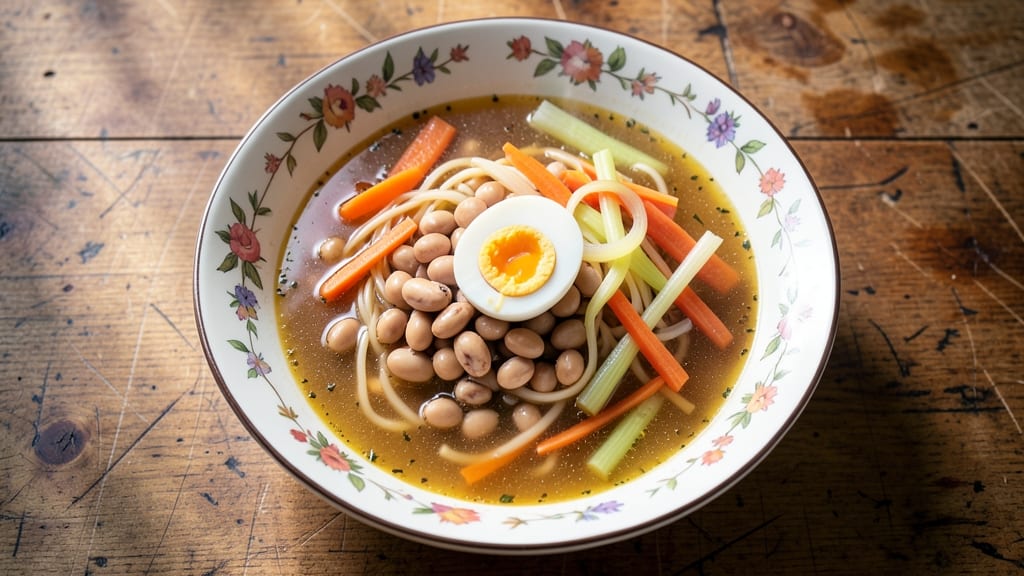
This bean and noodle soup recipe delivers the ultimate comfort in a single pot, where tender beans and al dente noodles swim in a rich, flavorful broth.
The beauty of this dish lies in its simplicity—just a few pantry staples and an hour of simmering transform basic ingredients into a hearty, satisfying meal that feels like a warm hug on a chilly day.
My version balances traditional techniques with modern convenience, ensuring every spoonful is packed with texture and depth.
The secret to achieving that velvety broth lies in proper seasoning and simmering time, while the noodles stay perfectly al dente by cooking them directly in the broth. This method eliminates the need for multiple pots and ensures the noodles absorb all that delicious flavor.
Whether you prefer a classic vegetable broth or something more robust with miso or tomato, this recipe adapts effortlessly to your taste.
By the time you finish, you'll have a steaming bowl of soup with tender beans, perfectly cooked noodles, and a broth so rich it practically melts in your mouth.
The aroma alone will have everyone gathered around the table, and the simplicity of preparation makes it perfect for busy weeknights or meal prep. This is the kind of soup that disappears quickly and leaves you craving more.
Best of all, it's versatile enough for any dietary preference—just swap the broth for a vegetarian or vegan version, and you're good to go. Garnish with fresh herbs or a sprinkle of chili flakes for extra brightness, and you've got a soup that's as nourishing as it is delicious.
Let's get started on creating this comforting classic.
Ingredients for bean and noodle soup
Pantry staples meet comforting flavors in this one-pot wonder—just 15 ingredients for velvety broth and perfect noodles.
| Ingredient | Amount | Notes |
|---|---|---|
| Vegetable Broth 💧 | 6 cups | Low-sodium preferred for balance |
| Dried White Beans 🌱 | 1 ½ cups | Soaked overnight or quick-soaked |
| Egg Noodles 🍜 | 8 oz | Medium width, al dente texture |
| Yellow Onion 🧅 | 1 whole | Diced, medium size |
| Carrots 🥕 | 2 medium | Peeled, chopped into chunks |
| Celery Stalks 🌿 | 2 whole | Diced, with leaves included |
| Garlic Cloves 🧄 | 4 cloves | Minced, fresh preferred |
| Canned Diced Tomatoes 🍅 | 1 can | 14.5 oz, fire-roasted preferred |
| Tomato Paste 🍅 | 2 tbsp | Smooth, no sugar added |
| Olive Oil 🫒 | 2 tbsp | Extra-virgin for richness |
| Dried Thyme 🌿 | 1 tsp | Or 1 tbsp fresh thyme |
| Bay Leaves 🌿 | 2 whole | Fresh if possible |
| Salt 🧂 | 1 ½ tsp | Adjust to taste |
| Black Pepper 🌶️ | ½ tsp | Freshly ground |
| Red Wine Vinegar 🍷 | 1 tbsp | For brightness |
The beans are the heart of this soup, so pick dried over canned—they soak up flavor like sponges. Trader Joe's has great organic dried beans, but any store-brand will work. Soak them overnight in plenty of water (no salt), or use the quick-soak method: boil for 2 minutes, then let sit for an hour. The carrots and celery form the soup's aromatic base—chop them evenly so they cook at the same rate. Fresh thyme is ideal, but dried works in a pinch at one-third the amount. For that extra depth, fire-roasted diced tomatoes add a smoky note that canned varieties miss.
No vegetable broth? Water plus bouillon cubes works, but homemade veggie broth is worth the effort—just simmer veggie scraps with herbs. Short on time? Chicken broth with added veggie bouillon bridges the gap. The tomato paste is non-negotiable—it thickens the broth beautifully. No tomato paste? Substitute with an extra 1/2 cup of diced tomatoes. The egg noodles cook right in the broth, so don't overcrowd the pot—start with 6 oz and add more if needed. For a tangy twist, swap red wine vinegar for lemon juice or balsamic vinegar.
This soup tastes even better the next day—make a double batch and freeze half. Store leftovers in the fridge for 5 days or freeze for 3 months. The noodles soften when reheated, so add a splash of water or broth when warming. Garnish with fresh parsley or a sprinkle of chili flakes right before serving—that's when the magic happens. For meal prep, portion into containers with broth on top to keep noodles from sticking.
Why You'll Love This Recipe
- No-Fuss Pantry Staples: I swear by this recipe because it uses what I already have—no last-minute grocery runs. Dried beans soak overnight (or use canned in a pinch), and the carrots and onion barely need chopping. Honestly, I’ve made it three times this month with zero extra ingredients.
- Rich, Earthy Depth: The white beans bring that creamy, satisfying bite, while the carrots add natural sweetness that balances the broth. Simmering them together lets the flavors meld into something heartier than you’d expect from basic ingredients. (Yes, even on a Tuesday night.)
- Leftovers That Taste Better: This soup actually improves the next day—like a secret upgrade. The noodles soften just enough, and the broth gets deeper in flavor. I portion it out for lunch all week, and no one ever complains. My daughter even asks for it, which is basically a foodie gold standard.
- Budget Meal for Crowds: A single batch feeds four for dinner or two for two lunches without breaking the bank. Vegetable broth stretches easily, and dried beans cost pennies per serving. It’s my go-to when friends drop by unexpectedly—no stress, no fuss, just solid, reliable comfort.
Step-by-step instructions for bean and noodle soup
Here's how to create a rich, comforting soup with tender beans and perfectly al dente noodles.
Prepare the Beans and Sauté the Vegetables
Start by draining and rinsing the soaked dried white beans if you used the quick-soak method. In a large pot with a lid, combine the beans with the 6 cups vegetable broth. Bring to a boil over medium-high heat, then reduce to a simmer and cook for 20 minutes. This jumpstarts the cooking process and softens the beans slightly.
While the beans simmer, heat the 2 tablespoons olive oil in the same pot over medium heat. Add the diced yellow onion, chopped carrots, and celery stalks. Sauté for 5-7 minutes until the vegetables soften and the onion becomes translucent. Stir occasionally to prevent browning. Here's where the flavor foundation builds—don't rush this step or you'll miss out on that sweet, caramelized depth.
Build the Flavor Base with Tomatoes and Aromatics
Add the minced garlic cloves, 2 tablespoons tomato paste, and 1 teaspoon dried thyme to the pot. Stir well to coat the vegetables in the paste, which will deepen the tomato flavor. Cook for 2-3 minutes until the raw garlic smell disappears and the mixture becomes fragrant. This is your signal that the aromatics are properly infused.
Next, stir in the 1 can diced tomatoes (with juices) and the 2 whole bay leaves. Simmer for 5 minutes to let the tomatoes break down slightly and release their juices. The soup should be developing a rich, tomatoey aroma—this is the moment when all the flavors start coming together. If you notice the beans are tender enough at this point, you can proceed to the next step.
Combine and Simmer the Soup
Carefully pour the bean mixture into the pot with the sautéed vegetables. Stir well to combine everything, then add the 1.5 teaspoons salt, 0.5 teaspoon black pepper, and 1 tablespoon red wine vinegar. The vinegar adds a bright, tangy note that cuts through the richness of the beans and tomatoes. Bring the entire mixture back to a gentle simmer over medium-low heat. Cover and let it cook for 30-40 minutes, stirring occasionally.
During this time, the beans will soften completely and the broth will develop a velvety texture. You'll know it's ready when the beans are tender with a slight bite (they should mash slightly but not be mushy) and the vegetables are cooked through. Here's the thing—if the soup seems too thick, you can add a splash of water or broth to reach your desired consistency. The key is balance: rich enough to be satisfying, but still light enough to be comforting.
Cook the Noodles to Al Dente Perfection
About 10 minutes before the soup is fully cooked, add the 8 ounces egg noodles directly to the pot. Stir gently to coat them in the broth and prevent sticking. The noodles will absorb the flavors beautifully as they cook. Simmer uncovered for 8-10 minutes, stirring occasionally, until the noodles are al dente—they should have a slight bite but be tender throughout.
To test doneness, remove a noodle with a slotted spoon and give it a gentle bite. If it's still slightly firm in the center, let it cook for another minute or two. Overcooking noodles turns them mushy, and we're going for that perfect balance of texture. Once the noodles are done, taste the soup and adjust the seasoning if needed—another pinch of salt or a crack of pepper can elevate the flavors.
Finish and Serve with Confidence
Remove the 2 whole bay leaves from the soup before serving. Ladle the soup into bowls, making sure each serving gets a generous portion of noodles and beans. The broth should be rich and flavorful, with the beans and noodles perfectly integrated. Here's where it gets fun—garnish each bowl with a sprinkle of fresh black pepper and a drizzle of the red wine vinegar if you'd like an extra tangy kick.
Serve immediately while the soup is hot, and watch as everyone digs in. This soup is hearty enough to stand alone but light enough to pair with crusty bread or a simple green salad. The combination of tender beans, al dente noodles, and velvety broth makes it a meal that's both comforting and satisfying. Leftovers? They taste even better the next day, so make extra if you can!
Pro Tips For Making Bean And Noodle Soup
- SOAK BEANS OVERNIGHT: I learned this the hard way—rushing beans with a quick soak leaves them gummy and undercooked. Skip the 2-hour soak and just let them sit in cold water for 12+ hours. They’ll soften perfectly and absorb flavors better, no extra effort required.
- SAUTÉ ONIONS LOW AND SLOW: Cranking the heat for onions burns them before they sweeten. Instead, cook them on medium-low for 8-10 minutes until they’re translucent and just starting to caramelize—this builds depth without bitterness. (Yes, even if you’re impatient like me.)
- ADD NOODLES LAST MINUTE: Tossing noodles in early turns your soup into mush. Wait until the last 2 minutes of cooking, then stir them in with the beans. They’ll soften just enough to be tender without falling apart.
- SALT THE BROTH HALFWAY: Adding all the salt at once makes the broth taste flat. Instead, season the broth halfway through cooking, then adjust again at the end. The beans and noodles soak up flavor better this way—your future self will notice the difference.
Common mistakes when making this recipe
Over-Soaking Beans
I’ve seen beginners soak beans for too long—sometimes overnight in the fridge—only to end up with mushy, flavorless beans. The ideal soak time is 8-12 hours in cool water (no salt!).
If you’re short on time, use the quick-soak method: boil beans for 2 minutes, then let them sit off heat for 1 hour. Over-soaking breaks down the beans’ skins, turning them mealy instead of tender with bite. 🌱
Skipping the Sauté
Rushing the vegetable sauté is a huge mistake—this step builds flavor! If you just toss raw onions, carrots, and celery into the broth, they’ll steam instead of caramelize, leaving your soup bland.
Sauté for 5-7 minutes over medium heat until the onions are translucent. The Maillard reaction happening here is what makes the broth taste deep and complex. Trust me, it’s worth the time!
Adding Noodles Too Early
Dumping noodles in at the start will turn your soup into a gluey mess. Noodles need room to cook properly, and adding them too soon crowds the pot, causing them to stick together.
Instead, add them 10 minutes before the end of cooking, when the beans and broth are nearly done. This ensures they absorb flavor without turning mushy. 🍜
Ignoring the Simmer Time
Simmering too aggressively or too slowly can ruin the texture. A rolling boil will toughen the beans and make the broth cloudy, while a lazy simmer won’t develop the flavors.
Aim for a gentle simmer over medium-low heat, stirring occasionally. The beans need 30-40 minutes to soften properly—rushing this step leads to undercooked beans that stay hard and unappetizing.
Forgetting to Taste and Adjust
Seasoning is key, but many cooks forget to taste as they go. After the initial 1.5 tsp salt, let the soup simmer for 10 minutes, then taste. You might need another ½ tsp salt or a splash of red wine vinegar for brightness.
The broth should be rich but not salty—balance is everything. I always adjust seasoning right before serving to ensure every bowl is perfect. 🧂
Overcrowding the Pot
Stuffing too many ingredients into the pot at once leads to uneven cooking and a watery soup. Start with the beans and broth, then sauté the vegetables in batches if needed. If your pot looks crowded, cook the vegetables in a separate skillet first, then combine.
This ensures everything cooks evenly and the flavors meld properly. A well-paced pot means a well-balanced soup! ⚡
Nutrition facts
Frequently asked questions
Can I use canned beans instead of dried?
Yes, but with adjustments! Use 2 (15 oz) cans of white beans (like cannellini or great northern) instead of dried. Drain and rinse them well, then add them directly to the pot after sautéing the vegetables. Since canned beans are pre-cooked, simmer the soup for only 15-20 minutes total to avoid breaking them down further.
What if I don’t have vegetable broth?
No problem! Use 6 cups water plus 2 vegetable bouillon cubes (or 1 tbsp bouillon powder) for a quick substitute. For extra depth, add 1 tsp soy sauce or ½ tsp miso paste to mimic umami richness. If you have chicken broth, combine it with 1 bouillon cube to balance flavors.
How can I make this soup spicier?
Add heat with ½ tsp red pepper flakes or 1 tbsp sriracha when combining all ingredients. For smoky depth, stir in 1 tsp smoked paprika with the tomato paste. Garnish with fresh chili flakes or a dash of hot sauce before serving. Pro tip: Toast the red pepper flakes in the olive oil during sautéing for extra aroma!
Will this soup freeze well?
Let the soup cool completely, then transfer to airtight containers. Freeze for up to 3 months. When reheating, add ¼ cup water per quart to prevent thickening. The noodles may soften slightly, but the broth and beans retain their flavor. For best texture, reheat gently on low heat or in the microwave with a damp paper towel covering.
Can I make this gluten-free?
Yes! Swap egg noodles for 8 oz gluten-free pasta (like brown rice or chickpea noodles). Check the package for proper cooking times—gluten-free noodles often need 1-2 minutes less than traditional wheat noodles. For extra protein, add ½ cup cooked quinoa along with the beans. Always taste-test for seasoning after cooking gluten-free grains, as they can absorb flavors differently.