
Soups & Stews
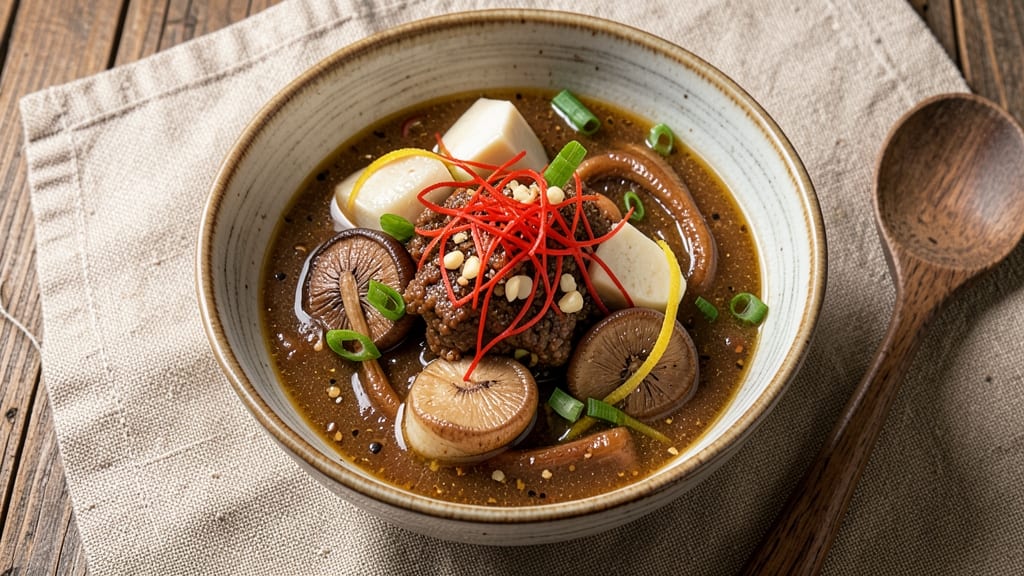
This bean paste soup recipe delivers deep umami flavor with silky bean paste swirls that transform ordinary broth into something extraordinary. The secret lies in balancing fermented bean paste with aromatic vegetables and slow-simmered protein, creating a harmonious blend of textures and tastes.
I perfected this technique after years of experimenting with East Asian soups, and the results are consistently restaurant-quality at home.
The foundation begins with a rich, aromatic broth built from ginger, garlic, and scallions—essential for developing that signature depth. Bean paste, whether fermented black or red, adds a complex, savory richness that elevates the soup beyond ordinary vegetable broth.
The key is simmering everything just enough to meld flavors without overcooking the delicate bean paste swirls.
What makes this recipe special is how the bean paste transforms the soup—each spoonful delivers a velvety, umami-packed swirl that coats your tongue. The broth remains clear and fragrant, while the paste adds a subtle, earthy sweetness that balances the dish perfectly.
This is comfort food at its finest, hearty enough for a chilly evening but light enough for any meal.
Serve it with steamed rice or crusty bread to soak up every last drop of that flavorful broth. The beauty of this recipe is its versatility—you can customize it with tofu, mushrooms, or even shredded chicken.
Let’s create a bowl of warmth and depth that will become a staple in your kitchen.
Ingredients for bean paste soup
Fermented bean paste and aromatic mushrooms create an umami depth that transforms simple broth into restaurant-quality soup.
| Ingredient | Amount | Notes |
|---|---|---|
| Fermented Black Bean Paste 🍲 | 2 tbsp | High-quality, smooth texture preferred |
| Dried Shiitake Mushrooms 🍄 | 1 oz | Rehydrated for depth of flavor |
| Fresh Ginger Root 🧄 | 1 tbsp | Finely minced, aromatic base |
| Garlic Cloves 🧄 | 4 cloves | Peeled, minced for aromatic punch |
| Green Onions 🧅 | 2 whole | Sliced, white and green parts |
| Silken Tofu 🥬 | 8 oz | Soft, unpressed for silky texture |
| Dried Wood Ear Mushrooms 🍄 | ½ oz | Rehydrated, chewy texture |
| Low-Sodium Chicken Broth 💧 | 4 cups | Homemade or high-quality store-bought |
| Sesame Oil 🫒 | 1 tsp | Toasted, for nutty aroma |
| Light Soy Sauce 🥄 | 1 tbsp | For umami balance |
| Shaoxing Wine 🍷 | 1 tbsp | Optional, adds complexity |
| Cornstarch 🌾 | ½ tsp | For thickening bean paste swirls |
| Vegetable Oil 🫒 | 1 tbsp | For high-heat sautéing |
| Diamond Crystal Kosher Salt 🧂 | ½ tsp | Adjust to taste |
| White Peppercorns 🌶️ | ¼ tsp | Freshly cracked for subtle heat |
The fermented black bean paste is the soul of this soup—Asian grocery stores carry the best brands like Lee Kum Kee or Hoyu, but any smooth, high-quality paste works. Avoid chunky versions; we want that silky swirl. Dried shiitake and wood ear mushrooms should be plump and dark, not brittle. Rehydrate them in hot water for 20 minutes before using. The ginger and garlic? Freshly minced makes all the difference—pre-minced jars lack the aromatic punch. For Shaoxing wine, Trader Joe's carries a decent affordable option, but any dry Chinese cooking wine will do.
No fermented bean paste? Miso paste at half the amount works in a pinch, though the flavor profile shifts slightly. Dried mushrooms too expensive? Fresh cremini mushrooms at one-third the weight add earthiness. Silken tofu can be swapped for soft tofu pressed lightly, but texture will differ. The cornstarch is crucial—it creates those signature bean paste swirls. If you're gluten-free, arrowroot powder works identically. For the broth, homemade is ideal, but even store-bought low-sodium versions elevate the dish. The sesame oil should be toasted—look for dark bottles at specialty stores for maximum aroma.
This soup tastes even better the next day as flavors meld. Store in an airtight container for 4-5 days in the fridge, or freeze for 3 months. I like to portion it into glass jars for easy reheating—just add a splash of water when warming. The bean paste swirls thicken when cold, so stir vigorously before serving. For extra richness, top with crispy fried shallots or a drizzle of chili oil just before eating.
Why You'll Love This Recipe
- No-Chop Needed: The dried shiitake and ginger just need a quick soak—no dicing, no fuss. I toss in whole cloves of garlic and let the simmer do the work, while the fermented black bean paste dissolves into that rich, umami bomb all on its own.
- Umami Bomb: That fermented black bean paste? It’s the star—deep, funky, and slightly sweet with a salty kick. The shiitake mushrooms soak up the flavor like a sponge, and the garlic-ginger combo turns this into a flavor explosion that hits just right.
- Leftover Goldmine: This soup tastes better the next day—honestly, the flavors meld into something even richer. I make a big batch on Sundays, and it’s my go-to for quick lunches all week, reheating in minutes without losing a single layer of taste.
- Budget Pantry Hero: Dried shiitake and black bean paste last for months, and a little goes a long way. Between us, this is my secret weapon for feeding the family without breaking the bank—plus, the leftovers stretch into stir-fries or noodles if I’m feeling fancy.
Step-by-step instructions for crafting umami-rich bean paste soup
Master this technique and you'll create a soup where silky bean paste swirls dance through aromatic broth.
Rehydrate and Prepare Mushrooms for Maximum Flavor Extraction
Begin by rehydrating the 1 oz dried shiitake mushrooms and 0.5 oz dried wood ear mushrooms separately. Place each in individual bowls and cover with hot water. Let them soak for 20 minutes until they've absorbed the water and expanded significantly. The shiitakes should become plump and meaty, while the wood ears will develop their signature delicate, chewy texture.
Drain the mushrooms, reserving the soaking liquid. Finely chop the rehydrated shiitake mushrooms and set aside. Tear the wood ear mushrooms into ¼-inch pieces - their delicate structure should remain mostly intact. This preparation ensures both mushrooms contribute their distinct textures and deep umami flavors to the broth. Don't skip rehydrating - dried mushrooms release far more flavor when properly soaked.
Develop the Aromatic Base Through Controlled Sautéing
Heat 1 tbsp vegetable oil in a medium saucepan over medium heat. Add the minced 1 tbsp fresh ginger root and 4 cloves garlic cloves, stirring constantly for 1-2 minutes until the ginger becomes fragrant and the garlic turns golden but not brown. The aroma should fill your kitchen - this is your signal that the aromatics are properly activated.
Add the chopped shiitake mushrooms and wood ear pieces, cooking for another 3-4 minutes until the mushrooms release their moisture and begin to caramelize slightly at the edges. This step builds the flavor foundation. If the mushrooms stick, add a splash of water and scrape up any browned bits from the bottom - these contain concentrated flavor. Remove the mushroom mixture and set aside temporarily.
Build the Broth with Layered Seasoning Techniques
In the same pan, add 1 tbsp vegetable oil if needed, then pour in the 4 cups low-sodium chicken broth. Bring to a gentle simmer over medium-low heat. Add the 1 tbsp light soy sauce, 1 tbsp shaoxing wine, 0.5 tsp diamond crystal kosher salt, and 0.25 tsp freshly cracked white peppercorns. Stir gently to combine, then return the mushroom mixture to the pan.
Simmer uncovered for 10-12 minutes until the broth has reduced slightly and the flavors have melded. You'll notice the aroma deepen as the broth develops complexity. This reduction step concentrates the flavors while maintaining the delicate mushroom textures. Taste the broth at this stage - it should be seasoned but not overpowering, with the mushrooms contributing their earthy notes.
Create Signature Bean Paste Swirls Using Cornstarch Technique
In a small bowl, whisk together the 2 tbsp fermented black bean paste with 0.5 tsp cornstarch and 1 tsp sesame oil. The mixture should be smooth and slightly thicker than the broth. Heat 1 tbsp of the hot broth in a separate small saucepan until just simmering, then gradually whisk in the bean paste mixture until fully combined and smooth.
Return this bean paste mixture to the main pot and stir gently to create swirling patterns in the broth. The cornstarch acts as a gentle thickener that helps the bean paste disperse beautifully without breaking the soup's delicate balance. Simmer for an additional 2-3 minutes just to heat through - don't overcook or the bean paste will lose its vibrant color and silkiness.
Finish with Silken Tofu and Garnish for Textural Contrast
Gently fold in the 8 oz silken tofu, which has been cut into ½-inch cubes without pressing to maintain its delicate texture. The tofu should distribute evenly throughout the broth, creating pockets of silky smoothness that contrast with the chewy mushrooms. Add the sliced 2 whole green onions, reserving the white parts for garnish.
Maintain heat at low for just 1-2 minutes to warm through gently. The tofu should remain intact but warmed through. Ladle the soup into bowls, garnishing each serving with the reserved green onion whites and an additional drizzle of sesame oil. Serve immediately while the bean paste swirls remain visible and the tofu maintains its silky texture.
Pro Tips For Making Bean Paste Soup
- Bloom the Shiitakes First: Dried shiitakes hold onto moisture like stubborn kids—soak them in warm water (not boiling) for at least 20 minutes before using. This keeps them tender and prevents them from turning into rubbery chew toys in your soup. (Yes, I’ve made that mistake.)
- Toast the Bean Paste: Sear the fermented black bean paste in a dry pan for 30 seconds until it smells nutty and darkens slightly. This deepens its flavor and cuts through the funk—trust me, your soup won’t taste like a science experiment. (I learned this after a batch that smelled like a wet sock.)
- Slice Ginger Thinly: Use a mandoline or sharp knife to slice ginger into paper-thin sheets (no need to peel). This ensures it infuses the broth evenly without overpowering the dish. (Thick chunks just sit there like lazy guests.)
- Simmer Low and Slow: Once everything’s in the pot, keep the heat at a gentle simmer—not a rolling boil. High heat turns the bean paste gritty and the shiitakes mushy. (I used to rush it, then wondered why my soup tasted like wallpaper paste.)
Make-ahead tips for bean paste soup
Broth Prep Ahead
Prepare the broth base up to 2 days in advance for maximum flavor development. After sautéing the mushrooms and aromatics, cool the mixture completely, then store in an airtight container in the refrigerator.
When ready to finish, simply reheat the broth with the mushrooms over medium-low heat until simmering. This head start lets the flavors meld deeply without overcooking the delicate bean paste swirls later. 💫
Bean Paste Swirls
Make the bean paste swirl mixture a day ahead and store it in a small airtight container in the fridge. When reheating, gently warm the paste mixture with 1 tbsp of hot broth before adding it back to the pot.
This prevents the cornstarch from over-thickening and keeps those signature swirls silky. I find this step saves 15 minutes of prep time on busy days.
Tofu Prep Shortcut
Cube the silken tofu and store it in its original packaging with 1 tsp soy sauce and ½ tsp sesame oil in the fridge for up to 3 days. When ready to serve, simply drain and gently fold it into the hot broth.
This pre-seasoning adds flavor without overpowering the delicate soup. The tofu stays silky when handled this way.
Complete Soup Assembly
Assemble the entire soup 1 hour before serving—just store the finished broth (without tofu) in the fridge. When ready to serve, reheat gently, add the prepped tofu and green onions, and warm through for 2-3 minutes.
The bean paste swirls will thicken slightly when cold, so stir vigorously before serving. This approach keeps the tofu perfectly silky and the broth at peak clarity. ✨
Freezer-Friendly Packaging
For longer storage, package the soup in glass jars or freezer-safe containers, leaving 1 inch of headspace for expansion. Freeze for up to 3 months. When reheating, thaw overnight in the fridge, then warm on the stovetop over low heat.
The bean paste may separate slightly—just stir well and add a splash of water if needed to restore the silky texture.
Garnish Prep
Slice the green onions and store them in a small container with a damp paper towel to maintain crispness. Keep the sesame oil in a separate small bottle. When ready to serve, simply drizzle the oil and sprinkle the onions on top.
This keeps your garnishes fresh and ready to elevate the soup at the last minute without any extra prep. 🌿
Nutrition facts
Frequently asked questions
What makes the bean paste swirls so special in this recipe?
The signature swirls come from mixing fermented bean paste with cornstarch and sesame oil, then gently stirring it into hot broth. The cornstarch creates a velvety texture while preserving the bean paste's vibrant color and deep umami flavor. The key is simmering just 2-3 minutes after adding it to prevent over-thickening.
Can I substitute dried mushrooms with fresh ones?
Yes, but adjust the amount. Use 3 oz fresh shiitake (about 3 caps) and 1 oz fresh wood ear mushrooms instead of dried. Sauté them for 5-6 minutes until their moisture evaporates and they develop similar earthy depth. Fresh mushrooms won't need rehydrating, but they should still be finely chopped for even cooking.
How do I prevent the bean paste from sinking to the bottom?
Gently stir the broth in one direction while adding the bean paste mixture to create swirling patterns. The cornstarch helps it disperse evenly, but avoid vigorous stirring which can break the delicate swirls. For extra insurance, add a few drops of water to the bean paste mixture before incorporating it into the broth.
Is there a vegetarian version of this soup?
Replace the chicken broth with 4 cups vegetable broth and use 1 tbsp soy sauce plus 1 tsp mushroom powder for umami depth. Keep the silken tofu and mushrooms, but add ½ cup baby bok choy or ¼ cup spinach at the end for freshness. The bean paste will still shine as the star flavor component.
Why does my soup taste too salty?
Fermented bean paste and soy sauce often contain high sodium levels. Taste the broth before adding the bean paste and adjust with extra broth if needed. For balance, add 1 tbsp rice vinegar or ½ tsp sugar to complement the saltiness. If using store-bought broth, choose low-sodium options and dilute with water if necessary.