
Soups & Stews
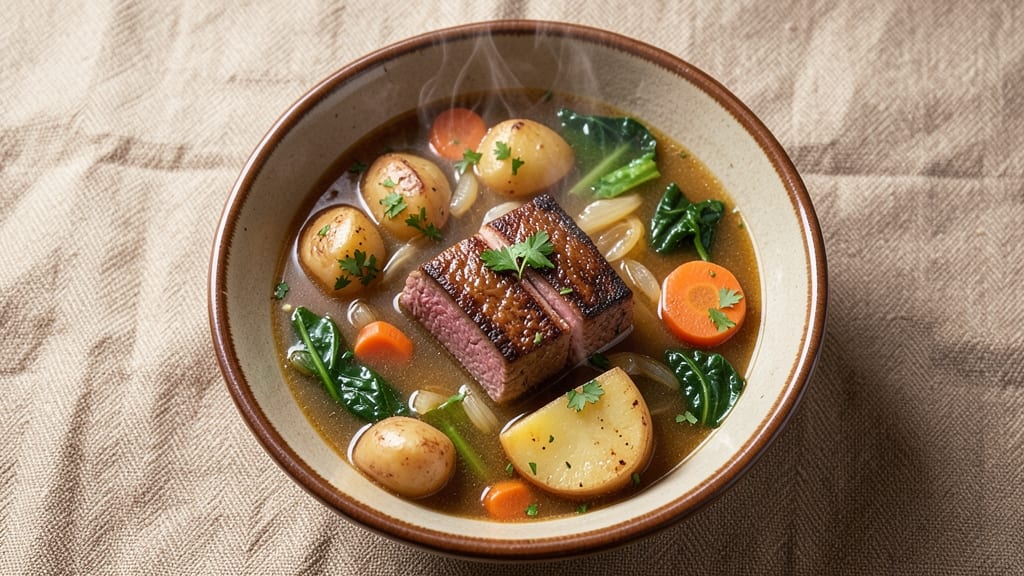
This beef and cabbage soup recipe with potatoes delivers restaurant-quality warmth in just 30 minutes, perfect for chilly evenings or busy weeknights. The secret lies in a rich, slow-simmered broth that transforms tough beef into tender chunks while cabbage and potatoes soak up every flavorful drop.
I developed this one-pot version after years of testing—it’s foolproof, hearty, and requires no fancy techniques, just patience and a few simple ingredients.
The beauty of this soup is its versatility—it works equally well as a comforting family meal or a make-ahead dish that tastes even better the next day. Aromatic vegetables like carrots and onions form the flavor base, while garlic and bay leaves add depth without overpowering.
The beef simmers until fork-tender, and the potatoes achieve that perfect creamy texture without turning mushy, thanks to a precise cooking time.
What you’ll end up with is a steaming bowl of soup that’s packed with protein, fiber, and satisfying texture—crisp edges on the cabbage, tender beef, and fluffy potatoes all swimming in a savory broth.
The best part? It’s a true one-pot meal, meaning minimal cleanup and maximum flavor. This recipe is designed to impress even if you’re new to soup-making, with clear steps that ensure success every time.
Serve it with crusty bread to soak up every last drop or store leftovers in the fridge for up to 4 days. The flavors only deepen as it sits, making it ideal for meal prep. Let’s get started—your table (and taste buds) will thank you.
Ingredients for beef and cabbage soup recipe with potatoes
Hearty beef and cabbage with tender potatoes—just 14 simple ingredients for a one-pot wonder.
| Ingredient | Amount | Notes |
|---|---|---|
| Beef Chuck Roast 🥩 | 1 ½ lb | Pre-cut into 1-inch cubes |
| Yellow Onion 🧅 | 1 whole | Medium size, chopped |
| Carrots 🥕 | 3 medium | Peeled, sliced into rounds |
| Garlic Cloves 🧄 | 4 cloves | Minced or finely chopped |
| Green Cabbage 🥬 | 1 small | Cored, chopped into wedges |
| Russet Potatoes 🥔 | 3 medium | Peeled, cut into 1-inch cubes |
| Beef Broth 💧 | 4 cups | Low-sodium preferred |
| Tomato Paste 🍅 | 2 tbsp | For depth of flavor |
| Bay Leaves 🌿 | 2 whole | Fresh preferred |
| Dried Thyme 🌿 | 1 tsp | Or 1 tbsp fresh thyme |
| Salt 🧂 | 1 ½ tsp | Kosher or sea salt |
| Black Pepper 🌶️ | ½ tsp | Freshly ground |
| Olive Oil 🫒 | 2 tbsp | For sautéing |
| Fresh Parsley 🌿 | ¼ cup | Chopped, for garnish |
The beef is where the magic happens. Chuck roast gives you that melt-in-your-mouth texture—sirloin stays tough. Grab the pre-cut cubes from the grocery store meat section to save time, or ask your butcher to cube it for you. Costco or Trader Joe's usually have it ready to go. Look for good marbling—those little white flecks mean more flavor. The potatoes? Russets are ideal—they hold up best to long cooking. Peel and cube them while they're cold for cleaner cuts. And that cabbage? Green is classic, but red adds a nice color contrast if you're feeling fancy.
No beef broth on hand? Water plus 2 beef bouillon cubes works in a pinch, but you'll lose some depth. Fresh thyme is ideal, but dried at one-third the amount gets you close. The tomato paste might sound like overkill, but just 2 tablespoons adds that rich, umami base that makes everything sing. Short on carrots? Celery works too—just chop it into similar-sized pieces. And that fresh parsley? Skip it if you're in a rush—the soup still tastes amazing without it. The key is balancing the flavors, so taste as you go and adjust the salt and pepper at the end.
This soup tastes even better the next day—3-4 days in the fridge with the flavors melding beautifully. For meal prep, double the batch and freeze half. Portion into containers with a layer of broth on top to prevent a skin from forming. Reheat gently on the stove with a splash of water or broth to loosen it up. Serve with crusty bread or a simple green salad to round out the meal. Leftovers reheat perfectly—just stir in a little extra broth if it's too thick after sitting.
Why You'll Love This Recipe
- One-Pot Wonder: I swear by this recipe when I’m too tired to wash a million dishes. Chuck it all in one pot—beef, cabbage, potatoes—and let the slow simmer do the work. The onions caramelize right in the broth, so you don’t even need to fuss with a separate pan.
- Deep, Savory Magic: That slow-cooked beef chuck? It practically melts into the broth, while the garlic and carrots build layers of flavor you won’t find in instant soup mixes. The cabbage gets tender but still holds its bite—honestly, it’s the kind of taste that makes you slow down and savor every spoonful.
- Leftovers That Don’t Suck: Between us, most soups turn sad after day two. Not this one. The potatoes soak up the rich broth, and the beef stays juicy if you reheat it gently. I make a double batch on Sundays because it’s still hearty enough for lunch the next day—no sad, watery afterthoughts here.
- Budget Meal for Busy Nights: A chuck roast is cheaper than steak, and cabbage stretches further than you’d think. I’ll be real: this is my go-to when I’m stretched thin but still want something filling and satisfying. Plus, the carrots and onions add color without breaking the bank—simple, smart, and still feels special.
Step-by-step instructions for beef and cabbage soup with potatoes
This hearty soup comes together in one pot with minimal effort—rich beef, tender cabbage, and creamy potatoes in every bowl.
Sear the Beef Chuck Roast
Heat the 2 tablespoons olive oil in a large Dutch oven or heavy pot over medium-high heat. Add the 1.5 lb beef chuck roast cut into 1-inch cubes, working in batches if needed to avoid crowding. Let each piece sear undisturbed for 2-3 minutes until deeply browned on all sides—this builds incredible flavor. You'll see those beautiful crusty edges form, which will dissolve into the broth later, creating depth.
Once all the beef is browned, transfer it to a plate. The reason we don't overcrowd the pan is simple: crowded meat steams instead of sears, and that's when flavor gets lost. Keep the browned bits—they're pure gold for your soup. If your pot has any excess oil, wipe it out with a paper towel; we want that fat to render into the broth for richness.
Sauté Vegetables and Build the Base
In the same pot, add the 1 whole yellow onion and 3 medium carrots (sliced into rounds). Cook for 5 minutes until the onions soften and the carrots begin to caramelize slightly. Here's where the magic happens: those sweet, golden edges on the carrots will make your soup taste like it simmered all day.
Add the 4 cloves minced garlic and stir for 30 seconds until fragrant—don't let it burn, or you'll taste bitter garlic instead of sweet. Then stir in the 2 tablespoons tomato paste and cook for another 1 minute, letting it darken slightly. This step develops the umami foundation for your soup. If you notice the tomato paste sticking to the bottom, add a splash of beef broth to loosen it.
Simmer the Soup for Rich Flavor
Return the beef to the pot and add the 4 cups beef broth, 2 whole bay leaves, 1 teaspoon dried thyme, 1.5 teaspoons salt, and 0.5 teaspoon black pepper. Stir gently to combine, then bring the mixture to a boil over high heat. Once boiling, reduce the heat to low and let it simmer uncovered for 20 minutes. This initial simmer breaks down the beef, infusing the broth with deep, savory flavor.
Here's the thing—I know it's tempting to rush, but don't skip this step. The beef needs time to tenderize, and the broth needs to develop its complex taste. You'll see the surface foam slightly as it simmers; this is normal and actually helps concentrate the flavors. After 20 minutes, you should notice the beef is beginning to pull apart easily with a fork, and the broth is taking on a rich, reddish hue.
Add Potatoes and Cabbage
Add the 3 medium russet potatoes (cut into 1-inch cubes) and 1 small green cabbage (chopped into wedges) to the pot. Stir gently to distribute them evenly. The potatoes will need about 15-20 minutes to cook through, while the cabbage will soften more quickly. Here's a pro tip: if your cabbage is particularly dense, you can roughly chop it into smaller pieces to ensure even cooking.
Continue simmering on low heat for another 15 minutes, stirring occasionally. You'll know it's ready when the potatoes are fork-tender (they should pierce easily with no resistance) and the cabbage has softened but still holds its shape. If the soup starts to reduce too much, add a splash of water or broth to keep it at a gentle simmer. The goal is tender vegetables with just enough broth to coat them—this soup should be hearty, not watery.
Finish and Serve
Once everything is tender, remove the 2 bay leaves and discard them. Taste the soup and adjust the seasoning if needed—this is your last chance to balance the flavors. I usually add a pinch more salt or a crack of black pepper here, depending on how strong the broth is. The soup should be rich, savory, and slightly tangy from the tomato paste, with a deep beefy flavor that makes your mouth water.
Ladle the soup into bowls and garnish each serving with 0.25 cup chopped fresh parsley. The parsley adds a bright, fresh contrast to the hearty flavors and makes the soup look stunning. Serve immediately with crusty bread to soak up every last drop of that delicious broth. This soup tastes even better the next day as the flavors meld together, so make extra if you can—it's the kind of meal that warms you from the inside out.
Pro Tips For Making Beef And Cabbage Soup Recipe With Potatoes
- Sear the Chuck First: I learned this the hard way—skipping the sear means flavorless beef. Pat the chuck dry, then hit it with high heat in your pot until deep brown crusts form. That crust locks in juices and builds the soup’s foundation.
- Cut Cabbage Small: Big chunks of cabbage stay tough and bitter. Instead, slice it into 1-inch pieces—small enough to soften quickly but still hold shape. (Yes, even if it looks messy—your future self will thank you.)
- Salt the Potatoes Early: Add potatoes with the onions and carrots, not at the end. A pinch of salt right away keeps them from turning mushy while cooking. No one wants sad, waterlogged spuds in their soup.
- Use a Dutch Oven: This isn’t just for show—it’s the only way to get even cooking without scorching. The thick base handles the beef’s initial sear and keeps the broth from boiling over while the cabbage cooks. (Skip this, and you’re fighting the pot the whole time.)
Pro cooking tips for this recipe
Searing Secrets
Don’t skip searing the beef—this step builds deep, caramelized flavor that transforms your soup from good to extraordinary. Use medium-high heat and let each piece develop a deep brown crust before moving it to a plate.
I recommend working in batches if needed to avoid crowding the pan, which can cause steaming instead of searing. The browned bits that stick to the pot are flavor gold—don’t wipe them out completely! Just blot any excess oil with a paper towel after removing the beef. 🔥
Vegetable Timing
Add potatoes 15 minutes before the cabbage finishes cooking—they need that extra time to become creamy without turning to mush. Cut them into even 1-inch cubes for consistent doneness. For the cabbage, chop it into wedge-sized pieces (about 1-inch thick) so they soften evenly without turning to sludge.
If your cabbage is particularly dense, give it a rough chop to speed up cooking. Stir occasionally to prevent sticking to the pot.
Broth Balance
Start with 4 cups of beef broth, but have extra on hand—this soup should be hearty but not watery. If it reduces too much during simmering, add ¼ cup broth or water at a time to maintain the right consistency.
Taste the broth after the initial 20-minute simmer and adjust salt and pepper before adding the potatoes. The goal is a rich, flavorful base that lets the beef and vegetables shine without overpowering them.
Low-and-Slow Wins
Resist the urge to crank the heat—low and slow is key for tender beef and perfectly cooked potatoes. After adding the potatoes and cabbage, maintain a gentle simmer (small bubbles occasionally breaking the surface).
If the soup boils vigorously, reduce the heat immediately to prevent the potatoes from breaking apart. This method ensures fork-tender beef and creamy potatoes without sacrificing texture. Patience here makes all the difference! ⏳
Flavor Boosters
For an extra layer of depth, add 1 teaspoon Worcestershire sauce when you return the beef to the pot, or stir in ½ cup red wine during the initial simmer. Both add umami complexity that elevates the soup.
If you love smoky flavors, swap one bay leaf for a smoked paprika sprinkle (½ teaspoon) when sautéing the vegetables. The tomato paste is non-negotiable—it’s the secret weapon for that savory, slightly tangy base that makes this soup unforgettable.
Make-Ahead Magic
This soup tastes even better the next day as the flavors meld together. Let it cool completely, then store in an airtight container in the fridge for up to 4 days. For freezer storage, portion into quart-sized bags with 1 inch of headspace to prevent expansion cracks.
When reheating, warm on the stove over medium-low heat with a splash of broth—never microwave, as it can turn the potatoes gummy. The leftovers reheat beautifully, making this a perfect meal-prep dish. 💫
Nutrition facts
Frequently asked questions
Can I use a different cut of beef besides chuck roast?
Yes, but with adjustments! Short ribs work beautifully—they add extra richness but require 30-40 minutes longer simmering time. Sirloin tips are leaner and cook faster (15 minutes less), but may stay slightly firmer. For best results, choose cuts with some fat marbling. Avoid tender cuts like filet mignon—they'll turn mushy.
How do I prevent the potatoes from turning mushy?
Cut them into even 1-inch cubes and add them 15 minutes before the cabbage finishes cooking. Use low heat and stir occasionally to prevent sticking. If your soup gets too thick, add ¼ cup broth at a time. The key is gentle simmering—never boiling vigorously. For extra insurance, parboil the potatoes for 3 minutes before adding to the soup.
Can I make this soup in an Instant Pot?
Sear the beef first in a separate pan, then add all ingredients to the Instant Pot. Cook on high pressure for 15 minutes, then quick-release. The cabbage will be slightly softer than stovetop, but the potatoes and beef will be perfectly tender. For extra flavor, sauté the onions and carrots for 3 minutes before adding liquids.
What if I don't have beef broth?
Use 4 cups water plus 2 beef bouillon cubes for a quick substitute, but the flavor won't be as deep. For better results, make a quick broth by simmering 1 lb beef bones with 1 onion and 2 carrots in 4 cups water for 30 minutes, then strain. The homemade version adds incredible richness.
How can I make this soup spicier?
Add ½ teaspoon red pepper flakes when sautéing the vegetables, or stir in 1 teaspoon hot sauce at the end. For smoky heat, add ½ teaspoon smoked paprika with the tomato paste. If you love chili, swap one bay leaf for 1 dried chili pepper.