
Soups & Stews
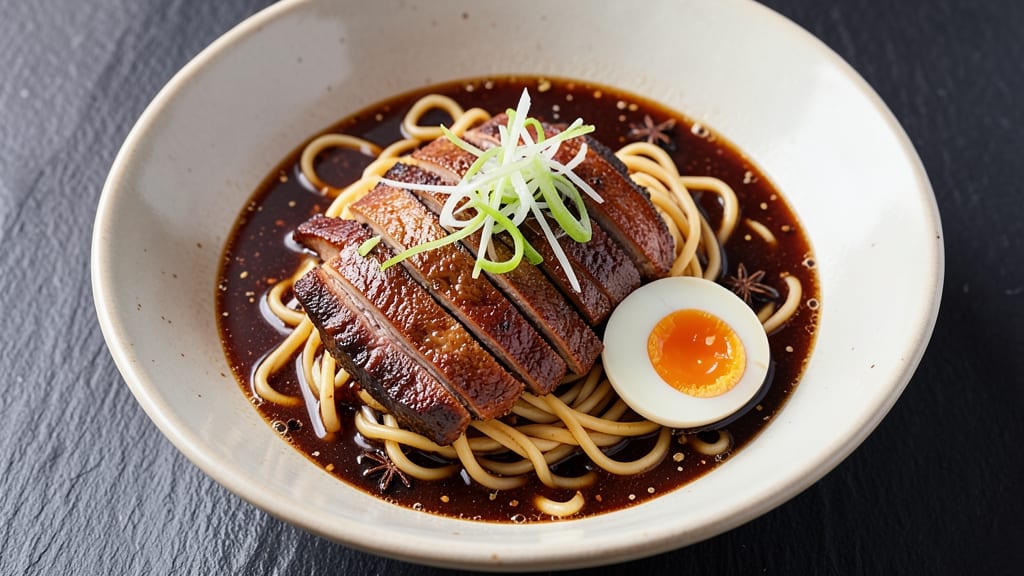
This Hong Kong-style beef brisket noodle soup delivers deep, slow-braised beef and silky egg noodles in every spoonful—a dish that balances rich umami with comforting simplicity. 💛 The secret lies in braising the brisket until fork-tender while building a fragrant broth with star anise, soy sauce, and fermented bean paste, all layered with fresh herbs at the end.
I developed this recipe after years of perfecting the texture contrast: melt-in-your-mouth beef, chewy noodles, and a broth so flavorful it disappears before you realize you're drinking it.
What sets this apart is the authentic Hong Kong technique—using a combination of soy sauce and oyster sauce for depth, while keeping the broth clear enough to let the beef shine. The egg noodles are wide and flat, designed to soak up the rich flavors without turning mushy.
Unlike quicker versions, this recipe requires patience: the brisket braises for hours until it falls apart, creating a dish that tastes even better the next day when flavors meld completely.
By the time you serve it, you'll have a steaming bowl of restaurant-quality soup with perfectly tender beef, silky noodles, and a broth that's aromatic without being overpowering. The finishing touches—fresh cilantro, scallions, and a drizzle of chili oil—add brightness and a hint of heat to cut through the richness.
This is the kind of soup that transforms a simple meal into a memorable experience, especially on chilly evenings when you crave warmth and depth.
Whether you're serving a family gathering or a solo comfort meal, this recipe scales beautifully while maintaining its balance of flavors. The leftovers reheat even better, making it ideal for meal prep. Let's bring the soul of Hong Kong into your kitchen with this timeless classic.
Ingredients for beef brisket noodle soup hong kong
Pantry staples meet authentic Hong Kong flavors—just 15 ingredients for restaurant-quality soup.
| Ingredient | Amount | Notes |
|---|---|---|
| Beef Brisket 🥩 | 2 lb | Well-marbled, cut into 2-inch chunks |
| Egg Noodles 🍜 | 12 oz | Wide, flat, dried noodles |
| Light Soy Sauce 🥄 | ½ cup | High-quality, low-sodium preferred |
| Oyster Sauce 🦪 | ¼ cup | Thick, rich variety |
| Fermented Bean Paste 🌶️ | 2 tbsp | Doubanjiang or hoisin sauce |
| Star Anise 🌟 | 2 whole | For aromatic depth |
| Garlic Cloves 🧄 | 6 cloves | Peeled, smashed |
| Fresh Ginger 🧅 | 2 tbsp | Grated, fresh preferred |
| Green Onions 🧅 | ½ cup | Sliced, white and green parts |
| Fresh Cilantro 🌿 | ¼ cup | Chopped, for garnish |
| Sesame Oil 🌰 | 1 tbsp | Toasted, for aroma |
| Chili Oil 🌶️ | 2 tbsp | Homemade or store-bought |
| Water 💧 | 8 cups | For broth base |
| Salt 🧂 | 1 tsp | Adjust to taste |
| White Pepper 🌶️ | ½ tsp | Freshly ground |
The brisket is non-negotiable for texture. Look for well-marbled cuts—ask your butcher to trim excess fat but leave the marbling intact. I always grab mine from Costco or Whole Foods because the quality is consistent. The egg noodles? Martini or King Noodle brand are my go-tos—they're wide and chewy, perfect for soaking up broth. If you can't find them, any dried egg noodle will work, but they won't be quite the same. The fermented bean paste is the umami bomb here—Trader Joe's carries a great hoisin sauce that works in a pinch, but authentic doubanjiang takes it to the next level.
No oyster sauce? Soy sauce plus a splash of fish sauce gets you close, but it won't be identical. Star anise can be tricky to find—Asian markets usually have it in the spice aisle. If you're missing it, cinnamon sticks add a similar warmth. The ginger should be fresh—dried just doesn't cut it here. For the chili oil, homemade with Sichuan peppercorns is ideal, but any chili oil will add that essential heat. The sesame oil is just for aroma—add it at the end so it doesn't cook off. And if you're short on cilantro, fresh basil or parsley works in a bind.
This soup tastes even better the next day—reheat gently on low with a splash of water to restore richness. Store leftovers in the fridge for 4-5 days or freeze for 3 months. I always make a double batch because it disappears fast. The broth freezes beautifully—just thaw and reheat before adding fresh noodles. For meal prep, portion the beef separately so it stays tender when reheated.
Why You'll Love This Recipe
- One-Pot Wonder: The brisket practically melts into the broth while you stir—no fancy techniques, just a pot, a knife, and 20 minutes. That fermented bean paste? It’s the secret that turns simple soy and oyster sauce into something deeply savory without extra effort.
- Umami Bomb: The combo of brisket, oyster sauce, and fermented bean paste hits different—like a slow-cooked hug for your taste buds. Honestly, the first time I tasted this, I nearly burned my mouth from how good it was. (Yes, even on a Tuesday night.)
- Leftover Goldmine: This soup begs to be made in bulk. The flavors only get better the next day, and reheating it? Just a splash of water and a quick stir. My freezer’s always stocked with portions—because nothing beats cold-weather comfort.
- Budget-Friendly Feast: Brisket stretches across bowls, egg noodles are cheap, and a little goes a long way with those sauces. I’ll be real: this feeds four for under $15, and the leftovers? Even better. (My daughter picks out the noodles first, but still asks for seconds.)
Step-by-step instructions for beef brisket noodle soup
Here's how to create that signature Hong Kong-style richness with silky noodles and deeply flavorful beef.
🔥 Step 1: Slow-Braise the Beef Brisket for Deep Flavor
In a large pot, combine the 2 lb beef brisket (cut into 2-inch chunks), 8 cups water, 2 whole star anise, 6 cloves garlic cloves, and 2 tbsp fresh ginger. Bring to a boil over high heat, then immediately reduce to a gentle simmer. This initial boil helps extract impurities from the meat.
Once simmering, add 0.5 cup light soy sauce, 0.25 cup oyster sauce, 2 tbsp fermented bean paste, 1 tsp salt, and 0.5 tsp white pepper. Cover and let it cook for 2 hours on low heat. You'll know it's ready when the beef is fork-tender and the broth has reduced to about half its original volume, creating a rich, caramelized sauce.
🍳 Step 2: Build the Aromatic Broth Base
After the initial braise, remove the beef and strain the broth through a fine-mesh sieve into a clean pot. Discard the solids (except for the star anise if you want extra depth). Return the broth to the pot and bring it back to a gentle simmer. This step concentrates the flavors even further.
Here's the thing—this is where the magic happens. The reduced broth should be deep amber in color and smell intensely of the aromatics. If it's not rich enough, simmer uncovered for another 10-15 minutes to reduce it further. The goal is a thick, syrupy consistency that coats the back of a spoon.
🥘 Step 3: Prepare the Silky Noodles
While the broth simmers, cook the 12 oz egg noodles in a separate pot of salted boiling water for 1 minute less than the package instructions. The noodles should be al dente—they'll finish cooking in the hot broth. Drain and set aside, tossing with 1 tbsp sesame oil to prevent sticking.
Real talk: Don't overcook these noodles. They should have a slight bite when you bite into them. The residual heat from the hot broth will finish them perfectly. Keep them covered with a damp towel to maintain warmth while you assemble the soup.
🍽️ Step 4: Assemble and Finish with Signature Touches
Return the braised beef to the pot with the reduced broth. Add the cooked noodles and gently stir to combine. Let it simmer together for 2-3 minutes—just enough to heat through and infuse the noodles with the rich beef flavor. The broth should now coat the noodles beautifully.
Finally, divide the soup among bowls. Garnish each serving with 0.5 cup sliced green onions and 0.25 cup chopped fresh cilantro. Drizzle with 2 tbsp chili oil just before serving. The chili oil should float on top, adding a spicy, aromatic finish that's pure Hong Kong street-food vibes.
Pro Tips For Making Beef Brisket Noodle Soup Hong Kong
- Sear the Brisket First: I learned this the hard way—skipping the sear means flavor hiding in the broth instead of shouting. Hit the brisket with a screaming-hot pan (no oil needed) until deep brown crust forms on all sides. That’s where the Maillard reaction turns your soup from good to "I’ll make this every week."
- Bloom the Fermented Bean Paste: Don’t just toss it in. Heat 1 tablespoon of oil in the pot first, then add the fermented bean paste and stir for 30 seconds until it smells like a Hong Kong alley at noon. This step unlocks its umami bomb potential—your broth will thank you.
- Don’t Crowd the Noodles: Yes, it’s tempting to dump all the egg noodles in at once, but they’ll turn mushy. Cook them in batches—about 1/3 of the total—so they get that perfect al dente bite. Slurp-worthy texture matters more than speed.
- Use Cold Water for Noodles: Sounds weird, but it works: boil water, then add cold noodles to lower the temp instantly. This prevents them from overcooking while you finish the broth. Trust me, your future self will notice the difference when they’re still firm but tender.
Pro cooking tips for great beef brisket noodle soup hong kong
Braising Temperature Control
The key to tender brisket is maintaining a consistent low heat—around 300°F—throughout the 2-hour braise. 🌡️ Use a meat thermometer to monitor the internal temperature; aim for 195-205°F when the beef is fork-tender.
If your pot lacks a lid, cover with heavy-duty aluminum foil to trap steam and speed up the process. I swear by a Lodge Dutch oven for even heat distribution and easy cleanup.
Broth Reduction Secrets
Don’t rush the broth reduction—this is where the deep umami flavor develops. Simmer uncovered on medium-low heat until it reaches a syrupy consistency (about 30-40 minutes). The color should turn amber, and it should coat the back of a spoon.
If it reduces too quickly, add 1-2 tbsp water to maintain control. A fine-mesh sieve is non-negotiable for straining—it removes impurities while keeping the aromatic oils intact.
Noodle Timing Tricks
Cook the noodles 1 minute less than package instructions—they’ll finish in the hot broth. Toss them with 1 tbsp sesame oil immediately after draining to prevent sticking and add a subtle aroma. Keep them covered with a damp towel while assembling the soup to maintain warmth.
Pro tip: If the noodles seem dry, add 2 tbsp hot broth to the pot before serving—it’ll revive their chewiness instantly. 🍜
Layering Flavors
Add fermented bean paste and star anise early to infuse the broth, but chili oil and sesame oil should go in last—5 minutes before serving. This preserves their bright, aromatic qualities without cooking off.
For extra depth, toast the whole star anise in a dry pan for 30 seconds before adding it to the broth. The nutty aroma will elevate the entire dish.
Garnish Like a Pro
Fresh cilantro and green onions should be added right before serving—they wilt quickly in hot broth. Use sharp scissors to slice the green onions into ¼-inch pieces for even distribution.
For a restaurant-style finish, drizzle chili oil in a zigzag pattern over each bowl. A sprinkle of toasted sesame seeds adds texture and visual appeal—just ½ tsp per serving. 🌟
Leftovers Hack
This soup tastes even better the next day—reheat on low heat with 2 tbsp water to restore richness. Store in an airtight container in the fridge for 4-5 days or freeze for 3 months.
To reheat from frozen, thaw overnight in the fridge, then warm on low heat until steaming. The broth will thicken slightly, so add 1-2 tbsp water if needed. Trust me, your taste buds will thank you. ⏰
Nutrition facts
Frequently asked questions
Can I substitute beef brisket with another cut of beef?
While brisket is ideal for its marbling and tenderness, you can use chuck roast or short ribs in a pinch. Cut the meat into similar-sized chunks and braise for 30-60 minutes longer until fork-tender. Avoid lean cuts like sirloin—they won't develop the same rich texture. The key is fat content for flavor and moisture.
Why does my broth taste bitter?
Bitterness usually means the broth reduced too aggressively or the beef released impurities. Always start with a rolling boil to remove scum, then simmer gently. If it's still bitter, strain again through a cheesecloth-lined sieve or add 1 tsp sugar to balance flavors. Never skip the initial boil—it's non-negotiable for clarity.
How do I make this soup spicier?
Double the chili oil to 4 tbsp per serving or add 1 tsp chili flakes during the final simmer. For heat lovers, stir in 1 tbsp sambal oelek with the sesame oil. Remember: chili oil should be added last to preserve its kick. If using dried chilies, toast them first for deeper flavor.
Can I make this soup in an Instant Pot?
Yes! Use the High Pressure setting for 90 minutes with 2 cups liquid (instead of 8 cups). After cooking, strain the broth, then reduce it on the stove to syrupy consistency. The beef will be tender but may need 10-15 minutes extra braising on low heat to develop the same depth of flavor. Pressure cooking skips the slow reduction phase.
What's the best way to serve this soup?
Serve in deep bowls with steaming hot broth and a generous garnish of green onions and cilantro. For a complete meal, pair with steamed bok choy or pickled vegetables to cut through the richness. In Hong Kong, it's often served with sticky rice on the side—great for soaking up extra broth!