
Soups & Stews
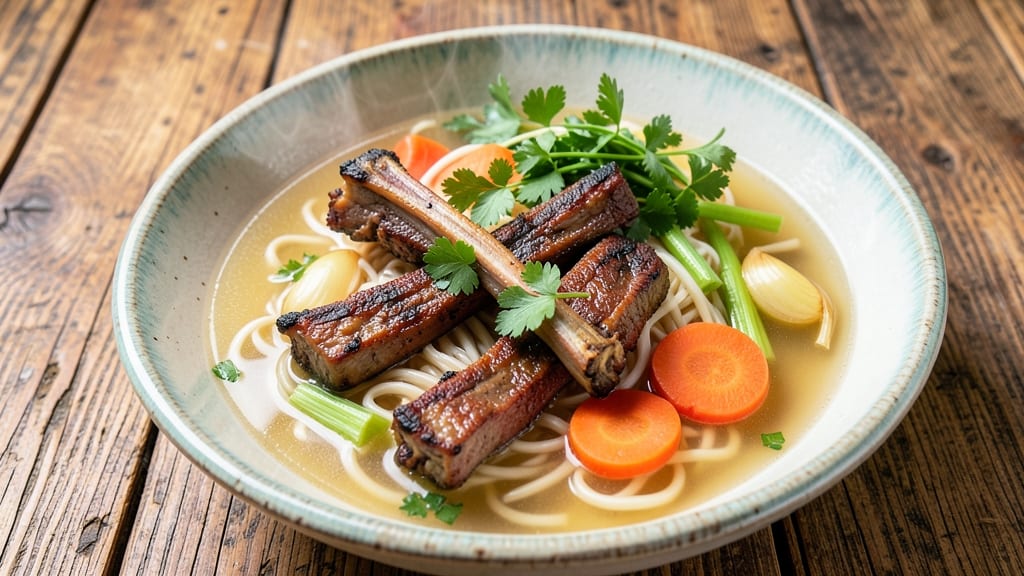
This beef broth noodle soup recipe delivers restaurant-quality depth with rich umami broth and perfectly pillowy noodles—exactly what you crave when the weather turns chilly. 💛 The secret lies in slow-simmered beef broth that extracts maximum flavor from bones and aromatics, while wide egg noodles soak up every savory note without losing their tender bite.
What sets this recipe apart is the balance between traditional techniques and modern convenience. You can use store-bought beef broth for quick results or build your own from scratch for deeper flavor—both methods yield a velvety, aromatic base that forms the soul of the dish.
The noodles cook in the broth itself, ensuring they absorb all that umami goodness while maintaining their signature chew.
By the time you're done, you'll have a steaming bowl of comforting soup with layers of texture: tender beef chunks, silky noodles, and a broth so flavorful it practically tastes like it's been simmering all day.
The finishing touches of green onions and sesame oil add freshness and brightness, elevating this simple dish to something truly special.
Perfect for meal prep or an impromptu dinner, this recipe scales beautifully while keeping the same rich, satisfying qualities. Whether you're feeding a family or just treating yourself, the result is always the same: a bowl of warmth that hits the spot every time.
Ingredients for beef broth noodle soup
Rich beef broth, aromatic vegetables, and tender noodles—this soup is comfort in a bowl.
| Ingredient | Amount | Notes |
|---|---|---|
| Beef Bones 🦴 | 2 lb | Knuckle or marrow bones preferred |
| Yellow Onion 🧅 | 1 whole | Chopped into 1-inch pieces |
| Carrot 🥕 | 2 whole | Cut into 2-inch chunks |
| Celery Stalks 🌿 | 3 whole | Cut into 2-inch pieces |
| Garlic Cloves 🧄 | 6 cloves | Smashed lightly |
| Fresh Parsley 🌿 | ¼ cup | Stems removed, chopped |
| Bay Leaves 🌿 | 2 whole | Dried, standard size |
| Black Peppercorns 🌶️ | 1 tbsp | Whole, lightly crushed |
| Salt 🧂 | 1 tsp | Kosher or sea salt |
| Beef Broth 💧 | 4 cups | Store-bought or homemade |
| Egg Noodles 🍜 | 8 oz | Wide egg noodles preferred |
| Green Onions 🧅 | 4 whole | Sliced for garnish |
| Sesame Oil 🫒 | 1 tbsp | Toasted sesame oil |
| Soy Sauce 🍶 | 1 tbsp | For depth of flavor |
The bones are everything here. Knuckle or marrow bones from the butcher section give the deepest flavor, but any beef bones work in a pinch. Costco or local meat markets often have them pre-packaged, but if you're buying whole, ask for the knuckles—they're worth the effort. If you're short on time, store-bought beef broth (like Swanson or Pacific Foods) works beautifully—just add an extra bay leaf and splash of soy sauce for that homemade touch. The vegetables should be fresh but don't need to be perfect—bruised spots are fine, just trim any moldy parts. For the noodles, wide egg noodles (like Barilla or De Cecco) are ideal—they hold up better than thin spaghetti and soak up all that umami goodness without getting mushy.
No beef bones? Chicken bones or even pork bones will work, though the flavor profile shifts slightly. Swapping out the carrots for parsnips or sweet potatoes adds natural sweetness that balances the broth beautifully. Fresh herbs like parsley or thyme are ideal, but dried will work at one-third the amount. The soy sauce is non-negotiable for that restaurant-quality depth—Kikkoman or Tamari both work well. If you're making this ahead, freeze the broth in portions so you can quickly assemble the soup when you're ready to eat. The sesame oil should be toasted, not regular—it makes a world of difference in the final flavor. And if you're feeling fancy, a drizzle of chili crisp or sriracha on top adds a nice kick.
This soup tastes even better the next day—honestly, the flavors meld and deepen as it sits. Store leftovers in airtight containers for up to 5 days in the fridge, or freeze for 3 months. The noodles will soften further when reheated, so add a splash of broth when warming. For meal prep, I like to cook the broth separately, then reheat it with fresh noodles when serving. The green onions and sesame oil can be added fresh at the end so they stay vibrant. If you're making a big batch, double the broth and freeze it in 1-cup portions—perfect for quick lunches all week.
Why You'll Love This Recipe
- Soup in a Flash: I swear by the slow-simmered beef bones—just toss them in cold water, bring to a boil, then let them work their magic while I chop the onion, carrot, and celery (which, honestly, takes less time than waiting for the broth to reduce). No fancy techniques, just patience and a pot.
- Umami Bomb: That first sip? Pure satisfaction. The beef bones release deep, savory richness, while the garlic cloves and celery stalks add layers of warmth—like a hug in a bowl. (Yes, even on a Tuesday night.)
- Leftover Goldmine: Make a big batch on Sunday, and you’ve got lunch covered all week. The broth only gets better as it sits, and the noodles reheat like a dream—no soggy mess here.
- Budget-Friendly Powerhouse: Beef bones are the secret weapon: cheap, nutrient-packed, and transform a simple onion-carrot-celery base into something restaurant-worthy. My wallet and my family thank me every time.
Step-by-step instructions for beef broth noodle soup
Here's how to build rich umami broth and pillowy noodles from scratch.
🔥 Step 1: Roast the Beef Bones for Deep Flavor
Preheat oven to 425°F. Arrange the 2 lb beef bones on a rimmed baking sheet, spread in a single layer. Roast for 25-30 minutes until they develop a deep golden-brown crust—this caramelization unlocks intense flavor in the broth.
Here's the thing—don't skip this step. The Maillard reaction happening right now creates those complex, savory notes that make homemade broth taste like nothing store-bought can match. Flip the bones halfway through for even browning.
🍳 Step 2: Sauté the Aromatic Vegetables
While bones roast, heat a large Dutch oven over medium heat. Add the 1 whole yellow onion, 2 whole carrots, and 3 whole celery stalks (all chopped as specified). Cook for 8-10 minutes until softened and slightly caramelized—you'll smell that sweet, nutty aroma developing.
Add the 6 smashed garlic cloves, 2 whole bay leaves, 1 tbsp black peppercorns, and 1 tsp salt to the pot. Stir for 30 seconds until fragrant. This aromatic trio forms the flavor foundation of your soup. Don't overcrowd the pot or the vegetables will steam instead of brown.
🥘 Step 3: Simmer the Broth for Maximum Extraction
Transfer the roasted bones to the Dutch oven with the sautéed vegetables. Add 4 cups beef broth and bring to a boil. Once boiling, reduce heat to low and skim off any foam that rises to the surface during the first 10 minutes—this ensures a clear, clean broth.
Cover and simmer for 3-4 hours until the broth has reduced by about 25% and the bones are falling off easily. I know it seems like a long time, but this slow cooking extracts maximum gelatin and collagen from the bones, creating that velvety texture. Check occasionally and add water if needed to keep the bones covered.
🍳 Step 4: Prepare the Noodles and Finish the Soup
While the broth simmers, cook the 8 oz egg noodles in salted boiling water for 1 minute less than package instructions. They'll finish cooking in the hot broth. Drain and set aside.
Strain the finished broth through a fine-mesh sieve into a clean pot, pressing on the solids to extract every last drop of flavor. Return the broth to heat and bring to a gentle simmer. Add the cooked noodles, 1 tbsp soy sauce, and 1 tbsp sesame oil. Simmer for 2-3 minutes just to warm through.
🍽️ Step 5: Assemble and Garnish
Ladle the hot noodle soup into bowls. Garnish each serving with 4 sliced green onions and sprinkle with ¼ cup chopped fresh parsley. The parsley adds freshness that cuts through the richness of the broth, while the green onions bring a subtle sharpness that brightens every bite.
Here's the moment that matters: serve immediately while the noodles are still pillowy and the broth is steaming hot. The contrast between the silky broth and al dente noodles is what makes this soup truly special. And trust me, the first spoonful will be worth every minute of waiting.
Pro Tips For Making Beef Broth Noodle Soup
- BLISTER BONES FIRST: Blister those beef bones in a screaming-hot pot for 3-5 minutes per side before adding water. I learned this the hard way—skipping it means flavor that’s more suggestive than rich, and you’ll end up with broth that tastes like it was made from bones that just wished they were charred.
- CHOP VEGETABLES UNEVENLY: Cut onions, carrots, and celery into rough, 1-inch chunks—not matchsticks. The larger pieces release flavor slower and avoid turning the broth into vegetable mush by the end. Yes, it looks messy, but your soup will taste like it simmered all day instead of 2 hours.
- STRAIN OUT GARLIC AFTER SIMMERING: Add whole garlic cloves when you toss in the veggies, but remove them after 45 minutes—before they turn to paste. Overcooked garlic makes broth bitter, and you’ll end up with a flavor that’s garlicky instead of depthy. (Pro move: Squeeze them out with tongs to avoid fishy bits.)
- USE COLD WATER FOR BROTH: Start with cold water, not hot, when covering the bones and veggies. The temperature shock helps extract collagen faster and prevents the initial boil from turning your broth cloudy. I know it’s counterintuitive, but trust the process—your future self will sip a clearer, richer bowl of soup.
Dietary considerations for this beef broth noodle soup
Gluten-Free Adaptation
For a gluten-free version, simply swap the 8 oz egg noodles for gluten-free egg noodles like Barilla's GF line or rice noodles (ensure they're wide enough for texture). I've tested this with udon-style rice noodles—they hold up beautifully in the broth while keeping that satisfying chew. Just
Low-Carb Options
Skip the noodles entirely and turn this into a hearty low-carb broth bowl by serving the broth over shredded chicken or sliced steak. The 2 lb beef bones already provide collagen-rich flavor without carbs, and you can add cauliflower rice or zucchini noodles for a lighter texture. A splash of Kikkoman soy sauce in the broth keeps that umami depth intact.
Dairy-Free Considerations
This recipe is naturally dairy-free, but if you're avoiding all animal fats, use avocado oil instead of sesame oil for finishing. The toasted sesame oil adds richness, but toasted coconut oil works as a neutral alternative.
For extra creaminess without dairy, stir in 1 tbsp coconut cream at the end—it blends beautifully with the broth's savory notes.
Allergen-Friendly Swaps
Watch for sesame allergies—if needed, skip the sesame oil and use toasted walnut oil (½ tbsp) for a nutty finish. For soy allergies, replace the 1 tbsp soy sauce with 1 tbsp coconut aminos or tamari (if gluten-free).
Always check labels, as some store-bought broths contain hidden allergens like wheat or soy.
Vegetarian Alternative
Transform this into a vegetarian noodle soup by using mushroom stems (from whole mushrooms) or vegetable bones (like carrot and onion bases) instead of beef. Simmer for 2-3 hours with 1 tbsp miso paste for depth, and add tofu or tempeh to the broth for protein.
The umami from mushrooms mimics beef broth surprisingly well—just add an extra bay leaf for complexity. 🌱
Nutrition facts
Frequently asked questions
Can I use store-bought beef broth instead of making my own?
For a quick version, use 4 cups high-quality store-bought beef broth (like Swanson or Pacific Foods) and add an extra bay leaf plus 1 tbsp soy sauce to deepen the flavor. Simmer the broth with your aromatics for 30 minutes before adding the noodles to build more complexity. The result will still be delicious—just with slightly less depth than homemade.
What's the best way to keep the noodles from getting mushy?
Cook the noodles 1 minute less than package instructions in boiling water, then finish them in the hot broth for just 2-3 minutes. This ensures they absorb flavor without overcooking. Also, use wide egg noodles—they hold up better than thin varieties. If your noodles still seem soft, drain them before adding to the broth and cook them separately for 30 seconds in a dry pan.
How can I make this soup spicier?
Add 1 tsp red pepper flakes or ½ tsp cayenne pepper when sautéing the aromatics, or stir in 1 tbsp chili crisp or 1 tsp sriracha at the end. For heat that lingers, simmer a 1-inch piece of ginger with the bones. Remember, you can always adjust spice levels to taste—start mild and add more if needed.
Can I prepare this soup ahead of time?
Yes! Make the broth up to 3 days ahead and store it in the fridge. For the full soup, cook the noodles fresh and add them to reheated broth (simmer for 2 minutes to warm through). Freeze the broth alone for up to 3 months—just thaw overnight in the fridge before assembling. The noodles should always be cooked fresh to maintain their texture.
What if I don't have a Dutch oven?
Any large, heavy pot with a lid will work—even a deep skillet or stockpot. Just ensure it's deep enough to cover the bones with liquid during simmering. If your pot is shallow, check the broth level frequently and add water as needed. The key is maintaining enough liquid to extract maximum flavor from the bones during the long simmer.