
Soups & Stews
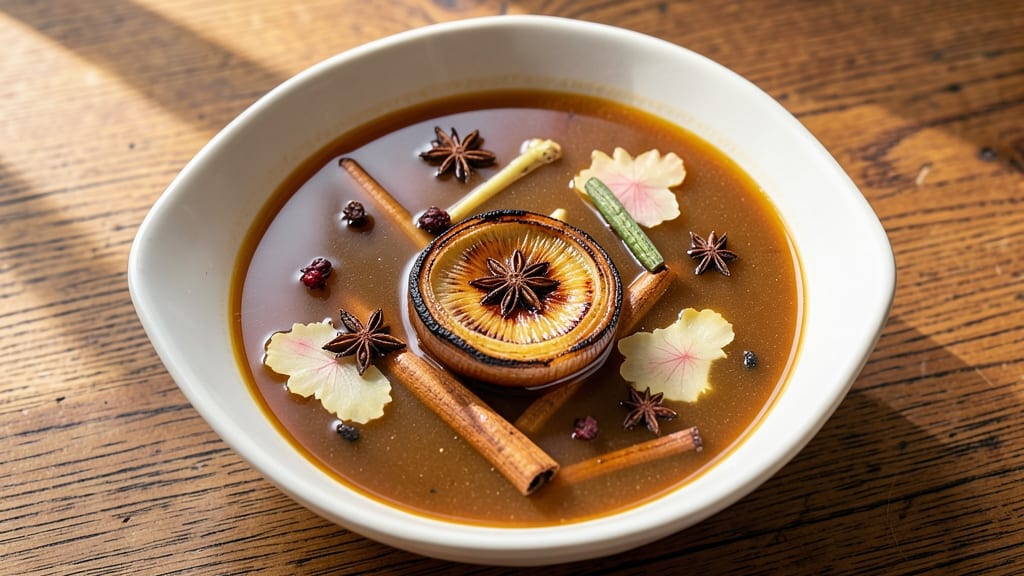
This beef-flavored pho soup base recipe unlocks the deep, aromatic essence of traditional Vietnamese broth—concentrated into a versatile paste or reduction that transforms any bowl of pho into a restaurant-quality experience.
The secret lies in slow-simmered spices like star anise, cinnamon, and cloves, which infuse the broth with layers of warmth and complexity, while beef bones (or substitutes) deliver unmatched umami depth.
What sets this recipe apart is its efficiency: in just 30 minutes of active time, you’ll create a rich, concentrated base that can be stored for weeks and used to elevate pho, ramen, or even braised dishes.
The process involves simmering aromatic spices with beef bones (or a high-quality beef stock substitute), then reducing the liquid into a thick, flavorful paste. No complicated techniques—just precise timing and layering of flavors.
The result is a deeply savory, aromatic paste that forms the backbone of any pho broth, delivering that signature balance of sweet, spicy, and umami.
Whether you’re making a quick batch for a weeknight dinner or prepping for a gathering, this base ensures every sip is packed with the essence of traditional pho—without the hours of simmering.
Use it as a paste to jumpstart your broth, or dilute it into hot water for an instant pho base. The possibilities are endless, and the flavor is undeniably authentic. Let’s get started on creating your pho foundation.
Ingredients for beef flavored pho soup base
Ten aromatic ingredients transform into a concentrated pho base with restaurant-quality depth.
| Ingredient | Amount | Notes |
|---|---|---|
| Beef Bones (or Beef Stock Substitute) 🦴 | 2 lb | Marrow bones preferred for richness |
| Star Anise Pods 🌿 | 4 whole | Whole, not ground |
| Cinnamon Sticks 🍃 | 2 whole | 2-inch pieces |
| Cloves 🌶️ | 6 whole | Fresh, not ground |
| Cardamom Pods 🌿 | 4 whole | Green pods, lightly crushed |
| Fresh Ginger 🧄 | 2 oz | Peeled, sliced into coins |
| Onion 🧅 | 1 whole | Yellow, halved and charred |
| Garlic Cloves 🧄 | 8 cloves | Peeled, smashed |
| Fish Sauce 🍶 | 2 tbsp | Red Boat preferred |
| Brown Sugar 🍚 | 2 tbsp | Light or dark |
The bones are non-negotiable for that authentic umami—marrow bones add richness, but beef stock works in a pinch (use 2 cups high-quality stock instead). Whole spices like star anise and cardamom release their magic when toasted lightly in the pot first. For the ginger, fresh is essential—dried loses its punch. I grab mine at Asian markets, where they often sell it pre-sliced for convenience. The onions and garlic get charred for depth, so don’t skip that step—it’s what gives pho its smoky backbone.
No beef bones? Use 2 cups beef stock (look for Kettle & Fire or Pacific Foods brands—they’re top-tier). Running low on fish sauce? Soy sauce at half the amount works, but you’ll lose that authentic funk. Fresh ginger not an option? Dried ginger at one-third the amount, but it’s not the same. The spices can be swapped: coriander seeds for cardamom, black peppercorns for cloves. Toast them first to wake up their flavors. For the brown sugar, coconut sugar adds caramel notes if you’re feeling fancy.
This paste keeps for 2 weeks in the fridge or 3 months frozen. Portion it into ice cube trays before freezing—just toss a cube into simmering broth later. The spices can be removed after simmering, but I like to leave them in for extra flavor. If you make a big batch, freeze half right away—pho night becomes a breeze.
Why You'll Love This Recipe
- One-Pot Wonder: I swear by this recipe because it’s just me, a pot, and 20 minutes—no fancy equipment, no stress. Toss in beef bones (or stock), those aromatic spices, and let them simmer. That’s it. The bones break down into rich, gelatinous goodness while the spices infuse like magic. (Yes, even on a Tuesday night.)
- Deep Umami Magic: Between us, the star anise and cinnamon sticks don’t just hint at flavor—they take over in the best way. That first sip? Warm, earthy, with a slow-burning sweetness from the cardamom and cloves. It’s the kind of depth that makes you pause mid-slurp and think, “Wait, how did they get this right?”
- Pho for Any Occasion: This base is my secret weapon for lazy Sundays, sick-day dinners, or when friends drop by unannounced. Need a quick lunch? Toss in rice noodles and greens. Hosting? Build a full pho spread with herbs, lime, and chili. It’s the ultimate blank canvas—and it freezes like a dream for those nights you’d rather binge Netflix than cook.
- Budget-Friendly Goldmine: Honestly, beef bones are cheaper than takeout, and a single batch stretches into days of meals. Use the leftovers for ramen, stew, or even a braising liquid for roasts. The spices? A one-time investment that lasts forever. I’ve made this recipe for years, and the pantry barely takes a hit—just pure, repeatable flavor.
Step-by-step instructions for beef flavored pho soup base
Here's how to build a rich, aromatic broth that captures all the depth of traditional pho.
Char the Aromatics for Maximum Flavor
Begin by preparing the onion and garlic. Cut the whole onion in half lengthwise and place it cut-side down on a dry skillet over medium-high heat. Let it char for 8-10 minutes until the cut surfaces develop deep blackened patches and the edges become crispy. This charring creates a smoky depth that's essential for authentic pho flavor.
While the onion chars, peel the 8 cloves garlic and smash them lightly with the side of your knife. Set them aside. Once the onion is deeply charred, carefully remove it from the skillet (it will be extremely hot) and place it in a large stockpot. Add the smashed garlic cloves to the same skillet and let them lightly brown for 1-2 minutes—just until fragrant, not burned. Transfer these to the stockpot as well.
Toast the Spices for Complex Layers
In the same skillet (now with some charred onion and garlic bits), add the 2 whole cinnamon sticks, 4 whole star anise pods, 6 whole cloves, and 4 whole cardamom pods. Toast them over medium heat for 2-3 minutes, stirring constantly, until they become fragrant and slightly darkened. This step is crucial—it releases their essential oils and prevents bitterness in the finished broth.
Transfer all the toasted spices to the stockpot with the charred aromatics. Add the 2 oz fresh ginger (peeled and sliced into coins) to the skillet and let it sizzle for 30 seconds until lightly browned. Add this to the pot as well. The combination of these spices creates that signature pho aroma that's both sweet and earthy.
Build the Broth with Beef Bones
Add the 2 lb beef bones (or beef stock substitute) to the stockpot. Cover everything with 8 cups cold water—this is important as it prevents the spices from floating and burning. Bring to a boil over high heat, then immediately reduce to a simmer. Skim off any foam or impurities that rise to the surface during the first 10 minutes of simmering.
Once the broth returns to a gentle simmer, add the 2 tbsp fish sauce and 2 tbsp brown sugar. The fish sauce provides that essential umami punch while the brown sugar balances the acidity and adds subtle caramel notes. Let the broth simmer uncovered for 25-30 minutes, maintaining a gentle bubble. The longer it simmers, the deeper the flavor becomes.
Strain and Finish the Broth
After simmering, strain the broth through a fine-mesh sieve into a clean pot, pressing gently on the solids to extract maximum flavor. Discard the solids. Taste the broth and adjust seasoning if needed—you might want to add a splash more fish sauce for saltiness or a pinch of sugar to balance any bitterness from the spices.
The finished broth should be deep amber in color with a rich, aromatic scent. It should have a clean, meaty sweetness with layers of spice complexity. Let it cool slightly before using, or refrigerate for up to 5 days—the flavor continues to develop as it rests.
Pro Tips For Making Beef Flavored Pho Soup Base
- Char the Spices First: Toss whole spices—star anise, cinnamon sticks, cloves, and cardamom—into a dry pot over medium-high heat for 30 seconds until fragrant. This unlocks their oils and depth before adding water, making the broth smell like a Vietnamese market instead of a medicine cabinet.
- Blanch Bones Twice: Give your beef bones a quick rinse, then blanch them in boiling water for 2 minutes to remove blood and impurities. Drain and repeat—this step cuts through the metallic taste that ruins a clean pho base. (Yes, it’s extra work, but the difference is noticeable.)
- Simmer Low and Slow: After the initial boil, drop the heat to the lowest setting where the broth barely bubbles—think lazy simmer, not rolling boil. High heat breaks down collagen; low heat turns bones into silky, gelatinous goodness. Skimp here, and you’ll end up with weak, murky broth.
- Save the Starch: Strain the finished broth through a fine-mesh sieve lined with cheesecloth, not just a regular strainer. This catches fine particles that add body and richness—don’t toss them. (Pro move: Reserve a cup of the strained broth to blend with fish sauce and lime later for extra umami.)
Pro cooking tips for perfect results
Spice Toasting Secrets
Toast your whole spices—star anise, cinnamon, cloves, and cardamom—in the same skillet you charred the onion and garlic. This isn’t just about flavor; it’s about preventing bitterness and releasing their essential oils.
Use medium heat and stir constantly for 2-3 minutes until they’re fragrant but not burnt. I like to listen for that telltale "popping" sound—it means they’re ready. 🌿
Charred Aromatics
Don’t skip the charring step! The blackened patches on the onion and lightly browned garlic are what give pho its smoky depth. Use a dry skillet over medium-high heat for the onion, and 1-2 minutes for the garlic.
If you’re worried about burning, reduce heat slightly—you want color, not ash. The charred aromatics infuse the broth with a complexity you can’t get any other way.
Simmer Control
Maintain a gentle simmer—not a rolling boil—after adding the beef bones. A gentle bubble extracts flavor without breaking down the collagen in the bones too quickly. Skim off foam for the first 10 minutes to keep the broth clear.
If you see any impurities floating, remove them immediately. This ensures a clean, restaurant-quality base.
Fish Sauce Timing
Add the fish sauce and brown sugar after the broth returns to a simmer, not at the start. This prevents the sugar from caramelizing too much and the fish sauce from cooking off its funky, umami notes.
Stir well to distribute the flavors evenly. If using Red Boat fish sauce, you’ll get that authentic salty depth—it’s worth the investment. 🍶
Straining Like a Pro
Use a fine-mesh sieve or cheesecloth to strain the broth. Press gently on the solids with a wooden spoon to extract every last drop of flavor, but don’t overdo it—you don’t want sediment in your final base.
For extra clarity, strain a second time through a coffee filter or paper towel-lined sieve. The result? A silky-smooth broth with all the depth.
Reducing for Concentration
To make a paste instead of a broth, simmer the strained liquid uncovered until it reduces by half—about 20-30 minutes on medium-low heat. Stir occasionally to prevent sticking.
This concentrated paste is perfect for freezing in ice cube trays—just toss a cube into simmering water when you’re ready to make pho. It’s like having a pho shortcut in your freezer! 💫
Nutrition facts
Frequently asked questions
Can I substitute beef bones with other ingredients?
Yes! For a quick version, use 2 cups high-quality beef stock (like Kettle & Fire) instead of bones. For vegetarian/vegan pho, swap beef with mushroom broth and add 1 tbsp soy sauce plus 1 tsp miso paste for umami depth. The spices remain the same—just adjust saltiness to taste.
How do I make this into a paste instead of broth?
After straining, simmer the broth uncovered on medium-low heat for 20-30 minutes until reduced by half. Stir occasionally to prevent sticking. The result is a thick, concentrated paste—perfect for freezing in ice cube trays! Just toss a cube into simmering water when making pho later.
What if my broth tastes too bitter?
Bitterness usually comes from over-toasted spices or prolonged simmering. Fix it by adding ½ tsp sugar or 1 tsp fish sauce to balance. For future batches, reduce simmer time to 20 minutes or remove spices earlier. A splash of rice vinegar (1 tsp) can also help brighten flavors.
Can I freeze the pho base?
Store the broth in airtight containers for up to 3 months or the paste in ice cube trays for 6 months. For broth, leave 1-inch headspace to prevent ice crystals. Thaw overnight in the fridge—never at room temperature. The paste version is even more convenient: just pop a cube into simmering water when ready to cook.
Why do I need to char the onion and garlic?
Charred aromatics create smoky depth that’s essential for authentic pho flavor. The blackened patches develop complex caramelized notes that toasted or raw aromatics can’t replicate. Skip this step, and your broth will lack that signature restaurant-quality richness. Think of it as unlocking the full flavor potential of your ingredients!