
Soups & Stews
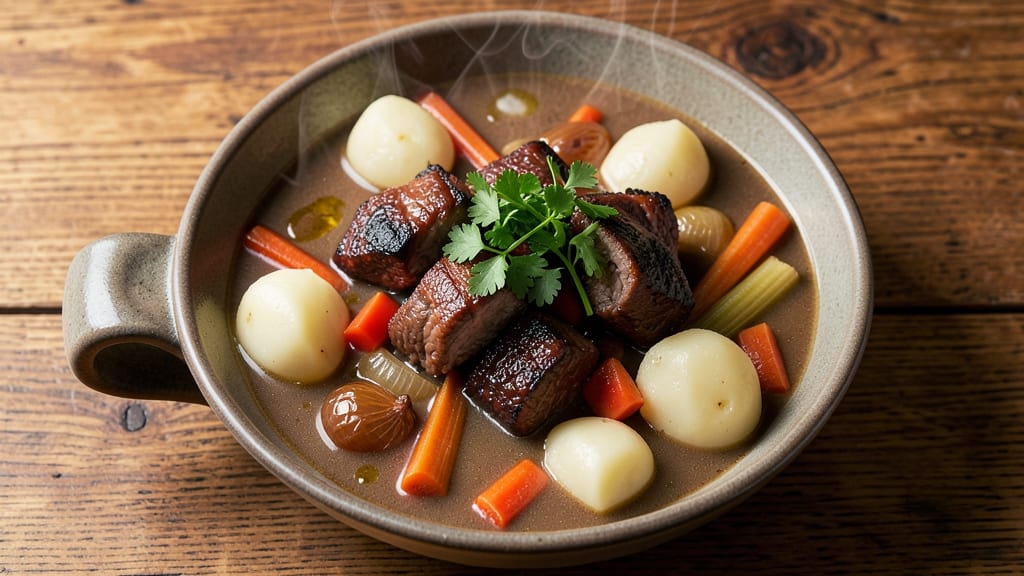
This beef heart soup recipe transforms humble ingredients into a deeply satisfying dish where tender meat bites melt in a rich, umami-packed broth. The key lies in proper preparation—cleaning, searing, and slow simmering—that unlocks the meat's natural depth while keeping it fork-tender.
What sets this apart is balancing earthy aromatics with bright vegetables, creating a soup that's both hearty and refined.
The process begins with thorough cleaning of the beef heart to remove any membrane or connective tissue, followed by a quick sear in a hot pan to develop that essential caramelized crust.
This isn't just a protein source—it's the soul of the soup, delivering layers of savory complexity that store-bought broths can't match. The secret to tender results? Low-and-slow simmering with aromatic vegetables and herbs that infuse the broth with warmth.
What you'll end up with is a bowl of soup where every spoonful delivers tender meat that practically dissolves on the tongue, surrounded by a velvety broth rich with garlic, onions, and thyme.
The vegetables—carrots, celery, and potatoes—add natural sweetness and texture, while a splash of vinegar at the end brightens the depth. This is comfort food elevated, perfect for chilly evenings or when you want to impress without fuss.
Serve with crusty bread to soak up every last drop of that flavorful broth, or pair it with a simple green salad for balance. The leftovers reheat beautifully, making this an ideal meal-prep option for busy weeks.
Ready to experience beef heart soup the way it was meant to be enjoyed?
Ingredients for beef heart soup
Fifteen ingredients carefully chosen to transform beef heart into velvety, umami-packed soup with melt-in-your-mouth meat bites.
| Ingredient | Amount | Notes |
|---|---|---|
| Beef Heart 🥩 | 1 ½ lb | Cleaned, trimmed, cut into 1-inch cubes |
| Yellow Onions 🧅 | 2 whole | Medium, sliced into 1/4-inch pieces |
| Garlic Cloves 🧄 | 6 cloves | Peeled, smashed for maximum aroma |
| Carrots 🥕 | 4 whole | Medium, peeled, cut into 1-inch chunks |
| Celery Stalks 🌿 | 4 whole | Fresh, cut into 1-inch pieces |
| Russet Potatoes 🥔 | 2 lb | Peeled, cut into 1-inch cubes |
| Fresh Thyme Sprigs 🌿 | 4 whole | Stems removed, leaves only |
| Fresh Bay Leaves 🍃 | 2 whole | For deep aromatic infusion |
| Red Wine Vinegar 🍷 | 2 tbsp | For bright acidity at the end |
| Vegetable Oil 🫒 | ½ cup | High smoke point for searing |
| Beef Broth 💧 | 6 cups | Homemade or high-quality store-bought |
| Diamond Crystal Kosher Salt 🧂 | 2 tsp | For seasoning and depth |
| Ground Black Pepper 🌶️ | 1 tsp | Freshly cracked for heat |
| Tomato Paste 🍅 | 2 tbsp | For umami richness |
| Fresh Parsley 🌿 | ¼ cup | Chopped, for garnish |
The beef heart demands proper preparation—source from a trusted butcher who can clean and trim it for you, or do it yourself with a sharp knife and plenty of patience. Look for hearts with minimal connective tissue and vibrant color; Whole Foods or high-end grocery stores often carry pre-cleaned options. The key to tender results lies in thorough cleaning and proper searing—don't skip this step. For the vegetables, organic carrots and celery ensure no bitter aftertaste from pesticides, and russet potatoes hold their shape beautifully during simmering. Fresh thyme and bay leaves are non-negotiable for that restaurant-quality depth.
No beef broth? Homemade vegetable broth with a splash of soy sauce delivers comparable umami, though you'll miss the meaty depth. Fresh thyme can be substituted with dried thyme at one-third the amount, but the flavor won't be identical. Tomato paste from a San Marzano can adds superior sweetness—avoid the watery brands. The red wine vinegar at the end is crucial for brightness; balsamic vinegar works in a pinch, though it's sweeter. For the potatoes, Yukon Golds create a creamier texture, but russets hold up better during long simmering. If you're short on time, pre-cut frozen vegetables work, though fresh is always preferred for superior flavor.
This soup reheats beautifully—in fact, it tastes even better the next day as flavors meld. Store in airtight containers for 5 days in the fridge or freeze for 3 months by portioning into individual containers. For meal prep, double the batch and freeze half—perfect for busy weeknights. The broth can be made ahead and stored separately, then combined with cooked heart and vegetables just before serving. Garnish with fresh parsley just before eating to preserve its vibrant color and bright flavor.
Why You'll Love This Recipe
- Minimal Chopping Required: I swear by this—just dice the onions, roughly chop the celery and carrots (no need for perfect matchsticks), and slice the beef heart into bite-sized pieces. The garlic? Smash those cloves with the flat side of your knife—done. No knife skills needed, just efficiency.
- Umami Bomb Combo: That beef heart? It’s like a flavor superpower—rich, meaty, and packed with depth. Pair it with caramelized onions and garlic, and suddenly you’ve got a soup that tastes like it simmered all day (even if it didn’t). The celery and carrots add just enough sweetness to balance it out—simple, but ridiculously satisfying.
- Leftovers That Don’t Suck: Honestly, this soup tastes better the next day. The flavors meld together, and the beef heart gets even more tender. I make a big batch on Sundays, and by Wednesday, it’s still my go-to lunch—just reheat with a splash of water, and boom, dinner’s solved. No sad, rubbery leftovers here.
- Budget Meal for Big Appetites: Beef heart is one of those secret-ingredient steals—way cheaper than steak, but just as hearty. A single heart feeds four, and the veggies stretch it further. Between us, this is my way to feed a crowd without breaking the bank. Plus, it’s the kind of dish that makes people ask, “What’s in this?”—and then they’ll want it again.
Step-by-step instructions for beef heart soup
Transform tough beef heart into velvety bites through precise technique and layered flavors.
Sear the Beef Heart for Maximum Flavor
Heat the 0.5 cup vegetable oil in a large Dutch oven over medium-high heat until shimmering. Working in batches to avoid crowding, add the 1.5 lb beef heart cubes and sear for 3-4 minutes per side until deeply browned and developing a caramelized crust. This step creates the umami foundation—don't rush it or the meat will release bitter juices.
Once browned, transfer the beef heart to a plate and set aside. The residual fat in the pot will become the flavor base for your soup. If the oil appears dark or smoky, discard all but 2 tablespoons before proceeding. The rich, concentrated flavor from these browned bits is essential for developing depth in the final soup.
Build the Aromatic Base
In the same Dutch oven, reduce heat to medium and add the sliced 2 whole yellow onions, 4 whole carrots, and 4 whole celery stalks. Cook for 8-10 minutes, stirring occasionally, until the vegetables soften and the onions become translucent. This step, called "sweating," draws out moisture without browning, preserving their natural sweetness.
Add the 6 cloves garlic cloves and cook for 1 minute until fragrant. Immediately stir in the 2 tbsp tomato paste and cook for another 2 minutes to develop its umami notes. Sprinkle with 1 tsp ground black pepper and 1 tsp diamond crystal kosher salt, then pour in the 6 cups beef broth to deglaze the pot, scraping up all the browned bits from the bottom.
Simmer the Vegetables and Potatoes
Add the peeled and cubed 2 lb russet potatoes, 4 whole fresh thyme sprigs, and 2 whole fresh bay leaves to the pot. Bring the mixture to a gentle boil, then immediately reduce heat to low-medium and simmer uncovered for 20-25 minutes until the potatoes are tender when pierced with a fork. The soup should be bubbling gently but not vigorously.
Here's where patience pays off: resist the urge to stir frequently. Occasional gentle stirring prevents the potatoes from sticking to the bottom, but too much agitation can break down the vegetables prematurely. The thyme and bay leaves should infuse the broth with their aromatic oils, creating a complex herbal backbone for the soup.
Cook the Beef Heart to Tender Perfection
Return the seared beef heart cubes to the pot and add enough water to just cover the contents if needed. Increase heat to medium-high and bring to a boil, then immediately reduce to low heat and simmer gently for 45-60 minutes, partially covered. The beef heart should become fork-tender, pulling apart easily when pierced but still holding its shape.
Check for doneness by testing a piece of beef heart—it should be tender enough to cut with a fork but not falling apart. If it's still firm after 60 minutes, continue cooking in 10-minute increments until tender. The soup should reduce slightly during this time, concentrating the flavors. Skim any foam that rises to the surface to keep the broth clear.
Finish with Brightness and Garnish
Remove the thyme sprigs and bay leaves from the soup. Stir in the 2 tbsp red wine vinegar and adjust seasoning with additional diamond crystal kosher salt if needed. The vinegar brightens the rich umami flavors and cuts through the heart's natural richness. Taste and balance the seasoning—you want the soup to be deeply flavorful but not overpowering.
Ladle the soup into bowls and garnish each serving with 0.25 cup chopped fresh parsley. The parsley adds a fresh contrast to the deep, savory flavors while providing a visual pop of color. Serve immediately with crusty bread to soak up the rich broth, and enjoy the perfect balance of tender beef heart and aromatic vegetables in every spoonful.
Pro Tips For Making Beef Heart Soup
- Slice Thin, Sear Fast: Beef heart freezes solid when cold—skip the struggle. Slice it against the grain into ¼-inch strips, then sear in batches over high heat for 2-3 minutes per side until deeply browned. (Yes, it’ll look like a lot, but that crust makes the difference.)
- Blanch the Celery First: I learned this the hard way—raw celery turns soup bitter. Give the stalks a quick 2-minute blanch in boiling water before adding them to the pot. Drain, shock in ice water, and chop. Your soup won’t taste like a science experiment.
- Don’t Crowd the Pot: Low and slow is good, but not if you’re boiling beef heart in a wall of liquid. Use a Dutch oven with just enough broth to cover the heart by 1 inch, then simmer uncovered. Too much water = bland, gray meat.
- Use Carrot Slices, Not Dice: Thin, even slices (about ⅛-inch thick) cook faster and hold their shape better than diced carrots. They’ll soften just enough to melt into the soup without turning to mush—no one wants mushy veggies in their hearty broth.
Dietary considerations for beef heart soup
Protein-Packed Powerhouse
Beef heart is one of nature's most nutrient-dense proteins, delivering 20 grams of protein per 3-ounce serving while being naturally low in fat. It's packed with essential amino acids, including taurine, which supports heart health and may help regulate blood pressure.
Unlike many other meats, beef heart contains significant amounts of iron and zinc, making it an excellent choice for those looking to boost their mineral intake. 💪
Gluten-Free by Nature
This recipe is inherently gluten-free since it contains no grains, flour, or wheat-based ingredients. The beef heart, vegetables, and broth provide all the flavor and substance without any gluten-containing components. Always double-check your beef broth label to ensure it's certified gluten-free if you have celiac disease or gluten sensitivity.
The natural umami depth comes entirely from the meat and aromatics, not processed additives.
Low-Carb Adaptation
For a low-carb version, reduce the potatoes to just ½ lb or omit them entirely, replacing with 1 lb cauliflower florets instead. The beef heart and vegetables will still provide satisfying texture while keeping net carbs under 10 grams per serving.
This adaptation works beautifully for keto diets while maintaining the soup's rich, hearty character. The cauliflower absorbs the broth beautifully, creating a creamy texture without the carbohydrate load.
Allergen Considerations
This recipe contains no common allergens like dairy, eggs, or nuts, making it safe for most people with food allergies. The primary potential allergen is beef itself, so those with beef allergies should avoid this dish.
For shellfish or fish allergies, there are no cross-contamination concerns in this preparation. Always verify your beef broth ingredients if you have multiple food allergies, as some commercial broths may contain hidden allergens.
Vegetarian Substitutions
While beef heart is the star of this recipe, you can create a vegetarian version by replacing it with 1 lb extra-firm tofu or mushrooms for umami depth.
Press and cube the tofu, then marinate it in 2 tbsp soy sauce and 1 tbsp tomato paste for 30 minutes before cooking. For mushrooms, use 8 oz portobello mushrooms sliced into thick pieces.
While the texture will differ, the aromatic vegetables and broth will still create a satisfying, flavorful soup. 🌱
Meal Prep Adaptations
This soup reheats beautifully, making it perfect for meal prep. Store in airtight containers for up to 5 days in the refrigerator or freeze for 3 months by portioning into individual containers.
For reheating, bring to a simmer on the stovetop for 10-15 minutes or microwave for 2-3 minutes, stirring halfway. The flavors actually deepen overnight as the ingredients meld together, making it taste even better the next day. This makes it an ideal make-ahead option for busy weeks.
Nutrition facts
Frequently asked questions
Why does beef heart need special preparation before cooking?
Beef heart contains connective tissue and membranes that require thorough cleaning to remove any bitter flavors. The key steps—trimming excess fat, removing the outer membrane, and searing before simmering—transform tough muscle into tender, flavorful bites. Skipping these steps can leave the meat chewy and unpleasant.
Can I substitute beef heart with another cut of beef?
While you can use beef chuck or short ribs for a similar texture, beef heart delivers unmatched umami depth. The heart's unique flavor comes from its high taurine content and muscle structure. For a comparable experience, try beef cheek or beef tongue, which also benefit from slow cooking.
How do I know when the beef heart is fully cooked?
The heart should be fork-tender, meaning it easily pulls apart with minimal resistance but doesn't fall apart completely. Test a piece by piercing it—if it yields like butter and has no pink center, it's done. Overcooking can turn it rubbery, so aim for 45-60 minutes of simmering after searing.
What if I don't have red wine vinegar?
Use apple cider vinegar or lemon juice instead—they'll brighten the soup similarly. Avoid white vinegar, as it has a sharper taste. If you're out of vinegar entirely, a pinch of citric acid (½ teaspoon) will mimic the effect. The key is balancing the rich umami flavors with acidity.
Can I make this soup in an Instant Pot?
Yes! Sear the heart in a separate pan first, then add all ingredients to the Instant Pot. Cook on high pressure for 25 minutes, then quick-release. The heart may need 10-15 additional minutes of stovetop simmering to reach perfect tenderness. Use the same broth-to-vegetable ratio for best results.