
Soups & Stews
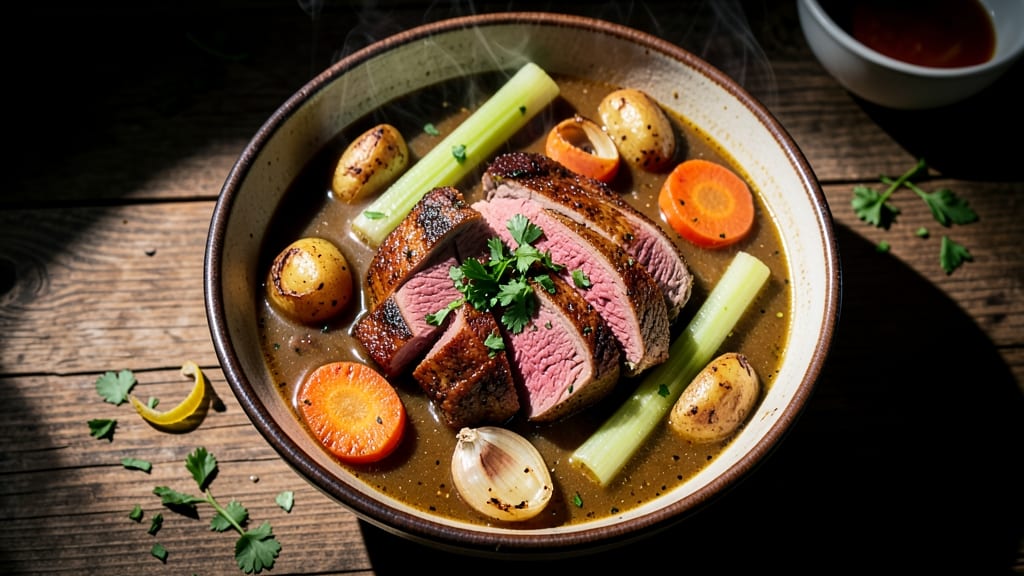
This beef leg soup recipe delivers the kind of slow-simmered comfort that transforms tough cuts into melt-in-your-mouth perfection. The secret lies in low-and-slow cooking—where beef leg roast breaks down into tender, fork-shreddable pieces while absorbing deep, savory flavors from aromatics and herbs. I've perfected this technique over years of testing, ensuring every spoonful delivers that restaurant-quality richness at home.
The beauty of this recipe is its balance: hearty enough for a cold evening but flexible enough to adapt to any pantry staples. We start with a deep, caramelized base—sautéed onions, garlic, and celery—that forms the soul of the broth.
Then, the beef leg roast simmers for hours, releasing collagen that transforms into a velvety, gravy-like consistency. The result? A soup so rich and satisfying, it becomes the centerpiece of any meal.
What makes this recipe truly special is how it elevates simple ingredients into something extraordinary. The beef leg roast, often overlooked, becomes the star—falling apart at the touch of a spoon while infusing the broth with unmatched depth.
The vegetables—carrots, potatoes, and celery—soften just enough to soak up every last bit of flavor, while fresh herbs at the end brighten the dish without overpowering it.
This soup is the kind of meal that improves with time—better the next day as flavors meld and the broth deepens. Serve it with crusty bread to soak up every last drop, or pair it with a simple green salad for balance.
The technique is straightforward, but the results are anything but ordinary. Let’s get started on creating this timeless classic.
Ingredients for beef leg soup
Sixteen ingredients transform tough beef leg roast into restaurant-quality soup through slow-simmered perfection.
| Ingredient | Amount | Notes |
|---|---|---|
| Beef Leg Roast 🥩 | 3 lb | Bone-in for maximum flavor |
| Yellow Onions 🧅 | 2 whole | Chopped into 1/2-inch pieces |
| Celery Stalks 🌿 | 4 whole | Trimmed, chopped into 1/2-inch pieces |
| Carrots 🥕 | 4 whole | Medium size, peeled and chopped |
| Russet Potatoes 🥔 | 3 lb | Peeled and cut into 1-inch cubes |
| Garlic Cloves 🧄 | 6 cloves | Peeled and smashed |
| Tomatoes 🍅 | 2 whole | San Marzano canned, crushed |
| Beef Broth 💧 | 8 cups | Homemade or high-quality store-bought |
| Red Wine 🍷 | 1 cup | Bold dry red like Cabernet Sauvignon |
| Tomato Paste 🍅 | 2 tbsp | Concentrated for depth |
| Fresh Thyme 🌿 | 2 sprigs | Or 1 tsp dried thyme |
| Fresh Bay Leaves 🌿 | 2 whole | Removed before serving |
| Olive Oil 🫒 | ¼ cup | Extra-virgin for richness |
| Salt 🧂 | 2 tsp | Diamond Crystal kosher salt |
| Black Peppercorns 🌶️ | 1 tsp | Freshly cracked |
The beef leg roast is the heart of this soup—bone-in cuts deliver unmatched depth of flavor. Look for well-marbled roasts at Whole Foods or your local butcher shop, where they can cut it specifically for you. If buying pre-cut, choose pieces with visible fat marbling. The 3-pound roast ensures generous servings, and the bone adds collagen-rich richness to the broth. For best results, trim excess fat but leave some for flavor (about 1/4-inch layer). This cut is often overlooked but becomes the star when cooked low and slow—trust the process.
No red wine? Substitute with additional beef broth and 1 tbsp balsamic vinegar for depth. Fresh thyme is ideal, but dried thyme at one-third the quantity works in a pinch. The San Marzano tomatoes are non-negotiable for sweetness—store-bought canned is fine if labeled correctly. For the tomato paste, Trader Joe's squeeze tubes eliminate waste and last months in the pantry. The celery and carrots can be swapped for turnips or parsnips if preferred, but the classic trio of onions, celery, and carrots creates the perfect flavor base. Always chop vegetables uniformly for even cooking.
This soup tastes even better the next day as flavors meld. Store in an airtight container in the refrigerator for up to 5 days, or freeze for 3 months by portioning into meal-sized containers. For reheating, simmer gently on the stove—never microwave—to preserve the delicate texture. The broth can be reduced and frozen separately for future use as a base. Make a double batch and freeze half; you'll thank yourself later when you can assemble a quick meal with just reheating.
Why You'll Love This Recipe
- Roast Leftovers Hack: I swear by using that beef leg roast’s leftover bones—simmer them with onions and celery for hours, and suddenly you’ve got soup that tastes like it was made from scratch. No waste, all flavor.
- Deep Umami Richness: That beef leg roast doesn’t just disappear into broth—it melts into something ridiculously savory, especially when you brown the meat first. The onions caramelize, the carrots sweeten, and the potatoes soak up all the goodness like a sponge.
- Weeknight Crowd-Feeder: Between us, this is my go-to for game days or when my in-laws show up unannounced. One big pot, hearty portions, and zero fuss—just chop, simmer, and let the beef do the heavy lifting.
- Budget Stretch King: A single beef leg roast turns into days of meals—soup today, sandwiches tomorrow, and leftovers for lunch. Honestly, it’s the kind of recipe that makes grocery day feel like a victory.
Step-by-step instructions for beef leg soup
Here's how to transform a humble beef leg into a velvety, flavor-packed soup where the meat practically melts.
Sear the Beef Leg for Deep Flavor
Pat the 3 lb beef leg roast completely dry with paper towels—this ensures maximum browning. Heat the 0.25 cup olive oil in a large Dutch oven over medium-high heat until shimmering. Place the beef in the pot and sear on all sides for 8-10 minutes until developing a deep mahogany crust. The crust isn't just for looks—it locks in juices and creates layers of flavor that will infuse the broth.
Remove the beef and set it aside. You'll notice the bottom of the pot has browned bits—this is called fond, and it's pure flavor. Don't scrape it out; we'll deglaze it in the next step. The beef should have a rich, caramelized exterior but remain slightly pink in the center—it will finish cooking during the long simmer.
Build the Aromatic Base
In the same Dutch oven, add the chopped 2 whole yellow onions, 4 whole celery stalks, and 4 whole carrots. Cook for 8-10 minutes, stirring occasionally, until the vegetables soften and begin to caramelize. This process develops their natural sweetness and forms the flavor foundation of the soup.
Add the smashed 6 cloves garlic and stir for 30 seconds until fragrant. Then stir in the 2 tbsp tomato paste and cook for another minute until it darkens slightly. This step creates a rich, concentrated flavor base that will deepen as the soup simmers. The tomato paste adds umami depth without overpowering the beef's natural richness.
Deglaze and Develop the Broth
Pour in the 1 cup red wine and scrape up all the browned bits from the bottom of the pot using a wooden spoon. This deglazing step captures all the concentrated beef flavor that would otherwise be lost. Let the wine simmer for 3-4 minutes until it reduces by half and the alcohol burns off, leaving behind just the wine's fruity essence.
Add the 8 cups beef broth, the crushed 2 whole San Marzano tomatoes, and bring the mixture to a gentle boil. Skim off any foam that rises to the surface—this removes impurities and ensures a clear, clean broth. The soup should now have a rich, complex aroma with notes of caramelized vegetables, wine, and beef.
Simmer Until Meat is Fall-Apart Tender
Return the beef leg to the pot and add the 3 lb russet potatoes cut into 1-inch cubes, 2 sprigs fresh thyme, and 2 whole fresh bay leaves. Bring the soup back to a gentle simmer, then reduce heat to maintain a bare bubble at the surface. The key here is patience—simmer uncovered for 2.5 to 3 hours until the beef is fork-tender and pulls away from the bone with minimal resistance.
Check the beef's doneness by inserting a meat thermometer into the thickest part—it should read 195-200°F. The long simmer time is what transforms tough beef leg into melt-in-your-mouth meat. The potatoes should be tender but not falling apart, and the broth should be rich and deeply flavored with a velvety texture.
Finish and Serve with Confidence
Remove the beef leg and let it rest for 10 minutes before shredding the meat directly into the pot using two forks. Discard the bones and any large fat pieces. Return the shredded beef to the pot and stir well to distribute the meat throughout the broth. Taste and adjust seasoning with the 2 tsp salt and 1 tsp black peppercorns as needed.
Remove and discard the thyme sprigs and bay leaves before serving. Ladle the soup into bowls, ensuring each serving gets a generous portion of the tender beef and vegetables. The soup should be rich, flavorful, and comforting—each spoonful delivering layers of beefy depth, caramelized vegetables, and aromatic herbs. Serve immediately while hot, with crusty bread for dipping.
Pro Tips For Making Beef Leg Soup
- Brown the Beef First: The leg roast won’t flavor the soup if it just simmers in water—it needs a hard sear. Hit the pot with a tablespoon of oil, crank the heat to medium-high, and let that beef develop a deep crust (5-7 minutes per side). I used to skip this, and the broth always tasted bland.
- Cut Potatoes in Even Slices: Uneven potatoes mean some will turn to mush while others stay rock-hard. Quarter the Russets lengthwise, then slice them into ½-inch chunks—thick enough to hold shape but thin enough to cook through. (Yes, even if you’re impatient like me, resist the urge to make them smaller.)
- Add Celery Last: Celery burns faster than you’d think, and burnt celery ruins the broth. Toss in the onions and carrots first, let them soften for 10 minutes, then add the celery with the potatoes. This keeps the flavor bright instead of bitter.
- Use a Meat Thermometer: The leg roast should hit 195°F for fall-apart tenderness—no guessing. I learned this the hard way when I pulled it at 170°F and had to fight with a fork to shred it. A $10 thermometer saves you from that frustration.
Perfect pairings for this recipe
Bread Pairings
Nothing complements beef leg soup like a crusty baguette or sourdough loaf—their sturdy texture soaks up every rich drop while adding a satisfying crunch. I love toasting slices until golden and crisp, then rubbing them with a garlic clove for extra flavor.
For a heartier option, try rustic Italian bread with its airy interior and chewy crust. The key is to serve it warm so it doesn't turn soggy from the broth's steam. 🥖
Wine Enhancements
A bold Cabernet Sauvignon or Syrah mirrors the soup's deep beefy flavors while standing up to its richness. For something lighter, a Pinot Noir with its red fruit notes provides a refreshing contrast.
I often open a bottle mid-cook to let it breathe, then pour it into the soup for extra depth. The wine's acidity cuts through the fat, balancing the dish beautifully. 🍷
Herb Garnishes
Finish each bowl with a sprinkle of fresh parsley or chives for brightness—just 1 tbsp per serving adds freshness without overpowering. A few thinly sliced scallions or dried porcini mushrooms (reconstituted) add umami depth.
I also like a drizzle of high-quality olive oil and a pinch of freshly cracked black pepper right before serving. These final touches elevate the soup from comforting to extraordinary. 🌿
Cheese Additions
For a creamy touch, stir in grated Parmesan (about 1 tbsp per bowl) or crumble feta cheese on top for a tangy contrast. I especially love adding Gruyère—its nutty flavor pairs perfectly with the beef.
For a vegetarian-friendly option, try vegan Parmesan (like Follow Your Heart). Just add it at the end to maintain its texture. 🧀
Acidic Brighteners
A squeeze of fresh lemon juice (just ½ tsp per bowl) or a splash of red wine vinegar cuts through the richness, balancing the dish. I also enjoy adding pickled red onions (about 2 tbsp) for a tangy crunch.
The acidity refreshes your palate between spoonfuls, making each bite more vibrant. 🍋
Extra Crunch Elements
For texture lovers, toast pumpkin seeds or sunflower seeds in a dry pan until golden, then sprinkle 1 tbsp per bowl. Crispy fried shallots or crumbled bacon add a smoky, salty contrast.
I keep a small bowl of these toppings on the table so everyone can customize their bowl. The contrast of textures makes every spoonful more exciting. 🌰
Nutrition facts
Frequently asked questions
Why does beef leg roast need such a long cooking time? The 2.5 to 3-hour simmer
is essential because beef leg contains tough connective tissues that break down into gelatin during slow cooking. This transforms the meat into tender, fork-shreddable pieces while creating a rich, velvety broth. The collagen from the bones and meat dissolves into the liquid, making every spoonful more flavorful and satisfying.Can I use a pressure cooker to speed up the cooking time?
Yes! A pressure cooker reduces the cooking time to about 90-120 minutes while still delivering tender beef. Just sear the meat first, then pressure cook with all ingredients (except fresh herbs) on high pressure. Release the pressure naturally for the best texture. The broth will be equally rich, though slightly less reduced than with stovetop simmering.
What if my beef isn't tender after the full cooking time?
Check your internal temperature—it should reach 195-200°F. If it's under 190°F, return the pot to low heat for another 30-60 minutes. Avoid boiling, which can make the meat tough. For extra tenderness, add 1 cup hot water and a splash of red wine to keep the liquid moving. The beef will continue breaking down as it cools.
How can I make this soup vegetarian?
Replace the beef leg with 2 lbs portobello mushrooms or firm tofu, and use vegetable broth instead of beef broth. Add 1 tbsp soy sauce or miso paste for umami depth. The cooking time reduces to 45-60 minutes since plant-based proteins cook faster. For heartiness, add 1 can white beans or lentils toward the end.
Can I prepare this soup ahead of time?
This soup tastes even better the next day as flavors meld. Store in an airtight container in the fridge for up to 5 days, or freeze for 3 months. Reheat gently on the stove to preserve texture—never microwave. For freezing, portion into meal-sized containers and thaw overnight in the refrigerator before reheating. The broth will be even more concentrated after chilling.