
Soups & Stews
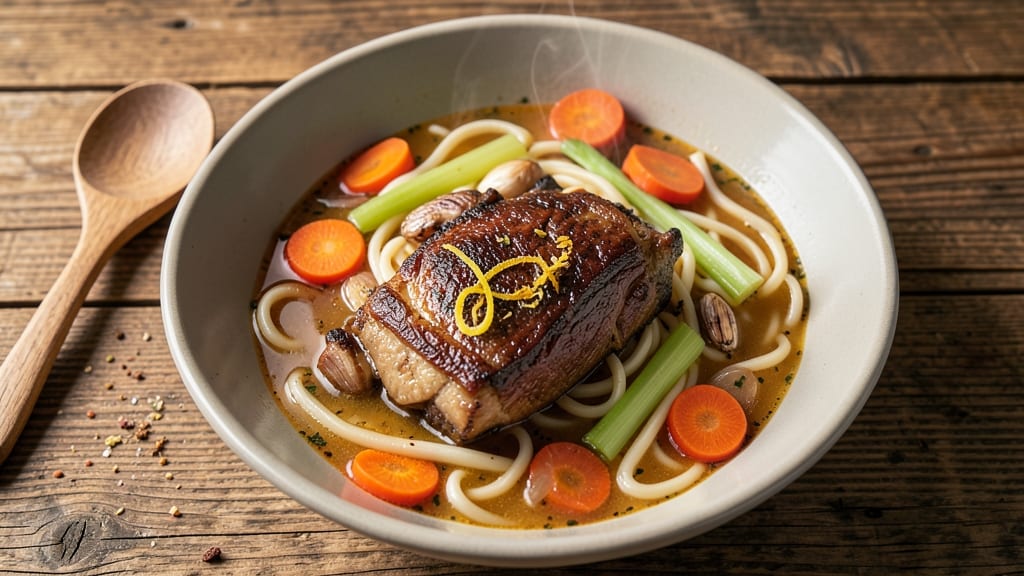
This beef shank noodle soup recipe delivers the kind of soul-warming comfort that transforms a simple meal into a centerpiece—rich, deeply flavorful broth that melts into silky egg noodles with every spoonful.
The secret lies in slow-braising the shank until it practically falls apart, unlocking layers of umami that build complexity over hours. What starts as tough, flavorful beef becomes tender, fork-tender perfection, while the broth reduces into a velvety elixir that clings to every noodle.
The beauty of this recipe is its balance: professional depth without requiring advanced techniques. You'll work with simple ingredients—beef shank, aromatics, and fresh herbs—but the magic happens through patience and layering flavors.
The result is a soup that tastes like it simmered all day (even if you only have a few hours), with a golden, aromatic broth that's impossible to resist.
Perfect for chilly evenings or when you want to impress with minimal effort, this is the kind of dish that gets better with each bite—and each leftovers reheat.
What makes this version stand out is the umami depth from slow-cooked beef and mushrooms, balanced by bright herbs and a touch of citrus. The egg noodles absorb the broth beautifully, creating a harmonious texture that's both comforting and refined.
Whether you're serving it to a crowd or savoring a bowl alone, this soup delivers restaurant-quality satisfaction at home. The best part? Every component comes together in one pot, leaving you with minimal cleanup and maximum flavor.
Ready to master this foolproof technique? We'll cover everything from selecting the right cut of beef to achieving that perfect silky broth consistency. The process might take time, but the reward—a steaming bowl of deeply flavorful, hearty soup—is worth every minute.
Let's get started on creating a dish that feels like a warm embrace in every spoonful.
Ingredients for beef shank noodle soup
Simple ingredients that transform into a deeply satisfying bowl of umami-rich beef shank noodle soup.
| Ingredient | Amount | Notes |
|---|---|---|
| Beef Shank 🥩 | 3 lb | Bone-in for maximum flavor |
| Egg Noodles 🍜 | 1 ½ lbs | Fresh or dried, medium width |
| Yellow Onions 🧅 | 2 whole | Chopped into 1/2-inch pieces |
| Carrots 🥕 | 4 whole | Peeled, cut into 1-inch chunks |
| Celery Stalks 🥬 | 4 whole | Cut into 1-inch pieces |
| Garlic Cloves 🧄 | 8 cloves | Smashed, not minced |
| Fresh Shiitake Mushrooms 🍄 | 8 whole | Stems removed, caps quartered |
| Tomatoes 🍅 | 2 whole | San Marzano canned, crushed |
| Beef Broth 💧 | 6 cups | Homemade or high-quality store-bought |
| Dry White Wine 🍷 | 1 cup | Sauvignon Blanc preferred |
| Fresh Thyme 🌿 | 2 sprigs | Plus 1 tbsp leaves for garnish |
| Fresh Parsley 🌿 | ¼ cup | Chopped, for garnish |
| Olive Oil 🫒 | ¼ cup | Extra-virgin for richness |
| Bay Leaves 🌿 | 2 whole | Removed before serving |
| Black Peppercorns 🌶️ | 1 tsp | Freshly cracked |
| Salt 🧂 | 2 tsp | Diamond Crystal kosher |
| Lemon Juice 🍋 | 1 tbsp | Freshly squeezed |
The beef shank is non-negotiable here—it's the heart of this soup. Look for a well-marbled cut from the butcher section (not pre-packaged). Costco or Whole Foods often carry excellent quality, but ask for a bone-in piece for maximum flavor. If you can't find shank, chuck roast works in a pinch, though it won't be as tender. The mushrooms? Fresh shiitake add incredible depth, but cremini or oyster mushrooms work too. For the broth, homemade is ideal—if you're using store-bought, look for brands like Kettle & Fire or Imagine that use real beef bones.
No white wine? Substitute extra beef broth with 1 tbsp balsamic vinegar for depth. Fresh thyme unavailable? Dried thyme at one-third the amount works, but fresh is worth hunting down at your local market. The San Marzano tomatoes are a game-changer—their sweetness balances the richness. Trader Joe's sells them canned for a great price. For the noodles, fresh egg noodles absorb the broth better, but dried works too. Just cook them separately and add at the end. The olive oil matters—use something fruity and peppery like California extra-virgin, not the cheap supermarket kind.
This soup tastes even better the next day, so make extra—it reheats beautifully. Store in the fridge for up to 5 days or freeze portions for 3 months. For serving, I always add a splash of lemon juice right before eating to brighten the flavors. The noodles should be silky, not mushy—cook them just until al dente. Garnish with fresh parsley and a drizzle of olive oil for that restaurant-quality finish. Leftovers? Even better—just reheat with a splash of broth to restore that velvety texture.
Why You'll Love This Recipe
- One-Pot Magic: I swear by this—just toss the shank, onions, carrots, and celery into a pot, cover with broth, and walk away. The beef practically melts into tender perfection while you handle the rest of dinner.
- Rich Without Effort: That beef shank? It turns into melt-in-your-mouth goodness with almost no work. The onions caramelize just enough to add depth, and the egg noodles soak up every last bit of that savory broth.
- Leftovers for Days: This soup only gets better the next day. I make a big batch on Sundays, and by Wednesday, the flavors have deepened into something even more satisfying—no reheating tricks needed.
- Budget Meal Hero: A single beef shank stretches to feed four, and the veggies are cheap staples. It’s the kind of meal that makes grocery night feel like a win, especially when you’re pinching pennies.
Step-by-step instructions for beef shank noodle soup
This rich, umami-packed soup builds layer upon layer of flavor—here's how to make it shine.
Brown the Beef Shank for Maximum Depth
Heat the 0.25 cup olive oil in a large Dutch oven over medium-high heat. Pat the 3 lb beef shank completely dry with paper towels—this ensures a proper sear. Working in batches if needed, brown the shank on all sides until deeply golden, about 8-10 minutes total. You're not cooking it through yet, just creating that caramelized crust that holds all the flavor.
Real talk: Don't rush this step. The crust forms the foundation of your broth. When the shank releases easily from the pan, it's ready. Transfer the browned shank to a plate and set aside.
Sauté Vegetables and Build the Flavor Base
In the same Dutch oven, add the 2 whole yellow onions, 4 whole carrots, and 4 whole celery stalks—all chopped as specified. Cook for 8-10 minutes, stirring occasionally, until the vegetables soften and begin to caramelize. This step develops their natural sweetness and deepens the broth's complexity.
Add the 8 cloves garlic cloves (smashed) and 8 whole fresh shiitake mushrooms (quartered) to the pot. Cook for another 3-4 minutes until the garlic is fragrant and the mushrooms release their moisture. Here's where the magic happens—the mushrooms add an earthy umami that pairs perfectly with the beef.
Deglaze and Simmer the Broth
Pour in the 1 cup dry white wine, scraping up all those delicious browned bits from the bottom of the pot. Let it simmer for 3-4 minutes until the alcohol burns off and the liquid reduces slightly. Add the 2 whole tomatoes (crushed), 6 cups beef broth, 2 sprigs fresh thyme, 2 whole bay leaves, 1 tsp black peppercorns, and 2 tsp salt. Bring to a gentle boil, then reduce heat to maintain a low simmer. Return the beef shank to the pot.
Cover and simmer for 2.5-3 hours, turning the shank occasionally, until the meat is fork-tender. The broth should be rich and deeply flavorful, with the beef falling apart easily. This long cook time is essential—it transforms tough beef into melt-in-your-mouth tenderness.
Finish with Noodles and Fresh Herbs
Once the beef is tender, use tongs to remove it from the broth and set it aside. Add the 1.5 lbs egg noodles to the broth and cook according to package instructions until al dente, about 8-10 minutes. The noodles should be tender but still have a slight bite.
While the noodles cook, shred the beef shank using two forks, discarding any large bones. Return the shredded beef to the pot. Stir in the 1 tbsp lemon juice and adjust seasoning if needed. The acidity brightens the dish and balances the richness.
Garnish and Serve Warm
Remove the 2 bay leaves from the soup. Ladle the noodle soup into bowls, garnishing each serving with 1 tbsp chopped fresh parsley and an additional sprinkle of fresh thyme leaves. Serve immediately with crusty bread on the side—this soup is best enjoyed fresh when the noodles are silky and the broth is steaming hot.
The result is a deeply satisfying bowl of soup where every spoonful delivers layers of umami from the beef, sweetness from the vegetables, and brightness from the herbs. Trust the process, and you'll have a soup that's worth every minute of simmering.
Pro Tips For Making Beef Shank Noodle Soup
- SEAR THE SHANK FIRST: Don’t rush the beef shank—get it screaming hot in a heavy pot with oil until it’s deep brown on all sides. I used to skip this, and the soup never had that rich, caramelized depth. Two minutes per side, no crowding the pan.
- CUT VEGETABLES UNIFORM: Dice onions, carrots, and celery into ½-inch pieces—same size, same shape. I learned this after staring at a pot where some veggies were mushy and others still crunchy. Consistency means even cooking, no surprises.
- SKIP THE BOILING NOODLES: Toss the egg noodles straight into the hot broth—no pre-boiling. They’ll absorb flavor instantly and won’t turn to mush. (Yes, even if they look undercooked at first—they’ll finish in the broth.)
- LOW AND SLOW IS NON-NEGOTIABLE: After browning the shank, add just enough liquid to cover, then simmer at a bare simmer—no rolling boil. I once walked away for 10 minutes, came back to a cloudy, watery mess. Cover it, keep it at 180°F (82°C), and let it work.
Dietary considerations for this beef shank noodle soup
Gluten-Free Adaptations
Swap the egg noodles for gluten-free egg noodles or rice noodles—brands like Barilla GF or Lotus Foods work beautifully. Cook them separately in the broth for 2-3 minutes less than package instructions since they absorb liquid faster.
For extra heartiness, add shirataki noodles (konjac-based) for a low-carb option, but rinse thoroughly to remove excess sodium. 🌾
Low-Carb/Keto Version
Eliminate the noodles entirely and serve the broth with cauliflower rice or zucchini noodles (zoodles) cooked separately. For a heartier bowl, add chopped Brussels sprouts or shredded cabbage to the broth during the final 10 minutes of cooking.
The beef shank and mushrooms provide all the umami you need without carbs. 🥦
Vegetarian Substitutes
Replace the beef shank with mushroom duxelles (finely chopped mushrooms sautéed with garlic) or portobello mushrooms marinated in soy sauce and balsamic. For protein, add lentils or chickpeas during the final 30 minutes of simmering. Boost umami with 1 tbsp miso paste or 2 tbsp soy sauce when deglazing. 🍄
Allergen-Friendly Tips
Check your beef broth for hidden gluten—brands like Pacific Foods offer certified gluten-free options. For nut allergies, avoid garnishes like toasted almonds. If dairy is a concern, use vegetable oil instead of butter and omit any cheese garnishes.
Always verify ingredient labels, especially for pre-packaged items like broth or noodles. 🚫
Protein-Packed Boost
For a high-protein version, add ½ cup cooked quinoa or ½ cup cooked lentils per serving. For extra richness, stir in 2 tbsp nutritional yeast at the end—it adds a cheesy, umami flavor without dairy.
If you want more beef, add ½ lb ground beef during the final 20 minutes of cooking. 💪
Nutrition facts
Frequently asked questions
Why does beef shank need to brown before simmering?
Browning creates a Maillard reaction that develops deep, caramelized flavors in the crust. This crust dissolves into the broth during simmering, creating a richer, more complex base. Skipping this step results in a broth that's more watery and less flavorful.
Can I use a slow cooker instead of a Dutch oven?
Brown the shank in a skillet first, then transfer everything to a 6-quart slow cooker. Cook on low for 8-10 hours or high for 5-6 hours, adding noodles during the last 30 minutes. The slow cooker method is perfect for hands-off prep.
How do I know when the beef shank is fully tender?
The shank should easily pull apart with a fork and have no resistance. For a 3 lb shank, it typically takes 2.5-3 hours of simmering. Test by inserting a fork—if it slides in effortlessly, it's ready. Overcooking can make it mushy, so check periodically.
What if my broth isn't rich enough?
If the broth tastes thin, reduce it by simmering uncovered for 15-20 minutes to evaporate excess liquid. For extra depth, add 1 tbsp tomato paste or 1 tsp fish sauce during the final 30 minutes of cooking. A splash of red wine can also enhance umami.
Can I make this soup ahead of time?
This soup tastes even better the next day! Store in the fridge for up to 5 days or freeze for 3 months. Reheat gently on the stove, adding a splash of broth or water to restore consistency. The flavors meld beautifully over time.