
Soups & Stews
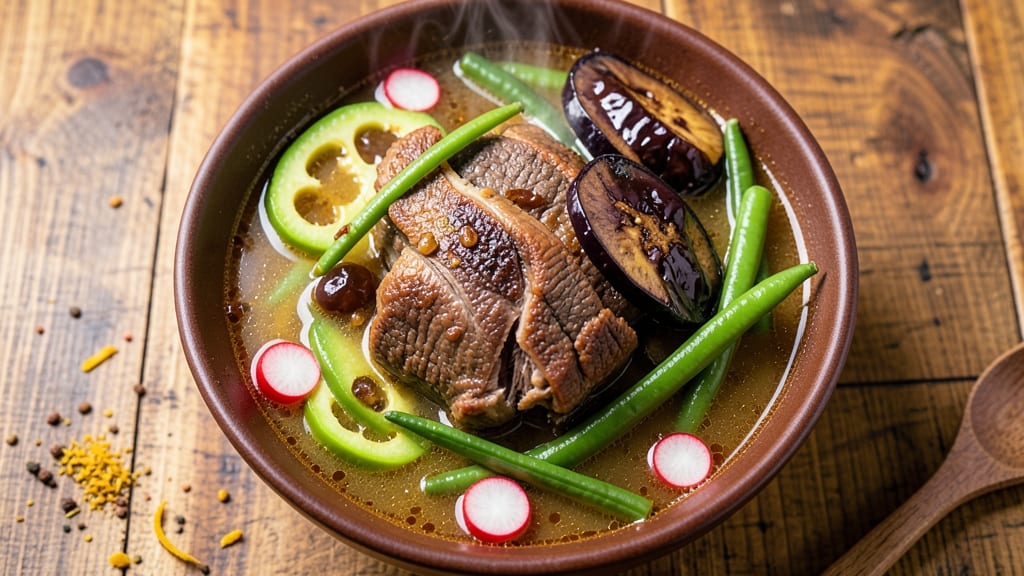
This beef sinigang soup recipe delivers the perfect balance of tangy tamarind broth, tender beef, and fresh vegetables—just like your favorite Filipino comfort dish. 🌟 The secret lies in simmering the souring agent (tamarind or calamansi) with aromatic vegetables to build a rich, flavorful base that melts beef into irresistible bites.
What sets this recipe apart is its adaptability: use store-bought tamarind blocks or fresh calamansi, depending on what's available, while still achieving that signature sour-salty depth.
What makes this recipe truly special is the layering of flavors—starting with a quick saute of garlic and ginger to awaken the aromatics, then adding vegetables in stages to prevent mushiness. The beef cooks low and slow until fork-tender, absorbing the broth's complex taste profile without falling apart.
This method ensures every spoonful delivers that perfect harmony of sour, savory, and umami that defines authentic sinigang.
By the time you serve this soup, you'll have a steaming bowl of restaurant-quality comfort food that pairs perfectly with steamed rice. The broth remains vibrant and flavorful, while the vegetables retain their crisp texture.
Garnish with fresh ginger slices or a sprinkle of chili flakes for an extra layer of complexity. This is the kind of dish that transforms a simple weeknight dinner into a celebration of Filipino home cooking.
Ready to make this recipe? Let's get started with the ingredients and step-by-step instructions that will guide you through creating this beloved Filipino classic in your own kitchen.
Ingredients for beef sinigang soup
Tamarind blocks, fresh vegetables, and tender beef create this iconic Filipino comfort soup.
| Ingredient | Amount | Notes |
|---|---|---|
| Beef Chuck Roast 🥩 | 1 ½ lb | Cut into 1-inch cubes |
| Tamarind Blocks 🍈 | 2 pieces | Or 1 cup tamarind pulp |
| Green Papaya 🥬 | 1 cup | Julienned, 1/4-inch thick |
| Radishes 🥕 | 1 cup | Sliced into 1/4-inch rounds |
| Long Green Beans 🌱 | 1 cup | Trimmed, cut into 2-inch pieces |
| Eggplant 🍆 | ½ lb | Cut into 1-inch cubes |
| Garlic Cloves 🧄 | 6 cloves | Minced for aromatics |
| Fresh Ginger 🌿 | 1 inch | Sliced thinly, peeled |
| Onion 🧅 | 1 whole | Cut into 1-inch chunks |
| Bay Leaves 🌿 | 2 whole | For depth of flavor |
| Salt 🧂 | 1 ½ tsp | Diamond Crystal preferred |
| Black Peppercorns 🌶️ | ½ tsp | Ground fresh for heat |
| Fish Sauce 🐟 | 1 tbsp | For umami depth |
| Sugar 🍯 | 1 tsp | Balances sourness |
| Green Onions 🧅 | 4 whole | Sliced for garnish |
The tamarind is the heart of this dish—look for blocks at Asian markets or use tamarind pulp from a can. Red River Tamarind from Filipino stores delivers the most authentic sourness, but Tamarind paste from Trader Joe's works in a pinch. Fresh ginger and garlic should be vibrant—no wrinkly, shriveled roots here. The beef matters too: chuck roast breaks down beautifully, but sirloin works if you're short on time. For the vegetables, aim for firm, crisp produce—green papaya and radishes should snap when cut, indicating freshness. Eggplant should be heavy for its size, with smooth skin.
No tamarind blocks? Calamansi juice or lime juice at double the amount gets you close, though it won't replicate that signature depth. Swapping vegetables? Okra or string beans work well, but avoid leafy greens—they'll turn the broth murky. Fish sauce is non-negotiable for that umami punch, but if you're avoiding it, soy sauce at half the amount provides a similar boost. The sugar balances the sourness, but palm sugar or coconut sugar add subtle caramel notes that regular white sugar can't match. For a smokier profile, add a dash of smoked paprika when serving.
This soup tastes even better the next day as flavors meld—reheat gently on low to preserve texture. Store in the fridge for up to 4 days, or freeze portions for 3 months by portioning into airtight containers. The broth thickens when chilled, so add a splash of water when reheating. For meal prep, cook the beef and broth separately, then assemble when ready to serve—this keeps the vegetables crisp. Garnish with fresh ginger slices and green onions just before serving for maximum brightness.
Why You'll Love This Recipe
- No Tamarind? No Problem: I keep a few blocks in the freezer just for this—no fancy sour paste needed. The beef chuck roast practically melts into the broth, and you can even swap the tamarind for calamansi juice in a pinch. Honestly, it’s the one soup where imperfection disappears.
- Tamarind Tang Magic: That first sip? Pure satisfaction. The tamarind blocks infuse the broth with a bright, tangy depth that cuts through the richness of the beef. The green papaya adds a subtle crunch, while the radishes soak up the flavor like a sponge—no bland bites here.
- Lunchbox Hero: Between us, this is my go-to for meal prep. The broth stays rich for days, and the veggies hold up perfectly. Pack it in jars or thermoses, and you’ve got a restaurant-quality lunch that actually tastes better cold than it does hot—yes, really.
- Budget Stretch: A single chuck roast feeds my family of four for two meals, and the veggies are dirt cheap. The tamarind blocks last forever, and the green beans? I buy them frozen when they’re on sale. Not the prettiest, but the taste makes up for it every time.
Step-by-step instructions for beef sinigang soup
Master this Filipino classic with tender beef and vibrant vegetables in a tangy tamarind broth.
🔥 Step 1: Prepare the Tamarind Broth Base
In a large pot, combine the 2 pieces tamarind blocks with 4 cups water and bring to a boil over medium-high heat. Reduce heat to medium and simmer for 10 minutes until the tamarind fully dissolves and the liquid becomes deep amber in color. This step is crucial—it creates the signature sour foundation of sinigang.
Strain the tamarind liquid through a fine-mesh sieve into a clean pot, pressing gently on the tamarind to extract all the juice. Discard the fibrous pulp. Return the strained liquid to the pot and add the 1 whole onion, 6 cloves garlic, 1 inch fresh ginger, 2 whole bay leaves, 1.5 tsp salt, 0.5 tsp black peppercorns, 1 tbsp fish sauce, and 1 tsp sugar. Bring to a gentle simmer and let cook uncovered for 15 minutes to develop flavors. The broth should smell aromatic with notes of sour tamarind and savory umami.
👨🍳 Step 2: Cook the Beef Until Fork-Tender
Add the 1.5 lb beef chuck roast, cut into 1-inch cubes, to the simmering broth. Increase heat to medium-high and bring to a boil. Once boiling, reduce heat to low and cover partially. Simmer for 1 hour to 1 hour 15 minutes, turning the beef occasionally, until it becomes fork-tender and easily pulls apart. The broth should reduce slightly but remain flavorful.
Here's the thing—don't rush this step. The beef needs time to absorb all those delicious flavors. You'll know it's ready when the meat releases from the bone with minimal resistance and the broth has a rich, slightly thickened consistency. If the broth reduces too much before the beef is tender, add ½ cup hot water to maintain the proper balance.
🥘 Step 3: Add Vegetables for Color and Texture
In the last 10 minutes of cooking, add the 0.5 lb eggplant and 1 cup long green beans. These vegetables need less time to cook than the heartier ingredients. Stir gently to distribute them evenly in the broth. The eggplant should soften slightly while retaining some bite, and the green beans should remain crisp-tender with vibrant green color.
For the final 5 minutes, add the 1 cup radishes and 1 cup green papaya. These vegetables cook quickly and add beautiful color contrast to the soup. The radishes should remain slightly crisp, while the papaya should soften just enough to be tender but still hold its shape. Avoid overcrowding the pot—this prevents the vegetables from steaming instead of simmering properly.
🍽️ Step 4: Finish and Serve with Garnishes
Remove the pot from heat and let the soup rest for 5 minutes. This allows the flavors to meld together and the vegetables to absorb the remaining broth. Taste and adjust seasoning if needed—you might want to add a bit more fish sauce for umami or sugar to balance the sourness.
Ladle the hot sinigang into bowls and garnish each serving with sliced green onions. The bright green color of the onions contrasts beautifully with the deep red broth and white vegetables. Serve immediately with steamed rice to soak up every delicious drop of that tangy, savory broth. Each spoonful should deliver a perfect balance of sour tamarind, tender beef, and crisp vegetables.
Pro Tips For Making Beef Sinigang Soup
- BROWN THE BEEF FIRST: I learned this the hard way—skipping the sear means your chuck roast will turn out tough and gray, not rich and tender. Slice the beef into 1-inch chunks, heat your pot on medium-high, and cook them in batches until deep golden brown on all sides. That crust locks in flavor and makes the meat melt in your mouth later.
- SOAK TAMARIND 20 MINUTES: Tamarind blocks are sneaky—if you toss them in dry, they’ll clump and make your broth bitter. Soak them in 2 cups hot water for 20 minutes first, then squeeze out the pulp and discard the fibrous bits. This guarantees a smooth, tangy base without surprises.
- ADD VEGETABLES IN ORDER: Green papaya and radishes need time to soften but won’t survive if boiled too long. Start with the beef and tamarind broth, simmer for 45 minutes, then add long green beans and radishes 10 minutes before the end. Toss in papaya last—just 5 minutes—so it stays crisp and bright, not mushy.
- USE LESS WATER THAN YOU THINK: Sinigang is all about concentrated flavor, not a diluted broth. For a standard pot, 4 cups of water (plus the tamarind soak) is enough—you’ll end up with a rich, savory soup, not a weak tea. If it’s too thin, reduce it uncovered for 10 minutes. If it’s too thick, add a splash of hot water.
Creative variations of beef sinigang soup
Shrimp Sinigang Twist
Swap the beef for 1 lb large shrimp (peeled and deveined) and reduce the simmering time to just 5-7 minutes—they cook faster! Use 1 cup shrimp stock instead of water for the tamarind broth to amplify the umami.
Add the shrimp in the last 5 minutes of cooking so they stay plump and pink. Garnish with lemon wedges for extra zing and a sprinkle of chili flakes for heat lovers. 🦐
Pork Belly Version
For a richer, fattier cut, use 1.5 lb pork belly cut into 1-inch cubes. Brown the pork in a separate pan over medium-high heat until golden (about 5 minutes), then add it to the simmering tamarind broth.
The pork belly adds incredible depth and requires 1 hour 30 minutes of simmering time. Finish with crispy fried garlic for texture and a drizzle of hoisin sauce for sweetness. 🐷
Vegetarian Adaptation
Skip the meat entirely and focus on hearty vegetables like tofu (firm or extra-firm, cubed) and mushrooms (shiitake or oyster). Sauté the tofu in a pan with 1 tbsp oil until golden, then add it to the broth along with the vegetables.
Boost umami with 2 tbsp soy sauce and 1 tbsp miso paste. Serve with a side of crispy rice crackers for crunch. 🌱
Spicy Sinigang
Turn up the heat by adding 2 tbsp sambal oelek (adjust to taste) to the broth during the final 10 minutes of cooking. For extra kick, stir in 1-2 slices of fresh chili (like bird’s eye or serrano).
Garnish with crushed red pepper flakes and serve with sriracha on the side for those who want more heat. 🌶️
Regional Twists
In Visayan-style, add 1 cup string beans and 1 cup squash (like kabocha or zucchini) to the broth. For Bicolano sinigang, stir in 1 cup coconut milk at the end and top with crispy fried garlic.
In Mindanao, include 1 cup bitter melon (ampalaya) for a unique, slightly bitter contrast. Each region puts its own spin on the classic! 🗺️
Quick Weeknight Hack
Use 1 packet (3 oz) tamarind paste (like Red River brand) instead of blocks for convenience. Swap the beef for 1 lb pre-cooked rotisserie chicken, shredded, to save time. Add frozen vegetables (like green beans and corn) directly to the broth—they’ll thaw and cook perfectly.
Serve with store-bought garlic fried rice on the side for a complete meal in under 30 minutes**. ⏰
Nutrition facts
Frequently asked questions
Can I substitute tamarind blocks with something else?
Yes! If you can't find tamarind blocks, use 1 cup tamarind pulp or ½ cup calamansi juice (or lime juice in a pinch). For a deeper flavor, mix ¼ cup vinegar with 1 tbsp sugar—this mimics the sour-sweet balance. Just remember, nothing quite matches the authentic taste of tamarind.
Why does my beef sinigang broth turn cloudy?
Cloudiness usually means the tamarind or vegetables weren't strained properly, or the broth boiled too vigorously. Always strain the tamarind liquid and simmer gently (medium-low heat) to prevent stirring up sediment. Adding a splash of cold water at the end can also help clarify the broth.
How do I make the vegetables stay crisp?
Add vegetables in stages—harder veggies (eggplant, green beans) first, then softer ones (radishes, papaya) last 5 minutes. Avoid overcrowding the pot (cook in batches if needed) and never boil vigorously. The key is gentle simmering to maintain texture while infusing flavor.
Can I make sinigang in a slow cooker?
Brown the beef first, then combine all ingredients (including tamarind) in the slow cooker. Cook on low for 6-7 hours or high for 3-4 hours. Add vegetables in the last 30 minutes to prevent mushiness. The slow cooker enhances tenderness without risking overcooked veggies.
What's the best way to store leftovers?
Cool the soup completely, then store in airtight containers for up to 4 days in the fridge or 3 months in the freezer. Reheat gently on low heat or microwave with a splash of water to restore texture. The broth thickens when chilled—add water when reheating.