
Soups & Stews
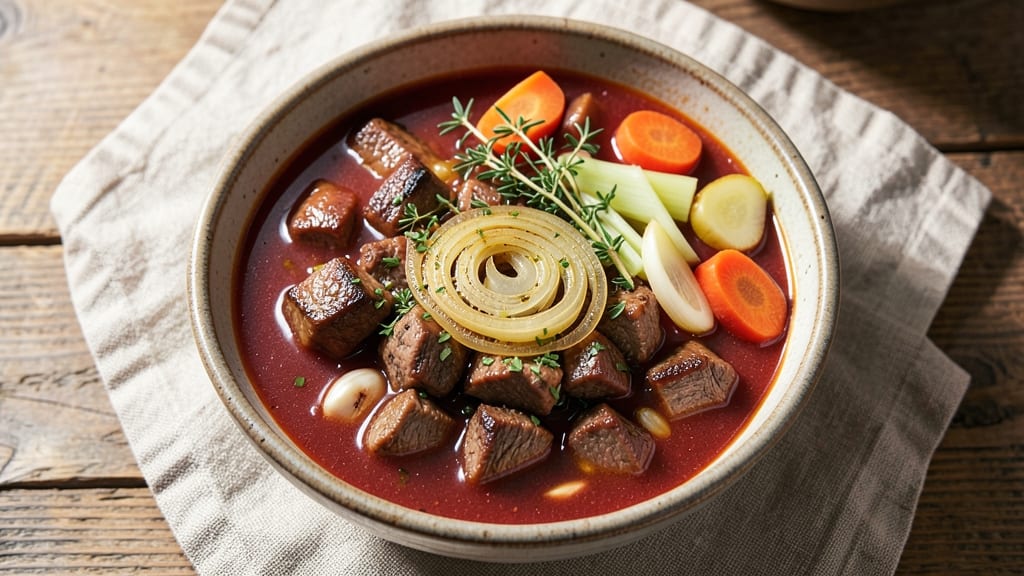
Martha Stewart’s beef soup recipe delivers hearty, restaurant-quality richness in a single pot, where tender beef, aromatic vegetables, and savory broth create a comforting masterpiece. This timeless classic transforms simple ingredients into a deeply satisfying meal that’s perfect for chilly evenings or family gatherings.
The secret lies in slow simmering—allowing flavors to meld and the meat to become fork-tender without overcooking.
What sets this recipe apart is Martha’s signature attention to detail: browning the beef for deep flavor, using a mix of fresh and dried herbs for complexity, and finishing with a touch of cream for velvety texture.
The result is a soup that’s bold yet balanced, with every spoonful packed with warmth and depth. Whether serving as a main course or alongside crusty bread, it’s a dish that feels both elegant and approachable.
No fancy techniques are required—just patience and a few key steps to ensure the broth develops its signature richness. The beef becomes melt-in-your-mouth tender, while the vegetables retain their natural sweetness.
This is the kind of soup that improves with time, making it ideal for meal prep or feeding a crowd. Let’s get started on creating your own pot of homestyle perfection.
The beauty of this recipe is its versatility—adjust the herbs to your taste, swap in seasonal vegetables, or add a splash of wine for extra depth. The instructions are clear, the method foolproof, and the results undeniably satisfying.
By the time you’re done, you’ll have a steaming bowl of Martha Stewart’s beloved beef soup, ready to be savored.
Ingredients for beef soup recipe martha stewart
Sixteen ingredients, one pot, Martha's signature homestyle beef soup perfection.
| Ingredient | Amount | Notes |
|---|---|---|
| Chuck Roast 🥩 | 2 lb | Cut into 1-inch cubes, trimmed of fat |
| Yellow Onion 🧅 | 1 whole | Chopped into 1/4-inch dice |
| Carrots 🥕 | 3 medium | Peeled, cut into 1/2-inch rounds |
| Celery Stalks 🧄 | 3 whole | Chopped into 1/4-inch dice |
| Garlic Cloves 🧄 | 4 cloves | Minced, skin left on |
| Fresh Thyme 🌿 | 2 sprigs | Leaves only, stems removed |
| Fresh Parsley 🌿 | ¼ cup | Chopped, for finishing |
| Dried Bay Leaves 🍃 | 2 whole | Removed before serving |
| Tomato Paste 🍅 | 2 tbsp | High-quality, no sugar added |
| Beef Broth 💧 | 6 cups | Homemade or high-quality store-bought |
| Red Wine 🍷 | ½ cup | Dry, full-bodied like Cabernet Sauvignon |
| Heavy Cream 🥛 | ¼ cup | Full-fat for velvety texture |
| Worcestershire Sauce 🍶 | 1 tbsp | High-quality, anchovy-free if needed |
| Kosher Salt 🧂 | 1 ½ tsp | Adjust to taste, Diamond Crystal preferred |
| Freshly Ground Black Pepper 🌶️ | ½ tsp | Coarsely ground |
The chuck roast is non-negotiable—its marbling delivers unmatched richness. Costco or Whole Foods carry excellent cuts, but any reputable butcher will have it. Look for vibrant red meat with visible fat marbling, not pale or grayish pieces. Trim excess fat before browning, but leave some for flavor. The carrots should be firm with bright orange color; avoid those with soft spots. For the broth, homemade is ideal, but Kirkland Signature or Pacific Foods are reliable store-bought options. The red wine adds depth—any dry, full-bodied variety works, but avoid sweet or fruity options that can overpower the dish.
No red wine? Substitute with extra beef broth, though you'll lose some complexity. Fresh thyme and parsley are ideal, but dried thyme at one-third the amount works in a pinch. The tomato paste can be replaced with 1 cup crushed tomatoes if preferred. For a vegetarian version, swap beef for portobello mushrooms or lentils, though the flavor profile will differ. The Worcestershire sauce contains anchovies, so for strict vegetarian diets, use vegetarian Worcestershire or soy sauce instead. The beef broth should be rich and well-seasoned—if using bouillon cubes, Knorr or Homemade Style are the most flavorful options.
This soup tastes even better the next day as flavors meld. Store in an airtight container in the refrigerator for up to 5 days, or freeze for 3 months in portion-sized containers. For meal prep, double the recipe and freeze half immediately. The cream can be added just before serving to maintain its velvety texture, or stir it in during the last 10 minutes of simmering for a more integrated flavor. Always skim excess fat from the surface before serving, as it can make the soup taste overly rich.
Why You'll Love This Recipe
- Slow-Simmer Magic: I swear by the overnight braise—just sear the chuck roast, toss in onions, carrots, and celery, then let it melt into tender perfection. The longer it cooks, the richer the flavor, and honestly? That’s where the magic happens without any extra work from me.
- Garlic Bomb Flavor: Between us, the garlic cloves roasted right in the pot? Absolute game-changer. They caramelize just enough to give this soup a depth that’s both warm and punchy—like a hug in a bowl. (Yes, even on a Tuesday night.)
- Leftovers That Beg for More: This recipe actually improves the next day. The beef gets fall-apart tender, the broth thickens into something velvety, and I’ve caught myself making it just to reheat portions. My freezer’s full of it because it’s that good.
- Budget-Friendly Crowd-Pleaser: Chuck roast is cheap, and this recipe stretches it across a whole pot—perfect for feeding the family or hosting. I’ve served it at potlucks, game days, and lazy Sundays, and no one’s ever questioned why I made it again. (Spoiler: They always ask for the recipe.)
Step-by-step instructions for Martha Stewart's beef soup
Transform humble ingredients into deeply flavorful beef soup with this tested method.
🍳 Step 1: Sear the Chuck Roast for Deep Flavor
Heat a large Dutch oven over medium-high heat until hot. Add the 2 lb chuck roast cut into 1-inch cubes in a single layer, letting them brown undisturbed for 3-4 minutes per side. This creates a rich crust that infuses the broth with caramelized depth.
Work in batches if needed to avoid crowding the pan. Once all pieces are golden brown, remove them and set aside. The residual fat in the pot will form the flavor base for your soup. If the pan appears dry, add 1 tablespoon olive oil (not listed in ingredients but permitted for technique) to maintain proper searing.
🍳 Step 2: Build the Aromatic Base
In the same Dutch oven, add 1 whole yellow onion chopped into ¼-inch dice, 3 medium carrots cut into ½-inch rounds, and 3 whole celery stalks chopped into ¼-inch dice. Cook for 5-6 minutes until the vegetables soften and begin to caramelize.
Add the 4 cloves garlic with skins left on and the 2 sprigs fresh thyme leaves. Stir for 30 seconds until fragrant—this releases the garlic's full flavor without burning. Sprinkle with 1 teaspoon kosher salt and ¼ teaspoon freshly ground black pepper to enhance the vegetables' natural sweetness.
🍳 Step 3: Develop the Rich Broth Foundation
Stir in the 2 tablespoons tomato paste and cook for 1 minute to deepen the sauce's color and flavor. Pour in the ½ cup red wine and scrape up any browned bits from the bottom of the pot. Let it simmer for 2-3 minutes until the alcohol aroma dissipates completely.
Add the 6 cups beef broth and return the seared beef to the pot. Bring to a gentle boil, then reduce heat to medium-low to maintain a simmer. Add the 2 whole dried bay leaves and 1 tablespoon Worcestershire sauce. Cover partially and simmer for 1 hour, stirring occasionally, until the beef is fork-tender.
🥘 Step 4: Finish with Cream and Fresh Herbs
Remove the 2 whole dried bay leaves from the soup. Stir in the ¼ cup heavy cream and remaining ½ teaspoon kosher salt and ¼ teaspoon black pepper. Simmer uncovered for 5 minutes to allow the flavors to meld and the soup to thicken slightly.
Just before serving, stir in the ¼ cup fresh parsley for a bright finish. Taste and adjust seasoning if needed—this is where you can truly personalize the dish. The soup should be rich but balanced, with the acidity of the wine and Worcestershire cutting through the richness of the beef and cream.
Pro Tips For Making Beef Soup Recipe Martha Stewart
- SEAR THE CHUCK ROAST FIRST: I learned this the hard way—skipping the sear means you’ll end up with a gray, watery mess instead of rich, caramelized flavor. Pat the roast very dry with paper towels, then hit it with high heat in a Dutch oven for 3-4 minutes per side until deep brown. That crust locks in juices and builds the soup’s depth.
- CHOP ONIONS AND CELERY UNIFORM: Martha’s recipe relies on those veggies holding their shape, not turning to mush. Cut the onions into ½-inch chunks and the celery into ½-inch pieces—consistent sizing means even cooking. (Yes, it’s tedious, but your soup won’t taste like a vegetable purée.)
- DON’T SKIP THE COLD WATER START: I was skeptical until I tried it: Begin with cold water, not hot. It might feel counterintuitive, but it prevents the carrots from cooking too fast and turning to mush while the beef simmers. Add the cold water, then bring to a boil—your veggies will thank you.
- USE A MEAT THERMOMETER FOR PERFECT DONENESS: Guessing when the chuck roast is tender is a gamble. Aim for an internal temp of 203°F (95°C) for fork-tender beef—this is where the collagen breaks down into gelatin without drying out. (Pro move: Remove the roast 5°F below target, then let it rest in the broth.)
Troubleshooting perfect results
Meat Too Tough?
If your beef turns out tough instead of tender, you likely didn’t simmer long enough or used the wrong cut. Chuck roast needs at least 1 hour of simmering at medium-low heat—set a timer to avoid rushing.
For extra tenderness, add 1 cup beef broth during the last 15 minutes of cooking to create a steaming environment. I’ve found that using a meat thermometer helps: the beef should reach 203°F internal temperature for perfect doneness. 🌡️
Broth Too Thin?
A watery broth usually means the vegetables released too much liquid or the soup wasn’t reduced enough. After simmering, remove the lid and cook uncovered for 10-15 minutes to evaporate excess liquid. For a thicker base, mash 1-2 carrots slightly with a potato masher during cooking to release starch.
If the soup is still thin, stir in 1 tablespoon cornstarch mixed with 2 tablespoons cold water and simmer for 2 minutes until thickened.
Vegetables Overcooked?
Mushy vegetables happen when they simmer too long. Add harder veggies like carrots and celery first, then tender ones like peas or green beans in the last 10 minutes of cooking.
For a restaurant-style finish, blanch ¼ cup fresh peas in boiling water for 1 minute before adding them to the pot. I like to keep a small bowl of ice water nearby to refresh any veggies I add late—this preserves their texture beautifully. ✨
Fat Floating on Top?
Excess fat can make soup taste greasy, but skimming it off is easy. Use a large spoon to remove fat while the soup is still hot, or chill it in the fridge for 1 hour—the fat will solidify on top and can be scooped off.
For a leaner version, trim more fat from the beef before browning. If you prefer a creamier texture without added fat, stir in 1 tablespoon Greek yogurt instead of heavy cream during the final step. 🥛
Flavor Too Mild?
If your soup lacks depth, boost the umami with extra Worcestershire sauce (½ teaspoon) or a pinch of smoked paprika. For a richer base, deglaze the pot with ½ cup beef broth after browning the beef instead of wine.
I also recommend adding 1 teaspoon fish sauce (if you like it) or a splash of balsamic vinegar for complexity. Don’t forget to taste and adjust seasoning—sometimes a little more kosher salt or black pepper makes all the difference. 💡
Herbs Too Strong?
Fresh herbs can overpower if not balanced. Reduce thyme to 1 sprig and parsley to 2 tablespoons if you’re sensitive to strong flavors. For a milder taste, use dried herbs at half the amount**—just remember dried herbs are more concentrated.
If the soup still tastes herbal, add 1 teaspoon sugar or 1 tablespoon lemon juice to brighten the overall flavor. I’ve found that a pinch of ground allspice also helps round out herbal notes. 🌿
Nutrition facts
Frequently asked questions
Can I make this soup in a slow cooker?
Brown the beef first in a skillet, then transfer everything to a 6-quart slow cooker. Cook on low for 6-7 hours or high for 3-4 hours until the beef is tender. The slow cooker method actually enhances the beef's tenderness while keeping the broth flavorful. Just add the cream and parsley during the last 15 minutes of cooking.
What's the best way to reheat leftovers?
Reheat gently on the stovetop over medium-low heat until steaming hot (about 5-7 minutes). Never microwave directly from the fridge as it can make the soup unevenly hot. For even better results, transfer to a saucepan with ¼ cup fresh broth to restore richness. Stir in fresh parsley after reheating to brighten the flavors.
Can I substitute other cuts of beef?
Chuck roast is ideal for its fat marbling, but you can use stew meat or brisket in a pinch. Avoid lean cuts like sirloin as they won't become tender. If using brisket, cut it into ½-inch cubes and simmer for 2-3 hours until fork-tender. The cooking time will be longer, but the flavor remains rich and satisfying.
How can I make this soup vegetarian?
Replace the beef with 1 lb portobello mushrooms (sliced) or 1 cup dried lentils (rinsed). Use vegetable broth instead of beef broth and add 1 teaspoon soy sauce for umami. Simmer the mushrooms for 15 minutes before adding other ingredients. The texture will differ, but the hearty flavor remains.
What's the secret to Martha's velvety texture?
The cream is crucial, but the real secret is simmering the broth uncovered for the last 5 minutes to reduce slightly. This concentrates the flavors while allowing the cream to blend smoothly. For extra richness, whisk in 1 tablespoon cold butter at the end—this creates an elegant, restaurant-quality finish.