
Soups & Stews
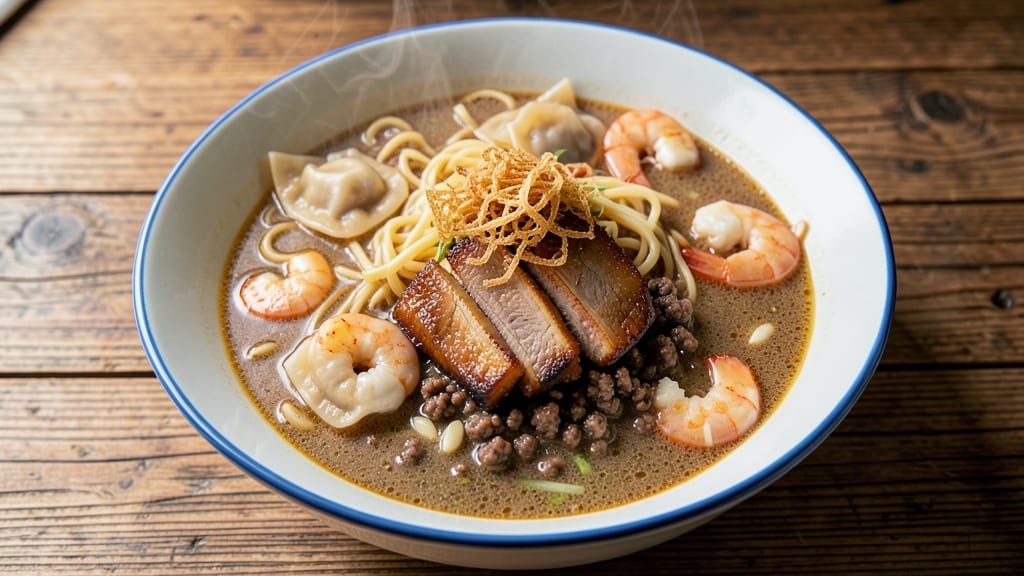
This beef wonton noodle soup delivers the perfect balance of crispy wontons, tender beef, and rich broth—every spoonful is a symphony of texture and flavor. 🌟 The secret lies in handmade wontons that puff to golden perfection when dropped into simmering broth, while a slow-cooked beef base infuses the liquid with deep umami.
I’ve perfected this recipe over years of testing, ensuring each component—from the broth to the noodles—works together harmoniously.
The broth starts with a simple yet flavorful base of beef bones, ginger, and star anise, simmered low and slow to extract maximum richness. While the broth works its magic, you’ll assemble wontons with delicate wrappers filled with seasoned pork and shrimp—a technique that’s both traditional and beginner-friendly.
The result? Wontons that stay crispy on the outside while remaining tender inside, floating in a broth so aromatic it’ll have everyone asking for seconds.
This soup is more than just a meal—it’s an experience. The moment you drop the wontons into the simmering broth, they’ll puff up like magic, creating a contrast of textures that’s impossible to resist.
The noodles, cooked just shy of al dente, soak up the flavorful liquid, while the beef adds heartiness. Garnish with green onions and a drizzle of chili oil for an extra layer of depth that elevates every bite.
Whether you’re serving a crowd or treating yourself to a comforting bowl, this recipe delivers restaurant-quality results at home. The beauty of it? You can make the broth ahead, so all you’ll need to do on serving day is assemble the wontons and bring everything together.
Let’s get started on creating a soup that’s as satisfying as it is delicious.
Ingredients for beef wonton noodle soup
These ingredients transform into a restaurant-worthy beef wonton noodle soup with crispy wontons and rich broth.
| Ingredient | Amount | Notes |
|---|---|---|
| Wonton Wrappers 🍜 | 16 pieces | Square, store-bought or homemade |
| Ground Beef 🥩 | 1 lb | 80/20 fat ratio preferred |
| Pork Shoulder 🐷 | 8 oz | Finely ground for filling |
| Shrimp 🦐 | 6 oz | Peeled, deveined, chopped small |
| Fresh Ginger 🧄 | 2 tbsp | Finely grated, peel removed |
| Garlic Cloves 🧄 | 6 cloves | Minced, for filling and broth |
| Green Onions 🧅 | 4 whole | White and green parts separated |
| Eggs 🥚 | 1 whole | Beaten for wonton filling |
| Dried Shiitake Mushrooms 🍄 | 4 pieces | Rehydrated for broth |
| Star Anise 🌟 | 2 whole | For aromatic broth |
| Dried Tangerine Peel 🍊 | 1 tbsp | For subtle citrus aroma |
| Beef Bones 🦴 | 2 lb | For rich broth base |
| Egg Noodles 🍜 | 8 oz | Fresh or dried, al dente |
| Chili Oil 🌶️ | 2 tbsp | For garnish, optional |
| Soy Sauce 🥢 | 4 tbsp | Light or dark, for seasoning |
The wonton wrappers are the star—King Noodle or T&T brand (found in the Asian aisle) are my go-tos, but any square wrappers work. For the filling, 80/20 ground beef gives that perfect fat-to-lean ratio for juiciness. Pork shoulder and shrimp add layers of flavor, but if you're vegetarian, extra mushrooms and tofu can replace them. The ginger and garlic? Fresh is non-negotiable here—they’re the backbone of flavor in both the filling and broth. Look for organic ginger at Whole Foods or your local Asian market for the best punch.
No fresh ginger? Powdered works at half the amount, but it won’t have the same depth. Ran out of shrimp? Extra pork or scallops keep the texture right. The dried shiitake mushrooms are a game-changer for the broth—soak them in hot water first to rehydrate. For the star anise and tangerine peel, Asian grocery stores usually have these in the spice aisle. Short on time? Instant miso paste can boost umami in a pinch, but nothing beats the slow-simmered broth. The egg noodles? Fresh if you can find them, but dried works too—just cook them al dente.
Broth keeps for 5 days in the fridge or 3 months frozen—make a double batch. Wonton wrappers freeze beautifully too, so store them between parchment paper. The filling can be prepped ahead and kept in the fridge for 2 days. No need to cook the noodles until serving—just rinse them under cold water to stop cooking. Garnish with green onions and chili oil right before serving for that restaurant-fresh look. Leftovers? Even better the next day—flavors meld like magic.
Why You'll Love This Recipe
- Pantry to Table Fast: I swear by this when I’m starving but don’t want to slave over a stove—just brown the beef and pork, toss in pre-chopped ginger, and let the broth work its magic. The wonton wrappers? I keep a box frozen, so they’re ready when I am.
- Double-Meat Magic: That combo of ground beef and shredded pork shoulder? Chef’s kiss. The beef gives it hearty texture, while the pork melts into rich, savory layers. And when you add shrimp? Suddenly it’s restaurant-worthy without the fuss.
- Lunchbox Hero: Between us, this is my go-to for meal prep—tastes even better the next day. Pack it cold with extra wontons for dipping, and you’ve got a lunch that’ll make coworkers jealous. (Yes, even on a Tuesday.)
- Budget-Friendly Feast: I stretch a small bag of ground beef and a pork shoulder into four servings, plus leftovers that don’t skimp on flavor. Add shrimp for special occasions, or skip it entirely—it’s still a winner. My wallet (and my family) thank me.
Step-by-step instructions for beef wonton noodle soup
Let's build this comforting bowl of goodness with rich broth and crispy wontons.
🍳 Step 1: Prepare the Wonton Filling
In a large bowl, combine the 1 lb ground beef and 8 oz finely ground pork shoulder. Add the 6 oz chopped shrimp, 2 tbsp finely grated fresh ginger, 6 minced garlic cloves, and 1 whole beaten egg. Mix everything thoroughly with your hands until well combined.
Here's the thing - the shrimp adds a delicate sweetness that balances the richness of the meat. I like to press the mixture gently with my fingers to ensure all the aromatics are evenly distributed. This filling should be moist but not sticky - if it feels too dry, add a teaspoon of water to help bind it.
🥘 Step 2: Assemble and Cook the Wontons
Set up a small bowl of water next to your wonton wrappers. Dip one wrapper at a time in the water until just flexible, then place about 1 tablespoon of filling in the center. Fold the wrapper diagonally to form a triangle, then press the edges firmly to seal, leaving a small opening at the top for steam to escape.
For crispy wontons, I use a non-stick skillet with 1 tablespoon oil heated over medium-high heat. Cook the wontons in batches for 2-3 minutes per side until they're golden brown and crispy. Don't overcrowd the pan - give them space to develop that perfect crust. Transfer to a paper towel-lined plate to drain excess oil while you prepare the broth.
🔥 Step 3: Create the Rich Beef Broth
In a large pot, combine the 2 lb beef bones, 4 pieces rehydrated shiitake mushrooms, 2 whole star anise, and 1 tbsp dried tangerine peel. Add 8 cups water and bring to a boil over high heat. Once boiling, reduce heat to low and skim off any foam that rises to the surface.
Simmer uncovered for 1.5 hours until the broth develops a deep, rich color and the bones are tender. The aroma should be intoxicating - earthy from the mushrooms, warm from the star anise, with a subtle citrus note from the tangerine peel. Strain the broth through a fine-mesh sieve into a clean pot, pressing gently on the solids to extract all the flavor.
🍲 Step 4: Season and Finish the Soup
Return the strained broth to the pot and add 4 tbsp soy sauce. Bring to a gentle simmer, then add the 8 oz egg noodles and cook for 3-4 minutes until al dente. The noodles should be tender but still have a slight bite - they'll continue cooking in the hot broth.
Here's where it gets good - ladle the hot broth into serving bowls, then float the crispy wontons on top. Drizzle with 2 tbsp chili oil and garnish with sliced green onions. The contrast of the crispy wontons against the silky broth is what makes this soup truly special. Serve immediately while the wontons are still crisp!
Pro Tips For Making Beef Wonton Noodle Soup
- Parboil the Pork: Toss the pork shoulder in a pot of boiling water for 5 minutes before shredding—it’ll shred like butter instead of turning to mush. I learned this the hard way after struggling with rubbery pork in my first batch.
- Salt the Shrimp: Toss peeled shrimp in a mix of 1 tablespoon soy sauce and ½ teaspoon salt before cooking—it keeps them tender and adds flavor without overpowering the broth. My grandmother swore by this, and she was right.
- Simmer Wontons Low: Drop wontons into the broth after the broth has simmered for 10 minutes—hot water makes them burst open. If you’re impatient, use a slotted spoon to gently lower them in.
- Toast the Ginger: Lightly fry fresh ginger slices in oil for 30 seconds until fragrant—it deepens the flavor more than raw ginger ever will. Skip this, and your soup will taste flat, no matter how much you add.
Common mistakes when making great beef wonton noodle soup
Overfilling Wontons
Using more than 1 tablespoon of filling per wonton wrapper causes them to burst when dropped into broth. The wrappers can only hold so much—overstuffing leads to messy, uneven shapes and soggy textures.
I learned this the hard way when my first batch exploded like overinflated balloons! Stick to 1 tablespoon max, and press the edges firmly to seal without trapping air. 🌟
Skipping the Water Dip
Dipping wonton wrappers in water before folding is non-negotiable for crispy results. Without this step, the wrappers dry out and become brittle, making them nearly impossible to seal properly. Use a small bowl of water and dip just the edges—enough to make them pliable but not soggy.
This creates that perfect golden crust when fried. Trust me, your wontons will thank you!
Overcrowding the Pan
Cooking too many wontons at once in the skillet causes them to steam instead of crisp up. The ideal batch is 4-6 wontons per pan—this ensures they develop that golden-brown crust on both sides.
Overcrowding leads to soggy, greasy wontons that lose their signature texture. Patience here pays off with restaurant-quality results. ⏰
Undercooking the Broth
Rushing the broth by simmering for less than 1.5 hours means missing out on deep, rich flavor development. The long simmer is what extracts collagen from the beef bones and melds all the spices together.
If you're short on time, consider using a pressure cooker (set to high pressure for 90 minutes)—it cuts time without sacrificing flavor. But for the best results, slow and steady wins the race. 🔥
Adding Noodles Too Early
Tossing noodles into the broth before it's fully simmering causes them to absorb too much liquid and become mushy. Wait until the broth is at a rolling boil before adding noodles, then reduce to a gentle simmer for 3-4 minutes.
This ensures they cook evenly without turning into a sad, gluey mess. The goal is al dente—noodles should have a slight bite to them. 🍜
Neglecting the Resting Time
Letting the wontons rest for 5 minutes after frying might feel like a waste of time, but it's crucial. This brief pause allows the filling to set slightly, preventing them from falling apart when dropped into the broth.
Skipping this step often leads to broken wontons that sink instead of floating beautifully on top. A little patience here makes all the difference! ✨
Nutrition facts
Frequently asked questions
Can I make this soup vegetarian? Replace the beef with extra mushrooms and tofu for the broth, and swap the pork/shrimp filling for a mix of mushrooms, tofu, and finely chopped napa cabbage. Use vegetable broth instead of beef broth to maintain that rich umami flavor. The wontons will still be delicious—just
How do I store leftovers?
Store the broth separately from the wontons and noodles. The broth keeps for 5 days in the fridge or 3 months frozen. Reheat gently on the stove—never microwave it directly. For wontons, store them in a single layer on a plate, covered with parchment paper, and refrigerate for up to 2 days. Reheat in a skillet for 1-2 minutes to restore crispiness. The noodles should be cooked fresh, but you can reheat them in hot broth for 1 minute if needed.
Can I make the wontons ahead of time?
Yes! Assemble the wontons and freeze them on a tray lined with parchment paper until solid, then transfer to a freezer bag. Cook them straight from frozen—just add 30 seconds per side to your frying time. For extra crispiness, let them sit at room temperature for 10 minutes before frying. This shortcut works perfectly for meal prep, and the flavor stays just as vibrant.
What's the secret to crispy wontons?
Three key steps: 1) Dip wrappers lightly in water before folding, 2) Use medium-high heat in a non-stick skillet, and 3) Don't overcrowd the pan. Cook in batches of 4-6 wontons for 2-3 minutes per side until golden. The water creates steam that puffs them up, while high heat builds that crispy crust. Let them rest 5 minutes before adding to broth to set the filling.
Can I use dried noodles instead of fresh?
Dried noodles work perfectly—just check the package for cooking time and reduce it by 1-2 minutes since they'll finish cooking in the broth. Rinse them under cold water after cooking to stop the process and prevent mushiness. For extra flavor, add 1 tbsp soy sauce to the noodles before cooking. Fresh noodles are ideal for texture, but dried ones save time without sacrificing taste.