
Soups & Stews
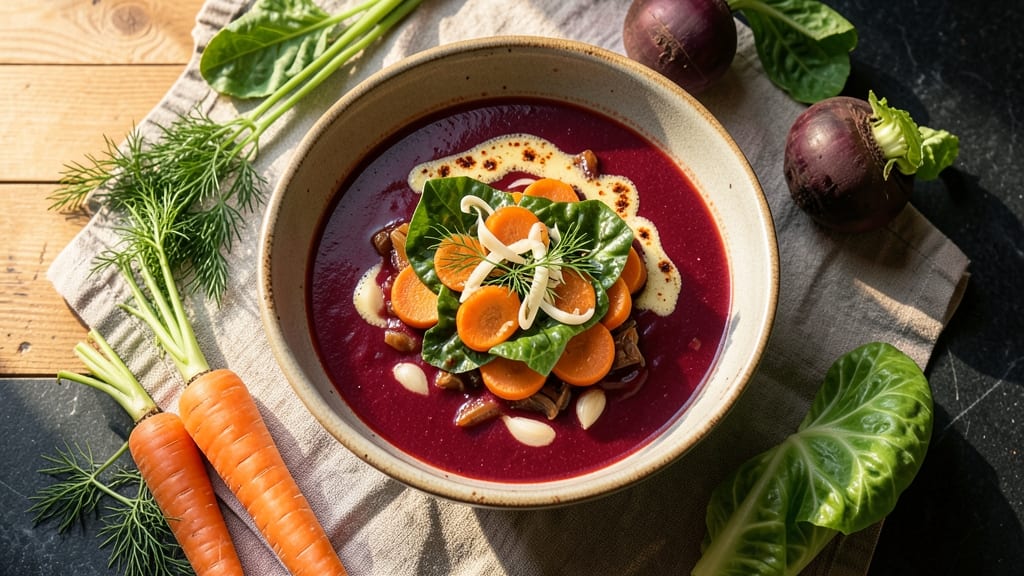
This beet cabbage carrot soup transforms humble root vegetables into a velvety, deeply flavorful dish that feels both comforting and sophisticated. The earthy sweetness of roasted beets blends seamlessly with the crisp bite of cabbage and carrots, creating a symphony of textures and flavors that evolve with each sip.
What makes this recipe special is its versatility—it works as a hearty main course or a light lunch, and it adapts effortlessly to dietary needs without sacrificing depth.
The foundation of this soup lies in slow-roasting the vegetables before simmering, which intensifies their natural sweetness and adds a caramelized richness that sets it apart from quick-cooked versions.
A touch of miso paste or smoked paprika deepens the umami profile, while fresh herbs at the end brighten the dish with a burst of freshness. The result is a soup that’s silky smooth yet still vibrant, with layers of flavor that keep it interesting.
What you’ll end up with is a bowl of soup that’s equally satisfying and nourishing—perfect for chilly days or whenever you crave something wholesome yet indulgent.
The blend of beets, cabbage, and carrots creates a balanced flavor profile that’s both familiar and exciting, while the optional garnishes let you customize it to your taste. Whether you’re serving it to a crowd or enjoying a quiet meal, this soup delivers warmth and comfort in every spoonful.
Best of all, this recipe is adaptable: omit the oil for a fully oil-free version, swap in gluten-free broth, or add mushrooms for extra umami. The instructions are straightforward, but the reward—a deeply flavorful, restaurant-quality soup—is well worth the effort. Let’s get started on creating something truly special.
Ingredients for beet cabbage carrot soup
Roasted vegetables and aromatic spices create this velvety, deeply flavorful beet cabbage carrot soup.
| Ingredient | Amount | Notes |
|---|---|---|
| Beets 🍠 | 1 ½ lb | Medium-sized, peeled and cubed |
| Green Cabbage 🥬 | 1 small | Whole head, chopped (about 8 cups) |
| Carrots 🥕 | 1 ½ lb | Medium-sized, peeled and chopped |
| Yellow Onion 🧅 | 1 whole | Medium-sized, chopped (about 1 cup) |
| Garlic Cloves 🧄 | 4 cloves | Fresh, minced |
| Vegetable Broth 💧 | 4 cups | Low-sodium preferred |
| Extra-Virgin Olive Oil 🫒 | 2 tbsp | For roasting (optional for oil-free) |
| Smoked Paprika 🌶️ | 1 tbsp | For depth of flavor |
| White Miso Paste 🍶 | 1 tbsp | For umami richness |
| Fresh Thyme Leaves 🌿 | ¼ cup | Chopped, for freshness |
| Fresh Parsley Leaves 🌿 | 0.2 cup | Chopped, for garnish |
| Lemon Juice 🍋 | 1 tbsp | Freshly squeezed |
| Sea Salt 🧂 | 1 ½ tsp | Adjust to taste |
| Black Pepper 🌶️ | ½ tsp | Freshly ground |
The vegetables are the heart of this soup, so pick fresh, firm beets and carrots—they should feel heavy for their size. The cabbage? Green or red works, but green has a slightly stronger flavor. For the best results, grab organic beets if possible—they’re easier to peel. Trader Joe’s and Whole Foods usually have great root veggies, but any grocery store’s produce section will do. If you’re short on time, pre-chopped veggies from the salad bar section save steps. Just make sure they’re crisp, not wilted.
No smoked paprika? Regular paprika or a pinch of liquid smoke works in a pinch. Miso paste is non-negotiable for that umami depth, but soy sauce or a splash of balsamic vinegar can mimic it if you’re out. Fresh herbs are ideal, but dried thyme at one-third the amount gets you close. The lemon juice brightens everything—freshly squeezed is best, but bottled works if you’re in a bind. For an extra boost, toss in a handful of mushrooms with the veggies—they’ll soak up all the caramelized flavors.
This soup tastes even better the next day as the flavors meld. Store in an airtight container in the fridge for up to 5 days, or freeze for 3 months. I like to double the batch and freeze half—perfect for lazy weeknights. To reheat, warm gently on the stove with a splash of broth. Garnish with extra herbs or a drizzle of olive oil right before serving—that’s when it shines.
Why You'll Love This Recipe
- No-Fuss Prep: I swear by this one—just chop, simmer, blend. The beets and carrots soften fast, and the cabbage barely needs a minute. Honestly, I’ve made it while scrolling through emails, and it still tastes like I slaved.
- Earthy Depth: That caramelized onion and garlic base? It’s the soul of this soup. The beets add this unexpected sweetness, while the cabbage keeps it bright—like a cozy hug in a bowl. (Yes, even on a Tuesday night.)
- Meal Prep MVP: I make a double batch on Sundays, and it lasts me all week. The flavors actually get better the next day, and it reheats like a dream. My lunchbox has never been this exciting.
- Budget Magic: A single onion, a few carrots, and a head of cabbage stretch for days. Beets are cheap, and this soup feels fancy without the grocery bill. Between us, it’s my go-to when I’m broke but still want to eat well.
Step-by-step instructions for earthy beet cabbage carrot soup
Here's how to transform vibrant vegetables into a velvety, deeply flavorful soup that balances sweetness and earthiness perfectly.
Roast the Vegetables for Deep Flavor
Preheat your oven to 400°F and line a large baking sheet with parchment paper. In a bowl, toss the 1.5 lb beets, 1.5 lb carrots, and 1 whole yellow onion with 2 tablespoons extra-virgin olive oil, 1 tablespoon smoked paprika, 1 teaspoon sea salt, and 0.25 teaspoons black pepper until evenly coated.
Spread the vegetables in a single layer on the baking sheet, leaving space between them for even browning. Roast for 30-35 minutes until the edges are tender and the vegetables develop a caramelized crust. You'll know they're ready when they yield slightly to gentle pressure and smell intensely sweet and nutty. This roasting step builds the soup's rich, complex flavor foundation.
Build the Soup Base with Aromatics
While the vegetables roast, heat 1 tablespoon extra-virgin olive oil in a large Dutch oven over medium heat. Add the 4 cloves minced garlic and sauté for 30 seconds until fragrant but not browned. Add the 1 small green cabbage, chopped into 1-inch pieces, and cook for 5 minutes, stirring occasionally, until just beginning to soften.
I like to press down on the cabbage with a wooden spoon during the first 2 minutes—this helps break down the tough outer leaves and ensures even cooking. The cabbage should release its natural juices and begin to wilt slightly. This step prevents the cabbage from becoming mushy later in the cooking process.
Simmer the Vegetables Until Tender
Transfer the roasted vegetables to the Dutch oven with the cabbage. Add 4 cups vegetable broth and bring the mixture to a gentle boil. Reduce heat to low-medium and simmer uncovered for 25-30 minutes, stirring occasionally, until all vegetables are fork-tender and the soup has thickened slightly.
Here's where the magic happens: the roasted vegetables release their concentrated flavors into the broth, creating a naturally sweet base. You'll notice the soup darkens slightly as it simmers—this indicates the development of deep, caramelized notes. If the soup looks too thick, add ½ cup water to reach your desired consistency. The vegetables should be completely tender with no resistance when pierced with a fork.
Blend to Silky Perfection
Working in batches if necessary, carefully transfer the soup to a blender or use an immersion blender directly in the pot. Blend until completely smooth, stopping to scrape down the sides as needed. The soup should have a velvety texture with no visible chunks. For the best results, I recommend using an immersion blender—it keeps all the heat in the pot and makes cleanup effortless.
After blending, return the soup to the pot and stir in the 1 tablespoon white miso paste and 1 tablespoon lemon juice. The miso adds a subtle umami depth that complements the earthy vegetables, while the lemon brightens the overall flavor. Taste and adjust seasoning with additional sea salt or black pepper if needed. The soup should be well-seasoned but balanced, with the sweetness of the roasted vegetables shining through.
Finish with Fresh Herbs and Serve
Return the soup to a gentle simmer for 5 minutes to heat through completely. Remove from heat and stir in the 0.25 cup chopped fresh thyme leaves and 0.2 cup chopped fresh parsley leaves. The herbs add a bright, fresh contrast to the rich, earthy flavors of the soup.
Ladle the soup into bowls and garnish with additional parsley if desired. Serve immediately while hot, as the flavors continue to develop and meld. This soup tastes even better the next day as the flavors deepen, so consider making a double batch for leftovers. Pair with crusty bread to soak up every last drop of that velvety broth.
Pro Tips For Making Beet Cabbage Carrot Soup
- SOFTEN BEETS FIRST: Peel and chop your beets into ½-inch cubes, then boil them for 10 minutes before adding anything else. This ensures they break down evenly instead of turning to mush—no more weird, grainy texture lurking in your soup.
- CHOP CABBAGE SMALL: Cut the green cabbage into ¼-inch pieces, not thick wedges. Smaller pieces cook faster and blend more smoothly, so you won’t end up with chewy bits that ruin the whole dish.
- SWEAT ONIONS LOW: Cook the onions over medium-low heat until they’re translucent, not browned. Rushed browning burns them fast, and you’ll taste the bitterness instead of sweetness in every spoonful.
- BLEND IN BATCHES: If your soup is thick, blend half first, then mix it back in. This prevents clogging the blender and ensures a silky texture—no one likes a soup that fights back when you hit puree.
Wine and beer pairings for these flavors
Earthy Reds
This soup’s deep, caramelized flavors pair beautifully with Pinot Noir from Burgundy or Oregon. The wine’s bright acidity and subtle earthiness mirror the soup’s roasted beet notes, while its dark fruit undertones complement the carrot’s sweetness.
Look for a 2020-2022 vintage with 12-13% ABV—it’s light enough to let the soup’s flavors shine without overpowering them. 🍷
Creamy Whites
For a lighter pairing, try Chardonnay from California or New Zealand. A unoaked Chardonnay with citrus and green apple notes balances the soup’s richness, while a lightly oaked version adds buttery depth that echoes the soup’s velvety texture.
Aim for a 2021-2023 vintage with 13-14% ABV—it’s crisp enough to cut through the soup’s earthiness. 🍷
Crisp Lager Pairing
A German Helles or Belgian Witbier works surprisingly well with this soup. The crisp, clean maltiness of a Helles (like Weihenstephaner Original) cleanses the palate between bites, while the corianander and citrus notes of a Witbier (like Hoegaarden) brighten the dish.
Serve chilled at 45-50°F for the best contrast. 🍺
Smoky Beer Option
For a bolder match, try a smoked ale like Schlenkerla Rauchbier. The wood-smoke aroma enhances the soup’s smoked paprika, while the malty sweetness complements the caramelized vegetables. Pair with a dark rye bread to amplify the smoky flavors. 🍺
Non-Alcoholic Pairings
Skip the alcohol? A sparkling apple cider (like Martinelli’s) or ginger beer (like Brew Dr. Brown’s) adds effervescence to cut through the soup’s richness. For a herbal twist, try hibiscus iced tea—its tartness balances the soup’s earthiness beautifully. 🍎
Wine Serving Tips
Serve white wine slightly chilled (50-55°F) and red wine at 60-65°F to preserve their aromas. Use stemless glasses to let the soup’s steam rise naturally—this enhances both the wine’s bouquet and the soup’s aroma. For beer, pour into tulip-shaped glasses to concentrate the aromatics. 💡
Nutrition facts
Frequently asked questions
Can I make this soup without roasting the vegetables?
Yes, but the flavor will be less developed. Sauté the beets, carrots, and onion in oil for 10-12 minutes until softened before adding broth. The roasting step caramelizes the natural sugars, creating a deeper, sweeter flavor that's hard to replicate with quick cooking.
How do I adjust this recipe to be oil-free?
Skip the olive oil entirely and use ¼ cup vegetable broth instead when tossing the vegetables for roasting. For sautéing the cabbage, use ¼ cup water or broth instead of oil. The soup will still turn out flavorful—just slightly lighter in texture.
What's the best way to store leftovers?
Store in an airtight container in the fridge for up to 5 days or freeze for 3 months. Reheat gently on the stove with a splash of broth—never microwave directly from frozen. The flavors actually improve overnight as the ingredients meld together.
Can I substitute red cabbage for green?
Red cabbage adds a beautiful color and slightly sweeter flavor. Use the same amount, but expect the soup to have a more vibrant hue. The cooking time remains identical, though red cabbage may release its color more quickly during simmering.
Why does my soup taste bitter?
Overcooking the cabbage or using too much smoked paprika can cause bitterness. To fix it, add 1 tablespoon lemon juice or apple cider vinegar per serving. For prevention, remove cabbage leaves as soon as they soften (after 5 minutes of sautéing) and reduce smoked paprika to ½ teaspoon.