
Soups & Stews
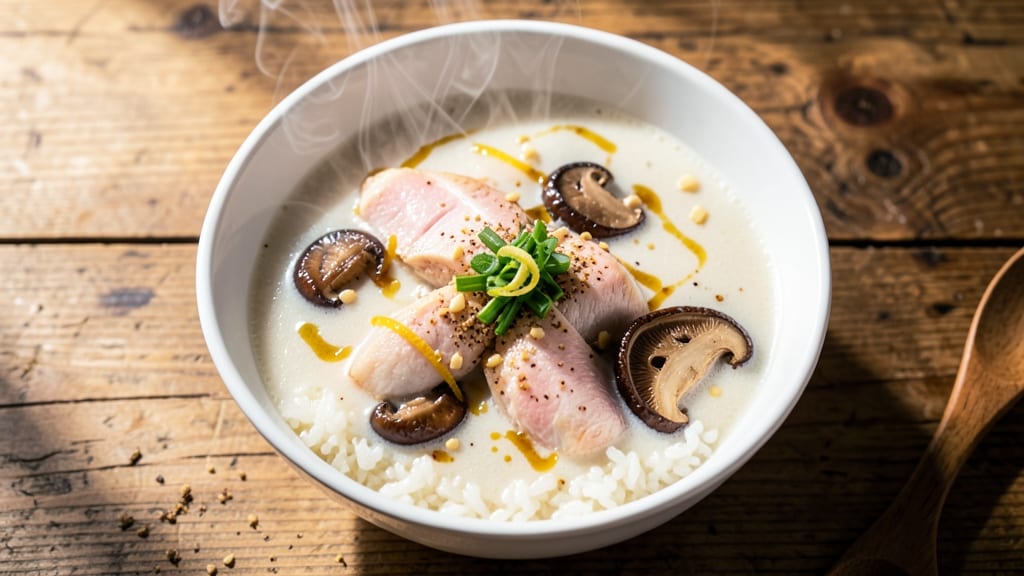
This bento soup recipe transforms a simple bowl into a complete Japanese-inspired meal—warm, balanced, and packed with texture. The secret lies in layering flavors: a rich miso broth simmers with tender chicken, while quick-pickled vegetables add brightness, and fluffy rice soaks up every delicious drop.
What makes this recipe special is how it blends tradition with convenience, creating a one-bowl dish that feels both comforting and restaurant-worthy.
The foundation starts with a foolproof miso broth, infused with garlic, ginger, and mushrooms for depth. Meanwhile, the bento components—protein, rice, and pickled toppings—cook separately to maintain perfect textures. The result? A harmonious mix of savory, tangy, and umami notes that turn an ordinary lunch into a satisfying experience.
This recipe works for weeknights or meal prep, ensuring you always have a balanced, flavorful meal ready in minutes.
By the time you assemble everything, you’ll have a bowl that’s as visually appealing as it is delicious—golden rice, tender protein, and vibrant pickled vegetables all working together. The broth is rich but not heavy, the rice is fluffy yet sturdy, and the pickled toppings add a refreshing crunch.
It’s the kind of meal that feels like a hug in a bowl, perfect for anyone craving a taste of Japan without the fuss.
Whether you’re cooking for one or meal prepping for the week, this bento soup adapts effortlessly. Swap the chicken for tofu or shrimp, or adjust the pickled vegetables to your taste. The key is balancing flavors and textures, so every spoonful delivers a little bit of comfort. Let’s get started!
Ingredients for bento soup
Foolproof miso broth, tender chicken, and quick-pickled veggies create this comforting Japanese-inspired meal.
| Ingredient | Amount | Notes |
|---|---|---|
| Chicken Breast 🍗 | 1 ½ lb | Boneless, skinless, cut into bite-sized pieces |
| White Miso Paste 🧂 | ¼ cup | High-quality, preferably organic |
| Dashi Broth 💧 | 3 cups | Store-bought or homemade kombu-bonito |
| Japanese Short-Grain Rice 🍚 | 1 cup | Uncooked, for fluffy texture |
| Shiitake Mushrooms 🍄 | 8 whole | Fresh, stems removed |
| Garlic Cloves 🧄 | 6 cloves | Minced for aromatic base |
| Fresh Ginger 🌿 | 1 tbsp | Grated, for zesty brightness |
| Red Bell Pepper 🍅 | 1 whole | Thinly sliced for pickled topping |
| Carrot 🥕 | 1 medium | Julienned for crunch |
| Rice Vinegar 🍶 | ¼ cup | For quick pickling |
| Sesame Oil 🫒 | 1 tbsp | Toasted, for finishing |
| Toasted Sesame Seeds 🌾 | 1 tbsp | For garnish |
| Green Onion 🧅 | 2 whole | Thinly sliced for garnish |
| Kosher Salt 🧂 | 1 ½ tsp | For seasoning and pickling |
| Sugar 🍬 | 1 tbsp | For pickling balance |
The miso paste is the heart of this soup—Honsokan or White Miso from Japanese markets delivers the deepest umami, but any quality miso works. If you can't find dashi broth, make your own by simmering kombu and bonito flakes in water for 10 minutes. The chicken should be bite-sized for even cooking, and Trader Joe's pre-cut chicken saves time without sacrificing quality. Shiitake mushrooms add earthy depth—fresh ones are ideal, but rehydrated dried mushrooms work too (soak in warm water first).
No rice vinegar? Substitute apple cider vinegar at the same amount, though the flavor will be slightly less delicate. For the pickled vegetables, carrot and red bell pepper are classic, but swap in cucumber or daikon if you prefer. Want extra crunch? Add 1 tbsp toasted nori strips to the mix. The sesame oil should be toasted—look for it in the Asian aisle—and use sparingly to avoid overpowering the broth. Green onions can be swapped for chives or scallions if that's what you have on hand.
The rice cooks best in a rice cooker, but a pot works too—1:1.25 rice-to-water ratio gives perfect fluffy texture. Store the miso broth in the fridge for 3-4 days or freeze for 3 months. The pickled veggies stay crisp for 1 week in the fridge, sealed in an airtight container. Assemble the soup just before serving to keep the rice from getting soggy—portion into bowls with broth first, then top with rice, chicken, and pickled veggies.
Why You'll Love This Recipe
- One-Pot Magic: I swear by this recipe when I’m too tired to dirty more than one pot. The chicken simmers right in the broth with shiitakes and miso—no chopping, no fuss, just hands-off flavor building while I prep the rice separately.
- Umami Bomb: That white miso paste? It’s the secret weapon here. Rich, salty, and just a touch sweet, it melts into the dashi broth for a depth that makes store-bought soup packets look sad. (Yes, even my picky husband licks the bowl.)
- Lunchbox Hero: Between us—this is my go-to for meal prep. Cook a big batch, portion the rice and soup separately, and you’ve got a balanced, satisfying bento that tastes fresh all week. My kids actually eat their veggies when they’re hidden in here.
- Budget Flex: Chicken breast and shiitakes stretch further than you’d think, especially with the rice soaking up every last drop of that savory broth. I make this twice a month, and it’s never a splurge—just smart, repeatable comfort.
Step-by-step instructions for Japanese-inspired bento soup
This hearty bento soup brings together rich umami flavors, tender chicken, and vibrant toppings in one comforting bowl.
Prepare the Chicken and Miso Base
In a large pot, combine the 1.5 lb chicken breast (cut into bite-sized pieces), 3 cups dashi broth, and 0.25 cup white miso paste. Bring to a gentle simmer over medium heat—you'll see the miso dissolve completely and create a velvety base. This step develops the soup's deep umami foundation, so let it simmer uncovered for 15 minutes while you prepare the remaining ingredients.
Here's the thing—don't stir vigorously once the miso dissolves. Gentle simmering prevents the delicate miso from breaking down too quickly, preserving its complex flavors. You'll know it's ready when the broth takes on a rich, golden hue and the chicken becomes fork-tender.
Add Aromatics and Cook the Rice
In a separate pot, combine 1 cup Japanese short-grain rice with 3 cups fresh water and bring to a boil. Once boiling, reduce heat to low and add the 6 cloves minced garlic, 1 tbsp grated fresh ginger, and 1.5 tsp kosher salt. Cover and simmer for 15 minutes—this infuses the rice with aromatic flavors while preventing it from becoming mushy.
Meanwhile, add the 8 whole shiitake mushrooms (stems removed) to the chicken broth and simmer for 8-10 minutes until they soften. The mushrooms should absorb the broth's rich flavors while maintaining their delicate texture. Real talk: if you see any foam forming, skim it off—it's just impurities from the miso.
Prepare the Pickled Toppings
In a small bowl, combine 0.25 cup rice vinegar, 1 tbsp sugar, and 1.5 tsp kosher salt. Add the 1 whole red bell pepper (thinly sliced) and 1 medium carrot (julienned), then let sit for 10 minutes to soften slightly. This quick pickle adds a bright, tangy contrast to the rich soup.
While the pickled vegetables marinate, prepare the garnishes by thinly slicing the 2 whole green onion and setting aside. The acidity from the rice vinegar will mellow slightly but still provide that essential Japanese flavor balance. Don't skip this step—it transforms the soup from ordinary to extraordinary.
Combine and Finish the Soup
Once the chicken is fully cooked (internal temperature 165°F), carefully transfer it to a plate. Strain the broth through a fine-mesh sieve to remove any impurities, then return it to the pot. Add the cooked rice and simmer together for 5 minutes to infuse the grains with the broth's flavors.
Return the chicken to the pot and stir gently. Remove from heat and let it rest for 2 minutes. This resting period allows the flavors to meld perfectly. Just before serving, drizzle with 1 tbsp toasted sesame oil and sprinkle with 1 tbsp toasted sesame seeds for nutty depth and visual appeal.
Assemble and Serve
Ladle the hot soup into bowls, dividing the rice and chicken evenly. Top each serving with the pickled red bell pepper and carrot, then garnish with sliced green onion. The contrast of textures and temperatures—warm soup, crisp pickles, fresh herbs—creates a harmonious bite that's pure comfort.
I always serve this with a side of steamed greens to round out the meal. The soup's rich umami flavors pair beautifully with the bright acidity of the pickled vegetables, making each spoonful a balanced experience. Enjoy immediately while the toppings retain their crispness!
Pro Tips For Making Bento Soup
- Simmer Chicken Low: I used to rush the chicken and end up with dry, stringy meat—no good for a bento soup. Instead, poach the sliced breast in the dashi broth first at a gentle simmer (just bubbles breaking the surface) for 8-10 minutes. The broth will infuse the chicken while keeping it tender enough to slice neatly for your bento.
- Prep Mushrooms Right: Skip the soak—just brush fresh shiitake caps with a damp towel to remove dirt, then slice them thick (¼-inch). If using dried, rehydrate in warm dashi for 20 minutes, but drain well. Over-soaking makes them mushy, and that’s a bento soup dealbreaker.
- Dissolve Miso Properly: The miso paste is the soul of this soup, so don’t just toss it in. First, whisk it with a splash of the hot dashi broth (about ¼ cup) until smooth, then add it to the pot. Stirring it into cold broth creates clumps that ruin the texture—trust me, you’ll taste the difference.
- Use Leftover Rice: Cold, day-old Japanese rice is the secret weapon here—it absorbs flavors better and gives that perfect bento texture. If making fresh, cook it slightly underdone (just until the liquid’s absorbed), then spread it on a tray to cool quickly. Overcooked rice turns gummy in soup.
Troubleshooting your bento soup
Miso Broth Too Salty
If your miso broth tastes overly salty, don't panic—this happens when miso dissolves completely. To fix it, add ½ cup hot water to dilute the broth gradually. Taste as you go, adding more water in 2 tbsp increments until the saltiness balances.
For future batches, reduce miso to 2 tbsp instead of ¼ cup if you prefer milder flavor. 💧
Rice Turning Mushy
Overcooked rice ruins the texture of your bento soup. To prevent this, use a 1:1.25 rice-to-water ratio and cook it separately from the broth. If your rice already turned mushy, spread it on a tray and bake at 300°F for 10 minutes to dry it out slightly.
For next time, cook the rice in the broth only for the final 5 minutes of simmering. ⏰
Chicken Overcooking
Tender chicken is key—overcooking makes it dry. Use a meat thermometer to check for 165°F internal temperature and remove it immediately when done. If your chicken is tough, try poaching it separately in 2 cups broth for 12 minutes before adding it back to the soup.
For extra tenderness, marinate the chicken in 1 tbsp soy sauce and 1 tsp grated ginger for 30 minutes before cooking. 🍗
Pickles Too Soft
Crisp pickled veggies are essential for contrast. If yours turned soft, try this fix: Drain them and pat dry with a paper towel, then toss with 1 tsp cornstarch to restore crunch.
For next time, reduce the marinating time to 5 minutes instead of 10 minutes and use ½ cup vinegar instead of ¼ cup for a firmer texture. 🥕
Broth Too Thin
A watery broth ruins the richness of bento soup. If yours is too thin, simmer it uncovered for 5-10 minutes to reduce. For extra depth, stir in 1 tbsp cornstarch mixed with 2 tbsp water and cook for 2 minutes until thickened.
To prevent this, use ½ cup less water in future batches and add mushrooms first—they release flavor as they cook. 🥄
Flavor Imbalance
If your soup lacks balance, adjust with these quick fixes: Add ½ tsp sugar to reduce saltiness, 1 tbsp rice vinegar for acidity, or ½ tsp toasted sesame oil for richness.
For next time, taste the broth at each stage—after miso dissolves, after mushrooms cook, and before serving. This helps you catch imbalances early. 🌟
Nutrition facts
Frequently asked questions
Can I make this bento soup vegetarian or vegan?
Swap the chicken for firm tofu or shiitake mushrooms as the protein base. Use vegan miso paste (check labels) and ensure your dashi broth is made with kombu (seaweed) instead of bonito flakes. For extra umami, add 1 tbsp soy sauce or 1 tsp nutritional yeast to the broth. The pickled vegetables and rice remain the same, keeping the dish balanced and flavorful.
How do I store leftovers to keep everything fresh?
Store the soup base (broth, chicken, mushrooms) in an airtight container for 3-4 days in the fridge. Keep the rice and pickled vegetables separate to maintain texture. Reheat the broth separately, then add the rice and chicken just before serving. The pickled veggies can be stored for 1 week in the fridge—drain them before reheating to preserve crispness. For longer storage, freeze the broth alone for up to 3 months.
What are the best sides to serve with bento soup?
This hearty soup pairs beautifully with light, fresh sides to balance the richness. Try steamed bok choy or blanched green beans for extra greens, or a simple cucumber salad with sesame dressing. For a complete meal, add pickled plum (umeboshi) or quick-pickled radishes to enhance the Japanese flavors. A side of miso-glazed eggplant also complements the umami perfectly.
Can I prepare this ahead of time for meal prep?
Yes! Prep the miso broth and chicken up to 2 days ahead, then refrigerate. Cook the rice fresh the day you serve it to keep it fluffy. The pickled vegetables can be made 3 days in advance and stored in the fridge. On serving day, simply reheat the broth, add the pre-cooked chicken and rice, and assemble with the pickled toppings. This makes it perfect for busy weeknights!
Why does my miso broth turn cloudy or separate?
Cloudiness or separation usually happens when miso isn't fully dissolved or the broth cools too quickly. To fix it, whisk the broth vigorously while heating it gently—this redistributes the miso. For future batches, dissolve the miso in ½ cup hot water first before adding it to the broth. Avoid boiling vigorously, as this can break down the miso's delicate flavors. Stir occasionally while simmering to maintain a smooth texture.