
Soups & Stews
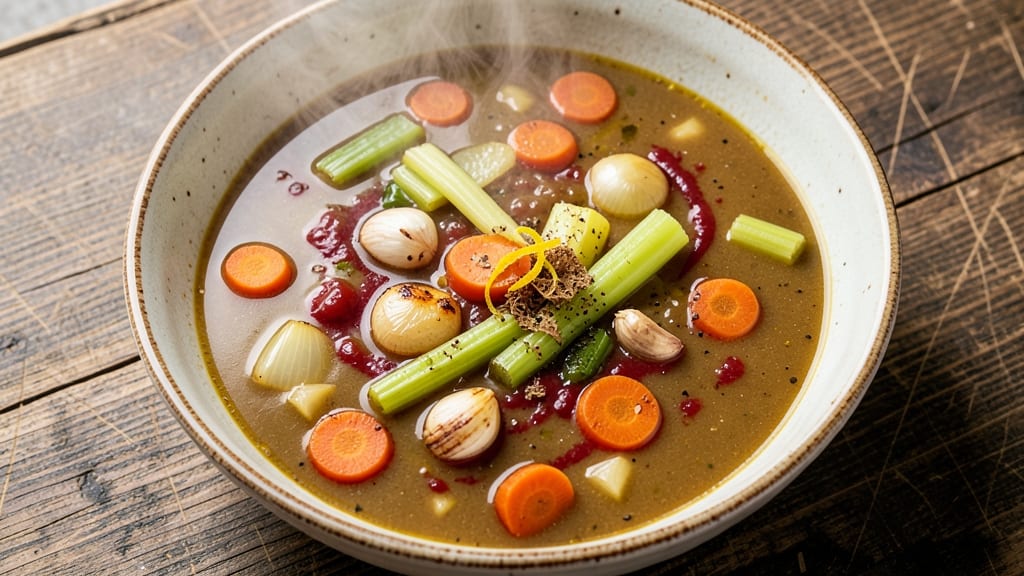
This Bertolas minestrone soup recipe transforms humble pantry staples into a hearty Italian classic that tastes like a home-cooked meal from a Tuscan countryside. The secret lies in slow-simmered vegetables, rich tomato paste, and Bertolas' signature broth—all combining to create a soup that's both comforting and authentically flavorful.
Every spoonful delivers layers of savory, earthy, and slightly tangy notes that define true Italian comfort food.
The beauty of this recipe is its simplicity—no fancy ingredients required, just fresh vegetables, canned beans, and a few pantry staples. What sets it apart is the technique: sautéing onions and garlic until deeply aromatic, then building flavor through gradual simmering.
The result is a soup that's deeply satisfying yet light enough for any season. Perfect for weeknight dinners or potluck gatherings, this minestrone proves that great food doesn't need to be complicated.
By the time you're done, you'll have a steaming bowl of rustic Italian richness—packed with tender vegetables, hearty beans, and al dente pasta. The broth will be rich and flavorful, with just the right balance of acidity and depth.
Garnish with fresh basil and grated Parmesan for that final touch of authenticity. This is the kind of soup that disappears faster than you can say "minestrone."
Whether you're feeding a family or meal prepping for the week, this recipe delivers consistent, restaurant-quality results every time. The long simmering process ensures maximum flavor extraction, while the Bertolas ingredients add that professional touch. Let's get cooking—your taste buds will thank you.
Ingredients for bertolas minestrone soup
Pantry staples meet Italian tradition—this minestrone transforms simple ingredients into rustic Tuscan comfort.
| Ingredient | Amount | Notes |
|---|---|---|
| Bertolas Vegetable Broth 💧 | 6 cups | Low-sodium preferred for flavor control |
| Medium Carrots 🥕 | 3 whole | Peeled, cut into 1/2-inch slices |
| Celery Stems 🧅 | 3 whole | Trimmed, cut into 1-inch pieces |
| Yellow Onion 🧅 | 1 whole | Medium size, diced finely |
| Garlic Cloves 🧄 | 4 cloves | Fresh, minced for aromatic base |
| Tomato Paste 🍅 | ½ cup | San Marzano preferred for sweetness |
| Canned Diced Tomatoes 🍅 | 1 14.5-oz can | San Marzano if available |
| Cannellini Beans 🌾 | 1 15-oz can | Drained and rinsed thoroughly |
| Green Beans 🌱 | 1 lb | Trimmed, cut into 1-inch pieces |
| Ditalini Pasta 🍝 | 1 cup | Uncooked, al dente texture |
| Fresh Basil Leaves 🌿 | ¼ cup | Chopped for garnish |
| Parmesan Cheese 🧀 | ½ cup | Freshly grated from block |
| Extra-Virgin Olive Oil 🫒 | ¼ cup | For sautéing vegetables |
| Dried Oregano 🌿 | 1 tsp | Italian variety preferred |
| Salt 🧂 | 1 ½ tsp | Diamond Crystal kosher salt |
| Black Pepper 🌶️ | ½ tsp | Freshly ground preferred |
The Bertolas vegetable broth is the foundation—low-sodium version gives you control over seasoning. For vegetables, farmers markets often have the freshest carrots and celery, but grocery store organic bins work well too. Look for vibrant color and crisp texture—no rubbery celery or mealy carrots. The canned tomatoes and beans should be San Marzano if available, but any high-quality brand will do. Ditalini pasta is traditional, but any small tube shape works. Pre-cut vegetables save time, but whole carrots and celery keep better in the fridge for a few days.
No Bertolas broth? Homemade vegetable stock works perfectly—just simmer onion, carrot, celery, and garlic for 30 minutes. Substitute canned beans with white beans or kidney beans if needed. For the tomato paste, Rao's or Barilla brands are excellent alternatives. Fresh basil is ideal for garnish, but dried oregano at half the amount works in a pinch. The olive oil should be extra-virgin and fruity—none of that cheap cooking oil. If you're short on green beans, zucchini or broccoli florets add great texture.
Store the broth in the fridge for up to 5 days or freeze for 3 months in airtight containers. Fresh vegetables keep 5-7 days in the crisper drawer, while canned goods last 12-18 months unopened. Pasta should be stored in a cool, dry place for up to 1 year. For meal prep, cook the soup ahead and reheat on the stove—never microwave as it can make the pasta mushy. Garnish with fresh basil and Parmesan just before serving for that final authentic touch.
Why You'll Love This Recipe
- No-Chop Nightmare: I swear by this one—just toss in pre-cut carrots and celery from the fridge, no knife skills required. The Bertolas broth does all the flavor work for you while you sip wine and pretend you’re a chef.
- Garlic Bomb Depth: That slow-simmered onion and garlic? It’s the secret weapon—caramelized just enough to coat every spoonful with rich, umami warmth. Honestly, I’ll take this over any fancy restaurant minestrone.
- Lunchbox Hero: Make a double batch, and you’ve got tomorrow’s lunch sorted. The flavors actually improve overnight—my kids beg for it cold with crusty bread, and I secretly love the leftovers more than the first serving.
- Pantry Magic: Three ingredients, zero waste. That onion and celery base stretches into multiple meals, and the Bertolas broth means no bouillon cubes or sad, watery attempts. Budget-friendly? More like budget genius.
Step-by-step instructions for Bertolas minestrone soup
Transform simple pantry staples into a hearty, rustic Italian classic with this precise method.
Sauté the Aromatic Vegetable Base
Heat the 0.25 cup extra-virgin olive oil in a large Dutch oven over medium heat until shimmering. Add the 3 whole medium carrots, 3 whole celery stems, and 1 whole yellow onion, all prepped as specified. Sauté for 8-10 minutes until the vegetables soften and the onion becomes translucent.
This foundational step develops deep flavor through caramelization. Stir occasionally to prevent browning, and add the 4 cloves minced garlic in the final 30 seconds of cooking. The garlic should be fragrant but not colored—burnt garlic adds bitterness that overpowers the delicate tomato base.
Build the Tomato Foundation
Reduce heat to medium-low and stir in the 0.5 cup tomato paste and 1 14.5-oz can diced tomatoes (with juices). Cook for 5 minutes until the mixture thickens slightly and the raw tomato flavor mellows. This step creates the soup's velvety texture and balances acidity.
Season with 1 tsp dried oregano, 1.5 tsp salt, and 0.5 tsp black pepper while stirring. The salt should feel generous now—it will mellow as the broth incorporates. If using low-sodium Bertolas broth, you may need to adjust later.
Simmer with Vegetables and Beans
Add the 6 cups Bertolas vegetable broth, 1 15-oz can drained cannellini beans, and 1 lb trimmed green beans. Bring to a gentle boil, then reduce heat to medium-low and simmer uncovered for 20 minutes until the green beans are tender-crisp and the flavors meld.
Here's where the soup transforms from a simple vegetable broth to a complex harmony. The green beans should retain slight bite—overcooking turns them mushy. Taste and adjust seasoning, adding more salt if needed. The beans will continue absorbing liquid as they cook.
Incorporate Pasta and Finish
Add the 1 cup uncooked ditalini pasta and cook for an additional 8-10 minutes until al dente. The pasta should absorb the broth but remain firm to the bite. Reserve 1 cup broth before adding pasta—this prevents the soup from becoming too thick.
In the final 2 minutes of cooking, stir in the 0.25 cup chopped fresh basil leaves. This adds bright, herbal notes that cut through the richness. Remove from heat and let sit covered for 5 minutes—this resting period allows flavors to fully integrate.
Serve with Crispy Parmesan
Ladle the soup into bowls and top each serving with 1 tablespoon freshly grated Parmesan cheese. For extra texture, toast the remaining cheese in a dry skillet over low heat until golden and sprinkle on top. The contrast between creamy soup and crispy cheese elevates the dish.
Serve immediately with crusty bread to soak up every last drop. The soup should be vibrant with layers of vegetable sweetness, tomato depth, and herbal brightness—each spoonful revealing the transformation from simple ingredients to rustic Italian richness.
Pro Tips For Making Bertolas Minestrone Soup
- Sweat the Aromatics: Start with a cold pan—no oil—just toss in the chopped onion, celery, and carrots. Add the Bertolas broth and bring to a rolling simmer before adding garlic. This avoids burning the garlic (which I used to do every time) and lets the veggies soften evenly without turning to mush.
- Cut Celery in Half: Skip the small dice—slice celery stems into ½-inch chunks instead. They’ll cook faster and stay intact, giving the soup texture without turning to sludge. (Yes, I’ve seen both versions, and this is the one that doesn’t make you strain the broth later.)
- Salt the Broth Early: Taste the Bertolas broth before adding anything else. Adjust the salt now—adding it later means you’ll either miss it or overdo it when you realize the soup’s bland. Trust me, your spoon will thank you.
- Toast the Garlic: Mince the garlic after sweating the veggies, then let it sit in the pan for 30 seconds—just until it’s fragrant, not brown. This adds depth without bitterness. (I learned this the hard way when my soup tasted like a hospital cafeteria.)
Essential equipment for this dish
Dutch Oven Essentials
A 5-7 quart Dutch oven is my go-to for minestrone because it handles the long simmer beautifully while distributing heat evenly. I recommend the Lodge 5.5-Quart Pre-Seasoned Cast Iron Dutch Oven—its thick walls maintain temperature perfectly and develop a natural nonstick surface over time.
For a lighter option, the All-Clad Stainless Steel Dutch Oven is dishwasher-safe and resists rust, though it requires more frequent stirring to prevent sticking. 🔥
Knife & Cutting Board
Precision prep makes all the difference in minestrone. A 8-inch chef's knife like the Wüsthof Classic handles chopping onions, celery, and carrots efficiently, while a sharp Japanese santoku (like Shun Premier) excels for slicing green beans.
Pair with a hardwood cutting board—I use maple or bamboo—to protect knife edges and prevent vegetables from bruising. A mandoline can speed up prep for large batches, but be cautious with thick fingers!
Measuring Tools
Accurate measurements ensure balanced flavors. A stainless steel measuring cup set (like OXO Good Grips) is essential for broth, tomato paste, and pasta. For spices, a spice scoop (not a spoon!) guarantees precise 1 tsp oregano and 0.5 tsp pepper measurements.
A kitchen scale (like Escali Primo) is optional but helpful for weighing fresh herbs—25g chopped basil is perfect for garnish. 🌿
Immersion Blender (Optional)
If you prefer a smoother texture without losing vegetable chunks, an immersion blender (like Ninja CB1001) lets you blend portions directly in the pot. Pulse for 10-15 seconds on low to achieve a velvety consistency while keeping the soup rustic.
This is especially useful if you're serving guests who prefer blended soups—just blend a portion before serving to maintain texture variety in the main pot.
Ladle & Serving Tools
A heat-resistant silicone ladle (like OXO Good Grips) is ideal for serving minestrone—it won’t scratch your Dutch oven and makes transferring hot soup effortless. For garnishing, keep a small spoon nearby for Parmesan and a tweezers set to place fresh basil leaves artfully.
A soup thermometer (like Thermoworks Souper) ensures the broth reaches 185°F for safe, flavorful simmering. 🍲
Nutrition facts
Frequently asked questions
Can I make this minestrone without Bertolas broth?
Use 6 cups homemade vegetable stock made from onion, carrot, celery, and garlic (simmered for 30 minutes). For convenience, low-sodium store-bought vegetable broth works too—just check the label. The flavor will be slightly different but still delicious. If using chicken broth, reduce it by half to maintain the vegetarian essence.
How do I adjust this recipe for a larger crowd?
Double all ingredients and use a 10-12 quart stockpot or two Dutch ovens. For 12 servings, you'll need 12 cups broth, 6 carrots, 6 celery stalks, 2 cans beans, 2 lbs green beans, and 2 cups pasta. Keep the same cooking times—just increase simmering to 30 minutes for extra vegetables.
Why is my minestrone too thick after cooking?
This usually happens when too much pasta absorbs the broth. Add 1-2 cups hot water or broth to thin it out. For prevention, reserve 1 cup broth before adding pasta and stir it in at the end. If using canned beans, draining them thoroughly helps too—rinse well to remove excess starch.
Can I make this soup ahead of time?
Yes! Cook the soup up to 3 days ahead and store it in an airtight container in the fridge. Reheat gently on the stove—never microwave as it can make the pasta mushy. For longer storage, freeze portions for up to 3 months. Thaw overnight in the fridge before reheating.
What vegetables can I substitute if I don't have green beans?
Try zucchini, broccoli florets, or kale for a different texture. For heartiness, add diced potatoes or cabbage. If using leafy greens like spinach, stir them in during the last 5 minutes of cooking to prevent wilting. The key is to balance textures—keep some vegetables tender-crisp while others soften fully.