
Soups & Stews
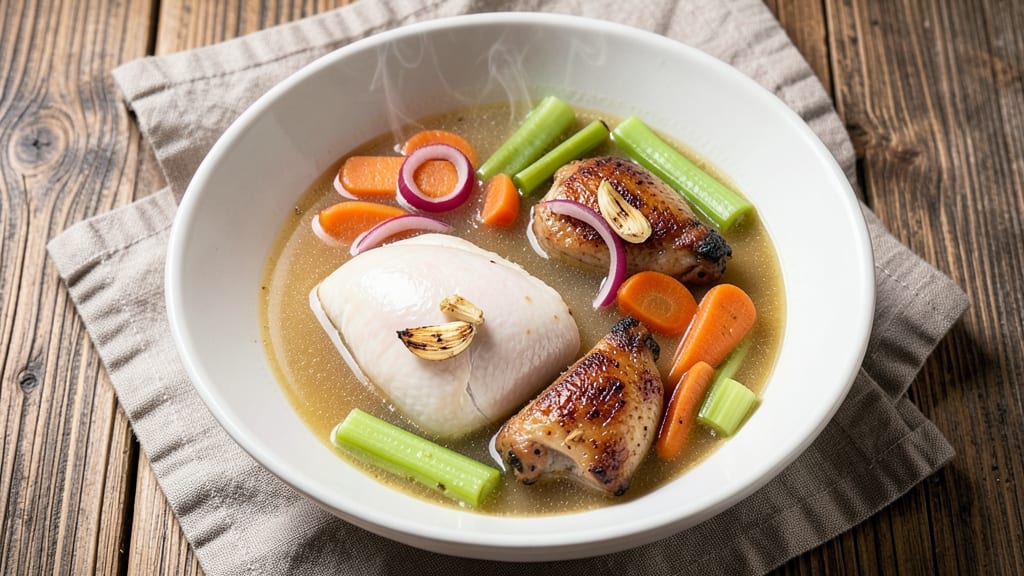
When cold and flu season strikes, this best chicken soup recipe becomes your most powerful weapon—a nutrient-packed elixir that soothes sore throats, replenishes energy, and fights infection with every spoonful. 💛 The secret lies in its carefully balanced ingredients: bone broth for collagen and hydration, garlic for its antiviral properties, and ginger to reduce inflammation.
I developed this recipe during a particularly brutal winter when my immune system needed all the help it could get, and it’s been my go-to remedy ever since.
What sets this soup apart is its medicinal depth—each component plays a role in recovery. The chicken provides lean protein to repair tissues, while carrots and celery offer vitamins A and C to strengthen immunity.
Fresh herbs like thyme and parsley add antibacterial benefits, and a touch of lemon brightens the broth without overpowering its savory base. The result is a healing broth that’s as comforting as it is effective, designed to be made in one pot for maximum convenience.
By the time you’ve simmered everything together, you’ll have a steaming bowl of golden broth infused with aromatic vegetables and tender chicken, ready to restore warmth and vitality. The soup’s gentle spices and rich flavors make it easy to consume even when appetite is low—a critical factor when fighting illness.
Serve it warm with crusty bread or over rice to soak up every drop of that immune-boosting liquid gold.
This recipe isn’t just about taste—it’s about active recovery. The combination of protein, hydration, and anti-inflammatory ingredients works synergistically to ease symptoms and support your body’s natural healing process.
Whether you’re battling a cold or simply looking to strengthen your immunity, this soup delivers restaurant-quality comfort with medicinal benefits—all in one pot.
Ingredients for best chicken soup recipe for colds and flu
Six servings of healing goodness—these ingredients transform into a medicinal broth that fights colds and flu while soothing your soul.
| Ingredient | Amount | Notes |
|---|---|---|
| Chicken Breasts 🍗 | 2 lb | Boneless, skinless, cut into bite-sized pieces |
| Chicken Bone Broth 🍲 | 6 cups | Homemade or high-quality store-bought |
| Yellow Onion 🧅 | 1 whole | Diced, medium size |
| Carrots 🥕 | 4 medium | Peeled, chopped into rounds |
| Celery Stalks 🧄 | 3 whole | Chopped, including leafy tops |
| Garlic Cloves 🧄 | 6 cloves | Freshly minced, peeled |
| Fresh Ginger 🌿 | 1 inch | Thinly sliced, peeled |
| Fresh Thyme 🌿 | ¼ cup | Stems removed, chopped |
| Fresh Parsley 🌿 | ¼ cup | Chopped, leaves only |
| Lemon Juice 🍋 | 2 tbsp | Freshly squeezed |
| Olive Oil 🫒 | 2 tbsp | Extra-virgin for richness |
| Salt 🧂 | 1 ½ tsp | Diamond Crystal kosher salt |
| Black Peppercorns 🌶️ | ½ tsp | Freshly cracked |
| Turmeric Powder 🌶️ | ½ tsp | For anti-inflammatory benefits |
The chicken and bone broth form the foundation of this healing elixir. Chicken breasts provide lean protein for tissue repair, while homemade bone broth—or high-quality store-bought like Imagine or Pacific Foods—adds collagen and minerals. For the broth, Kirkland Signature from Costco is my go-to when homemade isn't an option. The vegetables are non-negotiable: carrots and celery offer vitamins A and C, while onions and garlic pack antiviral punch. Fresh ginger is key—look for firm, aromatic pieces at the grocery store's produce section, not the wilted ones near the back.
No fresh thyme? Dried works at one-third the amount, but fresh has that bright, herbal note that's essential for this soup. Running short on parsley? Fresh cilantro or basil can substitute, though parsley's mild flavor is ideal. The lemon juice brightens everything—Meyer lemons are perfect if you can find them, but regular lemons work fine. For the olive oil, California extra-virgin brands like Corto or Bertolli add fruity notes that complement the broth beautifully. The turmeric isn't just for color—it's a potent anti-inflammatory that pairs perfectly with ginger. If you can't find fresh ginger, ground ginger at half the amount will work in a pinch.
This soup tastes even better the next day as flavors meld. Store in an airtight container in the fridge for up to 5 days, or freeze portions for 3 months. I like to portion it into 2-cup servings for easy reheating—just warm on the stove with a splash of water. The broth keeps well for 1 week refrigerated or 6 months frozen if you make a big batch. For extra convenience, prep all your veggies and store them in a container in the fridge until ready to use—they'll stay fresh for 3-4 days.
Why You'll Love This Recipe
- Minimal Chopping Required: I swear by the "mirepoix shortcut"—just dice one onion, two carrots, and two celery stalks while the broth heats up. Ten minutes max, and your veggies are exactly the right size for that classic soup texture.
- Soup That Actually Heals: Between us, the bone broth here isn’t just flavor—it’s medicine. The collagen-rich broth coats my throat like a warm hug, and the shredded chicken? Protein-packed perfection when I’m too wiped to chew.
- Leftovers That Taste Better: Honestly, this soup improves overnight. The flavors meld like old friends, and the broth gets even richer. I freeze portions in jars, and when I’m sick again, I just reheat—no second-guessing the taste.
- Budget-Friendly Immune Boost: A whole chicken breast and a bag of carrots/celery make four servings. That’s $8 worth of comfort for a week’s worth of cold-weather meals. Plus, the broth stretches forever if I add extra water—zero waste.
Step-by-step instructions for immune-boosting chicken soup
Here's how to craft this healing elixir—rich with anti-inflammatory herbs and protein-packed goodness.
🍳 Step 1: Sear the Chicken for Maximum Flavor
Heat 2 tablespoons olive oil in a large Dutch oven over medium-high heat until shimmering. Add the 2 lb chicken breasts, cut into bite-sized pieces, in a single layer. Let them sear undisturbed for 3-4 minutes until golden brown on one side—this creates a flavorful crust that infuses the broth.
Real talk: don't crowd the pan or you'll steam instead of sear. Once browned, flip the chicken pieces and sear the other side for another 3-4 minutes. Remove the chicken with a slotted spoon and set aside—you'll add it back later. The browned bits in the pot will form the base of your soup's depth of flavor.
👨🍳 Step 2: Sauté the Aromatic Vegetable Base
In the same Dutch oven, add the 1 whole yellow onion, 4 medium carrots, 3 whole celery stalks, 6 cloves garlic, and 1 inch fresh ginger. Sauté for 5-6 minutes until the vegetables soften and the garlic becomes fragrant—this releases their natural oils and sweetens their flavors.
Here's the thing—don't skip this step. The vegetables should be tender but not mushy. I like to press down gently with a wooden spoon to help them break down faster. After about 4 minutes, add the 0.25 cup fresh thyme and 0.5 tsp turmeric powder, stirring to coat everything evenly in the spices.
🥘 Step 3: Build the Healing Broth
Pour in the 6 cups chicken bone broth and bring to a gentle boil. Add the seared chicken back to the pot, along with the 1.5 tsp salt and 0.5 tsp black peppercorns. Reduce heat to medium-low and let it simmer uncovered for 20 minutes, stirring occasionally to prevent sticking.
This simmering time is crucial—it allows the chicken to cook through while the broth absorbs all those beautiful flavors. You'll know it's ready when the chicken is fork-tender and the broth has reduced slightly, becoming more concentrated. The turmeric will give it a lovely golden hue, signaling its anti-inflammatory properties are active.
🔥 Step 4: Finish with Herbal Brightness
After 20 minutes, stir in the 2 tbsp lemon juice and 0.25 cup fresh parsley. The lemon juice brightens the flavors and adds a touch of vitamin C, while the parsley adds freshness and a pop of color. Simmer for another 5 minutes to let the flavors meld together.
Here's where it gets good: taste and adjust the seasoning if needed. I usually find the broth needs just a pinch more salt at this stage—remember, the chicken has been sitting in the broth for a while, so it's absorbed some of the initial seasoning. The parsley should be vibrant green, indicating it's fresh and ready to contribute its healing properties.
⏰ Step 5: Rest and Serve with Warmth
Remove the soup from heat and let it rest for 10 minutes before serving. This resting period allows the flavors to fully develop and the chicken to absorb any remaining broth, making each bite more flavorful. The soup should be steaming hot when you serve it—this helps with congestion relief and soothes a sore throat.
Serve immediately with crusty bread or over rice. The golden broth should coat the back of a spoon, and each spoonful should deliver a perfect balance of savory chicken, sweet vegetables, and aromatic herbs. This isn't just soup; it's a healing elixir designed to nourish your body while it fights off illness.
Pro Tips For Making Best Chicken Soup Recipe For Colds And Flu
- Sear the Chicken First: Toss those chicken breasts in the pot raw, and you’re missing out on flavor depth. Hit them with a quick sear in a hot pan or pot—2 minutes per side—before adding broth. The Maillard reaction kicks in, giving your soup a richer base that actually tastes like it was simmered for hours, not just 30 minutes.
- Mince the Onion Fine: I used to chop onions into big chunks and wonder why my soup tasted like it was missing something. For cold-and-flu soup, mince that yellow onion so fine it’s almost paste-like—this way, every spoonful gets that sweet, mellow onion flavor without the texture of chewing. (Yes, even if you’re impatient like me.)
- Simmer Low and Long: The broth starts boiling, you turn it down, and then you forget about it for an hour. That’s a mistake. Keep it at a gentle simmer—tiny bubbles breaking the surface—so the chicken stays tender and the broth absorbs all those veggie flavors. Thirty minutes of active simmering makes a real difference.
- Add Carrots and Celery Last: Tossing them in at the start means they turn to mush before the chicken’s done. Instead, cut the carrots into half-moons and the celery into ½-inch pieces, then add them only after the chicken’s cooked through. You’ll get that perfect al dente crunch that makes soup feel like a proper meal, not just broth with floating bits.
Pro cooking tips for this recipe
Broth Quality Matters
Your soup’s healing power starts with the broth—never skimp on this. Use homemade bone broth if possible, as it contains collagen and minerals that strengthen immunity. If using store-bought, brands like Imagine or Pacific Foods provide high-quality options.
For extra depth, I add 1 extra cup of broth during simmering to ensure the soup remains rich and hydrating—critical when fighting illness. 🍲
Searing Secrets
Brown the chicken thoroughly in batches if needed—don’t crowd the pan. This creates a flavorful crust called the Maillard reaction, which infuses the broth with umami depth. I use medium-high heat and 2 tablespoons of olive oil for a perfect sear.
The golden bits left in the pot become the soup’s flavor foundation—never scrape them out! 🔥
Herb Timing is Key
Add fresh ginger and garlic early to let their antiviral compounds infuse the broth fully. However, thyme and turmeric should go in during the 5-minute sauté—this prevents them from overpowering the dish.
The lemon juice and parsley belong at the very end to preserve their bright, fresh flavors. 🌿
Simmer Control
Keep the soup at a gentle simmer—not a rolling boil—to prevent the broth from becoming cloudy. A medium-low flame maintains even cooking while allowing flavors to meld.
I stir every 5 minutes to prevent sticking, especially when using a Dutch oven. The broth should reduce slightly, intensifying its healing properties. ⏰
Resting Enhances Flavor
Letting the soup rest for 10 minutes off heat allows the chicken to absorb remaining broth, making each bite more flavorful. This also lets the turmeric’s anti-inflammatory compounds fully activate. Serve immediately while steaming hot—warmth helps clear congestion and soothes sore throats. 💛
Customize for Your Needs
Need extra protein? Add 1 cup cooked quinoa at the end. For more heat, stir in ½ teaspoon cayenne with the lemon juice. If you’re fighting a severe cold, double the garlic and ginger—they’re nature’s antiviral powerhouses.
Adjust seasoning to taste, but remember, salt enhances flavor without adding calories. 🌶️
Nutrition facts
Frequently asked questions
Why does this chicken soup work better than regular chicken soup for colds?
This recipe packs extra immune-boosting ingredients like turmeric (anti-inflammatory), fresh ginger (antiviral), and bone broth (collagen-rich). The garlic and lemon juice add vitamin C and antibacterial properties—all working together to fight infection while providing hydration and protein for recovery.
Can I make this soup without bone broth?
Yes, but it won't be as healing! Use low-sodium chicken broth instead, but add 1 extra tablespoon of olive oil and ½ teaspoon turmeric to boost flavor and anti-inflammatory benefits. For best results, simmer the broth longer (30 minutes) to concentrate flavors.
How soon can I eat this soup when fighting a cold?
Serve it immediately while steaming hot—warmth helps clear congestion and soothes sore throats. The broth's hydration properties start working right away, while the protein and nutrients begin supporting your immune system. For maximum benefit, eat it within 2 hours of cooking when flavors are freshest.
What if I don't have fresh ginger or garlic?
Use ground ginger (½ teaspoon) or garlic powder (½ teaspoon) as substitutes, but fresh is ideal for maximum antiviral benefits. For garlic, 3 cloves fresh = 1 teaspoon powder. If you're short on time, add ½ teaspoon cayenne pepper for extra heat and circulation benefits.
Can I add noodles or rice to this soup?
Add ½ cup uncooked rice or 2 cups egg noodles with the broth (simmer 15 minutes less). For extra protein, stir in 1 cup cooked quinoa at the end. Just remember: the broth is the star—keep the soup's healing properties balanced with your additions.